
Main Sewer Line Clog: Causes, Signs & Solutions
A main sewer line clog represents one of the most disruptive plumbing emergencies a homeowner can face. Unlike isolated blockages in individual fixtures, a clog in your main sewer line affects every drain in your property simultaneously, creating inconvenience and potential health hazards. Understanding the causes, recognising the warning signs, and knowing when to seek professional assistance can save Kent homeowners significant time, money, and stress.
Understanding Your Main Sewer Line System
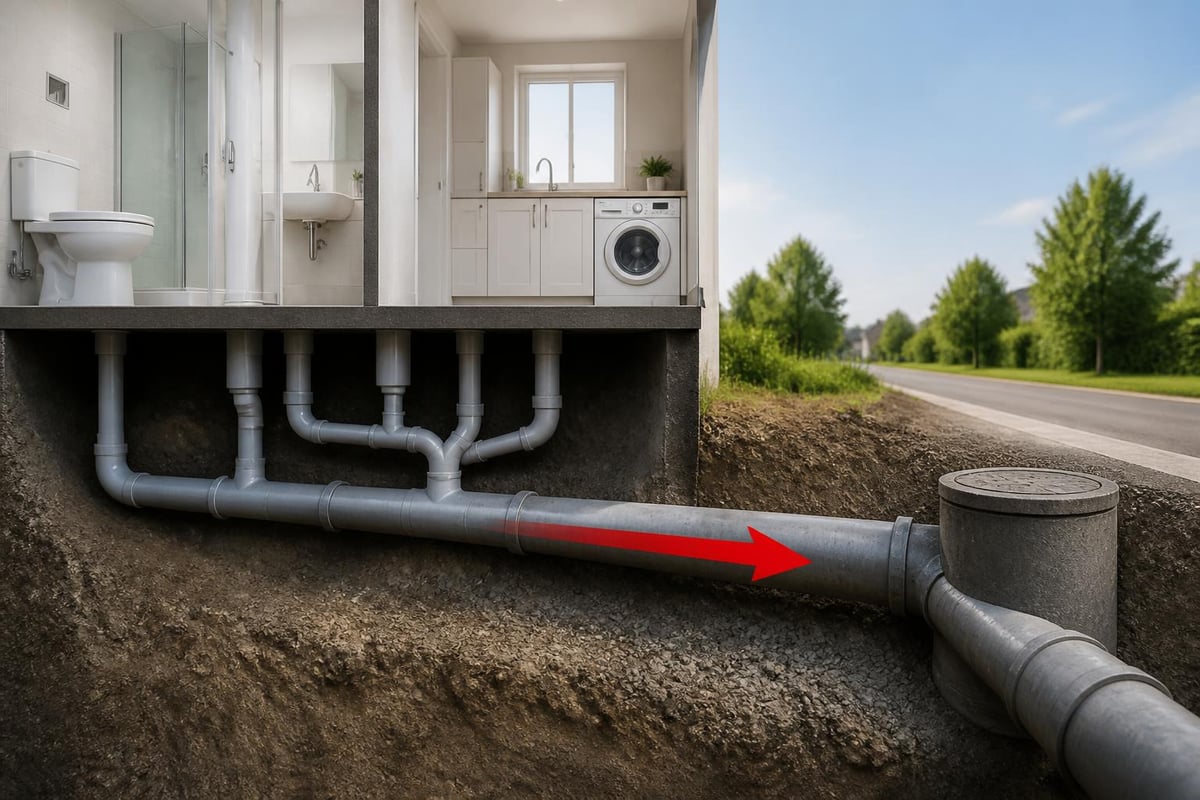
Your main sewer line serves as the critical artery connecting all household wastewater to the municipal sewer system or septic tank. This underground pipe, typically measuring between 100mm and 150mm in diameter, carries waste from toilets, sinks, showers, and appliances away from your property.
How the System Functions
The main sewer line operates through gravity and proper gradient design. Every drain in your home feeds into branch lines, which converge into the main line. When functioning correctly, wastewater flows smoothly through this network and exits your property without incident.
Key components of the sewer line system include:
- Individual fixture drains (sinks, toilets, baths)
- Branch drain lines connecting fixtures
- Main soil stack from upper floors
- Main sewer line to street connection
- Inspection chambers and access points
The entire system relies on unobstructed flow. When a main sewer line clog develops, the effects cascade backwards through your entire drainage network, causing multiple fixtures to malfunction simultaneously.
Common Causes of Main Sewer Line Blockages
Multiple factors can contribute to a main sewer line clog, ranging from everyday household habits to natural environmental processes. Identifying the root cause proves essential for implementing effective solutions and preventing recurrence.
Grease and Fat Accumulation
One of the most common causes of main sewer line clogs involves the improper disposal of fats, oils, and grease. When poured down kitchen drains, these substances initially flow in liquid form but solidify as they cool, adhering to pipe walls and gradually narrowing the passage.
Over months and years, this accumulation creates substantial blockages. Restaurant kitchens demonstrate this phenomenon dramatically, but domestic properties face identical risks from everyday cooking activities.
Non-Flushable Items
Despite clear labelling, many products marketed as "flushable" cause significant problems in sewer systems. Baby wipes, cotton buds, sanitary products, and even excessive amounts of toilet paper can create stubborn blockages.
| Item Type | Decomposition Time | Clog Risk |
|---|---|---|
| Toilet paper | Minutes to hours | Low |
| Paper towels | Days to weeks | High |
| Wet wipes | Months to years | Very High |
| Sanitary products | Months to years | Very High |
| Cotton buds | Months | Moderate |
Tree Root Infiltration
Kent properties with mature gardens face particular vulnerability to tree root intrusion. Roots naturally seek moisture and nutrients, making sewer lines attractive targets. Even small cracks in clay or concrete pipes provide entry points for exploratory roots.
Once inside, roots expand rapidly, creating dense mats that trap debris and eventually cause complete blockages. Willow, poplar, and oak trees prove particularly aggressive in their root growth patterns.
Pipe Deterioration and Structural Issues
Older properties throughout Rochester and Gravesend often feature original clay or cast iron sewer pipes installed decades ago. These materials deteriorate over time, developing cracks, misalignments, or complete collapses that impede water flow.
Common structural problems include:
- Bellied or sagging pipe sections due to ground settlement
- Corroded pipe walls in older metal installations
- Joint separation from ground movement
- Crushed pipes from vehicle traffic or construction work
Properties built before 1970 warrant particular attention, as modern PVC and UPVC pipes offer superior longevity and resistance to common failure modes.
Recognising the Warning Signs
Identifying a main sewer line clog early provides the best opportunity for straightforward resolution before extensive damage occurs. Several distinctive symptoms differentiate main line blockages from isolated fixture problems.
Multiple Fixture Malfunctions
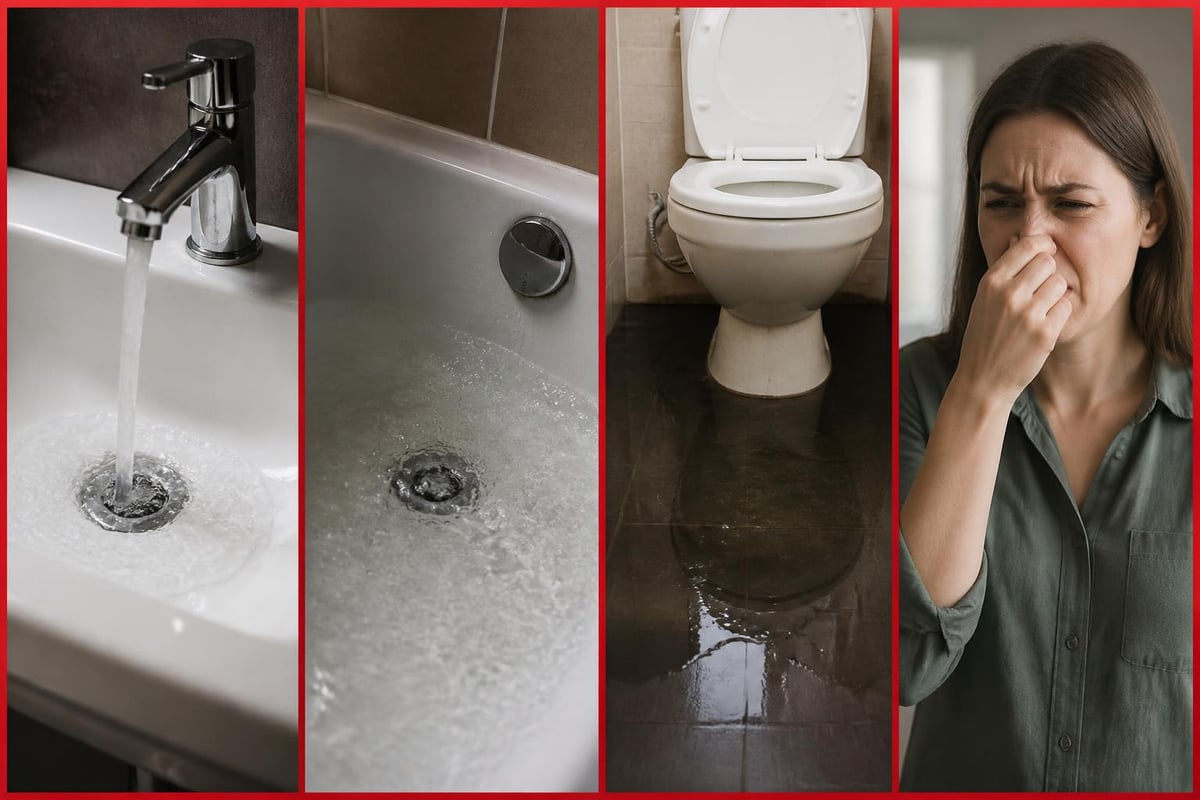
The hallmark indicator of a main sewer line clog manifests when multiple drains throughout your property malfunction simultaneously. If flushing an upstairs toilet causes your ground floor shower to gurgle or back up, you're almost certainly dealing with a main line issue rather than localised blockages.
This symptom results from the shared connection all fixtures maintain to the main line. When that primary pathway becomes obstructed, wastewater seeks alternative routes, often backing up through the lowest available drain.
Persistent Slow Drainage
Whilst occasional slow drainage might indicate a simple fixture blockage, consistent sluggish performance across multiple drains suggests main line involvement. Water that drains slowly from sinks, baths, and showers indicates insufficient capacity in the main line to handle normal flow volumes.
Unusual Sounds and Odours
Gurgling noises emanating from drains when using other fixtures indicate air displacement within your sewer system. This air movement occurs when water struggles to flow past a partial obstruction, creating bubbles that travel backwards through drain vents.
Foul sewage odours inside your property signal serious problems. Properly functioning drain traps should prevent sewer gases from entering living spaces. When these odours appear, either traps have dried out or pressure from a main line clog has forced gases backwards through the system.
External Evidence
Observant homeowners might notice external clues before internal symptoms become severe. Soggy patches in the garden, particularly near the sewer line route, suggest leaking or backing up wastewater. Unusually lush grass growth in specific areas can indicate sewage enrichment of the soil.
Inspection chambers showing standing water when no fixtures are running provide definitive evidence of downstream blockages. These access points should remain relatively dry between uses, with water flowing freely when drains are utilised.
Professional Diagnosis and Solutions
Whilst some homeowners attempt DIY fixes, a main sewer line clog typically requires professional expertise and specialised equipment. Modern diagnostic and clearing methods have revolutionised the approach to these challenging problems.
CCTV Drain Surveys
Professional drainage engineers utilise waterproof cameras mounted on flexible cables to inspect the entire length of your main sewer line. This technology identifies precise blockage locations, reveals pipe condition, and discovers structural defects that might require repair.
The visual evidence from these surveys informs treatment decisions and provides documentation for insurance claims when applicable. For Kent homeowners with persistent drainage issues, this diagnostic step proves invaluable in developing long-term solutions.
High-Pressure Water Jetting
The most effective method for clearing main sewer line blockages employs high-pressure water jets capable of scouring pipe walls and dislodging even stubborn obstructions. Professional-grade equipment delivers water at pressures exceeding 3000 PSI, sufficient to cut through grease accumulation, break up solid blockages, and remove tree roots.
Advantages of professional jetting include:
- Complete removal of debris rather than simple hole-punching
- Restoration of full pipe diameter and flow capacity
- Minimal risk to pipe integrity when properly executed
- Effectiveness against diverse blockage types
- Simultaneous cleaning and clearing action
Homeowners throughout the Rochester area can access these services through established drainage specialists who maintain the necessary equipment and expertise.
Mechanical Augers and Root Cutting
For blockages resistant to water jetting, particularly those involving dense tree roots, mechanical augers equipped with cutting heads provide an alternative solution. These powered cables rotate cutting blades that slice through obstructions whilst pulling debris backwards for removal.
Root cutting proves especially important for properties with established trees near sewer lines. However, cutting only provides temporary relief unless followed by pipe repair or root barrier installation to prevent regrowth.
Prevention Strategies for Long-Term Protection
Preventing recurring main sewer line clogs requires sustained attention to household habits and periodic professional maintenance. The investment in preventive measures consistently proves more economical than emergency blockage clearing.
Kitchen Waste Management
Proper disposal of fats, oils, and grease represents the single most effective preventive measure for most households. Rather than pouring cooking oils down the drain, collect them in containers for proper disposal with general waste. Wipe greasy pans with paper towels before washing to minimise fat entering the drainage system.
Installing strainers in kitchen sinks captures food particles before they enter the waste pipes. These simple devices prevent accumulation that contributes to blockage formation over time.
Bathroom Best Practices
- Use only toilet paper designed to decompose quickly in water
- Never flush wet wipes, even those labelled as flushable
- Dispose of sanitary products, cotton buds, and dental floss in bins
- Install hair catchers in shower and bath drains
- Run hot water through drains weekly to help dissolve minor grease accumulation
These straightforward practices significantly reduce the debris load entering your main sewer line, extending the interval between professional cleaning requirements.
Regular Professional Maintenance
Scheduling periodic drain inspections and cleaning provides early warning of developing problems before they escalate to complete blockages. Annual or biennial professional maintenance particularly benefits older properties and those with large trees nearby.
Many Kent homeowners combine general plumbing maintenance visits with drain inspections, creating comprehensive property care schedules that address multiple systems efficiently.
When to Call a Professional
Whilst minor drain slowdowns might respond to DIY treatments, certain situations demand immediate professional attention. Understanding when to seek expert help prevents property damage and health hazards.
Emergency Situations
Contact professional drainage engineers immediately if you experience:
- Sewage backing up through toilets or ground floor drains
- Multiple fixtures affected simultaneously
- Foul odours throughout the property
- Visible sewage pooling in the garden
- Complete inability to drain water from any fixture
These symptoms indicate serious main sewer line clogs requiring urgent attention. Continued use of plumbing fixtures during complete blockages risks flooding and significant property damage.
Recurring Problems
If you've attempted DIY clearing methods or experienced professional cleaning but blockages return within weeks or months, underlying structural issues likely require investigation. Persistent problems often indicate pipe damage, root infiltration, or gradient issues that simple clearing cannot resolve.
Investment in comprehensive diagnosis through CCTV surveys reveals these hidden problems, enabling targeted repairs that eliminate recurring blockages rather than repeatedly treating symptoms.
Property Age Considerations
Homes built before 1970 throughout Kent often feature clay drainage pipes susceptible to root penetration and structural degradation. If your property falls into this category and you've never had a drainage survey, proactive inspection provides valuable peace of mind and early warning of potential issues.
Similarly, properties that have undergone extensions or significant landscaping work benefit from surveys ensuring previous work hasn't compromised drainage integrity. Ground works near sewer lines sometimes cause misalignments or damage that only manifest as blockages years later.
Understanding the Costs and Financial Planning
Addressing a main sewer line clog involves varying costs depending on blockage severity, required repairs, and accessibility factors. Understanding typical price ranges helps homeowners plan financially for both emergency and preventive drainage work.
Service Cost Factors
| Service Type | Typical Cost Range | Duration |
|---|---|---|
| Basic drain clearing | £80-150 | 1-2 hours |
| CCTV survey | £100-200 | 1-2 hours |
| High-pressure jetting | £150-300 | 2-4 hours |
| Root cutting | £200-400 | 2-4 hours |
| Major pipe repair | £1,000-5,000+ | 1-3 days |
Emergency call-outs typically incur premium charges, particularly for evening and weekend work. This cost difference provides strong financial incentive for addressing drainage problems promptly rather than waiting for complete failures.
For homeowners concerned about unexpected repair costs, exploring flexible payment options through established service providers can make essential drainage work more manageable within household budgets. Whilst typically associated with heating system installations, some providers extend financing to substantial plumbing projects.

Insurance Considerations
Home insurance policies vary significantly in their coverage of drainage issues. Some policies include drain blockage clearing as standard, whilst others require specific drainage insurance riders. Main sewer line clogs caused by gradual deterioration often receive different treatment than those resulting from sudden damage.
Review your policy documentation or consult your insurance provider to understand your coverage. Where insurance applies, proper documentation including CCTV survey footage and professional reports supports claims processing.
Infrastructure Connections and Shared Responsibilities
Understanding where your responsibility ends and municipal authority begins proves important when addressing main sewer line clogs. The boundary typically occurs at the property line or connection point to the public sewer, though specific regulations vary by local authority.
Private vs Public Sewer Sections
Homeowners maintain responsibility for all drainage pipes within their property boundaries, including the main sewer line from the house to the property edge. Beyond this point, the water authority typically assumes responsibility, though establishing exact boundaries sometimes requires professional surveying.
When excavation work becomes necessary for repairs, understanding these boundaries prevents unnecessary costs. If the blockage or damage occurs in the public section, the water authority should conduct repairs at no cost to the homeowner.
For properties requiring significant excavation or civil engineering work to access deep sewer lines, specialist contractors such as JRG Civils provide the heavy equipment and expertise necessary for safe, compliant groundwork and restoration.
Shared Drains and Combined Systems
Some Kent properties, particularly terraced houses and converted buildings, share drainage systems with neighbouring properties. Blockages in shared sections require coordinated responses and cost-sharing agreements between affected homeowners.
These situations benefit from professional mediation and clear diagnostic work establishing blockage location relative to property boundaries. Written agreements documenting cost-sharing arrangements prevent disputes when significant repair work becomes necessary.
Environmental and Health Considerations
A main sewer line clog represents more than mere inconvenience; untreated blockages pose genuine health risks and environmental hazards requiring prompt attention.
Health Risks from Sewage Exposure
Raw sewage contains harmful bacteria, viruses, and parasites capable of causing serious illness. Exposure through contact with backed-up waste or breathing contaminated air presents particular risks to children, elderly residents, and those with compromised immune systems.
Common health hazards include:
- Gastroenteritis from bacterial contamination
- Hepatitis A from viral exposure
- Respiratory problems from sewer gases
- Skin infections from direct contact
- Leptospirosis from contaminated water
Professional drainage engineers employ proper protective equipment and sanitisation procedures, minimising health risks during blockage clearing. Homeowners should avoid contact with sewage backups and thoroughly disinfect affected areas following professional cleaning.
Environmental Impact
Sewage leaks from damaged or blocked main lines contaminate soil and groundwater, creating environmental hazards extending beyond individual properties. Pollution of water courses affects entire communities and ecosystems, making prompt professional attention both a personal and civic responsibility.
Modern drainage solutions emphasise environmental protection through proper waste handling, contamination prevention, and sustainable repair methods. Professional services ensure compliance with environmental regulations whilst resolving immediate blockage problems.
Modern Technologies and Future-Proofing
Advances in drainage technology offer Kent homeowners new options for preventing and addressing main sewer line clogs more effectively than ever before.
Trenchless Repair Methods
Traditional sewer line repairs required extensive excavation, disrupting gardens, driveways, and landscaping. Modern trenchless technologies enable pipe repair or replacement with minimal surface disturbance.
Trenchless methods include:
- Pipe lining with epoxy resin creating new pipe within old
- Pipe bursting that replaces damaged sections whilst breaking up old pipe
- Spot repairs for localised damage points
- Joint sealing for specific leak points
These approaches reduce costs, completion times, and property disruption whilst delivering repairs with decades of expected service life.
Smart Monitoring Systems
Emerging technologies enable continuous monitoring of drainage system health through sensors detecting flow anomalies, blockage formation, and structural problems before they cause complete failures. Whilst currently uncommon in domestic installations, these systems will likely become standard features in new builds and major renovations.
Early adoption by homeowners with persistent drainage issues or valuable properties provides peace of mind and genuine early warning capabilities preventing emergency situations.
Recognising and addressing a main sewer line clog promptly protects your property from damage whilst maintaining sanitary living conditions for your family. Professional diagnosis, effective clearing methods, and preventive maintenance create long-term solutions surpassing temporary fixes. For comprehensive drainage services, heating installations, and plumbing support throughout Kent, the experienced team at Castle Heating Kent combines over 20 years of expertise with modern diagnostic equipment to resolve even the most challenging drainage problems efficiently and professionally.

