
Pipe Blockage: Causes, Prevention & Professional Solutions
Pipe blockage represents one of the most common and frustrating plumbing issues facing homeowners across Kent and beyond. Whether it's a slowly draining sink, a gurgling toilet, or a complete backup in your drainage system, blocked pipes can disrupt daily life and potentially cause significant property damage if left unaddressed. Understanding the root causes of these blockages, implementing preventive measures, and knowing when to seek professional assistance can save you considerable time, money, and stress. This comprehensive guide explores everything you need to know about pipe blockages, from the warning signs to the most effective solutions for keeping your plumbing system flowing smoothly.
Common Causes of Pipe Blockage in Residential Properties
Identifying what causes pipes to block is the first step toward effective prevention and treatment. The vast majority of blockages stem from everyday household activities, though some arise from factors beyond homeowner control.
Organic Matter and Grease Accumulation
Kitchen sinks are particularly vulnerable to blockages caused by food waste, cooking oils, and fats. When hot grease pours down the drain, it travels through the pipes in liquid form before cooling and solidifying on the pipe walls. Over time, this creates a narrowing channel that traps other debris.
Common organic culprits include:
- Coffee grounds that clump together and resist water flow
- Food particles from plates and cooking prep
- Cooking oils and fats that solidify at room temperature
- Eggshells and fibrous vegetables that don't break down easily
Hair represents another major contributor to pipe blockage, especially in bathroom drains. As hair accumulates, it combines with soap scum and creates dense clumps that restrict water flow. According to experts in drain maintenance, these organic blockages account for a significant percentage of residential drainage issues.

Foreign Objects and Sanitary Products
One of the most preventable causes of pipe blockage involves items that should never enter the drainage system. Toilets often suffer blockages when used to dispose of materials designed for waste bins rather than sewage systems.
| Item Type | Why It Causes Blockages | Prevention Method |
|---|---|---|
| Wet wipes | Don't break down like toilet paper | Use bins, even for "flushable" varieties |
| Cotton buds | Create tangles with other debris | Dispose in bathroom waste bins |
| Dental floss | Wraps around pipe obstructions | Always discard in rubbish |
| Sanitary products | Expand when wet | Use designated disposal units |
| Paper towels | Too thick to dissolve properly | Keep separate from toilet tissue |
The Castle Heating Kent drainage services team regularly encounters blockages that could have been prevented simply by disposing of items correctly. Children's toys, nappies, and excessive amounts of toilet paper also feature prominently in callouts across Rochester and Gravesend.
Tree Root Intrusion
External factors can create pipe blockage problems that homeowners may not anticipate. Tree roots naturally seek out water sources, and even tiny cracks in underground pipes release moisture that attracts root growth. Once roots penetrate a pipe, they expand rapidly, creating significant obstructions.
Properties with mature trees in gardens or near public spaces face higher risks. Clay and cast iron pipes, common in older Kent homes, prove particularly susceptible to root damage. Professionals offering general plumbing services often use camera inspections to identify root intrusion before it causes complete system failure.
Warning Signs Your Pipes Are Becoming Blocked
Early detection of pipe blockage allows for simpler, less expensive interventions. Several telltale signs indicate developing problems within your drainage system.
Slow Drainage and Standing Water
The first symptom most homeowners notice involves water draining more slowly than usual. Kitchen sinks that once emptied quickly now hold standing water for several minutes. Bathroom basins develop puddles during hand washing. These changes suggest a partial blockage that will likely worsen without intervention.
Shower trays and bathtubs commonly show these early warning signs. If you notice water pooling around your feet during a shower, debris has probably accumulated in the trap or further down the drainage pipe. Professional guidance on preventing sink clogs emphasizes addressing slow drainage immediately rather than waiting for complete blockages.
Unusual Sounds and Odours
Gurgling noises from drains indicate trapped air trying to escape around a blockage. When water flows past an obstruction, it displaces air that then bubbles back up through the system, creating distinctive sounds. These noises may occur when using one fixture whilst another gurgles in response.
Unpleasant smells emanating from drains suggest organic matter decomposing within the pipes. Food waste, hair, and soap residue create ideal conditions for bacteria growth, producing distinctive sewage-like odours. Persistent smells despite regular cleaning indicate pipe blockage requiring professional attention.

Multiple Fixtures Affected Simultaneously
When pipe blockage occurs in the main drainage line rather than individual fixture pipes, multiple outlets show symptoms simultaneously. Flushing the toilet might cause the shower drain to gurgle, or running the washing machine could make the kitchen sink back up. This interconnected behaviour points to a blockage in the shared drainage system.
Research into why drains keep clogging reveals that blockages in main lines often develop gradually, affecting different fixtures as the obstruction grows. Properties in areas like Rochester with older drainage infrastructure may experience these issues more frequently.
Prevention Strategies for Maintaining Clear Pipes
Preventing pipe blockage proves far more cost-effective than dealing with emergency callouts and potential water damage. Simple habits and regular maintenance keep drainage systems flowing properly.
Kitchen Sink Best Practices
The kitchen presents the highest risk area for grease-related blockages. Never pour cooking oils, fats, or grease directly down the drain. Instead, allow them to cool and solidify, then dispose of them in your general waste bin. Even small amounts accumulate over time, creating stubborn obstructions.
Install sink strainers to catch food particles before they enter the drainage system. These inexpensive devices prevent vegetable peelings, rice, pasta, and other debris from travelling down pipes. Empty strainers regularly into compost or waste bins.
Practical prevention steps include:
- Scrape plates thoroughly before washing
- Run hot water for 30 seconds after each use
- Use a sink strainer at all times
- Dispose of coffee grounds in compost bins
- Clean strainers weekly to prevent buildup
Periodically flushing drains with hot water helps dissolve minor soap and grease deposits before they harden into blockages. Some homeowners add a mixture of baking soda and vinegar monthly as a natural cleaning agent, though professional products designed for drainage maintenance offer more reliable results.
Bathroom Drainage Maintenance
Hair represents the primary cause of bathroom pipe blockage. Install drain covers with fine mesh over plug holes in showers, baths, and bathroom sinks. These catch hair before it enters the drainage system, and cleaning them takes only seconds.
Regular cleaning of pop-up stoppers in bathroom sinks removes accumulated hair, soap scum, and toothpaste residue. Unscrew the stopper monthly, clean thoroughly, and replace. This simple task prevents gradual buildup that leads to blockages.
Educate household members about what belongs in toilets. Only human waste and toilet paper should be flushed. Even products marketed as "flushable" often contribute to pipe blockage in sewage systems. Keep a small waste bin in the bathroom for all other items.
Garden and External Pipe Care
For properties with gardens, strategic landscaping prevents root-related pipe blockage. Plant trees and large shrubs away from drainage pipes and sewage lines. If mature trees already exist near your drainage system, consider annual root barrier installation or regular professional inspections.
Autumn brings additional challenges as fallen leaves can block external drains and gullies. Clear leaves regularly from drain covers and inspect external drainage points before winter. Heavy rainfall combined with leaf debris creates perfect conditions for serious blockages.
Professional Solutions for Existing Blockages
Despite best prevention efforts, pipe blockage sometimes occurs and requires expert intervention. Understanding available professional solutions helps homeowners make informed decisions.
Mechanical Clearing Methods
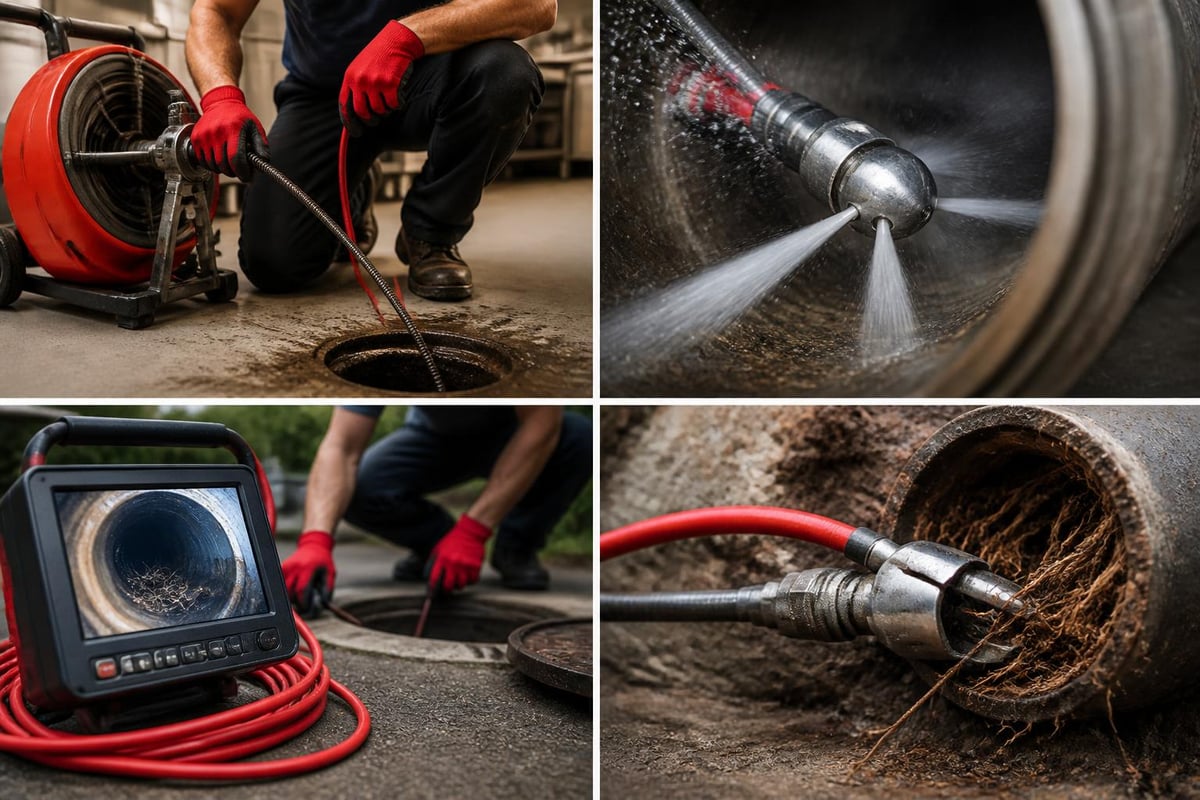
Professional plumbers employ various mechanical techniques to clear blockages. Drain snakes or augers feature rotating cables that break through obstructions and hook debris for removal. These tools prove effective for most common blockages in accessible pipes.
High-pressure water jetting represents a more comprehensive solution. Specialized equipment forces water through pipes at extremely high pressure, scouring away grease, scale, and debris. This method not only clears blockages but also cleans pipe walls, reducing future buildup.
When dealing with persistent drainage issues, the team at Castle Heating Kent combines technical expertise with modern equipment to restore proper flow. Their Gas Safe registered engineers bring over 20 years of experience to every callout across Kent.
Camera Inspection Technology
Modern CCTV drainage surveys allow professionals to identify exact blockage locations and causes without excavation. A small waterproof camera travels through the pipe system, transmitting real-time footage that reveals obstructions, cracks, and structural issues.
This diagnostic approach proves particularly valuable when pipe blockage recurs in the same location. The footage shows whether tree roots, collapsed pipes, or inappropriate installations cause the problem. With precise information, engineers recommend targeted solutions rather than trial-and-error approaches.
For those managing renovation projects, much like the comprehensive approach taken by construction professionals in their field, proper planning and professional expertise ensure drainage systems function optimally from the start.
Chemical Treatments and When to Avoid Them
Commercial drain cleaners promise quick fixes for pipe blockage, but these products carry significant drawbacks. The harsh chemicals can damage older pipes, especially those made from lead or galvanized steel. They also pose environmental concerns and health risks if mishandled.
Professional-grade enzymatic cleaners offer safer alternatives. These products use bacteria and enzymes to break down organic matter without corrosive chemicals. However, they work slowly and suit prevention better than clearing existing blockages.
Understanding common causes of sewer line clogs helps homeowners recognize when DIY chemical treatments prove inadequate and professional mechanical clearing becomes necessary.
Financial Considerations and Long-Term Planning
Addressing pipe blockage involves both immediate costs and long-term investment in system health. Understanding these financial aspects helps homeowners budget appropriately.
Cost Comparison of Solutions
| Solution Type | Typical Cost Range | Effectiveness | Longevity |
|---|---|---|---|
| DIY drain cleaner | £5-£15 | Low-moderate | Temporary |
| Plumber callout (simple) | £80-£150 | High | Months-years |
| CCTV inspection | £100-£200 | Diagnostic only | N/A |
| High-pressure jetting | £150-£300 | Very high | 1-3 years |
| Pipe relining | £800-£2,500 | Excellent | 10-50 years |
| Full pipe replacement | £2,000-£10,000+ | Permanent | 50+ years |
Emergency callouts during evenings, weekends, or bank holidays typically cost more than scheduled appointments. Addressing slow drainage early prevents expensive emergency situations when complete blockages cause flooding or sewage backup.
Investment in Prevention
Regular professional maintenance prevents expensive emergencies. Annual drainage inspections identify developing issues before they become critical. For properties with known vulnerabilities, such as mature trees near drainage lines or older pipe materials, scheduled maintenance proves especially valuable.
When facing significant plumbing work, financing options can make necessary repairs more manageable. For instance, homeowners needing comprehensive plumbing upgrades alongside heating system improvements might explore flexible payment plans that spread costs over manageable periods.

Whether addressing pipe blockage issues or planning larger plumbing projects, having access to flexible payment options through partners like Ideal4Finance can make essential maintenance and upgrades more attainable for Kent homeowners.
When to Call Professional Help
Knowing when DIY efforts prove insufficient saves time and prevents damage. Certain situations demand immediate professional intervention.
Emergency Warning Signs
Complete drain blockage where no water drains at all requires urgent attention. Multiple fixtures backing up simultaneously indicates main line obstruction that will worsen rapidly. Sewage backing up into your home presents health hazards requiring immediate professional response.
If you notice water pooling in your garden near drainage pipes, suspect a serious blockage or pipe collapse. External flooding can damage foundations and create expensive structural problems. Contact professionals immediately when these symptoms appear.
Recurring blockages in the same location suggest underlying problems that DIY methods cannot resolve. Whether tree roots, pipe damage, or installation issues cause the problem, professional diagnosis identifies permanent solutions. The experienced team at Castle Heating Kent responds quickly to drainage emergencies across Rochester, Gravesend, and surrounding areas.
Preventive Professional Services
Even without current blockages, certain circumstances warrant professional inspection. Properties over 30 years old with original drainage pipes benefit from CCTV surveys that identify deterioration before failures occur. Homes with large trees in gardens should have regular root inspections.
Before purchasing property, drainage surveys reveal hidden problems that affect value and future maintenance costs. Sellers increasingly provide drainage reports to facilitate smooth transactions and demonstrate system condition.
When planning extensions or landscaping projects, professional guidance ensures new work doesn't compromise existing drainage. Improper alterations frequently cause pipe blockage in previously trouble-free systems.
Impact of Seasonal Changes on Drainage Systems
Kent's variable climate affects pipe blockage risks throughout the year. Understanding seasonal challenges helps homeowners prepare appropriately.
Autumn and Winter Considerations
Fallen leaves create significant blockage risks in external drains and gullies. Combined with autumn rainfall, decomposing vegetation quickly obstructs drainage points. Regular clearing of external drains throughout autumn prevents winter flooding.
Freezing temperatures occasionally affect external pipes, though this proves less common in Kent than northern regions. However, frozen condensate pipes on boilers can prevent heating systems functioning properly, creating a related though distinct issue from traditional pipe blockage.
Winter holidays bring increased kitchen activity, with more cooking fats and food waste entering drainage systems. The combination of turkey fat, potato peelings, and increased toilet use during family gatherings creates perfect conditions for blockages. Extra vigilance during this period prevents festive emergencies.
Spring and Summer Maintenance
Spring cleaning provides excellent opportunities for drainage maintenance. Flush rarely-used drains to prevent stagnant water and debris accumulation. Check external drainage points clear of winter debris and plant growth.
Summer garden work requires awareness of drainage pipe locations. Avoid planting new trees or shrubs near underground pipes. When landscaping, identify drainage runs to prevent accidental damage from digging or heavy equipment.
Increased rainfall during summer storms can overwhelm drainage systems already compromised by partial blockages. Ensuring clear, well-maintained drains before storm season prevents flooding and water damage.
Modern Pipe Materials and Blockage Resistance
The materials used in drainage systems significantly affect pipe blockage susceptibility. Understanding these differences helps when planning renovations or addressing persistent problems.
Older properties in Kent often feature clay or cast iron drainage pipes. Whilst durable, these materials develop rough interior surfaces over decades, creating ideal conditions for debris accumulation. Tree roots easily penetrate joints in clay pipe systems.
Modern plastic pipes (PVC and HDPE) offer smooth interiors that resist buildup and root intrusion. When replacing sections of drainage systems, upgrading to modern materials reduces future blockage risks. These pipes also resist corrosion and offer longer service lives.
Pipe diameter matters significantly. Narrow pipes block more easily than larger-diameter alternatives. Properties with undersized drainage for current usage patterns experience frequent blockages regardless of maintenance efforts. Professional assessment determines whether inadequate sizing contributes to recurring problems.
No-dig pipe relining technology allows upgrading old pipes without excavation. This process inserts a resin-coated liner into existing pipes, creating a smooth, seamless interior that prevents blockages and root intrusion for decades. Whilst initially expensive, relining often costs less than excavating and replacing entire drainage runs.
Maintaining clear drainage systems requires awareness, prevention, and timely professional intervention when problems develop. By understanding what causes pipe blockage, recognising warning signs early, and implementing simple preventive measures, homeowners can avoid most drainage emergencies and the costly damage they cause. However, when blockages do occur despite your best efforts, having access to experienced professionals makes all the difference. With over 20 years of expertise and a team of Gas Safe registered engineers, Castle Heating Kent provides comprehensive drainage solutions across Rochester, Gravesend, and throughout Kent, ensuring your plumbing system functions reliably year-round.

