
Toilet and Shower Clogged: Causes and Solutions
When you discover your toilet and shower clogged at the same time, it's more than just an inconvenience-it's a clear warning sign that something serious is affecting your plumbing system. This frustrating scenario often leaves homeowners in Kent confused and concerned about the extent of the problem. Understanding why both fixtures fail simultaneously requires knowledge of how domestic drainage systems work and what common issues can disrupt their normal operation. Whether you're in Rochester, Gravesend, or anywhere across Kent, recognising the signs early can save you from costly repairs and potential property damage.
Understanding Your Drainage System
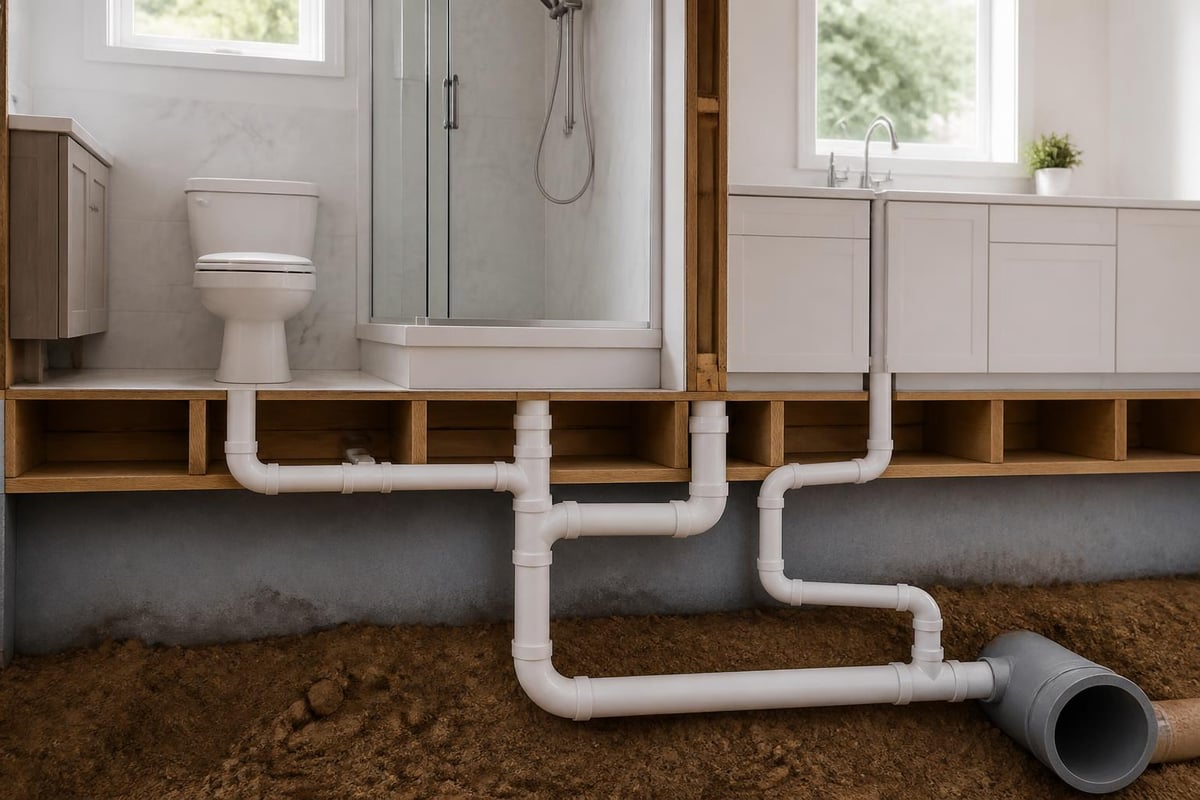
The plumbing in your home operates as an interconnected network where multiple fixtures share common drain lines. Your toilet, shower, bathroom sink, and other waste outlets don't have completely separate pathways to the sewer. Instead, they converge at various junction points before ultimately connecting to your main sewer line.
This shared infrastructure explains why a toilet and shower clogged simultaneously points to a blockage deeper in the system rather than isolated problems at each fixture. When water cannot flow freely through the main drainage pathway, it backs up into whichever fixtures sit at the lowest points or have the least resistance.
The Role of Vent Pipes
Your drainage system also relies on vent pipes that allow air into the plumbing network. These vents prevent vacuum formation and ensure smooth water flow. When vent pipes become blocked by debris, bird nests, or ice during winter months, the resulting air pressure imbalance can cause drainage issues across multiple fixtures.
- Poor venting creates slow drainage throughout your home
- Gurgling sounds often accompany vent blockages
- Multiple fixtures may drain slowly rather than completely backing up
Common Causes When Your Toilet and Shower Clogged
Main Sewer Line Blockages
The most frequent culprit behind simultaneous fixture clogs is an obstruction in your main sewer line. This critical pipe carries all wastewater from your property to the municipal sewer system or septic tank. Main sewer line blockages can develop from several sources, including tree root intrusion, collapsed pipes, or accumulated debris.
Tree roots naturally seek moisture and nutrients, making sewer lines attractive targets. Once roots penetrate even tiny cracks in pipes, they expand rapidly, creating substantial blockages. Properties with mature trees nearby face elevated risk, particularly if pipes are older clay or concrete rather than modern PVC.
Foreign objects flushed down toilets also contribute significantly to main line blockages. Items marketed as "flushable"-including certain wipes, cotton products, and hygiene items-often don't break down sufficiently and accumulate over time.
| Blockage Source | Risk Level | Common in Kent Properties |
|---|---|---|
| Tree Roots | High | Victorian and pre-1970s homes |
| Grease Build-up | Medium | All property types |
| Foreign Objects | High | Households with children |
| Pipe Deterioration | Medium | Properties over 40 years old |
Shared Branch Line Issues
Sometimes the problem isn't in the main sewer line but in a shared branch line connecting your bathroom fixtures. If your toilet and shower clogged together but other drains work normally, the blockage likely sits in the bathroom's dedicated branch line rather than the main system.
Hair accumulation represents the primary cause of branch line blockages in bathrooms. Combined with soap residue, skin cells, and mineral deposits from hard water-common throughout Kent-hair forms stubborn clogs that gradually worsen until complete blockage occurs.
Municipal Sewer Problems
Occasionally, the issue originates outside your property boundary. Municipal sewer line problems affect multiple homes simultaneously and require water authority intervention. During heavy rainfall, Kent's combined sewer systems can become overwhelmed, causing backups into residential properties.
Diagnosing the Problem
Initial Observation
Start by checking all water outlets in your home. Test taps, flush toilets, and run water in sinks and baths throughout the property. Note which fixtures drain normally and which experience problems. This information helps identify whether you're dealing with a localised bathroom issue or a whole-house drainage emergency.
Pay attention to unusual sounds. Gurgling from drains when you flush the toilet or empty the shower indicates air trapped in the system-a telltale sign of partial blockage or venting issues.
Water Level Tests
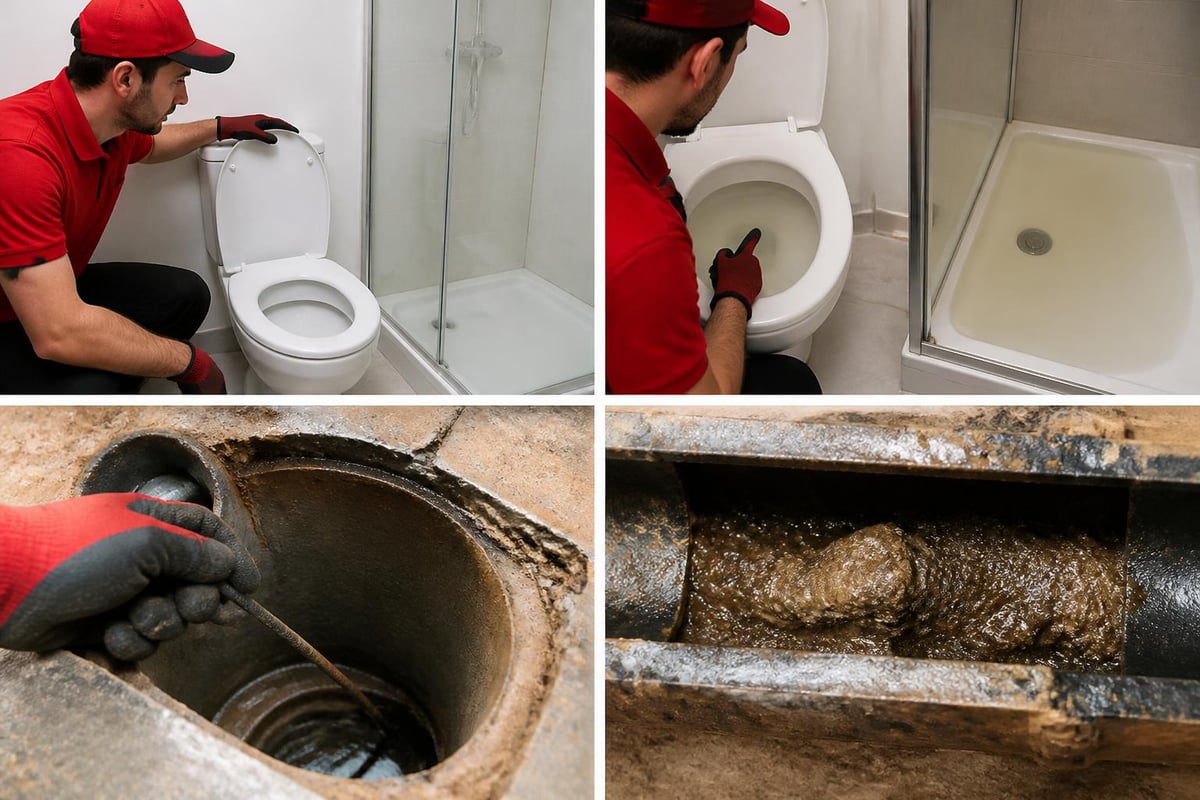
Fill your shower tray or bath with several inches of water, then remove the plug whilst watching the toilet bowl. If the toilet water level rises when the shower drains, you've confirmed a shared drainage blockage. This simple diagnostic test provides valuable information before attempting any repairs.
Similarly, flush the toilet and observe whether water backs up into the shower tray. This reverse flow definitively indicates a blockage between your fixtures and the main sewer line.
External Inspection
Examine your property's external inspection chambers if accessible. Modern homes typically have rodding points-covered access ports that allow inspection of the drainage system. Remove the cover carefully and check the water level. If chambers are full or overflowing, the blockage sits downstream from that point.
DIY Solutions for Minor Blockages
Plunger Techniques
When your toilet and shower clogged, a plunger might resolve minor obstructions. However, technique matters significantly. Use a flange plunger for toilets-the type with an extended rubber cup-and a standard cup plunger for shower drains.
For toilets, ensure sufficient water covers the plunger cup, then create a tight seal before pushing down firmly and pulling up sharply. Repeat 15-20 times before checking if drainage improves. For showers, remove the drain cover first and ensure the plunger cup completely covers the drain opening.
Chemical Drain Cleaners: Proceed with Caution
Commercial drain cleaners promise quick fixes but require careful consideration. Many contain harsh chemicals that damage older pipes, particularly if used repeatedly. They're also ineffective against tree roots or solid obstructions and can create dangerous situations if mishandled.
If you choose chemical cleaners, follow manufacturer instructions precisely and never mix different products. Ensure adequate ventilation and keep children and pets away from treated areas. That said, mechanical removal methods typically prove more effective and safer for your plumbing system.
Drain Snake Application
A drain snake or auger can reach blockages that plungers cannot. Feed the snake into the shower drain slowly, rotating the handle to break through or retrieve obstructions. When resistance increases, you've likely reached the clog. Continue rotating whilst gently pushing forward to break it apart.
For toilet blockages, use a closet auger specifically designed for toilet traps. Standard drain snakes can scratch porcelain surfaces, whilst closet augers feature protective coverings that prevent damage.
When to Call Professional Plumbers
Recognising Serious Issues
Certain situations demand professional expertise immediately. If you've attempted DIY solutions without success, continuing could worsen the problem or damage your plumbing system. Professional plumbers possess diagnostic equipment like CCTV drain cameras that identify exact blockage locations and causes.
Multiple failed DIY attempts often compact blockages further into the system, making professional removal more difficult and expensive. Recognising when you need expert help saves money and prevents additional complications.
Emergency Warning Signs
Contact emergency plumbing services immediately if you notice:
- Raw sewage backing up into your home
- Water pooling around external drains or manholes
- Foul odours throughout the property
- Multiple fixtures completely non-functional
- Visible water damage to walls, floors, or ceilings
These symptoms indicate serious drainage failures requiring urgent attention to prevent health hazards and structural damage to your property.
Professional Equipment Advantages
Qualified plumbers utilise high-pressure water jetting equipment that clears blockages more thoroughly than DIY methods. This technology removes accumulated grease, mineral deposits, and tree roots whilst cleaning pipe walls. Additionally, drain cameras provide visual confirmation of blockage removal and identify potential future problems like cracked pipes or root intrusion points.
Professional services also include proper waste disposal. When blockages contain hazardous materials or contaminated water, certified plumbers follow environmental regulations for safe removal and disposal.
Preventative Maintenance Strategies
Regular Cleaning Routines
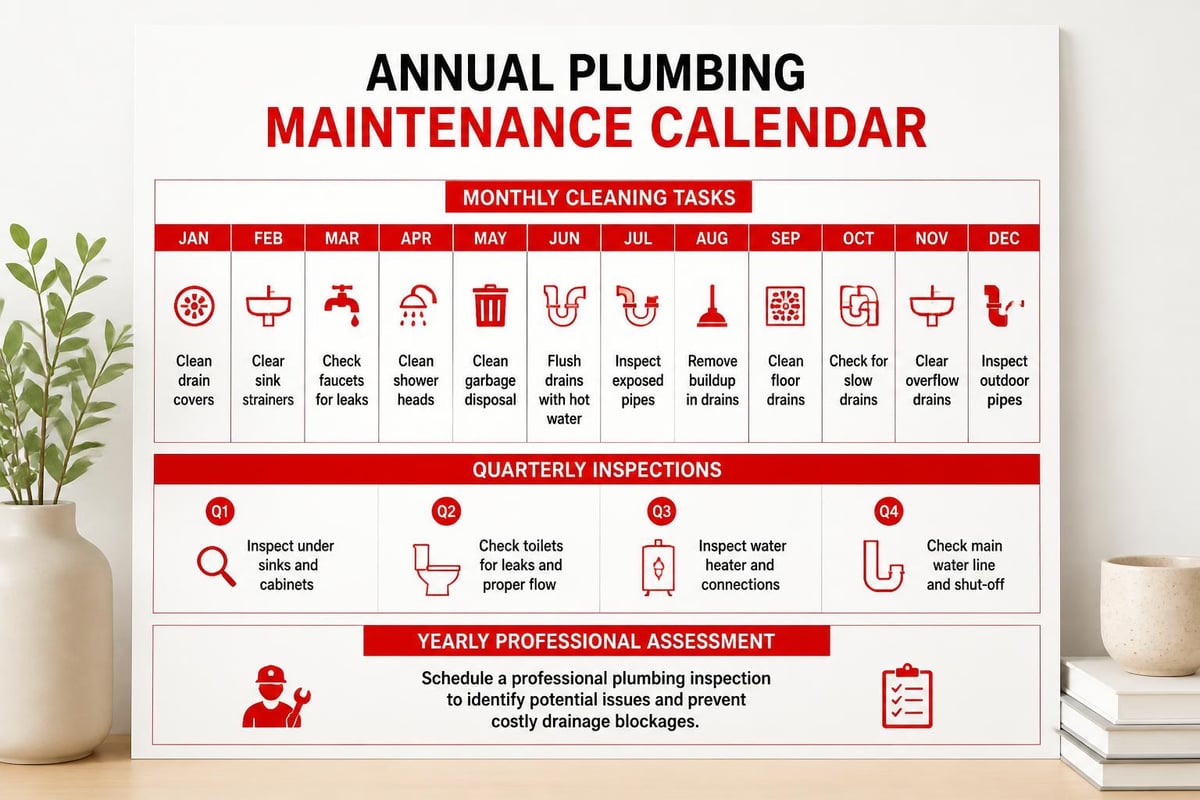
Preventing toilet and shower clogged scenarios requires consistent maintenance habits. Install drain covers in showers to catch hair before it enters the drainage system. Clean these covers weekly and dispose of collected hair in household waste rather than washing it down drains.
Monthly, pour boiling water down shower drains to dissolve soap residue and grease build-up. Follow with a mixture of bicarbonate of soda and vinegar-a natural cleaning combination that breaks down organic matter without damaging pipes.
Responsible Flushing Habits
Only human waste and toilet paper should go down toilets. Avoiding common flushing mistakes significantly reduces blockage risk. Even products labelled "flushable" often don't disintegrate sufficiently in UK plumbing systems and contribute to fatbergs in municipal sewers.
Educate all household members about proper disposal methods. Keep a small bathroom bin for items like cotton buds, dental floss, wipes, and sanitary products. Though convenient to flush these items, they cause substantial plumbing problems over time.
| Item | Safe to Flush? | Alternative Disposal |
|---|---|---|
| Toilet Paper | Yes | N/A |
| "Flushable" Wipes | No | Bathroom bin |
| Cotton Products | No | Household waste |
| Dental Floss | No | General rubbish |
| Medication | No | Pharmacy take-back programmes |
| Fats and Oils | No | Cool, solidify, bin |
Annual Professional Inspections
Schedule yearly drainage inspections with qualified plumbers, particularly for older properties. Professional assessments identify developing issues before they become emergencies. During inspections, plumbers can check for early signs of root intrusion, pipe deterioration, and gradual blockage formation.
For properties with mature trees nearby, consider regular root treatment programmes. Professional plumbers can apply root-killing foams that prevent root growth in sewer lines without harming trees themselves.
Understanding Kent's Hard Water Impact
Limescale Accumulation
Kent's water supply contains high mineral content, classified as hard or very hard across most areas. Whilst safe for consumption, hard water creates limescale deposits throughout plumbing systems. Over years, these deposits narrow pipe diameters and create rough interior surfaces where debris catches more easily.
Shower drains particularly suffer from limescale combined with soap scum and hair. This combination forms rock-hard blockages resistant to standard clearing methods. Regular descaling treatments help prevent serious accumulation.
Whole-House Water Softeners
Installing water softening systems reduces limescale formation throughout your plumbing. Whilst requiring initial investment, softeners extend pipe lifespan, improve appliance efficiency, and reduce blockage frequency. For homeowners in Rochester, Gravesend, and surrounding areas where hard water is prevalent, softeners offer long-term value.
However, softened water shouldn't be used for drinking or cooking without mineralisation systems. Most installations provide separate taps for unsoftened drinking water whilst treating water for bathrooms and appliances.
Seasonal Considerations for Kent Properties
Winter Challenges
Cold weather presents unique drainage challenges. Frozen vent pipes can create pressure imbalances causing fixtures to drain slowly or back up. External drain covers may freeze shut, preventing access during emergencies. Additionally, ground movement from freeze-thaw cycles can shift or crack older clay pipes.
During cold snaps, insulate external pipes and vent outlets. Keep cabinet doors under sinks open to allow warm air circulation around pipes. If temperatures drop significantly, let taps drip overnight to maintain water movement and prevent freezing.
Autumn Leaf Management
Falling leaves don't just affect gutters-they can enter drainage systems through external grates and vent pipes. Once wet, leaves form dense mats that block water flow. Regularly clear leaves from external drain covers, especially after storms.
Consider installing grate guards on external drainage points to prevent leaf entry whilst allowing water flow. These simple additions significantly reduce autumn blockage incidents.
Modern Plumbing Solutions
CCTV Drain Surveys
Technology has revolutionised drainage diagnostics. CCTV surveys involve inserting small waterproof cameras into drain systems, providing real-time footage of pipe interiors. These inspections identify exact blockage locations, pipe damage, and potential future problem areas without excavation.
For properties experiencing recurring drainage issues, CCTV surveys provide definitive answers. The footage shows whether roots have penetrated pipes, if joints have separated, or if pipes have collapsed-information essential for planning effective permanent solutions.
Pipe Relining Technologies
When drainage surveys reveal damaged pipes, traditional solutions involved extensive excavation and replacement. Modern pipe relining offers less disruptive alternatives. This process inserts resin-coated sleeves into existing pipes which then cure to form new, seamless pipe linings.
Relining works particularly well for root-damaged pipes and eliminates joints where roots typically penetrate. The process typically completes within a day with minimal property disruption and often costs less than full pipe replacement.
When dealing with plumbing challenges, having access to flexible financial solutions can make addressing problems more manageable. For homeowners considering comprehensive plumbing system upgrades or boiler replacements alongside drainage repairs, exploring financing options through reputable providers can help spread costs whilst ensuring your property receives necessary improvements without delay.

The Connection Between Heating and Drainage Systems
Condensate Pipe Blockages
Modern condensing boilers produce wastewater through condensate pipes. When these pipes freeze or become blocked, boilers shut down as safety measures. Interestingly, some homeowners mistake condensate issues for general drainage problems, especially if the condensate pipe connects to the same external drain as bathroom waste.
If your toilet and shower clogged coincides with boiler failure, check whether the condensate pipe has frozen. This common winter issue affects many Kent properties with external condensate pipes. Thawing the pipe with warm (not boiling) water often resolves both drainage and heating concerns simultaneously.
Whole-House Plumbing Assessments
Professional plumbing services should evaluate your entire water and waste system together. Drainage issues sometimes indicate broader plumbing problems affecting both waste removal and fresh water supply. Comprehensive assessments identify interconnected issues that piecemeal repairs might miss.
For properties built before modern plumbing standards, combined heating and drainage surveys reveal whether upgrading one system necessitates modifications to others. This holistic approach prevents situations where fixing drainage creates unforeseen heating complications or vice versa.
Emergency Preparedness
Essential Tools and Supplies
Every Kent homeowner should maintain basic plumbing emergency supplies. A quality plunger, bucket, old towels, rubber gloves, and a torch provide immediate response capability when problems arise outside normal business hours. Keep these items accessible-stored under bathroom sinks or in utility cupboards.
Additionally, know your stopcock location. If drainage backups threaten to overflow, shutting off water supply prevents additional water entering the system. Tag your stopcock clearly so any household member can locate it quickly during emergencies.
Creating an Action Plan
Develop a family emergency plan for plumbing failures. List contact details for emergency plumbers, water authority, and insurance providers. Photograph your drainage system layout, including inspection chamber locations and pipe routes if known. During emergencies, this documentation helps professionals respond more efficiently.
Consider creating a simple priority list: what actions to take immediately, what can wait for professional help, and who to contact in various scenarios. Understanding when DIY methods suffice versus when professional intervention is essential prevents dangerous situations from escalating.
Insurance and Documentation Considerations
Claiming for Drainage Damage
Many home insurance policies cover damage resulting from drainage failures but exclude the cost of clearing blockages themselves. Understanding your policy terms before emergencies occur prevents unwelcome surprises during stressful situations.
Document everything when toilet and shower clogged incidents cause property damage. Photograph affected areas, keep receipts for emergency repairs, and maintain records of professional assessments. This documentation supports insurance claims and provides evidence if disputes arise.
Drainage Legal Responsibilities
Property owners hold responsibility for private drains serving their property up to the boundary where they connect to public sewers. Beyond that point, water authorities manage maintenance and repairs. However, determining exact responsibility boundaries can prove complex, particularly in older developments with shared drainage infrastructure.
If multiple properties share drainage sections, establishing maintenance responsibilities requires careful review of property deeds and historical arrangements. For properties in Rochester and Gravesend built before 2011 when drainage responsibility regulations changed significantly, consulting experienced local plumbers familiar with regional drainage systems provides valuable clarity.
Long-Term Property Protection
Drainage System Upgrades
Properties with recurring drainage issues benefit from system upgrades rather than repeated temporary fixes. Modern drainage materials resist root intrusion, handle higher flow volumes, and last significantly longer than systems installed 30-40 years ago.
Upgrading from clay to PVC pipes, installing additional inspection chambers for easier access, and separating combined drainage systems into dedicated waste and surface water lines all improve reliability. Whilst requiring initial investment, these improvements add property value and eliminate chronic drainage frustrations.
Garden and Landscaping Considerations
Strategic landscaping protects drainage systems. Plant trees and large shrubs away from sewer lines-minimum distances of 3-5 metres depending on species. Consult landscaping guides or local drainage specialists before planting to avoid creating future problems.
Root barriers installed during landscaping projects prevent established trees from threatening underground pipes. These physical barriers redirect root growth away from vulnerable infrastructure whilst allowing trees to thrive.
Signs Your Drainage Needs Professional Attention
Watch for warning signs before complete blockages develop:
- Slowly draining fixtures throughout the house
- Frequent need for plunging despite careful usage
- Foul odours from drains or around inspection chambers
- Wet patches in gardens near drainage runs
- Unexplained increases in water bills suggesting leaks
Early intervention addresses developing problems whilst they remain manageable and affordable. Ignoring warning signs often results in emergency situations requiring urgent, costly repairs.
Understanding why your toilet and shower clogged simultaneously empowers you to take appropriate action and prevent future occurrences through proper maintenance and responsible usage habits. When drainage issues affect your Kent property, whether minor blockages or major system failures, professional expertise ensures safe, effective resolution whilst protecting your home from water damage. Castle Heating Kent brings over 20 years of experience addressing heating and plumbing challenges across Rochester, Gravesend, and throughout Kent, with Gas Safe registered engineers ready to restore your property's comfort and functionality. Contact our team for reliable drainage solutions backed by positive customer reviews and professional service you can trust.

