
22mm Honeywell Zone Valve Guide: Expert Tips for 2026
Efficient heating control is becoming essential for modern UK homes, especially as we approach 2026. The 22mm honeywell zone valve stands out as a trusted choice for achieving precise central heating management in both new and existing systems.
By following expert tips and the latest industry guidance, homeowners and installers can ensure reliability, maximise energy savings, and extend system lifespan. Understanding the right approach makes all the difference.
This article is your definitive 2026 guide to the 22mm honeywell zone valve, covering how to select, install, troubleshoot, and maintain this vital component.
We will explore zone valve basics, choosing the ideal model, installation steps, wiring advice, troubleshooting, maintenance best practices, and future trends in heating control.
Understanding 22mm Honeywell Zone Valves: Core Functions and Benefits
Efficient heating control is essential for every modern UK home. The 22mm honeywell zone valve stands out as a core component in achieving both precision and reliability. By separating your heating system into zones, this valve enables targeted warmth, helping households save energy and extend system life.
What Is a 22mm Honeywell Zone Valve?
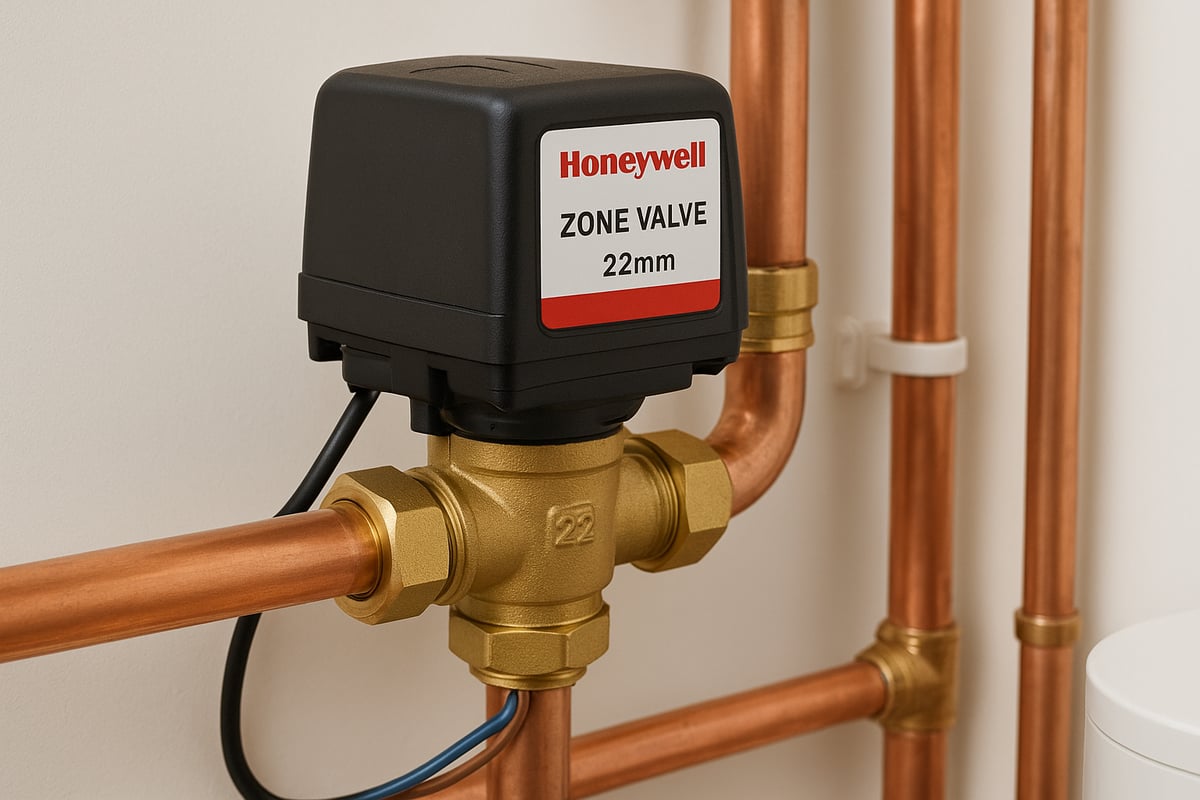
A 22mm honeywell zone valve is a motorised device installed in central heating systems to control the flow of water to specific areas or "zones" within a property. The 22mm size is designed for compatibility with standard UK pipework, making it the most common choice for homes with mid-sized heating circuits.
The Honeywell V4043H series has set the industry benchmark for reliability and performance. It features a two-port, normally closed design. This means the valve remains shut when unpowered, only opening when a room thermostat or programmer calls for heat. This design improves safety and system efficiency by ensuring water flows only when required.
These valves are suitable for both domestic and light commercial use. They provide the flexibility needed for modern heating layouts, whether you are zoning upstairs and downstairs or managing multiple areas in a larger property.
Below is a summary of the popular V4043H1056/U model's technical specifications:
| Feature | Specification |
|---|---|
| Pipe Size | 22mm Compression |
| Powerhead | 1m Flying Lead |
| Max Temperature | 50°C |
| Max Pressure | 8.6 bar |
| Valve Type | 2-port, Normally Closed |
The 22mm honeywell zone valve is often chosen due to its straightforward installation and the broad compatibility with existing UK systems. For detailed installation and wiring diagrams, refer to the official Honeywell V4043H Installation Instructions.
Key Benefits of Honeywell Zone Valves
The 22mm honeywell zone valve delivers a range of practical benefits for homeowners and installers alike. Its motorised operation ensures precise control over each heating zone. This targeted approach means you only heat the spaces you need, resulting in greater energy efficiency and cost savings.
Honeywell valves are known for their quiet performance and minimal power consumption. Their replaceable powerhead design allows for easy maintenance, reducing downtime and expense if repairs are needed.
Safety remains a top priority. Each 22mm honeywell zone valve is equipped with a spring return mechanism and end switches. These features work together to guarantee that the boiler and pump operate only when the valve is fully open, protecting the system and improving overall safety.
A typical customer review captures the reliability of this product: “Rarely go wrong and easy to swap out if they do.” The integration of end switches enables safe sequencing of your boiler and pump, offering further peace of mind.
For both new installations and upgrades, the 22mm honeywell zone valve remains a trusted solution for achieving efficient, zoned heating control.
Choosing the Right 22mm Honeywell Zone Valve for Your System
Selecting the best 22mm honeywell zone valve is crucial for reliable heating performance in your home. The right choice ensures efficient zoning, energy savings, and seamless integration with modern controls. Homeowners and installers must weigh several factors to match the valve to their system’s unique requirements.
Factors to Consider Before Buying
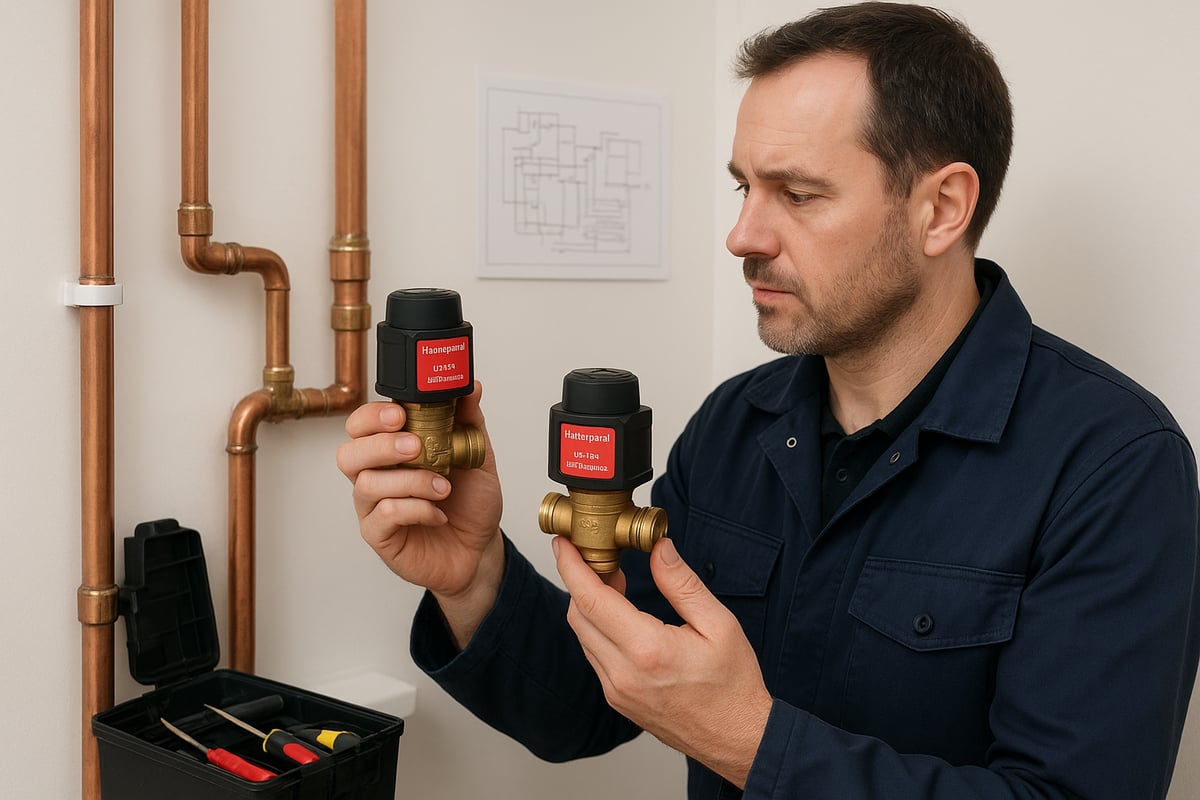
Before purchasing a 22mm honeywell zone valve, check your existing pipework. Most UK domestic systems use 22mm copper pipes for mid-sized properties. Ensuring the correct valve size prevents leaks and guarantees compatibility.
Next, assess how many heating zones your property requires. Each zone needs its own valve for precise temperature control. For example, a two-storey home often benefits from at least two zones, one for each floor.
Compatibility with your boiler and heating controls is essential. Confirm the valve supports your system, especially if you use smart thermostats or plan to upgrade. Always review the valve’s maximum temperature and pressure ratings to match your boiler’s output.
Electrical requirements and wiring must also be checked. Honeywell’s V4043H series offers a 1m flying lead, making installation easier. Choose between normally closed (V4043H) or normally open (V4043B) models based on your system—solid fuel setups might need a different configuration.
Warranty and after-sales support are also important. Honeywell valves typically come with a one-year guarantee, offering peace of mind. For help with integration and professional fitting, consult central heating installation services to ensure a smooth process.
Honeywell V4043H vs Competitors
Comparing the 22mm honeywell zone valve to other brands helps you understand its unique benefits. Honeywell’s V4043H is renowned for reliability, energy efficiency, and a replaceable powerhead that simplifies maintenance.
Below is a summary table comparing popular models:
| Feature | Honeywell V4043H | Drayton ZA5 | Siemens MA-V222 |
|---|---|---|---|
| Pipe Size | 22mm | 22mm | 22mm |
| Replaceable Powerhead | Yes | No | No |
| Spring Return | Yes | Yes | Yes |
| End Switch for Sequencing | Yes | Yes | Yes |
| Max Temp/Pressure | 50°C / 8.6 bar | 52°C / 8.6 bar | 52°C / 8.6 bar |
| Typical Price (ex. VAT) | £86.61 | £78 | £81 |
| User Rating (Trustpilot) | 4.3/5 | 4.0/5 | 3.9/5 |
| Availability UK | Excellent | Good | Good |
The 22mm honeywell zone valve stands out for its quiet operation and minimal power consumption. Its end switch feature ensures safe sequencing of the boiler and pump, preventing system damage.
Customer reviews frequently praise the V4043H for reliability and ease of replacement. Sourcing is straightforward, with most reputable UK plumbing suppliers stocking Honeywell valves. When comparing cost, weigh the long-term savings from fewer breakdowns and easier repairs.
When to Replace or Upgrade an Existing Valve
Knowing when to replace your 22mm honeywell zone valve can prevent larger system issues. Common signs include leaks, unusual noises, or a zone not heating as expected. If your valve is over a decade old, it may be less efficient or at risk of failure.
Modern heating controls and zoning requirements may also prompt an upgrade. For example, installing a smart thermostat or expanding your heating zones can require a new, compatible valve.
Often, replacing just the powerhead is enough if the valve body is intact. Homeowners appreciate the simplicity—one review states, “Exact replacement did exactly what I needed it to do—good quality.” Always consult a professional if you’re unsure whether repair or full replacement is best.
Step-by-Step Installation Guide for 22mm Honeywell Zone Valves
Installing a 22mm honeywell zone valve is a practical way to enhance your central heating system’s control and efficiency. With careful preparation and attention to detail, both homeowners and professionals can achieve a reliable installation. This guide breaks down the process into manageable steps, ensuring each stage is clear and safe.
Preparation and Safety
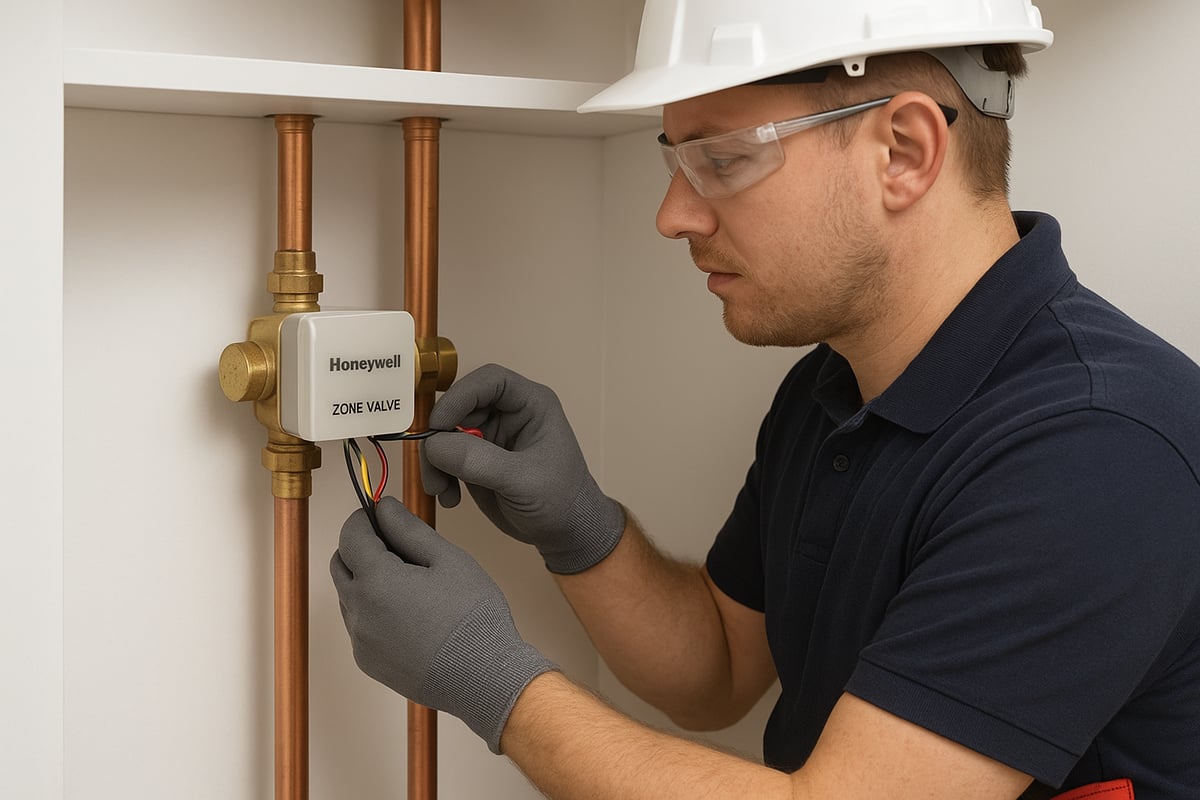
Before you begin working with a 22mm honeywell zone valve, always prioritise safety. Start by switching off the mains power to the heating system. Confirm that the system is fully isolated to prevent accidental electrical contact.
Next, gather all necessary tools and materials. You will need:
- Pipe cutter
- Adjustable spanner
- Compression fittings (22mm)
- Heat-resistant cable
- Screwdrivers
- Wiring tools
- PTFE tape
- Towels or a bucket for any residual water
Drain the relevant section of the heating system if you need to cut into the pipework. Review the manufacturer’s instructions and technical datasheets for your 22mm honeywell zone valve, as details can vary between models.
Regular boiler servicing is essential for both safety and system reliability. For more on this, see our boiler service and maintenance guidance. Preparation ensures a smooth and safe installation process.
Removing an Old Valve
If you are replacing an existing 22mm honeywell zone valve, first identify the correct valve by tracing the pipework from your zone manifold. Confirm the valve type and size match your system requirements.
Turn off the heating system and double-check that the power is isolated. Disconnect the electrical wiring, labelling each wire if needed to aid reinstallation. Many modern 22mm honeywell zone valve models have a removable powerhead, meaning you can replace the actuator without draining the entire system.
Use an adjustable spanner to loosen the 22mm compression fittings. Be ready with towels to catch any drips. Carefully slide the old 22mm honeywell zone valve out of position, taking care not to damage the copper pipework. Remove any old PTFE tape or debris from the fittings to ensure a clean surface for the new valve.
Installing the New Honeywell Valve
Check the flow direction arrow on your 22mm honeywell zone valve and align it with the system’s intended flow. Slide the valve into place, connecting the 22mm compression fittings to the prepared pipework. Tighten the fittings evenly to achieve a watertight seal.
Connect the wiring according to Honeywell’s colour code. Typically, brown is live, blue is neutral, and the grey and orange wires control valve operation and end switch. Secure all connections with heat-resistant cable ties and ensure no wires are exposed.
Refer to the wiring diagram supplied with your 22mm honeywell zone valve to avoid mistakes. If your model features a flying lead, allow enough slack for future maintenance. Double-check each connection before proceeding.
Filling and Testing the System
Once your 22mm honeywell zone valve is installed, refill the heating system slowly. Open the fill loop and monitor for leaks at each compression joint. If any leaks are found, isolate the system and tighten the relevant fitting.
Bleed air from the radiators to prevent trapped air from affecting performance. With the system full, restore power and test the zone valve’s operation. Use your thermostat and programmer to command the valve—observe that it opens and closes smoothly, usually within six seconds due to the spring return mechanism.
Check the end switch function to ensure the boiler and pump activate only when required. A properly installed 22mm honeywell zone valve will operate quietly and reliably, providing targeted heating for each zone.
Common Installation Pitfalls and How to Avoid Them
Even experienced installers can encounter issues with a 22mm honeywell zone valve. Common pitfalls include incorrect wiring, which can prevent the valve from opening or closing, or even damage the actuator. Always double-check your wiring against the manufacturer’s diagram.
Overtightening compression fittings may damage the valve or pipework, while undertightening can cause leaks. Aim for a firm, even seal. Installing the valve in the wrong orientation will affect system flow and efficiency.
Never work on electrical connections without isolating the power supply. For best results, consider using Hep2O or Plumbright fittings for reliable, leak-free joints. Taking these precautions will ensure your 22mm honeywell zone valve installation is efficient and trouble-free.
Wiring and Integration with Heating Controls
Wiring and integrating a 22mm honeywell zone valve correctly is essential for safe, efficient heating control. Whether you are connecting a new valve to a standard programmer or integrating with smart systems, understanding the wiring process is crucial. This section explains the essential wiring principles, how to integrate with thermostats, troubleshooting tips, and compliance requirements for UK homes.
Understanding Honeywell Wiring Schematics
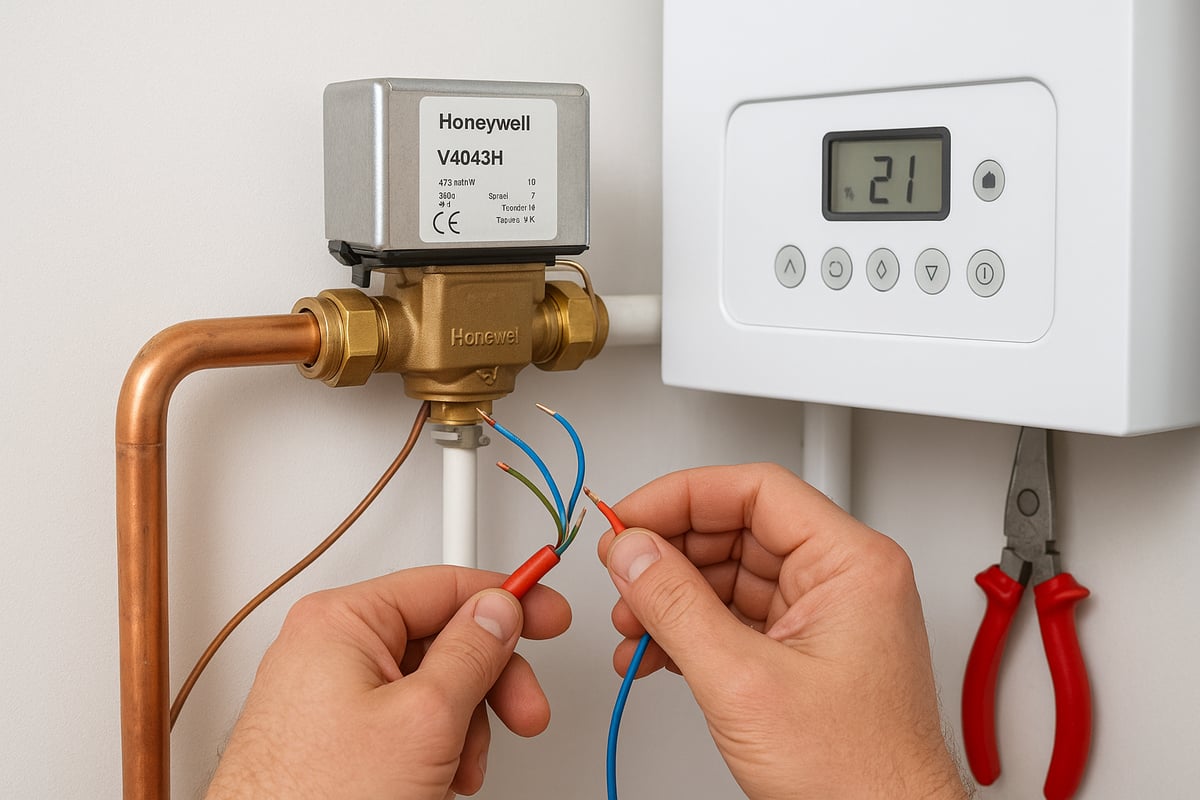
The 22mm honeywell zone valve uses a clear, colour-coded wiring scheme, making installation straightforward. Typically, the V4043H model features a 1-metre flying lead with four wires: brown, blue, orange, and grey. Each wire serves a specific function, as summarised below:
| Wire Colour | Function |
|---|---|
| Brown | Live (opens valve) |
| Blue | Neutral |
| Orange | Switch live to boiler/pump |
| Grey | Permanent live (end switch) |
This valve is designed as a two-port, normally closed device, ensuring flow only occurs when needed. The end switch inside the 22mm honeywell zone valve safely triggers the boiler or pump once the valve is fully open. For S-plan systems, each zone valve is wired in parallel, allowing independent control. Y-plan systems, though less common with two-port valves, require careful integration.
Always refer to Honeywell’s official schematics and technical datasheets for the 22mm honeywell zone valve during installation.
Connecting to Room Thermostats and Programmers
The 22mm honeywell zone valve is frequently paired with programmable thermostats and room controllers for precise heating management. When connecting to a Honeywell T6360B or similar thermostat, ensure the live feed from the programmer passes through the thermostat, then to the brown wire of the zone valve. This setup allows the valve to respond to room temperature demands directly.
For modern installations, smart thermostats are increasingly popular, offering remote scheduling and energy analytics. If you are considering smart integration, review Smart heating controls guidance for compatibility and wiring advice. The 22mm honeywell zone valve is compatible with most smart systems, provided the switching logic matches the standard S-plan configuration.
Carefully label all connections, and use heat-resistant cable for safety and reliability.
Troubleshooting Wiring Issues
Incorrect wiring can lead to the 22mm honeywell zone valve failing to open, the boiler not firing, or the system behaving unpredictably. Common mistakes include swapped live/neutral wires or misconnected end switches. Symptoms often include a silent valve, constant heating, or no response to thermostat commands.
To diagnose issues, use a multimeter to check voltage at each wire. Verify continuity across the end switch when the valve opens. Refer to Honeywell datasheets for advanced fault finding, especially if integrating with complex controls.
If the 22mm honeywell zone valve is not operating as expected, double-check all wiring against the manufacturer’s diagram and ensure connections are secure and free from corrosion.
Safety and Compliance Considerations
Electrical work on heating systems must comply with UK Part P regulations. Only attempt wiring a 22mm honeywell zone valve if you are confident in your skills and understand the risks. Always isolate mains power before starting work, and use a voltage tester to confirm.
For integrated systems or when in doubt, consult a qualified heating engineer. Gas Safe registered engineers are recommended for installations involving both electrical and gas components. Proper compliance not only ensures safe operation but also protects your warranty and home insurance.
By following these guidelines, you can ensure your 22mm honeywell zone valve is wired safely and reliably, supporting efficient heating control throughout your property.
Troubleshooting and Maintenance: Expert Tips for 2026
Maintaining a 22mm honeywell zone valve is essential for ensuring your central heating system operates smoothly and efficiently. Even the most reliable zone valves can occasionally develop issues, so understanding how to troubleshoot and maintain these components will help you avoid unexpected breakdowns and costly repairs.
Common Problems and Solutions
Even robust models like the 22mm honeywell zone valve can experience occasional faults. The most common problems include the valve getting stuck open or closed, noisy operation, leaks at compression joints, and end switch failures.
Here is a quick troubleshooting summary:
| Problem | Possible Cause | Solution |
|---|---|---|
| Valve stuck open/closed | Motor failure, debris | Replace powerhead, clean valve |
| Noisy operation | Motor wear, grit | Lubricate or replace motor |
| Leaks at joints | Loose fitting, old washer | Re-tighten or replace washer |
| End switch not activating | Electrical fault | Check wiring, replace switch |
Most issues can be resolved by replacing the powerhead, which is designed for easy swap-out. A common customer review notes, “Rarely go wrong and easy to swap out if they do,” highlighting the practical design of the 22mm honeywell zone valve.
Routine Maintenance Best Practices
Regular maintenance is key to extending the life of your 22mm honeywell zone valve. Schedule an annual inspection before the heating season begins. Test the valve operation by running the heating and checking for smooth, quiet movement.
- Inspect for leaks around compression joints.
- Clean any visible debris from the valve body and surrounding pipework.
- Lubricate moving parts if specified in the manufacturer’s instructions.
Testing the end switch and ensuring the powerhead is functioning properly will keep your heating system reliable. If you notice sluggish performance, early attention can prevent more serious failures affecting the 22mm honeywell zone valve.
When to Replace vs Repair
Deciding between repair and replacement depends on the age and condition of your 22mm honeywell zone valve. Typically, the powerhead lasts 5 to 10 years, and replacing it is often more cost-effective than fitting a whole new valve.
Consider replacement if:
- The valve is over 10 years old.
- Multiple failures have occurred.
- There is visible corrosion or persistent leaks.
For single issues like a failed motor, a powerhead replacement usually restores full function. If the valve body itself is damaged, a complete replacement of the 22mm honeywell zone valve is recommended.
Sourcing Genuine Honeywell Spares
Using genuine parts is vital for maintaining the reliability of your 22mm honeywell zone valve. Look for official Honeywell markings and buy only from trusted UK suppliers to avoid counterfeits. The unique replaceable powerhead feature of the Honeywell V4043H is a sign of authenticity.
Check packaging for the correct model number and warranty details. If in doubt, consult Honeywell’s technical documentation or your heating engineer before making a purchase.
Professional Help and Support
While many homeowners are comfortable with basic maintenance, more complex issues with a 22mm honeywell zone valve should be handled by professionals. Gas Safe registered engineers are recommended for integrated heating systems, especially with the new Heat Networks Regulation 2026 setting higher standards for installation and maintenance.
If you are unsure about wiring, end switch faults, or compliance with electrical safety standards, do not hesitate to consult a qualified engineer. Honeywell’s technical support and official guides are also valuable resources for troubleshooting your 22mm honeywell zone valve.
Future-Proofing Your Heating System: Trends and Innovations for 2026
Looking to future-proof your heating system? As we approach 2026, the landscape for the 22mm honeywell zone valve is changing rapidly. Homeowners and installers need to stay ahead by embracing the latest trends, innovations, and regulations. This section explores how you can ensure your central heating remains efficient, smart, and compliant for years to come.
Smart Controls and Zoning Integration
Smart controls are transforming how the 22mm honeywell zone valve works in modern homes. Integrating zone valves with smart thermostats like Hive or Nest enables precise, room-by-room temperature control. This allows you to adjust heating schedules remotely, receive energy analytics, and respond to changing needs quickly.
Many homeowners now expect compatibility between their 22mm honeywell zone valve and smart devices. Before upgrading, always check your smart thermostat’s support for motorised zone valves. For more information on how smart thermostats can enhance your system, see the Benefits of installing a smart thermostat.
These integrations not only improve comfort but can also reduce running costs, making your heating system fit for the future.
Energy Efficiency and Government Regulations
With new government regulations on the horizon, zoning is set to become even more important for the 22mm honeywell zone valve. The UK’s 2026 standards focus on reducing carbon emissions and improving energy efficiency in domestic properties.
Zoned heating, using the 22mm honeywell zone valve, enables targeted warmth only where and when it is needed. According to recent data, zoned systems can cut energy use by up to 20 percent. Homeowners should stay informed about compliance requirements and best practices.
For an in-depth look at policy and zoning, visit the Heat Network Zoning Overview, which explains how government initiatives are shaping the future of heating systems.
Advances in Valve Technology
Technological progress is bringing exciting changes to the 22mm honeywell zone valve. Manufacturers are introducing new materials that enhance durability and prevent leaks, while motors are becoming quieter and faster.
A quick comparison of past and present features is shown below:
| Feature | Traditional Valves | Next-Gen Valves |
|---|---|---|
| Motor Noise | Moderate | Very Quiet |
| Diagnostics | Manual | Self-Testing |
| Materials | Standard Brass | Advanced Alloys |
| Power Consumption | Higher | Lower |
These upgrades make the 22mm honeywell zone valve more reliable and easier to maintain, supporting both installers and homeowners in the long term.
Sustainability Considerations
Sustainability is now a priority for every heating upgrade. The latest 22mm honeywell zone valve models use recyclable materials and are designed for low power consumption. This helps reduce the environmental impact while keeping energy bills in check.
Look for products with WRAS and Kitemark approvals, which confirm high standards of safety and quality. Choosing a 22mm honeywell zone valve with eco-friendly credentials demonstrates a commitment to both performance and the planet.
Planning for Future Upgrades
Thinking ahead is crucial when investing in your heating system. The 22mm honeywell zone valve is designed to be adaptable, allowing you to integrate new controls, sensors, or zoning features as technology evolves.
Homeowners should prioritise reputable brands and verify ongoing support for future upgrades. Investing in a reliable 22mm honeywell zone valve ensures your system remains efficient and up-to-date, no matter how the market or regulations change.
Frequently Asked Questions About 22mm Honeywell Zone Valves
Choosing the right 22mm honeywell zone valve can raise many questions, especially with evolving UK heating standards. Here are answers to the most common queries from homeowners and installers.
What’s the difference between 2-port and 3-port valves?
A 2-port valve, like the 22mm honeywell zone valve, controls flow to a single heating zone. In contrast, a 3-port valve manages two zones, usually heating and hot water, from one valve. Here’s a quick table:
| Valve Type | Function | Common Use |
|---|---|---|
| 2-port | Isolates one zone | Zoned heating systems |
| 3-port | Diverts between circuits | S-plan/Y-plan systems |
How do I know if my system needs a 22mm valve?
Most UK homes with mid-sized pipework (22mm) will use this standard. Check your pipe diameter and system design. The 22mm honeywell zone valve is compatible with typical domestic and light commercial setups.
Can I replace the powerhead without draining the system?
Yes, on many models, including the popular V4043H series, you can swap the powerhead without draining the system. This saves time and reduces disruption during repairs.
What’s the typical lifespan of a Honeywell zone valve?
A well-maintained 22mm honeywell zone valve usually lasts between 5 and 10 years. Regular inspection and prompt replacement of worn parts can extend its service life.
How do I tell if my valve is faulty?
Common signs include zones not heating, unusual noises, or leaks at the valve. If the end switch fails, your boiler or pump may not activate. Refer to Honeywell’s technical datasheets or use a multimeter to check wiring.
Are Honeywell valves compatible with all UK boilers?
They are designed for broad compatibility with most UK boilers and control systems. Always verify with your boiler manual, especially as new regulations, such as those outlined in the Future Homes Standard 2025, may influence system requirements.
Where can I find wiring diagrams and technical support?
Wiring diagrams are included in the product box and available on Honeywell’s official website. For advanced queries, Honeywell technical support offers detailed guidance.
Now that you have a clearer understanding of how 22mm Honeywell zone valves can improve your heating system’s efficiency and reliability, you might be considering the next steps for your home in Kent. Whether you’re planning an upgrade, looking for expert installation, or simply want advice tailored to your property, it’s reassuring to know you don’t have to tackle these decisions alone. At Castle Heating Kent, we combine years of specialised experience with a commitment to keeping your home comfortable and energy efficient. If you’re ready for peace of mind and professional results, Keeping Homes in and around kent Warm, Dry & Flowing Book with castle heating kent.

