
Baxi Guide: Expert Tips for Home Heating in 2026
With energy prices climbing and environmental regulations tightening in 2026, efficient home heating is more crucial than ever. Homeowners are searching for ways to keep their living spaces comfortable without wasting resources or overspending.
This expert guide will show you how to optimise your home heating using baxi solutions. We aim to empower you to make smart choices about heating systems, maintenance, and potential upgrades.
Discover the advantages of baxi boilers, explore new technologies, get practical installation and maintenance tips, and learn energy-saving strategies for a sustainable future.
Why Choose Baxi for Home Heating in 2026?
When it comes to home heating in 2026, few names carry as much weight as Baxi in the UK market. Homeowners value reliability and peace of mind, especially as energy costs rise and regulations tighten. Baxi’s reputation has been built over decades, with consistent investment in technology and customer support. This commitment keeps Baxi at the forefront for those seeking a dependable and innovative heating solution.
One of the standout reasons to choose Baxi is its impressive range of features. Baxi boilers are designed with energy efficiency in mind, often achieving high ErP ratings that translate into real savings on your energy bills. Models are built to last, with many owners reporting over 10 years of reliable service. Whether you need a combi, system, or heat only boiler, Baxi offers a diverse portfolio to suit all property sizes and requirements. You can explore Baxi's energy-efficient boiler range to see how their latest innovations are tailored for modern, energy-conscious homes.
Comparing Baxi to other leading brands like Vaillant, Worcester, and Ideal, you will find Baxi consistently performs at a high standard. Customer satisfaction remains strong, and Baxi’s focus on low-emission, hydrogen-ready boilers ensures future-proofing for evolving heating regulations. The company’s environmental credentials are reflected in models that support reduced carbon footprints, helping homeowners stay ahead of upcoming policies.
Let’s look at some of the most popular Baxi models for 2026. The Baxi 800 Combi 2 and Baxi 400 series are frequently chosen for their balance of performance and affordability. With price points ranging from £729.59 to £1,607.99, Baxi boilers offer excellent value, especially when you consider the long-term savings from their efficient operation. Many models come with accessories such as system filters and wireless thermostats, maximising comfort and efficiency for all types of homes.
Warranty and aftercare are crucial factors in any boiler investment. Baxi stands out with its robust service network, making it easy to find support when you need it. While some competitor content notes a lack of Trustpilot reviews, the importance of a trusted service provider cannot be overstated. Baxi’s aftercare, combined with strong warranty coverage, ensures you have ongoing support throughout your boiler’s lifespan. In a rapidly changing market, choosing Baxi means investing in proven performance, sustainability, and customer care you can rely on.
Understanding Baxi Boiler Types and Choosing the Right Model
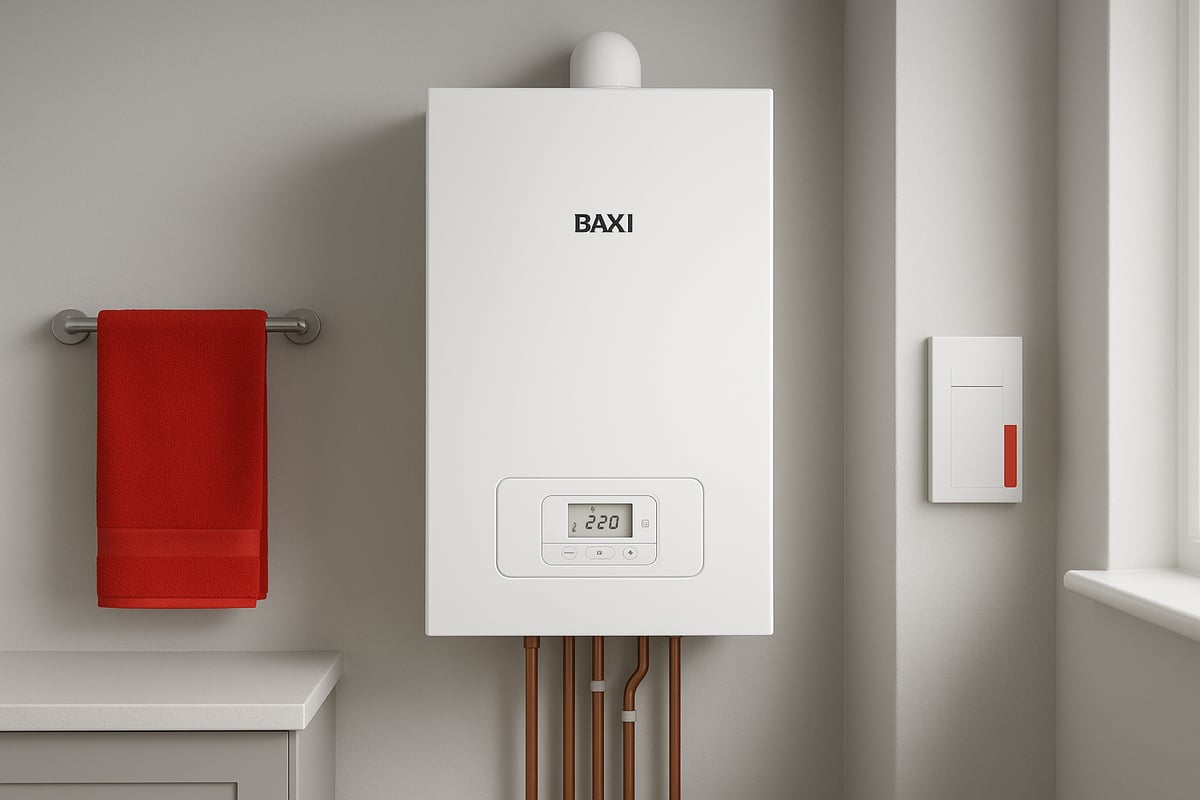
Selecting the right baxi boiler is crucial for efficient home heating in 2026. Homeowners face a wide range of options, and understanding the types available is the first step towards making an informed decision. Whether you live in a compact flat or a large family home, the right baxi boiler can ensure comfort, reliability, and cost savings.

Combi, System, and Heat Only Boilers Explained
When choosing a baxi boiler, it is important to understand the main types on offer: combi, system, and heat only. Each baxi boiler type serves different household needs and property sizes.
A combi baxi boiler, such as the Baxi 800 Combi 2 30kW, provides both hot water and central heating directly from one unit. This makes it highly popular for smaller homes or flats where space is at a premium. The absence of a separate hot water cylinder means you save valuable cupboard or loft space.
System baxi boilers require a separate hot water cylinder, making them ideal for properties with higher hot water demands, such as homes with multiple bathrooms. They deliver a consistent supply of hot water to several taps at once.
Heat only baxi boilers, sometimes called regular boilers, are best suited to traditional heating systems found in older properties. These require both a cylinder and a cold water storage tank, offering reliable heating and hot water in larger or period homes.
For example, comparing the Baxi 800 Combi 2 30kW and the Baxi 800 25kW Heat Only, you will notice the combi model is more space efficient, while the heat only version is better for homes where hot water is needed in multiple places simultaneously.
Key Considerations for Model Selection
Before installing a baxi boiler, assess your home’s specific requirements. Start by considering the size of your property and the number of bathrooms. A larger home with more bathrooms will likely need a baxi boiler with a higher kW output, while a smaller flat may only require a lower capacity unit.
Insulation quality is also important, as well-insulated homes can retain heat more effectively, allowing you to choose a less powerful baxi boiler. You should also think about how the new baxi boiler will integrate with your existing heating system and controls, particularly if you already use smart thermostats or zoning.
Future-proofing is a wise move in 2026. Many baxi models are hydrogen-ready, meaning they can adapt to upcoming changes in UK energy policy. Compatibility with smart home systems is increasingly important for both convenience and energy savings. If you are seeking more guidance on selecting an efficient, environmentally friendly boiler, consider these eco-friendly boiler selection tips.
When choosing the correct baxi boiler, always check the manufacturer’s recommended kW range (from 13kW to 36kW) to match your home’s needs. Consulting a professional installer can help ensure the model you choose is the best fit for your circumstances.
Comparing Popular Baxi Models in 2026
Baxi offers a wide selection of boilers in 2026, with the 800, 400, 600, and Assure series among the most popular. Each baxi model brings unique benefits, and comparing their features can help you find the right solution for your home.
Below is a summary of key features:
| Model | Efficiency Rating | Accessories Included | Output Range | Price Range |
|---|---|---|---|---|
| Baxi 800 Combi 2 | A (ErP) | Adey Micro2 System Filter, Wireless Thermostat | 24-36kW | £1,200–£1,600 |
| Baxi 400 Series | A (ErP) | Basic controls, optional filter | 24-28kW | £729–£1,000 |
| Baxi 600 Series | A (ErP) | Advanced controls, filter | 24-30kW | £950–£1,300 |
| Baxi Assure | A (ErP) | Compact design, optional accessories | 13-30kW | £800–£1,200 |
Customer feedback consistently highlights the reliability and efficiency of baxi boilers. Experts recommend the Baxi 800 Combi 2 for its advanced features and future-ready technology, while the 400 series remains a budget-friendly choice without sacrificing performance.
Whichever baxi boiler you choose, prioritise models with high efficiency ratings, useful accessories, and strong aftercare support. Comparing reviews and consulting with professionals can help ensure your selection meets your household’s needs for years to come.
Latest Baxi Technologies and Smart Home Integration
As the landscape of home heating evolves in 2026, baxi stands at the forefront, delivering advanced technologies that balance comfort, efficiency, and sustainability. Homeowners are increasingly demanding smarter, greener solutions to address rising energy costs and stringent regulations. Understanding the latest baxi innovations is key to making informed heating choices.
Energy Efficiency and Eco Features
Baxi leads the industry with a strong focus on energy efficiency and environmentally responsible heating. The latest baxi boilers, such as the Baxi 800 Combi 2, achieve impressive ErP A-ratings, helping households reduce both fuel consumption and carbon emissions.
Condensing technology is standard across most baxi models, capturing waste heat from exhaust gases to maximise usable energy. This not only improves efficiency but also contributes to significant long-term savings.
Baxi has embraced hydrogen-ready technology, preparing homeowners for the anticipated transition to low-carbon fuels. Select models can operate on a blend of natural gas and hydrogen, ensuring compliance with future UK energy policies. Low-NOx burners further reduce emissions, supporting cleaner air and meeting strict environmental standards.
Another standout feature is weather compensation, which automatically adjusts boiler output based on outdoor temperatures. Load compensation fine-tunes the heating in response to indoor demand, maintaining comfort while minimising waste. The Baxi 800 Combi 2 exemplifies these eco features, offering advanced modulation and user-friendly controls.
By choosing baxi, you invest in a system that not only keeps your home warm but also aligns with the latest sustainability goals.
Smart Controls and Connectivity
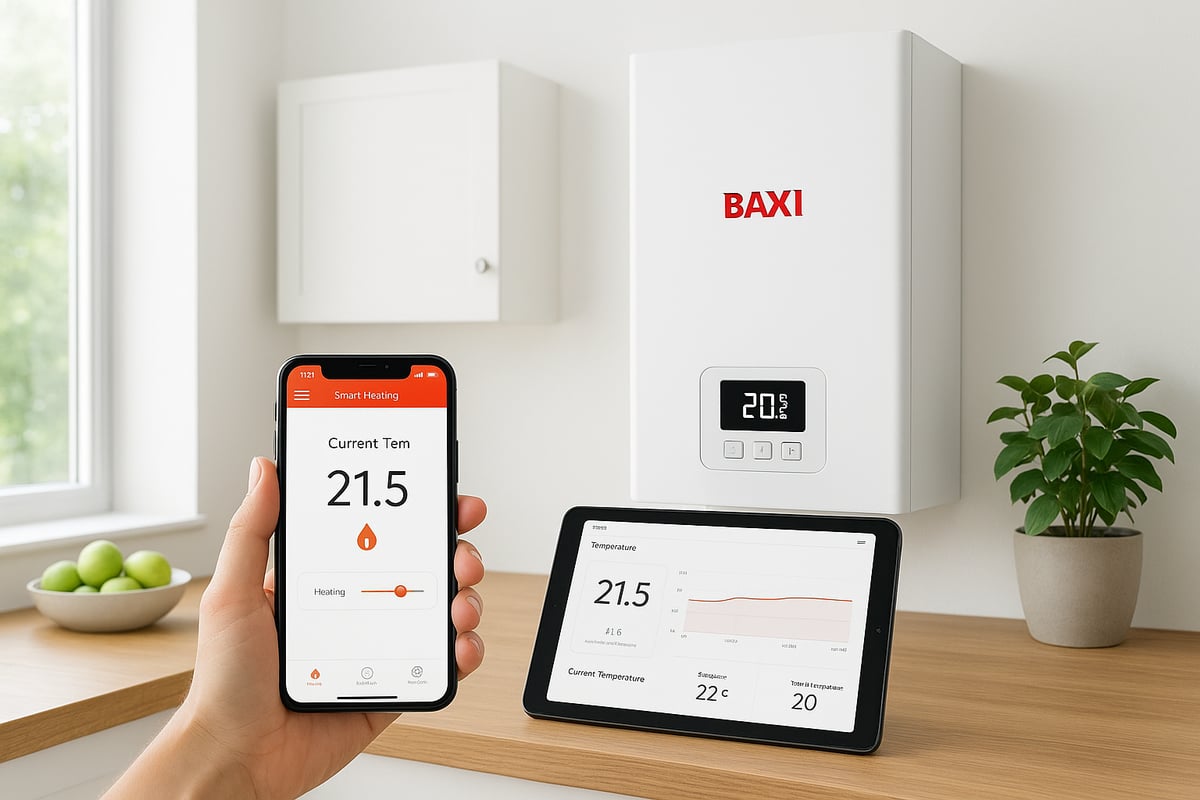
Modern baxi boilers are designed for seamless integration with smart home ecosystems, putting control directly into your hands. Wireless thermostats, programmable timers, and mobile apps allow users to manage heating from anywhere, enhancing both convenience and efficiency.
Baxi’s compatibility with leading smart thermostats means you can create personalised heating schedules, set zones for different rooms, and monitor usage in real time. This level of connectivity empowers homeowners to optimise comfort while reducing unnecessary energy use.
For example, packages such as the Adey Micro2 System Filter paired with the ProForce wireless thermostat offer comprehensive system protection and intuitive control. These solutions simplify maintenance and enable remote diagnostics, ensuring your baxi boiler operates at peak performance.
If you are interested in how smart controls can further enhance your baxi system’s efficiency, our Smart heating controls guide provides expert insights and practical advice.
Embracing baxi’s smart technology not only supports lower energy bills but also prepares your home for the future of intelligent heating.
Future-Proofing with Baxi in 2026
Baxi demonstrates a strong commitment to meeting forthcoming UK heating regulations, including hydrogen readiness and integration with renewable energy sources. Many baxi models are compatible with solar thermal panels and heat pumps, allowing homeowners to create hybrid systems that adapt as energy needs evolve.
Choosing baxi today ensures your heating solution remains compliant, efficient, and adaptable for years to come.
Professional Installation and Best Practices for Baxi Boilers
Ensuring your baxi boiler is installed professionally is crucial for safety, performance, and long-term reliability. With 2026 regulations tightening and advanced boiler technology, having an expert handle your baxi installation is more important than ever.
Importance of Professional Installation
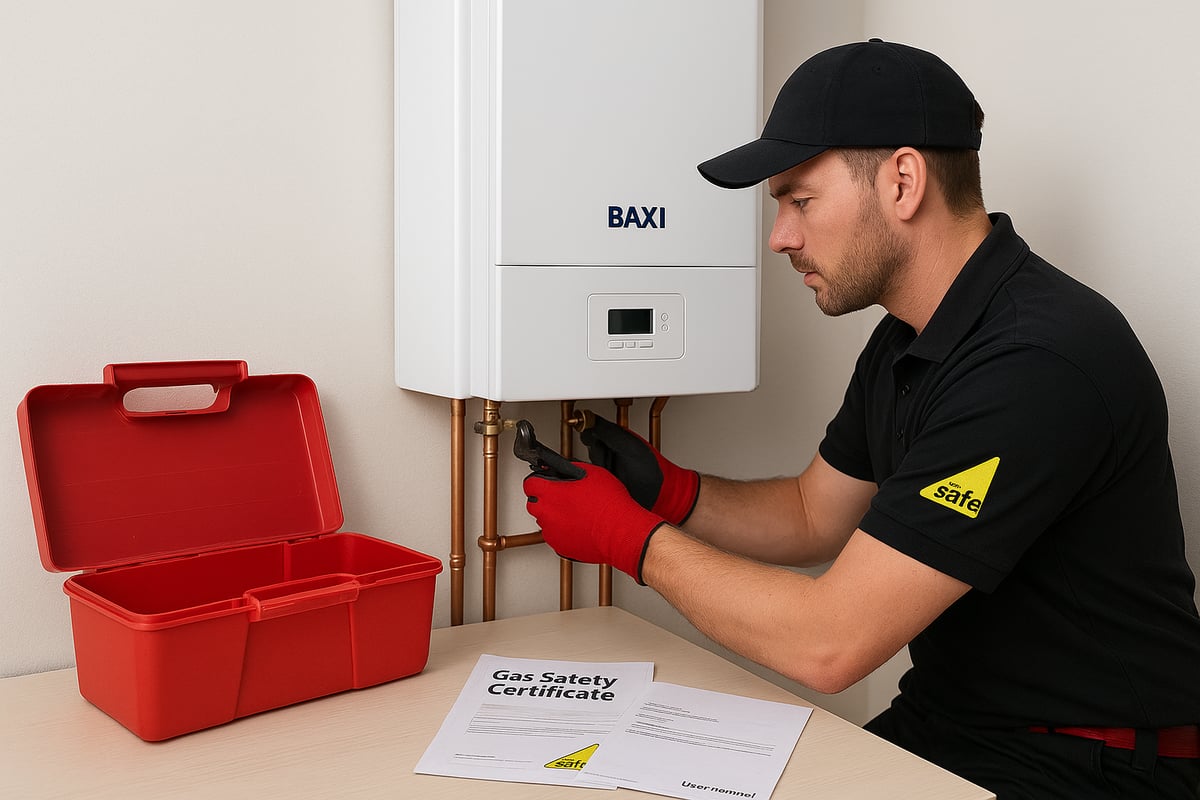
In the UK, it is a legal requirement for any gas boiler, including a baxi, to be installed by a Gas Safe registered engineer. This protects your household from potential gas leaks, carbon monoxide risks, and fire hazards. Attempting DIY or hiring an unqualified installer not only jeopardises safety but can also void your baxi warranty and insurance.
Choosing a certified installer ensures your system is set up correctly, meets all building regulations, and operates efficiently. Homeowners also benefit from the extensive support network and expertise offered by Baxi approved installers, who are trained specifically on baxi products and updates. This expertise is vital for integrating the latest heating controls and ensuring your new baxi boiler is future-ready.
Professional installation gives you peace of mind, helps your baxi boiler last longer, and maximises energy savings from day one.
Step-by-Step Installation Process
A quality baxi installation follows a thorough process:
- Initial Assessment: The installer evaluates your home’s heating needs, existing system, and recommends the right baxi model and output.
- System Flushing: Old pipework is flushed to remove sludge and debris, protecting the new baxi boiler from damage.
- Fitting the Boiler and Accessories: The baxi unit, flue, and any required filters or wireless thermostats are positioned for optimal performance and access.
- Connecting Controls: Smart thermostats and programmable controls are integrated to ensure your baxi responds efficiently to your needs.
- Commissioning: The engineer fills the system, checks for leaks, and calibrates the baxi for efficient operation.
- Final Safety Checks and Handover: All safety features are tested, and you are shown how to use your baxi controls, maintain pressure, and recognise warning indicators.
Throughout, your baxi installer ensures compliance with gas safety and ventilation regulations. The process is designed to future-proof your heating, aligning with the latest standards and home automation trends.
Common Installation Mistakes to Avoid
Even the best baxi boiler can underperform if installation is mishandled. Avoid these common pitfalls:
- Incorrect sizing, leading to inefficiency or insufficient heating.
- Skipping proper system flushing, which can cause sludge and damage your baxi.
- Poor placement, reducing airflow or breaching flue regulations.
- Failing to integrate controls, limiting your baxi’s smart features.
Always confirm your installer is Gas Safe registered and experienced with baxi systems to prevent these issues.
Maintenance, Servicing, and Troubleshooting Expert Tips
Keeping your baxi boiler in optimal condition is essential for safety, comfort, and energy savings. Regular care not only extends the lifespan of your system but also helps prevent unexpected breakdowns. With the right approach, homeowners can enjoy reliable heating all year round.
Routine Maintenance for Longevity
Annual servicing is vital to ensure your baxi boiler operates safely and efficiently. Professional maintenance by Gas Safe registered engineers is required to maintain your warranty and keep the system running at peak performance. During a service, key components such as the heat exchanger, burners, and safety devices are thoroughly checked and cleaned.
Routine checks also involve inspecting the flue for blockages and ensuring system pressure is within the recommended range. Filters, such as the Adey Micro2 System Filter, play a crucial role in trapping debris and preventing sludge build-up. Regularly cleaning or replacing these filters helps protect your baxi investment from internal damage.
Homeowners should also routinely bleed radiators to remove air pockets, which can improve heat distribution. Monitoring the system’s pressure gauge and topping up when necessary keeps the boiler running smoothly. For those seeking expert support, Baxi boiler servicing experts provide thorough inspections and ongoing care tailored to your system.
A simple maintenance checklist can help you stay organised:
- Book an annual service with a qualified engineer
- Check and clean filters regularly
- Monitor system pressure and top up as needed
- Bleed radiators each season
- Inspect for leaks or unusual noises
By following these steps, your baxi boiler will remain efficient and reliable year after year.
Common Issues and How to Resolve Them
Even with proper care, baxi boilers can develop issues over time. Recognising common problems and knowing how to respond can prevent minor faults from escalating.
Typical issues include low system pressure, no hot water, or noisy operation. Low pressure is often caused by minor leaks or air in the system. Most baxi models allow homeowners to safely top up the pressure using the filling loop, but persistent drops should be checked by a professional.
No hot water or heating may result from thermostat faults, airlocks, or blocked filters. Resetting the boiler and checking settings can resolve simple glitches. If error codes appear on the display, consult the user manual or Baxi’s official troubleshooting resources for guidance. For example, an E119 error usually signals low pressure, while E133 may indicate ignition failure.
Some problems, such as persistent leaks, unusual smells, or repeated loss of pressure, require immediate attention from a baxi-qualified engineer. Attempting to fix gas or electrical faults yourself can be dangerous and may void your warranty.
Use this quick reference table to determine the best course of action:
| Issue | DIY Fix | Call Professional |
|---|---|---|
| Low pressure | Top up if safe | If pressure drops again |
| No hot water | Check settings | If persists |
| Error codes | Refer to manual | For persistent errors |
| Unusual noises | Bleed radiators | If noise continues |
| Leaks/smells | Never | Always |
Prompt action and expert advice keep your baxi boiler safe and dependable.
Maximising Efficiency and Reducing Costs
Maximising the efficiency of your baxi system is key to lowering energy bills and reducing carbon emissions. Smart controls, such as programmable thermostats, allow precise scheduling for when heat is needed most. Regular system balancing ensures even heat distribution throughout the home.
Insulating pipes and radiators further improves performance, while upgrading to the latest baxi technology can deliver additional savings. Proactive care and modern features help your baxi boiler operate at its best, year after year.
Energy Saving Strategies and Heating Trends for 2026
Rising energy costs and climate policies are at the forefront of every homeowner's mind in 2026. Efficient home heating is not just about comfort, but also about making smart financial and environmental decisions. By taking advantage of the latest baxi technologies, you can position your home for both immediate savings and long-term sustainability.
Reducing Energy Bills with Baxi Solutions
With energy prices fluctuating, many households are searching for effective strategies to manage their bills. Upgrading to a high-efficiency baxi boiler, combined with smart controls, is a proven approach. These systems allow you to schedule heating, create zones, and monitor usage in real time.
For instance, the Baxi 800 Combi 2 paired with a wireless thermostat can help you optimise your heating schedule, ensuring warmth only when needed. This not only reduces waste but also lowers your bills significantly. According to UK to cut household energy bills by £150 annually, government initiatives are aiming to support households with more efficient solutions, making the right boiler choice even more important.
To maximise savings, consider these tips:
- Set your thermostat to the lowest comfortable temperature.
- Use programmable features to avoid heating empty rooms.
- Regularly service your baxi boiler to maintain peak efficiency.
By making these small adjustments, you can see a noticeable reduction in your annual energy costs.
Preparing for Future Heating Regulations
The UK government continues to introduce policies that reshape the heating landscape, with 2026 marking significant changes for homeowners. The baxi range stands out by offering hydrogen-ready models that align with new low-carbon requirements. Staying informed on upcoming standards is critical for future-proofing your investment.
The Future Homes Standard implementation timeline highlights how building regulations are shifting towards low-carbon heating systems. Investing in a compliant baxi boiler ensures your home remains efficient and avoids costly retrofits down the line.
When planning an upgrade, look for:
- Hydrogen-ready and low-NOx models.
- Compatibility with smart home and renewable systems.
- Warranty and aftercare support for peace of mind.
By taking proactive steps, you can meet regulatory requirements and enjoy reliable heating for years to come.
Sustainable Heating: Integrating Renewables
Sustainability is a major trend in 2026, with more homes integrating renewable energy alongside traditional heating. baxi boilers are designed to work in tandem with technologies like solar thermal panels and heat pumps, creating hybrid systems that maximise efficiency.
Combining a baxi boiler with renewable sources reduces your carbon footprint and can deliver substantial long-term savings. Many homeowners are now choosing hybrid setups that allow for flexible energy use, especially during peak times or colder months.
Key benefits include:
- Lower greenhouse gas emissions.
- Reduced reliance on grid energy.
- Enhanced energy security for your household.
By embracing these trends, you are not only supporting the environment but also securing a more cost-effective and resilient home heating solution.
Frequently Asked Questions About Baxi Home Heating
Choosing the right heating solution is a major decision for any homeowner. Below, you will find answers to the most common questions about baxi boilers, from lifespan and servicing to smart home integration and future-proofing.
What is the expected lifespan of a baxi boiler?
A typical baxi boiler lasts over 10 years when properly maintained. Regular servicing and correct installation help ensure maximum longevity.
How do baxi boilers compare to other brands on efficiency and reliability?
Baxi is known for high energy efficiency and robust performance. In independent tests, baxi models often match or exceed competitors like Vaillant, Worcester, and Ideal for reliability and customer satisfaction.
What is the warranty coverage and what does it include?
Most baxi boilers come with warranties ranging from 2 to 10 years, covering parts and labour for manufacturing faults. Always check your model's specific terms and register your installation to activate the warranty.
Are baxi boilers compatible with smart home systems?
Yes, many baxi boilers support smart thermostats and home automation. Models such as the Baxi 800 Combi 2 can be paired with wireless controls for remote scheduling and energy management.
How often should baxi boilers be serviced?
Annual servicing is required for safety, warranty, and efficiency. A Gas Safe registered engineer will inspect, clean, and test your baxi boiler to prevent unexpected breakdowns.
What are the signs that my baxi boiler needs replacing?
If you notice frequent breakdowns, rising energy bills, uneven heating, or error codes, your baxi boiler may be approaching the end of its service life. Boilers over 10 years old may also be less efficient than new models.
Can I upgrade my existing system to a hydrogen-ready baxi model?
Many newer baxi boilers are hydrogen-ready or can be adapted to comply with future low-carbon requirements. This makes it simpler to upgrade your heating as UK regulations evolve. For more on upcoming standards, see Ofgem's new heat network regulations.
How do I choose the right size baxi boiler for my home?
Sizing depends on property size, insulation, and hot water needs. A qualified installer will assess your home and recommend the ideal baxi model and output.
Where can I find authorised baxi installers and service engineers?
Use the baxi website or contact customer support to find certified local professionals. Always ensure your installer is Gas Safe registered.
What should I do if my baxi boiler displays an error code?
Refer to your baxi manual for code meanings. Simple issues like low pressure can sometimes be resolved by topping up the system, but persistent problems require a professional engineer.
If you have further questions about baxi home heating, consult your installer or visit baxi’s official resources for expert support.
If you’re ready to make your home warmer, more efficient, and future proof with a trusted Baxi solution, let’s take the next step together. With over 20 years of experience and a commitment to excellent service, Castle Heating Kent is here to guide you with expert advice, professional installation, and ongoing support. Whether you’re in Rochester, Gravesend, or elsewhere in Kent, you can count on our Gas Safe engineers for reliable help with heating, plumbing, or upgrading to the latest Baxi technology.
Keeping Homes in and around kent Warm, Dry & Flowing Book with castle heating kent

