
Blocked Drains Near Me: Expert Solutions for Kent Homes
When you find yourself typing "blocked drains near me" into a search engine at 11pm on a Sunday evening with water backing up in your sink, you're certainly not alone. Drainage issues affect thousands of Kent homeowners every year, causing inconvenience, potential property damage, and health concerns. Understanding what causes blocked drains, recognising the warning signs, and knowing when to call professional help can save you significant time, money, and stress. Whether you're in Rochester, Gravesend, or anywhere across Kent, prompt action is essential to prevent minor blockages from escalating into major plumbing emergencies.
Common Causes of Blocked Drains in Kent Properties
Blocked drains rarely happen overnight. Most drainage problems develop gradually through a combination of everyday household activities and environmental factors specific to your property.
Fat, Oil, and Grease Accumulation
One of the most prevalent causes of kitchen drain blockages is the improper disposal of cooking fats and oils. When hot grease is poured down the sink, it travels through the pipes as a liquid. However, as it cools, it solidifies and adheres to the pipe walls, gradually narrowing the passageway. Over time, this buildup combines with food particles, soap residue, and other debris to create stubborn blockages.
The buildup of fat and grease is particularly problematic because it doesn't just affect your immediate drainage system. In shared drainage networks common in Kent's older properties, your cooking oil can contribute to blockages that affect neighbouring homes as well.
To prevent grease-related blockages:
- Allow cooking oils to cool completely
- Dispose of fats in sealed containers with household waste
- Wipe greasy pans with kitchen paper before washing
- Run hot water through drains after washing dishes
- Use sink strainers to catch food particles
Hair and Soap Scum Build-up
Bathroom drains face their own unique challenges, with hair being the primary culprit. Every shower or bath results in loose hairs washing down the plughole, where they combine with soap residue, shampoo, and conditioner to form dense clumps that restrict water flow.
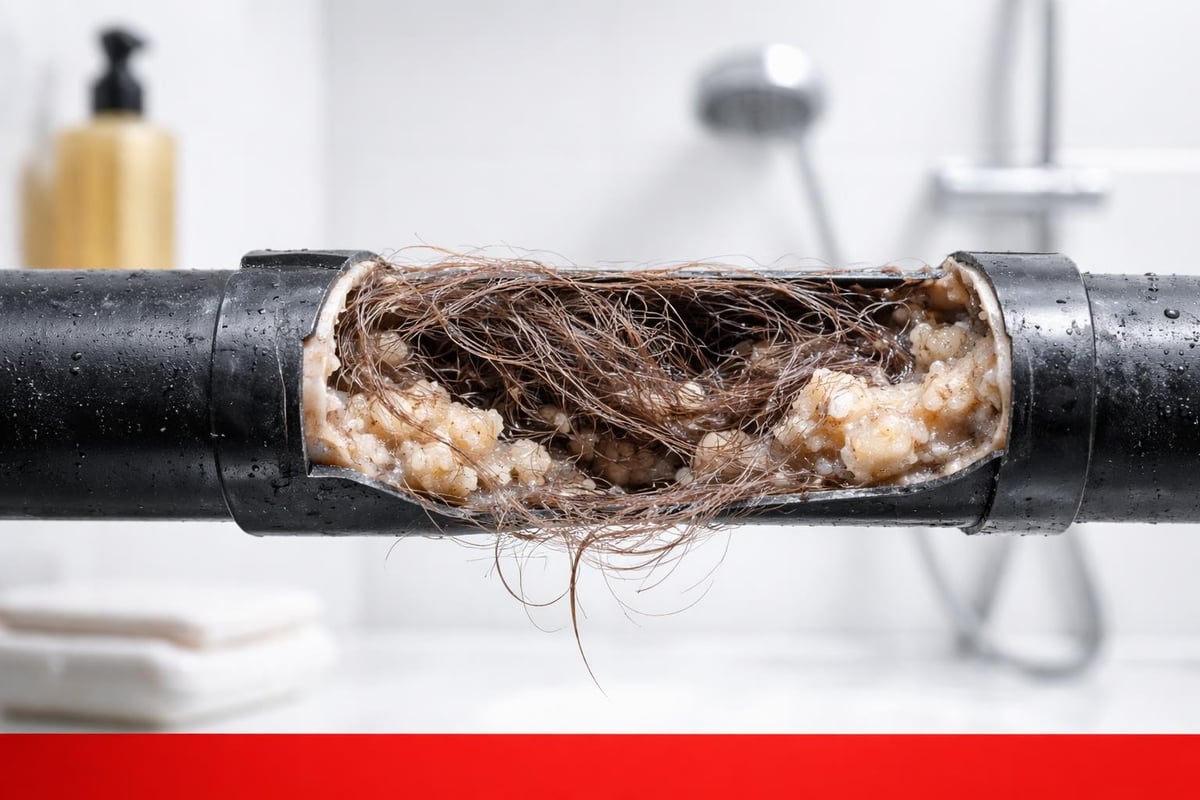
Modern soap products, particularly those containing moisturising oils and conditioning agents, create a sticky film inside pipes. This film acts as a magnet for hair and other debris, accelerating blockage formation. Hard water areas in Kent experience additional complications, as mineral deposits compound the problem by creating rough surfaces inside pipes.
| Warning Sign | What It Indicates | Urgency Level |
|---|---|---|
| Slow drainage | Partial blockage forming | Medium |
| Gurgling sounds | Air trapped by obstruction | Medium |
| Unpleasant odours | Bacterial growth in standing water | High |
| Water backing up | Severe blockage or multiple blockages | Critical |
| Multiple affected fixtures | Main drain blockage | Critical |
Tree Root Intrusion
For properties with mature gardens or those located near wooded areas, tree roots represent a serious threat to underground drainage systems. Roots are naturally drawn to the moisture and nutrients found in sewer pipes, and even microscopic cracks or loose joints can provide an entry point.
Once inside, roots grow rapidly, exploiting the constant water supply. They create dense networks that trap debris, restrict flow, and can eventually cause pipes to crack or collapse entirely. Understanding common causes and prevention strategies helps property owners identify risks before major damage occurs.
Properties built before 1970 often have clay or concrete drainage pipes that are particularly vulnerable to root intrusion. Modern plastic pipes offer better resistance, but even these can be compromised if roots apply sufficient pressure.
Recognising the Signs You Need Professional Help
Searching for "blocked drains near me" typically happens after you've noticed concerning symptoms. Early intervention prevents minor issues from becoming expensive emergencies.
Early Warning Indicators
The first sign of a developing blockage is usually slow drainage. If water in your sink, shower, or bath takes noticeably longer to drain than it once did, a partial obstruction is likely forming. This is the ideal time to take action, as the blockage is easier to clear at this stage.
Gurgling or bubbling sounds coming from drains when you run water or flush the toilet indicate trapped air in the system. This happens when a blockage prevents air from escaping normally, forcing it back through other drainage points. The signs of blocked drains should never be ignored, as they typically worsen rapidly.
Unpleasant odours emanating from drains signal bacterial growth in standing water trapped by a blockage. These bacteria not only smell foul but can also pose health risks, particularly in enclosed spaces. The health hazards of blocked drains include the potential spread of harmful microorganisms throughout your property.
When DIY Isn't Enough
Many homeowners attempt to resolve drainage issues using shop-bought chemical drain cleaners. While these products occasionally provide temporary relief for minor blockages, they carry significant risks. The harsh chemicals can damage older pipes, harm the environment, and create hazardous fumes, particularly in poorly ventilated spaces.
Physical methods like plungers and drain snakes work better for simple blockages but have limitations. If repeated attempts fail to clear the blockage, or if water backs up through multiple fixtures simultaneously, the problem likely extends beyond what DIY methods can address.
Professional intervention becomes necessary when:
- Multiple drains are affected simultaneously
- Water backs up when using other fixtures
- You notice sewage odours inside or outside your property
- Previous DIY attempts have failed
- Drains repeatedly block despite clearing attempts
- You suspect structural damage or root intrusion
The drainage services provided by experienced professionals include diagnostic equipment that identifies the exact location and nature of blockages without guesswork.
Professional Solutions for Blocked Drains
When you search for "blocked drains near me" in Kent, you need a service provider with the right equipment, expertise, and availability to resolve your issue promptly and permanently.
Modern Diagnostic Techniques
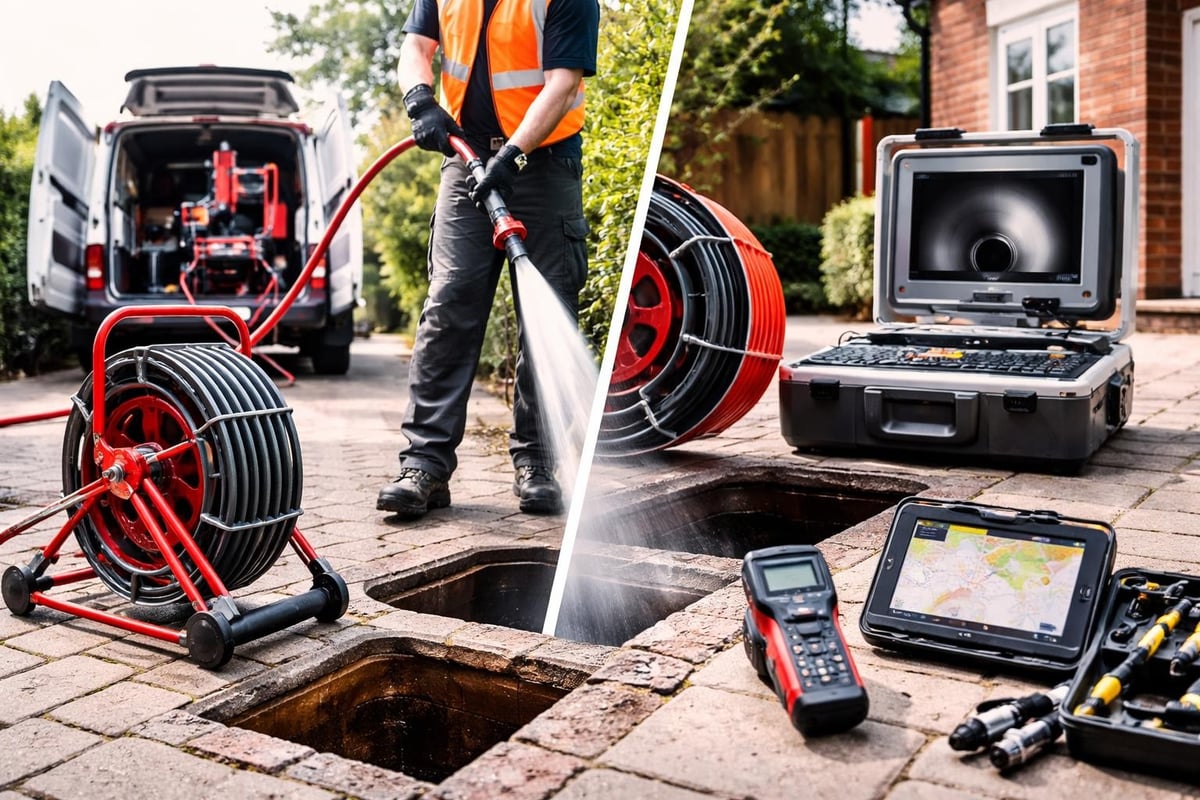
Professional drainage specialists use CCTV camera surveys to inspect the interior of drainage pipes without excavation. A small waterproof camera attached to a flexible cable is inserted into the drain, transmitting real-time video footage that reveals the exact location, nature, and severity of blockages.
This technology proves invaluable for identifying issues that aren't visible from the surface, including collapsed pipes, root intrusion, and structural defects. The recorded footage provides a permanent record of the drainage system's condition, useful for property transactions or insurance claims.
High-Pressure Water Jetting
High-pressure water jetting represents the most effective method for clearing stubborn blockages and thoroughly cleaning drainage pipes. Specialised equipment propels water at pressures up to 4000 PSI through a nozzle designed to break apart obstructions and scour pipe walls clean.
Unlike chemical cleaners, water jetting poses no environmental risks and effectively removes even the most stubborn accumulations of grease, scale, and debris. The process also clears tree roots without damaging pipes, provided they haven't already caused structural failure.
Preventative Maintenance Programmes
Professional drainage companies offer maintenance contracts that include regular inspections and cleaning to prevent blockages before they occur. These programmes prove particularly valuable for older properties, commercial premises, or homes with known drainage vulnerabilities.
Regular professional cleaning extends the lifespan of your drainage system, reduces emergency callout costs, and provides peace of mind. Many homeowners combine drainage maintenance with their annual boiler service to ensure all essential systems receive proper attention.
Preventative Measures for Kent Homeowners
Prevention always costs less than cure when it comes to drainage issues. Implementing simple daily habits and regular maintenance routines dramatically reduces the likelihood of searching for "blocked drains near me" in desperation.
Kitchen Best Practices
Transform your kitchen habits to protect your drains from grease and food waste accumulation. Install sink strainers in all kitchen sinks to catch food particles before they enter the drainage system. Empty these strainers into your food waste bin after each use rather than forcing debris down the plughole.
Create a designated container for cooling and disposing of cooking oils and fats. Never pour any amount of grease down the sink, regardless of how much hot water you run afterwards. The grease will simply travel further down your pipes before solidifying, creating blockages in harder-to-reach locations.
Run hot water through your kitchen sink for 30 seconds after each use to help flush away minor soap and detergent residues. Once weekly, pour a kettle of boiling water down the drain to help dissolve any grease that may have accumulated despite your precautions.
Bathroom Protection Strategies
Install hair catchers in shower and bath drains to prevent the primary cause of bathroom blockages. These inexpensive devices sit over or in the plughole, collecting hair before it enters the drainage system. Clean them weekly to maintain effectiveness.
Reduce soap scum accumulation by switching to liquid soap products where possible, as these rinse away more completely than traditional bar soaps. Consider using products specifically formulated for hard water areas if you live in parts of Kent with high mineral content in the water supply.
Monthly maintenance routine:
- Remove and clean all drain covers and stoppers
- Use a drain brush to clean visible pipe sections
- Flush drains with hot water
- Check for early warning signs of slow drainage
- Inspect external gullies and drains for debris
Garden and External Drainage Care
Keep external drains and gullies clear of leaves, soil, and garden debris. Inspect these regularly, particularly during autumn when falling leaves pose the greatest risk. Install gully guards to prevent large debris from entering while allowing water to flow freely.
If you have trees near your property, be aware of their root systems and drainage pipe locations. The ten common causes of blocked drains include tree roots as one of the most destructive, particularly for properties with older drainage infrastructure.
Consider scheduling professional CCTV surveys every few years for properties with mature trees nearby. Early detection of root intrusion allows for preventative action before pipes suffer irreparable damage.
Choosing the Right Professional Service in Kent
When drainage issues exceed DIY capabilities, selecting the right professional service determines whether your problem is resolved quickly and permanently or becomes an ongoing frustration.
Essential Qualifications and Experience
Ensure any drainage contractor you hire holds appropriate professional qualifications and insurance cover. Whilst specific drainage certifications differ from Gas Safe registration required for heating engineers, reputable companies maintain comprehensive training programmes and industry memberships.
Experience matters significantly in drainage work. Companies established for over a decade, such as Castle Heating Kent, bring accumulated knowledge of local drainage systems, common issues specific to Kent properties, and proven solutions that work in real-world conditions.
Emergency Response Capabilities
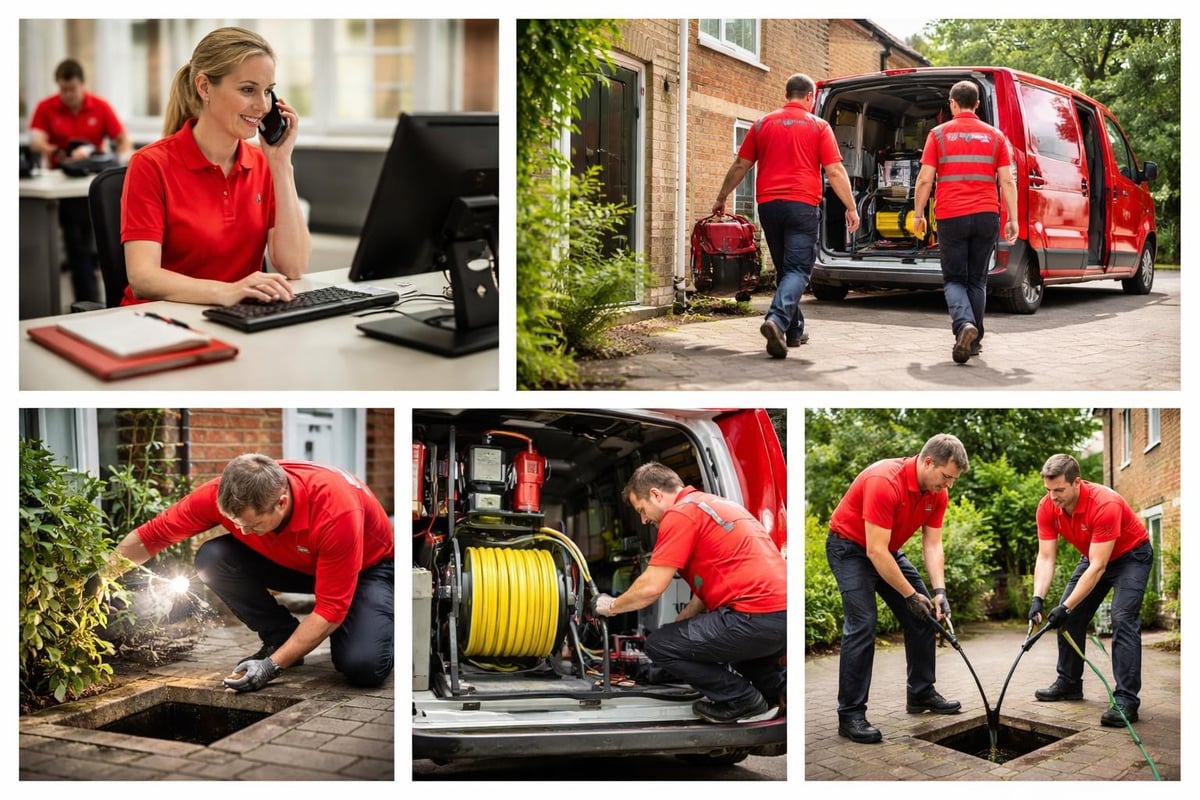
Drainage emergencies don't respect business hours. Sewage backing up into your home or garden requires immediate attention to prevent health hazards and property damage. When searching for "blocked drains near me," prioritise companies offering genuine 24/7 emergency response with realistic attendance times.
Ask about typical response times for emergency calls in your area. Companies with local bases in Rochester, Gravesend, and surrounding areas can typically attend emergencies faster than those dispatching from distant locations.
Transparent Pricing and Guarantees
Reputable drainage specialists provide clear pricing information before commencing work. Be wary of companies that refuse to discuss costs or offer quotes significantly below market rates, as these often indicate hidden charges or substandard service.
Request written quotations that specify exactly what work will be performed, what equipment will be used, and what guarantees cover the completed work. Professional companies stand behind their work with warranties on both labour and any parts installed.
| Service Type | Typical Cost Range | Duration | Guarantee Period |
|---|---|---|---|
| Standard drain clearance | £80-£150 | 1-2 hours | 30 days |
| CCTV drain survey | £100-£200 | 1-2 hours | Permanent record |
| High-pressure jetting | £150-£300 | 2-3 hours | 90 days |
| Root removal | £200-£500 | Half day | 60 days |
| Drain repairs | £500-£2000+ | 1-3 days | 1-5 years |
Understanding Your Drainage System
Knowledge of how your property's drainage system functions helps you identify problems early and communicate effectively with professionals when issues arise.
Types of Drainage Systems
Modern properties typically incorporate separate systems for foul water (from toilets, sinks, and appliances) and surface water (rainwater from roofs and paved areas). Older properties, particularly those built before 1970, often use combined systems where all water drains through the same pipes.
Understanding which system your property uses influences how blockages affect different areas and what causes them. Combined systems face greater strain during heavy rainfall, as the increased water volume can overwhelm partially blocked pipes that cope adequately in dry conditions.
Your property likely includes several distinct drainage components: soil pipes that carry waste from toilets, waste pipes from sinks and baths, gullies that collect surface water, and underground drains that convey everything to the main sewer or septic tank.
Maintenance Responsibilities
Property owners bear responsibility for all drains and sewers within their property boundary and those serving only their property, even if located outside the boundary. The local water authority maintains shared sewers serving multiple properties.
This distinction matters when blockages occur, as you cannot assume the water company will resolve issues in drains exclusively serving your property. For properties with shared drainage systems common in terraced houses and flats, determining responsibility sometimes requires professional assessment.
Connection to Heating and Plumbing Systems
Your drainage system connects intimately with your heating and plumbing infrastructure. Condensate pipes from modern condensing boilers drain into the waste system and can freeze during cold weather, causing boiler shutdowns. Understanding general plumbing helps homeowners recognise how different systems interact.
Water pressure issues, slow-filling cisterns, or noisy pipes sometimes indicate drainage problems rather than supply issues. A comprehensive assessment from professionals experienced in both heating and drainage identifies the true cause rather than treating symptoms.
Regional Considerations for Kent Properties
Kent's diverse property types, from Victorian terraces in Rochester to modern developments in Gravesend, each present unique drainage challenges that influence how blockages occur and are resolved.
Older Property Challenges
Victorian and Edwardian properties frequently feature original drainage systems constructed from glazed clay pipes. These materials become brittle with age, developing cracks that allow root intrusion and sometimes collapsing entirely under ground movement or heavy traffic vibration.
Historic properties may also include unusual drainage configurations, with pipes running at insufficient gradients, sharp bends that promote blockages, or connections to Victorian-era cesspits that have long since deteriorated. Understanding these quirks requires experience with Kent's older housing stock.
Properties that have undergone extensions or conversions sometimes have poorly integrated drainage additions. These modifications may not comply with modern building regulations and can create weak points where blockages frequently occur.
Modern Development Issues
Newer properties generally benefit from plastic drainage pipes resistant to root intrusion and corrosion. However, they face different challenges, including poor installation quality during rapid construction periods and undersized drains serving multiple bathrooms and appliances.
The trend towards hard landscaping (patios, driveways, block paving) reduces ground permeability and increases surface water volume entering drains. During Kent's increasingly frequent heavy rainfall events, these systems can overwhelm, causing temporary flooding and highlighting marginal blockages.
Environmental and Seasonal Factors
Kent's position in South East England subjects properties to specific environmental conditions affecting drainage. Autumn leaf fall from the region's numerous trees clogs external drains and gullies. Winter freeze-thaw cycles can damage older pipes, creating new weak points.
Clay soils common in parts of Kent expand when wet and contract during dry periods, causing ground movement that stresses rigid drainage pipes. Properties built on clay should have drains inspected periodically for stress fractures and joint separation.
The Cost of Ignoring Drainage Problems
Delaying action when you first notice drainage issues rarely saves money. Minor blockages develop into major problems that cost significantly more to resolve and potentially cause expensive secondary damage.
Progressive Damage Escalation
A partially blocked drain initially causes inconvenience through slow drainage and unpleasant odours. If ignored, the blockage grows until water backs up completely, preventing normal use of bathrooms and kitchens. At this stage, emergency callout charges apply, and you may face several days of disruption whilst repairs are completed.
Severe blockages can cause sewage to back up inside your property, creating health hazards and requiring professional cleaning and sanitisation. Carpets, flooring, and furnishings contaminated with sewage typically require replacement, with costs running into thousands of pounds.
Potential consequences of ignored blockages include:
- Structural damage from water escaping cracked pipes
- Foundation issues from persistent leaks
- Contamination of garden soil and groundwater
- Pest infestations attracted to standing water
- Insurance claims that may be denied for lack of maintenance
Property Value Implications
Unresolved drainage issues discovered during property surveys significantly impact sale prospects and values. Buyers typically request substantial price reductions to account for necessary repairs, or withdraw offers entirely when faced with major drainage problems.
Modern home buyers increasingly request CCTV drainage surveys before completing purchases. Properties with documented drainage issues or a history of recurring blockages face extended time on the market and reduced final sale prices.
Health and Safety Concerns
Blocked drains create environments where harmful bacteria thrive. The seven common causes and their solutions highlight how everyday materials become health hazards when trapped in stagnant water within drainage systems.
Sewage contains numerous pathogens including E. coli, Salmonella, and Hepatitis A. Exposure occurs through direct contact with contaminated water, inhalation of aerosols, or contact with surfaces contaminated by backup events. Young children, elderly residents, and those with compromised immune systems face particular risks.
Addressing drainage issues promptly protects your property, health, and finances whilst preventing minor inconveniences from escalating into major emergencies. Regular maintenance, sensible disposal practices, and professional intervention when needed keep your Kent home's drainage system functioning reliably year-round. Whether you're dealing with a persistent slow drain or facing an emergency backup, experienced professionals make the difference between quick resolution and ongoing frustration. With over a decade of experience serving Rochester, Gravesend, and surrounding Kent areas, Castle Heating Kent provides comprehensive drainage solutions backed by Gas Safe registered engineers and a commitment to reliable, professional service that homeowners trust.

