
Blocked Kitchen Sink Guide: Easy Solutions for 2026
Is your kitchen sink refusing to drain, leaving you staring at a pool of murky water and growing irritation? A blocked kitchen sink can quickly turn daily routines into a headache, but the right approach can restore order in no time.
This comprehensive 2026 guide delivers fast, effective, and safe solutions to tackle any blockage, no matter how minor or stubborn. You will discover the main causes, step-by-step DIY methods, top products, prevention tips, and expert answers to common questions.
Ready for a clean, free-flowing kitchen? Let’s get started with practical steps and professional advice that will help you say goodbye to sink troubles for good.
Common Causes of a Blocked Kitchen Sink
A blocked kitchen sink is a common household headache, but understanding the reasons behind it can help you prevent and resolve issues quickly. From greasy build-up to environmental factors, several culprits can lead to slow drainage or total clogs.
Food Waste and Grease Build-up
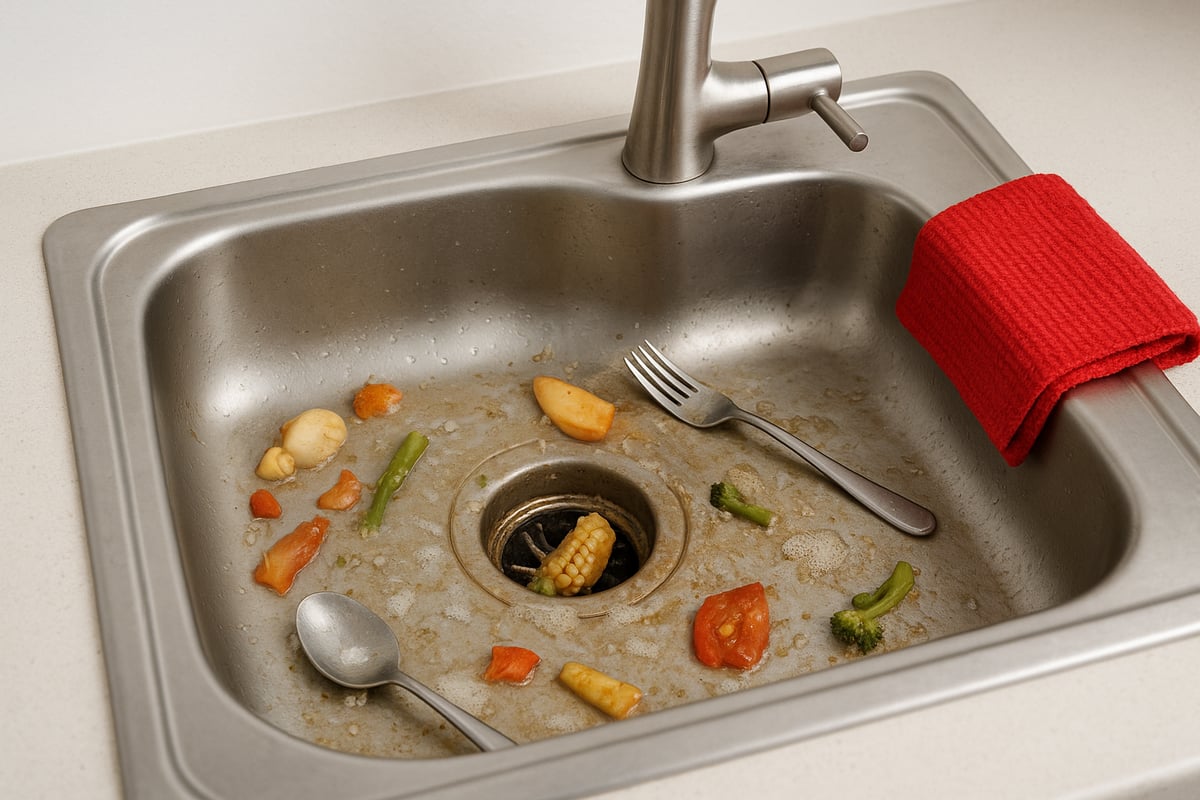
Food remnants and cooking grease are leading contributors to a blocked kitchen sink. When fatty substances from oil or butter are washed down the drain, they cool and solidify inside the pipes. Over time, this residue traps other particles, narrowing the passage for water to flow.
In the UK, statistics show that grease is the primary cause of domestic kitchen sink blockages. For example, pouring leftover oil after cooking chips can seem harmless but eventually leads to stubborn clogs. If food waste is regularly rinsed away, a blocked kitchen sink is almost inevitable.
Soap Scum, Cleaning Product Residue, and Foreign Objects
Soap and detergent residues combine with minerals in the water to form a sticky scum that gradually lines your pipes. This build-up can catch coffee grounds, eggshells, and even small utensils, increasing the risk of a blocked kitchen sink.
Up to 30% of cases involve non-food debris, such as a plastic wrapper or dropped spoon. Everyday oversights can quickly escalate, especially when foreign objects are left unnoticed. For more on the root causes and expert solutions, see Common causes of kitchen sink blockages.
Pipe Age and Installation Issues
Older properties often have cast iron pipes that are more susceptible to rust and internal build-up, making them prone to a blocked kitchen sink. Poor installation, such as pipes with insufficient slope, can cause water to drain slowly and encourage sediment to settle.
If you notice frequent clogs, your plumbing may be to blame. Homes with outdated pipework often experience recurring backups, highlighting the importance of modern, well-installed systems.
Environmental and Usage Factors
Living in a hard water area increases the risk of mineral deposits forming in your pipes, contributing to a blocked kitchen sink. High-usage households, especially during holidays or family gatherings, tend to generate more waste, raising the likelihood of blockages.
Heavy rainfall can also lead to main drain backups, which affect your kitchen sink drainage. For instance, a busy weekend of cooking and cleaning is a prime time for clogs to appear.
Step-by-Step DIY Solutions for Unblocking Your Kitchen Sink
A blocked kitchen sink can quickly disrupt your daily routine, but with the right approach, you can often resolve the issue safely and efficiently at home. Before you begin, it is essential to prepare properly, follow proven methods, and recognise when to seek professional assistance. This section provides comprehensive, step-by-step instructions to help you tackle a blocked kitchen sink with confidence.
Safety First: Preparation and Precautions
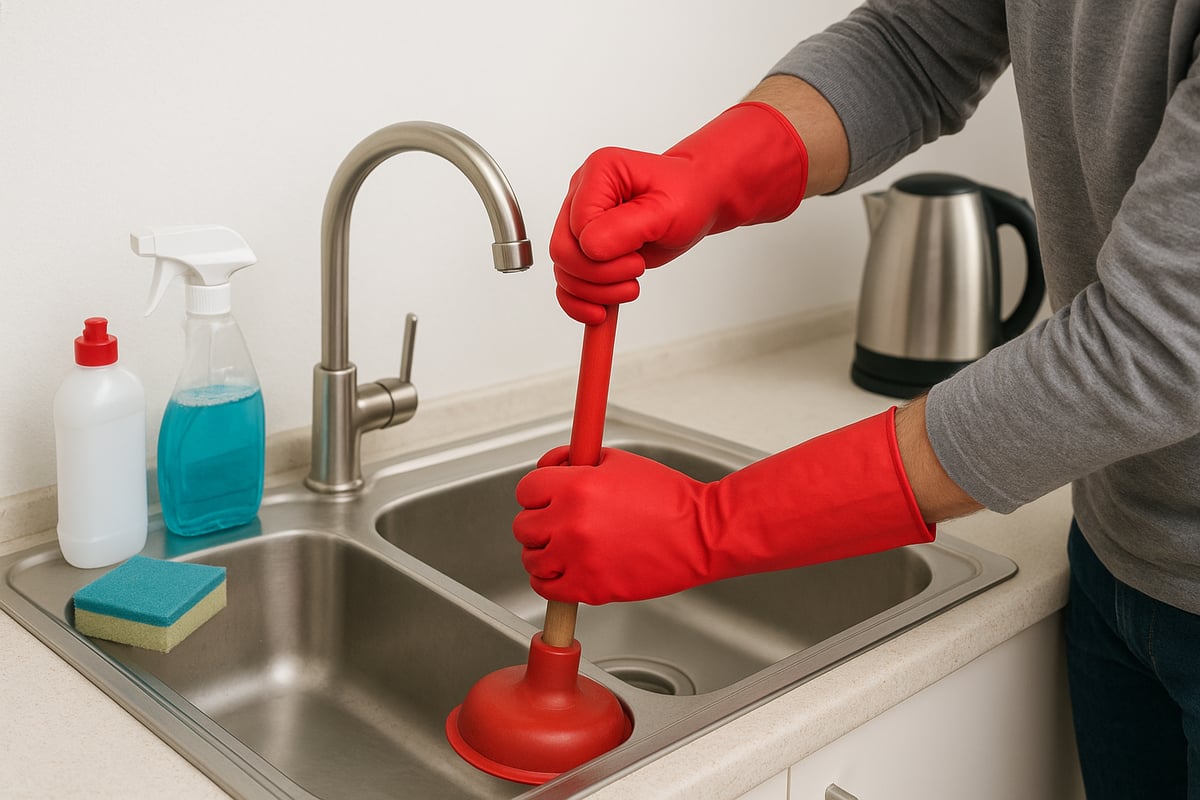
Before attempting any method to clear a blocked kitchen sink, prioritise safety. Always wear rubber gloves to protect your skin from dirty water and cleaning agents. Eye protection is recommended, especially if you plan to use chemical solutions or encounter splashing.
Turn off the water supply to the sink to prevent accidental flooding. Open a window or switch on an extractor fan for proper ventilation, particularly if using any chemical unblockers. Keep children and pets out of the kitchen during the process to avoid accidental exposure to hazardous substances.
By preparing your workspace and assembling the necessary tools, you minimise risks and make your blocked kitchen sink unblocking efforts more effective.
Method 1: Boiling Water Flush
Boiling water is a simple yet effective way to address a blocked kitchen sink, especially if grease or soap scum is the culprit. The heat helps melt and dislodge fatty build-up inside the pipes.
- Boil a full kettle of water.
- Carefully pour the boiling water directly into the drain in stages, allowing each pour to work through before adding more.
- Wait a few minutes to see if the water drains away.
This method works best for mild blockages and as weekly maintenance. Avoid using boiling water if your pipes are PVC, as extreme heat may cause damage. For more stubborn blocked kitchen sink problems, proceed to the next solution.
Method 2: Baking Soda and Vinegar Reaction
The baking soda and vinegar method offers an eco-friendly way to clear a blocked kitchen sink, targeting organic matter and minor grease build-up. The fizzing chemical reaction helps break down clogs without harsh chemicals.
- Pour half a cup of baking soda down the drain.
- Follow with half a cup of white vinegar.
- Cover the drain and let the mixture fizz for at least 15 minutes.
- Flush with hot (not boiling) water.
Repeat the process if needed. This approach is safe for most plumbing and ideal for regular upkeep. For further guidance, you can explore detailed DIY methods to unclog a kitchen sink to supplement your routine.
Method 3: Plunger Technique
A plunger remains a classic tool for resolving a blocked kitchen sink, especially for clogs near the plughole. Use a cup plunger designed for sinks, not toilets.
- Fill the sink with enough water to cover the plunger cup.
- Place the plunger over the drain to create a tight seal.
- Pump the plunger up and down with a steady rhythm for 30–60 seconds.
If water begins to drain, the blockage may be cleared. If not, repeat or try a different method. Plungers are most effective for soft or shallow clogs and can significantly improve blocked kitchen sink flow when used correctly.
Method 4: Cleaning the U-Bend (Trap)
Physical removal of debris from the U-bend is a reliable way to fix a blocked kitchen sink when other methods fail. The U-bend, or trap, often collects food, grease, and other debris.
- Place a bucket under the U-bend to catch water.
- Unscrew the fittings carefully.
- Remove the U-bend and clear out all debris.
- Rinse thoroughly and reassemble, ensuring a tight fit to prevent leaks.
Manual cleaning is especially effective for persistent blockages. Always check for signs of wear or damage before reinstalling the trap. This hands-on approach can restore normal flow in a blocked kitchen sink.
Method 5: Drain Snake or Wire Hanger
For deeper, more stubborn blockages, a drain snake or straightened wire hanger can reach clogs beyond the U-bend. This method is particularly useful if your blocked kitchen sink resists surface-level fixes.
- Insert the snake or hanger slowly into the drain.
- Twist gently to hook debris.
- Pull out the blockage carefully.
Repeat as necessary, being cautious not to damage the pipework. This technique is effective for retrieving hair, food, or small objects lodged further down the system.
When to Avoid DIY and Seek Professional Help
Sometimes, a blocked kitchen sink signals a more serious plumbing concern. Persistent water that refuses to drain, foul odours, or gurgling noises from the pipes are warning signs. If water backs up into other fixtures, the problem may extend to the main drain.
Repeated use of chemical unblockers or forceful DIY attempts can damage pipes and worsen the issue. In these situations, it is best to consult a professional plumber to prevent further complications and ensure your blocked kitchen sink is resolved safely and efficiently.
Best Products and Tools for Unblocking Kitchen Sinks in 2026
Choosing the right products and tools is crucial when dealing with a blocked kitchen sink. With advances in technology and eco-friendly formulations, homeowners in 2026 have a wide range of effective options. Whether you prefer natural solutions, mechanical tools, or need to compare products before purchasing, understanding what works best will save you time and minimise hassle.
Enzyme and Microbial Drain Cleaners
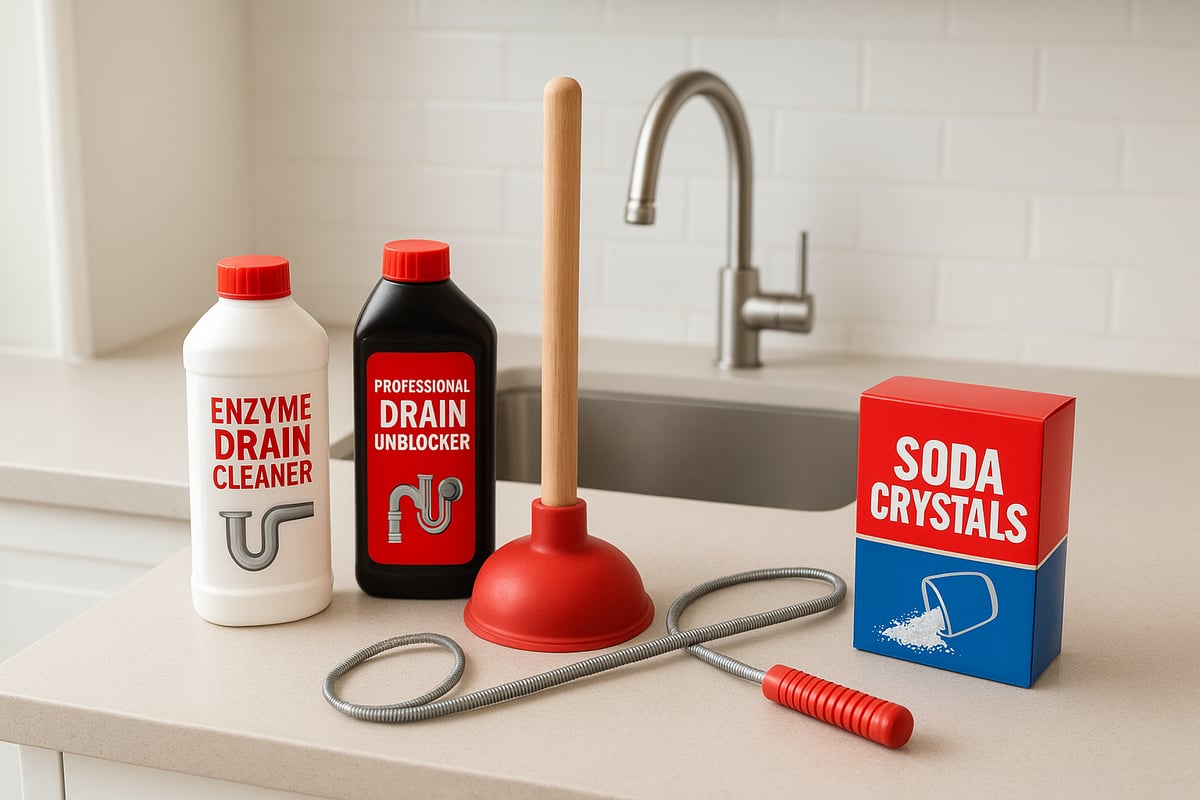
Enzyme and microbial drain cleaners have become a go-to solution for anyone facing a blocked kitchen sink. These products use natural enzymes and bacteria to digest organic matter, such as food scraps and grease, safely within your pipes.
The main advantage is their eco-friendly profile. Enzyme cleaners do not harm plumbing materials or septic systems, making them suitable for regular preventative use. In recent user tests, microbial drain cleaners consistently outperformed harsher chemicals, especially in homes where blocked kitchen sink issues were recurring.
For optimal results, pour the recommended dose down the drain and allow it to work overnight. This approach helps maintain clear pipes and reduces the risk of future blockages.
Chemical Drain Unblockers: When and How to Use Safely
Chemical drain unblockers are widely available and can provide fast relief for a blocked kitchen sink. Most products contain active ingredients like caustic soda or sodium hydroxide, which dissolve stubborn grease and food deposits.
However, these chemicals must be handled with care. Always wear gloves and ensure good ventilation during use. Follow manufacturer instructions closely to avoid damaging your pipes or harming your health. Chemical unblockers are not suitable for all pipe materials, especially older or corroded plumbing.
Reserve chemical unblockers for severe blockages where natural or mechanical methods have failed. Never mix different chemicals, as this can cause dangerous reactions in a blocked kitchen sink.
Plungers, Drain Snakes, and Mechanical Tools
Mechanical tools remain essential for resolving a blocked kitchen sink. Plungers come in several types, including standard, accordion, and power variants. Each is designed to create suction and dislodge clogs near the plughole.
For deeper or more stubborn blockages, a drain snake or auger can reach further into the pipework. Manual snakes are ideal for most households, while electric versions offer more power for severe blockages. Always choose the right tool for the specific challenge your blocked kitchen sink presents.
Pros include immediate results and no need for chemicals. However, incorrect use can cause pipe damage, so always follow guidance.
Product Comparison: Effectiveness, Cost, and Environmental Impact
Comparing products is essential for choosing the right solution for a blocked kitchen sink. Here is a summary of the main options:
| Product Type | Effectiveness | Avg. Cost (2026, UK) | Environmental Impact |
|---|---|---|---|
| Enzyme/Microbial | High | £6–£12 per bottle | Biodegradable, safe |
| Chemical Unblockers | Moderate–High | £5–£10 per bottle | Hazardous, toxic waste |
| Mechanical Tools | High | £8–£35 (one-off) | Reusable, no chemicals |
Enzyme cleaners lead on sustainability, while mechanical tools offer long-term value. Chemical unblockers are effective, but their environmental cost is significant, so use them sparingly for a blocked kitchen sink.
What to Avoid: Ineffective or Harmful Methods
Certain methods offer little benefit or can worsen a blocked kitchen sink. Bleach is a common misconception, but it does not dissolve grease or food, and repeated use can damage pipes. Mixing chemicals in an attempt to clear clogs is dangerous and may lead to pipe corrosion or toxic fumes.
DIY hacks, such as pouring random household cleaners down the drain, often backfire. If your blocked kitchen sink persists after safe attempts, it is wise to consult Drainage services in Kent for professional help. This ensures your plumbing is protected and the problem is resolved efficiently.
Preventing Future Kitchen Sink Blockages
A blocked kitchen sink is often preventable with a few simple changes to your daily routine. Adopting proactive habits and understanding common pitfalls can help you keep your kitchen running smoothly year-round.
Daily and Weekly Habits for a Healthy Drain
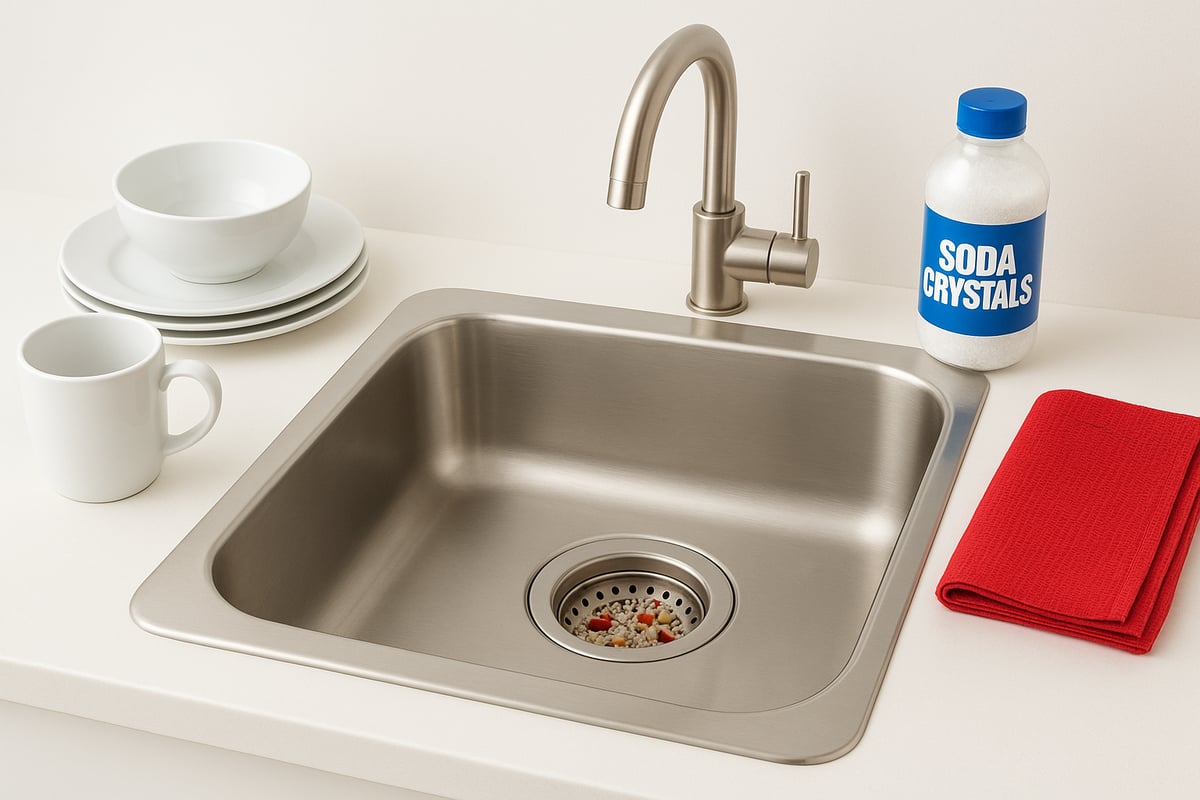
Preventing a blocked kitchen sink starts with daily mindfulness. Scrape leftover food from plates into the bin before rinsing. Use a sink strainer to catch small particles that might slip through.
After washing up, pour hot water down the drain to help dissolve minor grease. Set a weekly reminder for a boiling water flush to clear away early build-up. Studies show that households adopting these habits see up to 60 percent fewer blockages.
Taking these small actions consistently will keep your kitchen free-flowing and reduce the risk of a blocked kitchen sink.
What Not to Put Down Your Sink
Certain items are notorious for causing a blocked kitchen sink. Fats, oils, coffee grounds, eggshells, fibrous vegetables, and starchy foods should never go down the drain. Instead, compost or bin these materials.
Proper disposal prevents about 75 percent of kitchen sink blockages. For more tips and statistics on what to avoid, consult Preventing kitchen sink blockages, which provides clear guidance on safeguarding your pipes.
By being vigilant about what enters your drain, you substantially lower the risk of a blocked kitchen sink.
Maintenance with Baking Soda, Vinegar, and Soda Crystals
Monthly maintenance routines are effective at stopping a blocked kitchen sink before it starts. Pour half a cup of baking soda followed by vinegar down the drain, let it fizz for 10 minutes, then flush with hot water.
Alternatively, use soda crystals to break down grease and soap residues. Always follow recommended dosages to protect your pipes.
Households using these methods report noticeably fewer incidents of a blocked kitchen sink each year.
Upgrading Your Sink and Plumbing for Long-Term Prevention
Older pipes and outdated traps are more prone to blockages. Consider upgrading to modern, corrosion-resistant plastic pipework and installing anti-blockage devices.
Modern plumbing fixtures reduce the likelihood of a blocked kitchen sink and provide peace of mind. Homeowners who invest in these upgrades report fewer emergencies and improved drainage performance.
Evaluate your plumbing if you experience recurring issues, as long-term solutions can save both time and money.
Professional Maintenance and Annual Inspections
Even with the best habits, professional support is sometimes necessary. Schedule annual drain inspections to identify early signs of a blocked kitchen sink.
Professional cleaning removes stubborn deposits and can prevent costly emergencies. Data shows that regular inspections cut emergency callouts by 40 percent.
By combining routine maintenance with expert checks, you ensure your kitchen remains trouble-free and your blocked kitchen sink worries are a thing of the past.
Frequently Asked Questions About Blocked Kitchen Sinks
Struggling with a blocked kitchen sink can quickly turn daily routines upside down. Below, find expert answers to the most common questions, each designed to help you resolve or prevent stubborn blockages with confidence.
Can I Use Bleach or Boiling Water to Unblock My Sink?
Many people reach for bleach when faced with a blocked kitchen sink. However, bleach is not effective against grease or food-based clogs. It may disinfect, but it does not dissolve the fatty build-up that usually causes blockages.
Boiling water can be helpful for minor grease or soap scum build-up. Pouring it slowly down the drain may melt some obstructions, but it is not a cure-all. Never use boiling water if you suspect PVC pipes, as it could cause damage. For persistent blockages, try safer alternatives like baking soda and vinegar or consult a professional.
How Can I Unblock a Sink Without a Plunger?
If you do not have a plunger, there are still several effective ways to tackle a blocked kitchen sink. Begin with a combination of baking soda and vinegar. Pour half a cup of baking soda into the drain, followed by half a cup of vinegar. Leave it for 15 minutes, then flush with hot water.
For tougher blockages, a homemade drain snake made from a wire hanger can help dislodge debris deeper in the pipe. Manual removal of the U-bend is another option, but always wear gloves and place a bucket underneath to catch spills.
What’s the Best Way to Prevent Kitchen Sink Blockages?
Prevention is the most reliable way to avoid a blocked kitchen sink. Scrape plates before rinsing, use a sink strainer, and never pour fats, oils, or coffee grounds down the drain. Regularly flush the sink with hot water and use monthly baking soda and vinegar treatments.
Proper disposal habits not only protect your pipes but also the environment. For a comprehensive look at the environmental impact of drain blockages and how to prevent them, see Environmental impact of drain blockages.
When Should I Call a Plumber?
If your blocked kitchen sink persists despite multiple attempts, or if you notice water backing up into other fixtures, it is time to seek help. Signs that professional attention is needed include strong odours, gurgling noises, or slow drainage throughout your home.
Repeated use of chemicals or aggressive DIY methods can damage your pipes. For severe clogs, recurring issues, or suspected pipe damage, consider contacting a professional for General plumbing repairs. An expert ensures safe, long-lasting solutions and peace of mind.
Additional Resources and Where to Find Professional Help
If your blocked kitchen sink problem persists despite your best DIY efforts, it may be time to consult a professional. Certain situations demand specialist intervention, such as recurring blockages, visible pipe damage, or foul odours that linger even after cleaning. Professionals can diagnose the root cause of a blocked kitchen sink using advanced equipment and provide long-term solutions such as high-pressure jetting, pipe replacement, or CCTV drain surveys. By relying on expert help, you ensure the blockage is cleared efficiently, safeguarding your home from water damage and future emergencies.
When DIY Isn’t Enough: The Role of Professional Plumbers
There are clear signs that a blocked kitchen sink is beyond a simple home fix. If water backs up into other fixtures, or if you notice repeated slow drainage despite regular cleaning, these are strong indicators. Severe clogs may require pipe dismantling, root removal, or even repairs to damaged sections. Plumbers bring experience and the right tools to resolve a blocked kitchen sink quickly and safely. Their intervention not only restores your sink’s function but helps prevent future incidents. For stubborn or mysterious issues, do not hesitate to call in a professional.
How to Choose a Reliable Plumbing Service
Selecting a trustworthy plumber is crucial when dealing with a blocked kitchen sink. Look for services with proper certifications, such as Gas Safe registration, and read recent customer reviews for peace of mind. Transparent pricing and clear communication are also important. Before hiring, ask about their experience with kitchen sinks, response times, and warranty on work. Many homeowners find that using Affordable plumbers near me helps them connect with reputable, cost-effective professionals for lasting results. Taking these steps can significantly reduce the risk of recurring issues.
Emergency Response and Local Services in Kent
In the event of a blocked kitchen sink emergency—such as water leaking onto your floor or a total drainage failure—quick response is vital. First, turn off the water supply and contain the area to minimise damage. Next, search for local plumbing services with proven track records and rapid response options. For Kent residents, it is important to choose a plumber familiar with local plumbing systems and regulations to ensure compliance and effective repairs. Acting swiftly can prevent minor blockages from escalating into costly disasters.
If you’ve tried all the tips in this guide but your kitchen sink is still refusing to clear, don’t worry—you’re not alone. Sometimes, stubborn blockages or recurring drainage issues need a professional touch for real peace of mind. That’s where Castle Heating Kent’s expertise comes in. With over 20 years of experience and a friendly, Gas Safe registered team serving homes across Kent, you can trust us to get your kitchen running smoothly again, quickly and safely. For reliable help that keeps your home warm, dry, and flowing, Keeping Homes in and around kent Warm, Dry & Flowing Book with castle heating kent

