
Blocked Sink: Common Causes and Professional Solutions
A blocked sink represents one of the most frustrating plumbing issues homeowners face in their daily routines. Whether you're washing dishes after a family meal or trying to brush your teeth before work, standing water that refuses to drain can disrupt your entire household. Understanding what causes sink blockages and knowing how to address them effectively can save you time, money, and considerable inconvenience. For residents across Kent, from Rochester to Gravesend, recognising the warning signs early and taking appropriate action ensures your plumbing system remains in optimal working condition.
Understanding What Causes Your Blocked Sink
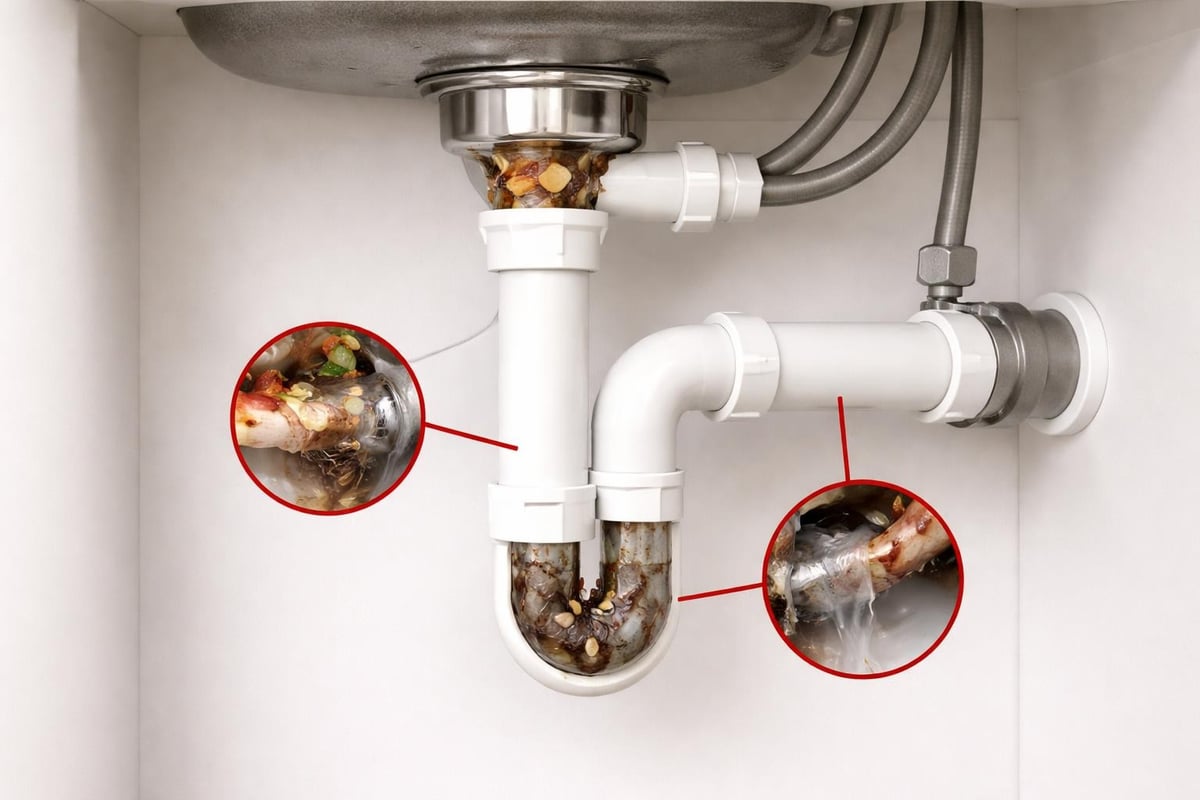
The kitchen and bathroom sinks in your home face constant pressure from various substances that gradually accumulate within the drainage system. Food particles constitute one of the primary culprits, particularly in kitchen sinks where small scraps slip past without proper straining. Even with careful washing habits, tiny fragments of vegetables, pasta, rice, and other foods collect in the pipes over time.
Grease and fat buildup presents an especially problematic cause of drainage issues. When hot cooking oil or fatty substances travel down your drain, they coat the interior of pipes. As these substances cool, they solidify and create a sticky surface that traps other debris. Common causes of blocked drains include this gradual accumulation of fats, which can eventually form a complete obstruction.
The Role of Hair and Soap Residue
Bathroom sinks face different challenges compared to their kitchen counterparts. Hair combines with soap scum to form particularly stubborn blockages that develop gradually over months or years. The soap residue binds the hair strands together, creating a dense mat that restricts water flow.
Personal care products contribute additional materials that compound the problem:
- Toothpaste residue
- Shaving cream remnants
- Facial cleansers and exfoliants
- Hair styling products
Recognising the Warning Signs Early
Professional plumbers at Castle Heating Kent emphasise that early detection prevents minor inconveniences from becoming major emergencies. A blocked sink typically announces itself through several progressive symptoms that worsen without intervention.
Slow drainage represents the earliest indicator. Water that previously drained within seconds now takes noticeably longer to clear from the basin. This sluggish movement suggests a partial blockage that's restricting flow without completely stopping it.
Unusual sounds accompany drainage problems as air struggles to move through restricted pipes. Gurgling or bubbling noises indicate that water is finding alternative routes through the blockage, displacing air in the process. These acoustic warnings should prompt immediate investigation.
| Warning Sign | What It Indicates | Urgency Level |
|---|---|---|
| Slow drainage | Partial blockage forming | Moderate |
| Gurgling sounds | Air trapped in pipes | Moderate |
| Standing water | Near-complete blockage | High |
| Unpleasant odours | Decomposing organic matter | High |
| Multiple affected fixtures | Main drain involvement | Critical |
Foul odours emerge when organic materials begin decomposing within your pipes. Food particles, hair, and soap residue create an environment where bacteria thrive, producing unpleasant smells that permeate your home. This biological activity not only affects air quality but also indicates significant buildup requiring professional attention.
DIY Methods for Clearing Minor Blockages
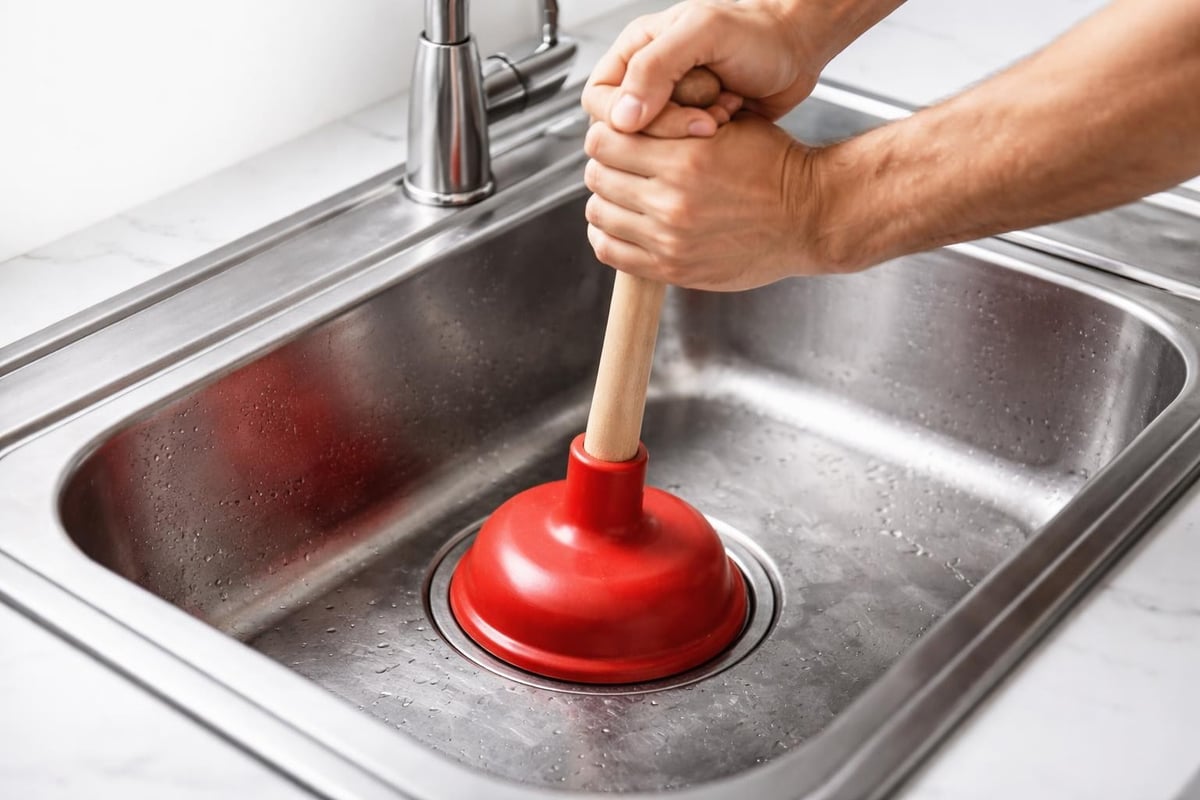
Before contacting professional services, homeowners can attempt several proven techniques for addressing less severe drainage issues. These methods work effectively for recent blockages that haven't yet solidified into major obstructions.
The Boiling Water Method
The simplest approach involves pouring boiling water directly down the affected drain. This technique proves particularly effective against grease-based blockages, as the high temperature melts fatty deposits and flushes them through the system.
Important safety considerations:
- Use appropriate containers to prevent scalding
- Pour slowly to allow heat penetration
- Repeat the process two or three times
- Wait between applications for maximum effect
Natural Cleaning Solutions
Understanding causes of blocked sinks and how to fix them often leads homeowners to baking soda and vinegar combinations. This chemical reaction creates fizzing action that dislodges debris without damaging pipes.
Pour half a cup of baking soda into the drain, followed immediately by half a cup of white vinegar. Cover the drain opening to contain the reaction within the pipes. After 30 minutes, flush thoroughly with hot water. This method addresses both organic buildup and odour-causing bacteria.
When Professional Intervention Becomes Necessary
Whilst DIY methods resolve many minor issues, certain situations demand professional expertise. Attempting to force a solution with unsuitable tools or harsh chemicals can worsen the problem, potentially damaging pipes and creating more expensive repairs.
Signs you need professional help:
- Blockages that recur within days or weeks
- Multiple fixtures draining slowly simultaneously
- Water backing up in unexpected locations
- Visible pipe damage or leaks
- Complete stoppage preventing any drainage
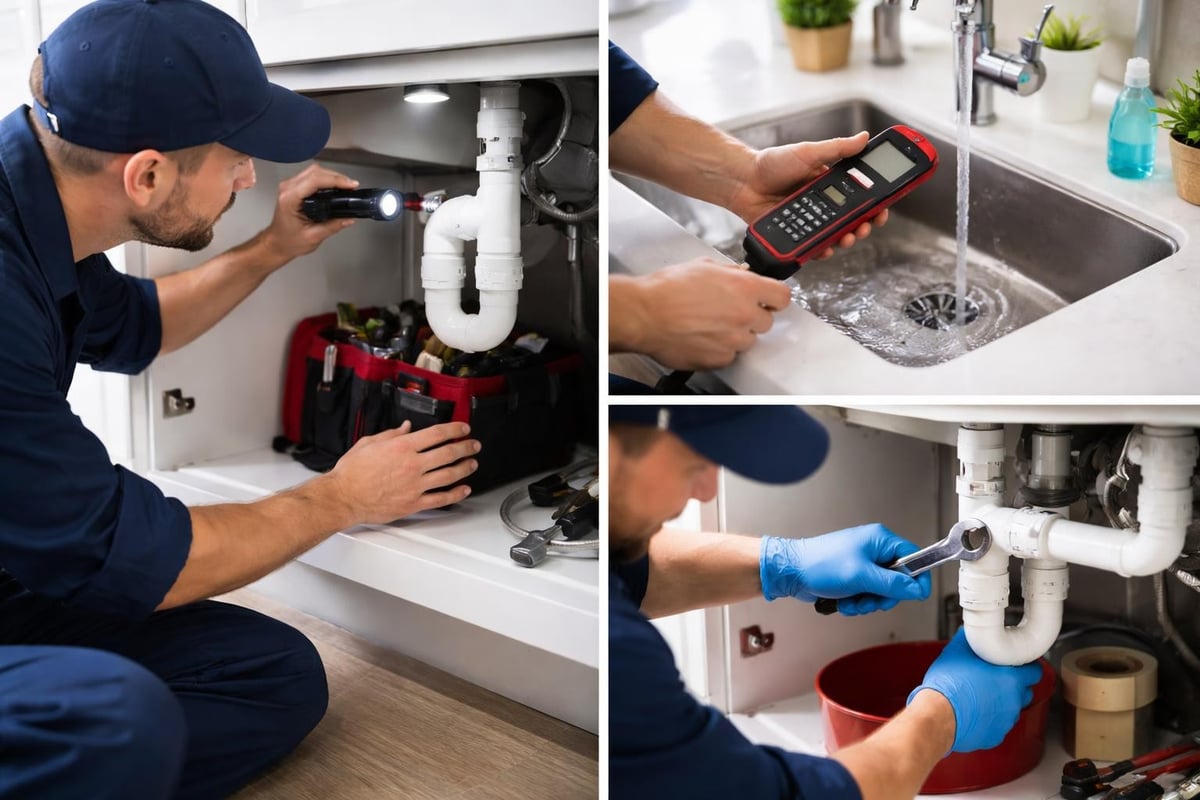
The drainage services provided by qualified professionals include advanced diagnostic equipment that identifies the precise location and nature of blockages. Camera inspections reveal problems invisible to homeowners, enabling targeted solutions rather than guesswork.
Professional plumbers possess specialised tools that safely clear obstructions without compromising your plumbing system's integrity. Drain snakes, hydro-jetting equipment, and professional-grade augers remove stubborn blockages that resist home remedies. These tools require training and experience to operate effectively without causing collateral damage.
Preventive Measures for Long-Term Protection
Prevention consistently proves more economical and convenient than repeatedly addressing drainage emergencies. Implementing simple daily habits protects your plumbing investment and maintains smooth water flow throughout your property.
Kitchen Sink Protection Strategies
Proper waste disposal forms the foundation of blockage prevention. Scrape plates thoroughly before washing, directing food scraps into the bin rather than allowing them to travel down the drain. Even with a food waste disposal unit, certain items should never enter your plumbing system.
Items to keep out of your sink include:
- Coffee grounds
- Eggshells
- Fibrous vegetables
- Pasta and rice
- Grease and cooking oils
Drain strainers provide inexpensive protection that catches debris before it enters your pipes. These simple devices sit in your sink drain, collecting particles that you can easily dispose of in the bin. Regular cleaning of these strainers takes seconds but prevents hours of frustration.
Prevention tips for blocked drains emphasise the importance of proper grease disposal. Allow cooking fats to cool and solidify in a container, then discard with household waste. This simple practice eliminates the primary cause of kitchen sink blockages.
Bathroom Sink Maintenance
Hair management represents the critical challenge for bathroom drainage. Installing hair catchers over drains traps strands before they enter pipes, where they bind with soap and create stubborn blockages. These inexpensive accessories require regular cleaning but dramatically reduce professional callout frequency.
Weekly maintenance routines keep drains flowing freely:
- Remove and clean drain covers or stoppers
- Flush drains with hot water
- Use natural cleaning solutions monthly
- Inspect visible pipes for early warning signs
| Prevention Method | Cost | Effectiveness | Maintenance Required |
|---|---|---|---|
| Drain strainers | Low | High | Weekly cleaning |
| Hot water flushing | Minimal | Moderate | Weekly application |
| Baking soda treatments | Low | Moderate | Monthly application |
| Professional inspection | Medium | Very High | Annual service |
The Hidden Costs of Neglecting Drainage Issues
Procrastination regarding a blocked sink creates cascading problems that extend far beyond temporary inconvenience. Water that cannot drain properly finds alternative routes, potentially causing structural damage that requires extensive remediation.
Pipe corrosion accelerates when standing water remains in contact with metal components for extended periods. The chemicals present in cleaning products, combined with organic acids from decomposing matter, create a corrosive environment. Over time, this deterioration leads to leaks that damage cabinets, flooring, and structural elements.
Persistent moisture encourages mould growth within cabinets and wall cavities surrounding affected plumbing. These biological contaminants present serious health risks, particularly for family members with respiratory sensitivities. Professional mould remediation adds substantial costs to what began as a simple drainage issue.
Chemical Drain Cleaners: Considerations and Cautions
Commercial drain cleaning products promise quick solutions but require careful consideration before use. These powerful chemicals generate heat and produce caustic reactions that dissolve organic materials, but they also present significant drawbacks.
Pipe damage risks increase with repeated chemical cleaner use. Older metal pipes and modern PVC systems both suffer degradation from harsh chemical exposure. The intense heat generated during the cleaning reaction can warp plastic pipes or corrode metal connections, creating leaks that require expensive repairs.
Environmental impact represents another consideration that conscientious homeowners increasingly prioritise. Solutions for clearing sink blockages often recommend natural alternatives that prove gentler on both plumbing systems and the environment.
Safer Alternatives to Harsh Chemicals
Enzymatic drain cleaners offer a gentler approach that works gradually to break down organic materials. These biological solutions use natural enzymes and bacteria to digest the substances causing blockages without producing harmful fumes or damaging pipes.
Professional plumbers can recommend appropriate products for your specific situation, considering factors such as pipe age, material composition, and blockage severity. This personalised guidance prevents the trial-and-error approach that often proves both expensive and ineffective.
The Impact of Hard Water on Drainage Systems
Kent homeowners frequently contend with hard water conditions that compound drainage challenges. Mineral deposits from calcium and magnesium gradually accumulate on pipe interiors, reducing effective diameter and encouraging other debris to attach more readily.
Scale buildup creates rough surfaces where smooth passage previously existed. This roughness catches passing particles that would otherwise flow freely through the system. Over months and years, this accumulation significantly restricts water flow, creating slow drainage that mimics blockages from other causes.
Water softening systems address this underlying issue by removing minerals before they enter your plumbing system. Whilst representing a larger investment than simple drain cleaning, these systems protect your entire household plumbing network, including sinks, appliances, and heating systems that Castle Heating Kent installs and services.
Modern Solutions and Technology
Professional plumbing services now employ sophisticated diagnostic tools that identify problems with remarkable precision. CCTV drain cameras navigate through pipe systems, transmitting real-time footage that reveals blockage locations, pipe condition, and potential future problem areas.
Hydro-jetting technology utilises high-pressure water streams to scour pipe interiors clean. This method proves especially effective for stubborn blockages and accumulated scale that resist conventional snaking techniques. The process thoroughly cleans pipes without chemical exposure or physical pipe damage.
Smart home technology increasingly extends to plumbing systems, with sensors that detect abnormal water flow patterns and alert homeowners to potential blockages before complete failure occurs. These preventive notifications enable early intervention that prevents emergency situations.
Regional Considerations for Kent Homeowners
Properties throughout Kent face unique challenges based on local water composition, property age, and regional building practices. Victorian and Edwardian homes in Rochester and Gravesend often feature original cast iron drainage systems that require specialised care and understanding.
Period property considerations:
- Older pipe materials more susceptible to corrosion
- Non-standard pipe dimensions requiring custom solutions
- Heritage considerations affecting modification options
- Access limitations in properties with complex layouts
Modern developments present different challenges, including builder-grade plumbing that may not meet optimal standards. New homeowners benefit from professional inspections that identify potential problems before they manifest as blocked drains or other failures.
Seasonal Factors Affecting Drainage Performance
Different times of year present varying challenges for household plumbing systems. Autumn leaves and garden debris can enter outdoor drainage components connected to your sink waste system. Regular inspection and cleaning of external waste pipes prevent these seasonal materials from causing indoor blockages.
Winter temperatures affect grease solidification rates, making fatty substances more likely to congeal within pipes. Why your sink becomes blocked and professional solutions emphasise increased vigilance during colder months when heating systems also demand attention from qualified engineers.
Summer garden parties and increased cooking activity place additional stress on drainage systems. Planning ahead with professional maintenance before peak usage periods ensures your plumbing handles increased demands without failure.
Emergency Response and Service Availability
Plumbing emergencies rarely occur at convenient times. A completely blocked sink that prevents all drainage requires immediate professional attention, particularly when affecting your only kitchen or bathroom facility. Understanding what constitutes a true emergency versus a situation that can wait until normal business hours helps you make appropriate decisions.
True emergency indicators:
- Water backing up into living spaces
- Visible pipe leaks or failures
- Sewage odours indicating system backup
- Multiple fixtures affected simultaneously
Established service providers maintain emergency response capabilities for situations requiring immediate intervention. However, many apparent emergencies actually represent preventable problems that regular maintenance would have avoided entirely.
The Value of Professional Relationships
Developing an ongoing relationship with qualified plumbing professionals provides numerous advantages beyond simply fixing problems as they arise. Regular service visits enable technicians to become familiar with your property's unique characteristics, creating efficiency when issues do occur.
Annual inspection programmes identify developing problems before they cause failures. These scheduled visits typically include:
- Visual inspection of all accessible plumbing
- Drainage system performance testing
- Pipe condition assessment
- Preventive cleaning and maintenance
- Recommendations for future improvements
Documentation from these visits creates a maintenance history that proves valuable for insurance purposes and property valuations. Prospective buyers increasingly request evidence of professional plumbing maintenance when considering property purchases.
A blocked sink might seem like a minor inconvenience, but addressing drainage issues promptly protects your property from extensive damage whilst maintaining household functionality. Whether you're dealing with a stubborn blockage that won't respond to home remedies or you're interested in establishing a preventive maintenance schedule, professional support makes all the difference. The experienced team at Castle Heating Kent brings over 20 years of expertise to every drainage challenge, combining modern diagnostic technology with time-tested plumbing knowledge to keep Kent homes running smoothly. Contact us today to discuss your plumbing needs and discover how our comprehensive services protect your most valuable investment.

