
Boiler Emergency: Essential Steps to Protect Your Home
When your heating system fails unexpectedly, knowing how to respond to a boiler emergency can mean the difference between a minor inconvenience and a major disaster. Domestic properties across Kent face various heating challenges throughout the year, and understanding the proper protocols for emergency situations protects both your family and your property. A boiler emergency demands immediate attention, whether you're dealing with a gas leak, complete system failure, or dangerous carbon monoxide levels. This comprehensive guide outlines the critical steps homeowners should take when facing urgent boiler issues, ensuring safety whilst minimising damage and disruption.
Recognising the Signs of a Boiler Emergency
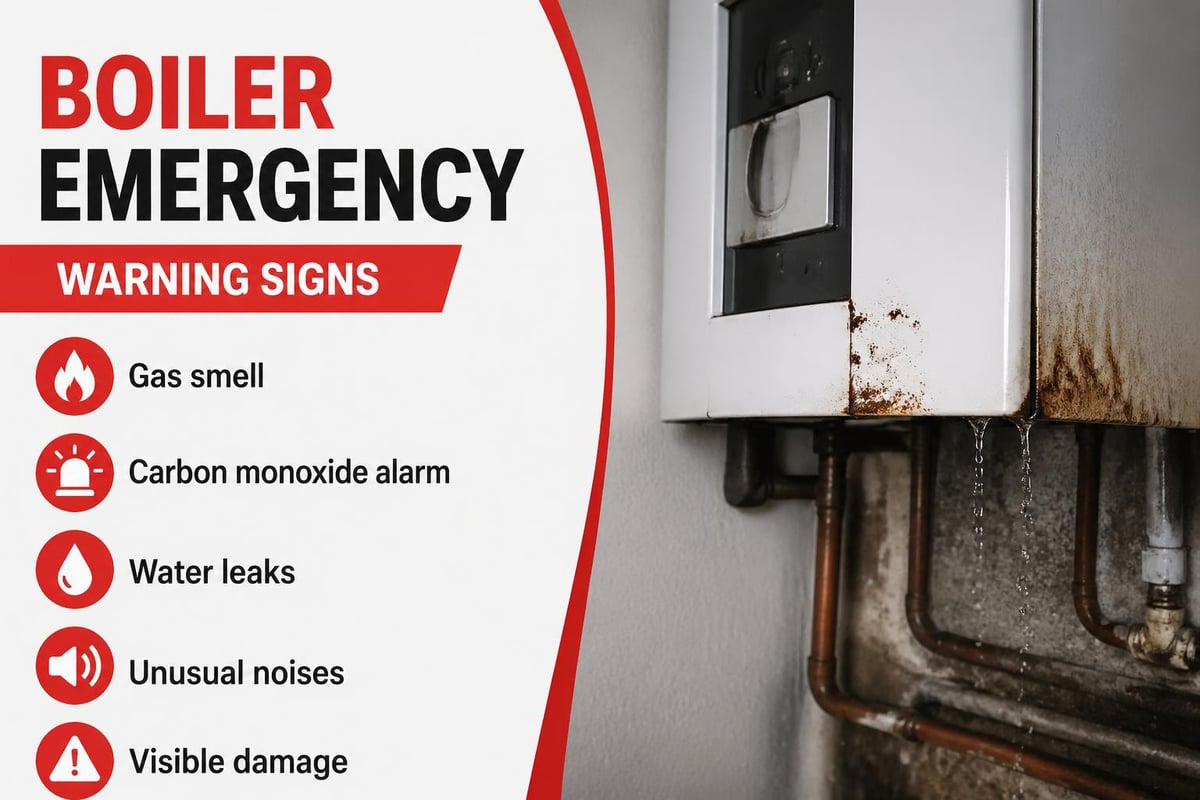
Not every boiler problem constitutes a genuine emergency, but certain warning signs demand immediate action. Understanding these critical indicators helps homeowners respond appropriately and contact professional assistance when necessary.
Immediate danger signals include:
- Strong smell of gas or sulphur around the boiler
- Visible flames or scorch marks on or near the unit
- Carbon monoxide alarm activation
- Sudden complete loss of heating and hot water in freezing conditions
- Large volumes of water leaking from the system
- Unusual loud banging, whistling, or explosive sounds
The distinct odour of gas represents one of the most serious warning signs requiring urgent response. Natural gas suppliers add a distinctive smell to help detect leaks, and any hint of this odour near your boiler demands immediate evacuation and professional intervention. Similarly, carbon monoxide poses an invisible threat that only detection equipment can identify reliably.
Understanding Pressure-Related Issues
Boiler pressure problems can escalate from minor inconveniences to genuine emergencies. Modern combi boilers typically operate between 1.0 and 2.0 bar pressure, and significant deviations from this range indicate potential problems requiring attention.
Excessively high pressure (above 3.0 bar) poses particular risks, as it can damage system components and potentially cause dangerous failures. The steam boiler overpressure emergency response procedure outlined by Industrial Monitor Direct emphasises the importance of immediate action when pressure exceeds safe operating parameters.
Conversely, extremely low pressure prevents your boiler from functioning altogether, leaving you without heating or hot water during critical periods. Whilst low pressure rarely constitutes a dangerous emergency, it requires prompt attention during winter months to prevent frozen pipes and associated damage.
Immediate Actions During a Boiler Emergency
When you suspect a boiler emergency, taking swift and appropriate action minimises risks and prevents escalation. Following a structured response protocol ensures safety whilst awaiting professional assistance.
Gas Leak Protocol
Gas leaks represent the most dangerous type of boiler emergency, demanding immediate and decisive action. The quick safety steps before emergency boiler technicians arrive provide essential guidance for these critical moments.
- Evacuate immediately - Remove all occupants and pets from the property
- Avoid electrical switches - Do not turn lights on or off, as sparks could ignite gas
- Leave doors and windows open - Allow gas to dissipate naturally as you exit
- Call the National Gas Emergency Service - Ring 0800 111 999 from a safe location outside
- Contact your heating engineer - Arrange professional inspection once the gas supplier confirms safety
Never attempt to locate the source of a gas leak yourself or try to repair it. Only Gas Safe registered engineers possess the qualifications and equipment to handle gas safely and legally.
Electrical and Water Supply Management
For non-gas emergencies, controlling power and water supplies forms a crucial early response step. Before taking any action, ensure you can do so safely without risk of electric shock or injury.
Cutting power safely:
- Locate your main fuse box or consumer unit
- Switch off the circuit breaker controlling the boiler
- Only touch electrical components with dry hands
- If water is present near electrical connections, do not approach
Managing water leaks:
- Turn off the main water supply at the stopcock
- Drain the system by opening taps at the lowest point
- Place containers under active leaks
- Move valuable items away from affected areas
Castle Heating Kent's boiler repairs service has responded to countless emergency callouts across Rochester and Gravesend, and engineers consistently emphasise that safe isolation of utilities should always precede any other actions.
Common Boiler Emergency Scenarios
Understanding typical emergency situations helps homeowners prepare mentally and practically for potential issues. Each scenario presents unique challenges requiring specific responses.
| Emergency Type | Warning Signs | Immediate Action | Risk Level |
|---|---|---|---|
| Gas Leak | Sulphur smell, hissing sounds | Evacuate, call 0800 111 999 | Critical |
| Carbon Monoxide | Alarm activation, symptoms | Evacuate, ventilate, seek medical help | Critical |
| Complete Failure | No heating/hot water in freezing weather | Check basics, call engineer | High |
| Major Water Leak | Pooling water, ceiling damage | Isolate water, contain leak | High |
| Pressure Surge | Gauge above 3 bar, relief valve discharge | Turn off boiler, bleed radiators | Moderate |
Complete System Failure in Winter
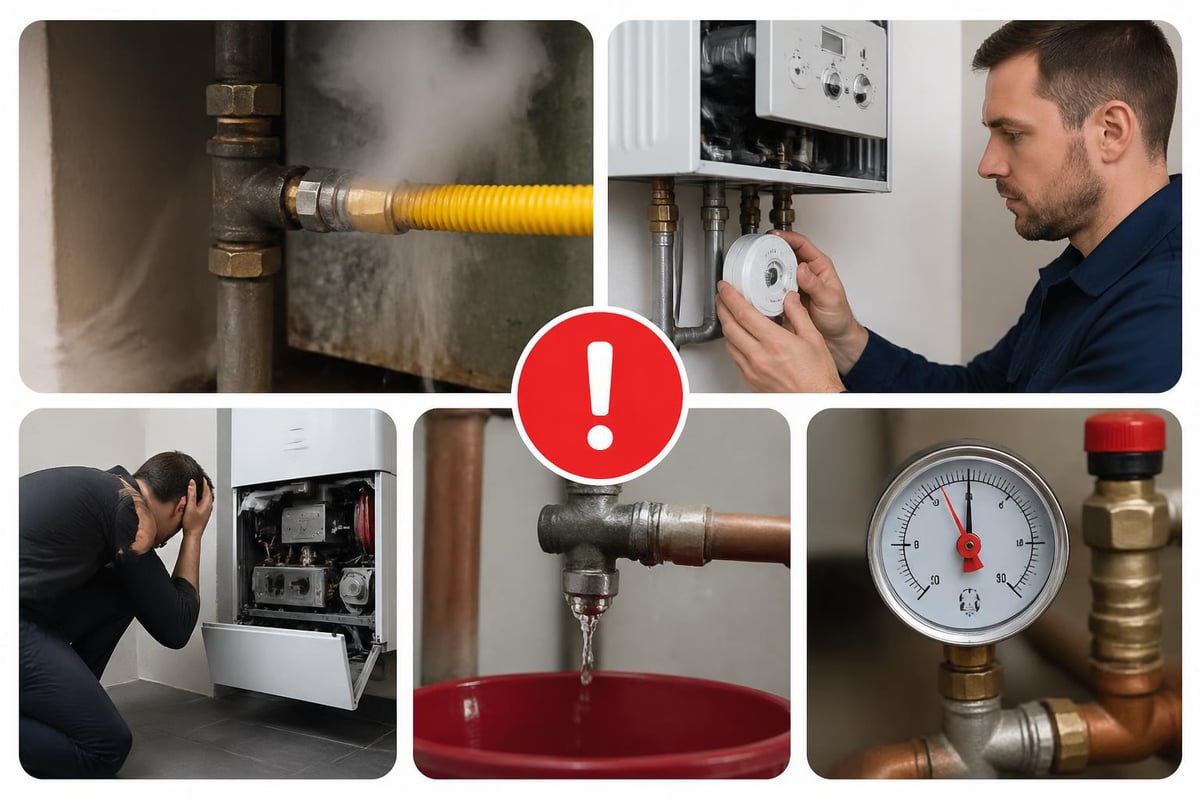
A boiler breakdown during freezing conditions, whilst not immediately life-threatening, can rapidly become a genuine emergency. Frozen pipes may burst, causing extensive water damage, and vulnerable occupants face health risks from prolonged cold exposure.
According to guidance from Cornell University's boiler safety programme, maintaining minimum building temperatures prevents secondary damage that often exceeds the cost of the original boiler repair.
When facing complete heating loss during winter:
- Set thermostats to a minimum of 12°C if possible using alternative heating
- Open kitchen and bathroom cabinet doors to allow warm air circulation around pipes
- Let taps drip slightly to prevent pipe freezing
- Contact emergency heating engineers immediately
- Consider temporary accommodation for vulnerable household members
Many homeowners facing unexpected boiler replacement costs benefit from exploring boiler finance options, which help spread the cost through manageable monthly payments. Weather you want to spread the cost short-term with no interest, or prefer smaller monthly payments over a longer period, flexible financing makes emergency boiler replacement more attainable.

Carbon Monoxide Incidents
Carbon monoxide represents an insidious danger because the gas is colourless, odourless, and tasteless. Only working CO detectors provide reliable warning, making these devices essential safety equipment in any home with gas appliances.
Carbon monoxide poisoning symptoms include:
- Persistent headaches
- Dizziness and confusion
- Nausea and vomiting
- Fatigue and weakness
- Shortness of breath
If your carbon monoxide alarm sounds or household members exhibit symptoms, treat the situation as a critical boiler emergency. Evacuate immediately, seek fresh air, contact emergency services, and arrange medical assessment. The boiler safety guidelines from The Boiler Shoppe emphasise that carbon monoxide incidents require professional investigation even after alarm activation, as the source must be identified and rectified.
Prevention and Preparedness Strategies
The most effective approach to managing boiler emergencies involves preventing them altogether through proper maintenance and preparedness planning. Proactive homeowners significantly reduce their risk of facing dangerous or costly emergency situations.
Regular Maintenance and Servicing
Annual boiler servicing by Gas Safe registered engineers represents your primary defence against emergencies. Professional boiler service appointments identify potential issues before they escalate into dangerous failures.
During comprehensive servicing, qualified engineers:
- Inspect all safety devices and controls
- Test combustion efficiency and emissions
- Check for gas leaks and seal integrity
- Examine heat exchangers for corrosion
- Verify correct operating pressures
- Clean critical components
- Replace worn parts before failure
The Maryland Department of Labor's guidelines on maintaining a safe boiler room highlight that regular professional maintenance dramatically reduces emergency incidents whilst extending equipment lifespan.
Creating an Emergency Response Kit
Preparing an emergency kit specifically for boiler issues ensures you have essential items readily available during crisis situations. This preparation proves particularly valuable during out-of-hours emergencies when professional help may take longer to arrive.
Your boiler emergency kit should include:
- Emergency contact numbers (heating engineer, gas emergency line, insurance)
- Torch with fresh batteries
- Adjustable spanner and basic tools
- Bucket and old towels for leak management
- Emergency heating alternative (safe electric heater)
- Boiler manual and service history
- Building insurance policy details
- List of isolation valve locations
Store this kit in an accessible location that household members can easily locate during stressful situations. Review and update contents annually, replacing batteries and verifying contact information remains current.
Understanding Emergency Response Procedures
Establishing clear protocols before emergencies occur helps household members respond effectively under pressure. The emergency boiler preparedness checklist from Powerhouse provides comprehensive guidance for developing robust emergency plans.
Communication and Documentation
Effective emergency response begins with clear communication channels and proper documentation. Maintain an updated list of emergency contacts prominently displayed near your boiler and in easily accessible household locations.
| Contact Type | Information Required | When to Contact |
|---|---|---|
| Heating Engineer | 24/7 emergency number | Any boiler malfunction |
| Gas Emergency | 0800 111 999 | Gas smell or suspected leak |
| Water Board | Emergency leak line | Major water supply issues |
| Insurance Provider | Claims department number | Damage from boiler failure |
| Carbon Monoxide Advice | 111 (NHS) | Suspected CO poisoning |
Document all boiler maintenance, repairs, and unusual incidents. This history proves invaluable when diagnosing recurring problems and supports insurance claims if emergency situations cause property damage.
Training Household Members
Every adult household member should understand basic boiler emergency procedures. Conduct periodic reviews of emergency protocols, ensuring everyone knows:
- How to identify different types of boiler emergencies
- Location of gas shut-off valves and electrical isolators
- Proper evacuation routes and assembly points
- Emergency contact numbers and when to use them
- Basic first aid for carbon monoxide exposure
Children should understand that adults must handle all boiler-related issues and know to report unusual smells or sounds immediately. This awareness creates an additional safety layer whilst preventing well-intentioned but potentially dangerous intervention attempts.
When to Call Emergency Services
Distinguishing between situations requiring emergency service callouts versus those needing standard engineering visits helps ensure appropriate resource deployment whilst protecting your household.
Call emergency heating engineers immediately for:
- Gas leaks or strong gas odours
- Carbon monoxide alarm activation
- Complete heating failure during freezing weather
- Major water leaks causing property damage
- Boiler fires or visible flames
- Explosive sounds or violent vibrations
Schedule standard callouts for:
- Intermittent heating operation
- Gradual pressure loss
- Minor dripping from overflow pipes
- Error codes without immediate safety concerns
- Reduced efficiency or increased fuel consumption
Castle Heating Kent's experienced team understands the urgency genuine emergencies demand. With Gas Safe registered engineers and comprehensive emergency response capabilities, they provide rapid assistance throughout Kent when boiler emergency situations arise.
Working with Professional Engineers
When emergency engineers arrive, provide them with comprehensive information to facilitate rapid diagnosis and repair. Efficient communication accelerates resolution and may reduce callout costs.
Prepare to share:
- Exact symptoms and when they started
- Any unusual sounds, smells, or visual changes
- Recent maintenance or repair history
- Actions you've already taken
- Boiler make, model, and age
According to Mechanical Knowledge's overview of boiler technician roles, clear symptom reporting significantly improves diagnostic efficiency, particularly during emergency situations where time proves critical.
Long-Term Emergency Prevention
Beyond immediate response planning, implementing long-term strategies substantially reduces boiler emergency likelihood. These preventative measures protect your investment whilst ensuring reliable heating throughout the year.
System Upgrades and Modernisation
Older boilers present increased emergency risks due to worn components, outdated safety features, and reduced reliability. Modern boiler installation incorporates advanced safety systems, improved efficiency, and enhanced diagnostic capabilities.
Contemporary boilers feature:
- Advanced safety interlocks that prevent operation during fault conditions
- Self-diagnostic systems providing early warning of developing problems
- Improved combustion monitoring reducing carbon monoxide risks
- Enhanced pressure relief preventing dangerous overpressure situations
- Integrated freeze protection safeguarding against winter damage
Weighing the pros and cons of gas boilers helps homeowners make informed decisions about replacement timing, balancing emergency risk reduction against investment costs.
Water Quality Management
Poor water quality accelerates boiler deterioration and increases emergency failure likelihood. Limescale accumulation, corrosion, and sludge formation all compromise system integrity and safety.
Professional powerflushing services remove accumulated debris, whilst magnetic filters prevent future contamination. These preventative measures extend boiler lifespan and reduce emergency breakdown probability significantly.
Professional Monitoring and Support
Establishing an ongoing relationship with qualified heating engineers provides numerous emergency prevention benefits. Regular professional oversight identifies developing issues before they reach emergency status.
Benefits of professional support relationships include:
- Priority emergency response during urgent situations
- Familiarity with your specific system configuration
- Proactive component replacement before failures
- Seasonal preparation reducing weather-related emergencies
- Access to manufacturer warranty support
- Compliance with insurance requirements
Castle Heating Kent has served domestic properties across Rochester, Gravesend, and surrounding areas since 2010, building lasting relationships with homeowners who value reliable, professional heating support. Their comprehensive approach to preventative maintenance significantly reduces emergency callout frequency amongst regular service customers.
Insurance and Financial Considerations
Boiler emergency expenses can prove substantial, particularly when emergency callouts occur outside standard business hours or require extensive repairs. Understanding insurance coverage and financial options helps manage these unexpected costs.
Insurance Coverage Assessment
Review your home insurance policy carefully to understand boiler emergency coverage. Many policies include provisions for emergency repairs, temporary accommodation, and damage resulting from heating system failures.
Key insurance questions to clarify:
- Does your policy cover emergency heating engineer callouts?
- What excess applies to boiler-related claims?
- Are consequential damages (frozen pipe bursts) covered?
- Does coverage include temporary heating alternatives?
- Are replacement costs covered or just repair expenses?
Some insurance providers offer specific boiler breakdown cover as policy additions or standalone products. Evaluate whether these additional premiums provide value given your boiler's age, condition, and reliability history.
Emergency Repair Financing
When faced with unexpected boiler replacement needs, particularly during emergency situations, financing options make essential heating restoration financially manageable. Spreading costs through structured payment plans prevents the need to delay critical repairs or compromise on quality.
Many heating companies partner with finance providers to offer flexible payment solutions. These arrangements typically provide interest-free periods for shorter terms or extended repayment options for larger investments, making emergency boiler replacement accessible when immediate capital isn't available.
Seasonal Emergency Preparedness
Different seasons present unique boiler emergency risks requiring tailored preparedness approaches. Understanding seasonal challenges helps homeowners implement appropriate preventative measures throughout the year.
Winter Readiness
Winter represents peak boiler emergency season due to increased system demand, freezing conditions, and extended operation periods. Preparation before cold weather arrives substantially reduces emergency likelihood.
Pre-winter preparation checklist:
- Schedule professional boiler servicing in autumn
- Test heating system fully before temperatures drop
- Bleed radiators and check pressure levels
- Insulate exposed pipes in vulnerable locations
- Verify carbon monoxide detector functionality
- Stock emergency supplies and contact information
- Consider system upgrades if reliability concerns exist
The boiler emergency preparedness guidance emphasises that autumn preparation dramatically reduces winter emergency incidents, as many failures result from issues that could have been identified and resolved during less demanding conditions.
Summer Maintenance Windows
Whilst heating demand drops during warmer months, summer provides ideal opportunities for non-urgent maintenance and upgrades. Scheduling work during this period offers several advantages over peak season timing.
Summer maintenance benefits include greater engineer availability, more flexible scheduling, competitive pricing, and thorough testing opportunities before heating becomes essential. Addressing developing issues during summer prevents them from escalating into winter emergencies when heating proves critical.
Understanding how to recognise, respond to, and prevent boiler emergencies protects your home, family, and finances from the serious consequences heating system failures can cause. With proper preparation, regular maintenance, and access to qualified professional support, you can minimise emergency risks whilst ensuring rapid, effective responses when urgent situations do arise. Castle Heating Kent's Gas Safe registered engineers provide comprehensive emergency response services throughout Rochester, Gravesend, and surrounding Kent areas, backed by over 20 years of experience and a commitment to professional, reliable service. Whether you're facing an immediate boiler emergency or want to implement preventative measures to avoid future crises, contact Castle Heating Kent for expert guidance and support tailored to your specific heating needs.

