
Central Heating Plumbers Near Me: Your Complete Guide
When your central heating system fails during the coldest months, finding reliable central heating plumbers near me becomes an urgent priority. Whether you're dealing with a broken boiler, inefficient radiators, or planning a complete system upgrade, choosing the right heating engineer can make the difference between a quick fix and a costly mistake. This comprehensive guide walks you through everything you need to know about selecting qualified local heating professionals, understanding their services, and ensuring you receive the best value for your investment.
Understanding What Central Heating Plumbers Actually Do
Central heating plumbers specialise in more than just fixing leaks. These professionals are trained to handle complex heating systems, from traditional boilers to modern smart controls.
Core Services Offered
Gas Safe registered engineers provide essential services that keep your home warm and safe throughout the year. Their expertise covers boiler installation, system repairs, and annual servicing that prevents unexpected breakdowns.
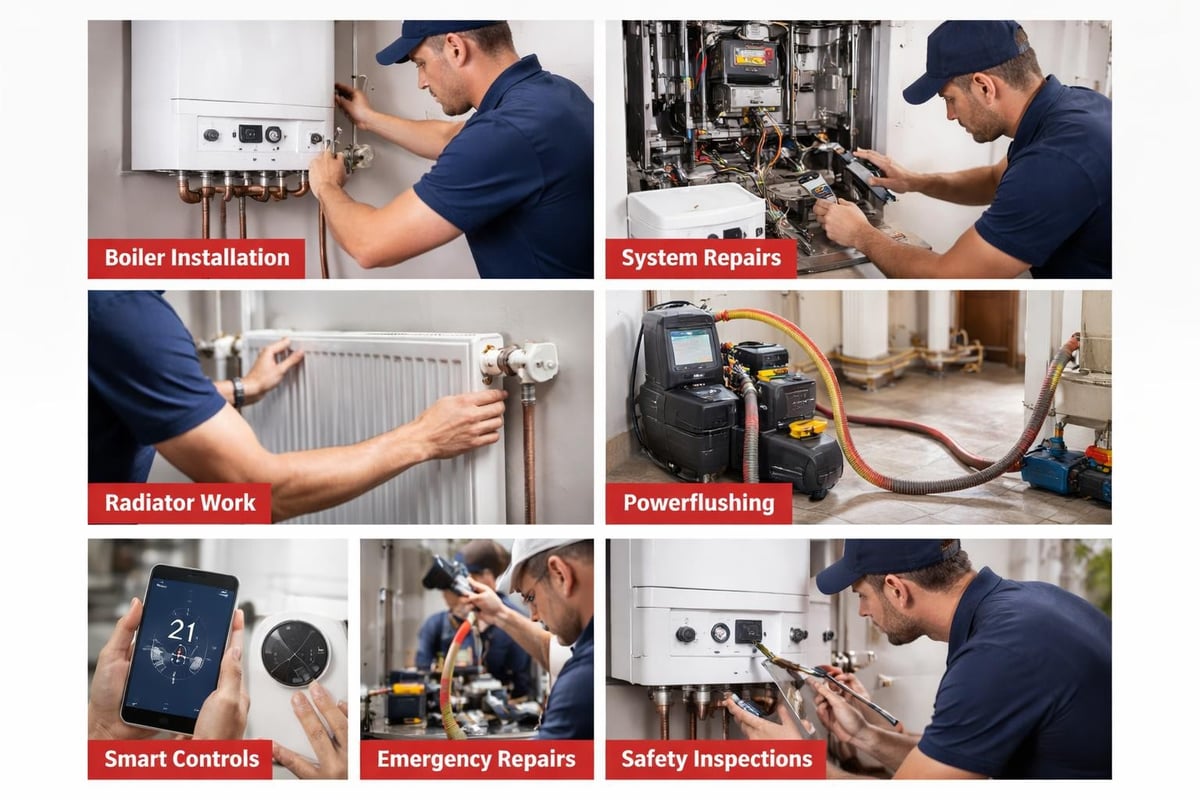
The scope of work typically includes:
- Boiler installation, replacement, and upgrades
- Central heating system design and installation
- Radiator repairs, replacements, and balancing
- System powerflushing and maintenance
- Smart thermostat installation and programming
- Emergency breakdown repairs
- Gas safety inspections and certification
Beyond these basics, experienced heating engineers diagnose issues that homeowners often miss. A qualified professional from Castle Heating Kent can identify inefficiencies in your current system and recommend improvements that reduce energy bills while improving comfort.
Qualifications You Should Verify
Not all plumbers are qualified to work on gas heating systems. Gas Safe registration is the only legally recognised proof that an engineer can safely work on gas appliances in the UK.
When searching for central heating plumbers near me, always verify these credentials:
| Qualification | Why It Matters | How to Check |
|---|---|---|
| Gas Safe Registration | Legal requirement for gas work | Check Gas Safe Register online |
| Manufacturer Certifications | Warranty protection and expertise | Ask for accreditation proof |
| Public Liability Insurance | Protection for your property | Request insurance certificate |
| Customer Reviews | Real-world performance history | Check Checkatrade, Google, Trustpilot |
Professional engineers should willingly share their credentials. If a tradesperson hesitates or cannot provide proof of registration, walk away immediately.
How to Find Qualified Central Heating Plumbers Near You
The search for central heating plumbers near me requires more than a simple Google query. Strategic research ensures you find trustworthy professionals who deliver quality work.
Online Search Strategies
Start with specific search terms that include your location. "Central heating plumbers Rochester" or "Gas Safe engineers Gravesend" yield more relevant results than generic searches.
Review platforms provide valuable insights into local engineers' reliability and workmanship. Customer testimonials reveal patterns of service quality that marketing materials never show.
Consider these research approaches:
- Search the Gas Safe Register directly by postcode
- Check local trade directories like Checkatrade and TrustATrader
- Read recent Google reviews, focusing on detailed feedback
- Visit company websites to assess professionalism and service range
- Ask for recommendations in local community Facebook groups
Word-of-Mouth Recommendations
Personal referrals remain the most trusted method for finding reliable tradespeople. Neighbours, friends, and family who've recently had heating work done can provide honest assessments based on firsthand experience.
When gathering recommendations, ask specific questions:
- How quickly did the engineer respond to your enquiry?
- Was the quote detailed and transparent?
- Did they complete the work on time and within budget?
- Would you use them again for future heating work?
Local businesses and property managers often maintain relationships with dependable heating engineers. Estate agents and landlords in areas like Rochester and Gravesend typically know which companies deliver consistent results.

What to Expect When Contacting Heating Engineers
Professional heating companies follow structured processes from initial contact through project completion. Understanding these steps helps you identify quality service providers.
Initial Consultation and Assessment
Reputable engineers conduct thorough assessments before providing quotes. They'll ask about your current system, heating requirements, property size, and any specific concerns you've noticed.
Site visits are essential for accurate quotations. Beware of engineers who provide firm prices over the phone without inspecting your property. According to FieldInsight's maintenance guidance, professional heating technicians need to assess multiple factors including system age, property layout, and existing pipework.
During the visit, observe how the engineer approaches the assessment. Do they take measurements? Ask detailed questions? Inspect the current system carefully? These behaviours indicate thoroughness and professionalism.
Understanding Quotations
Detailed quotes break down costs transparently, separating labour, materials, and additional expenses. This clarity prevents disputes and unexpected charges later.
A comprehensive quotation should include:
- Labour costs with estimated timeframes
- Specific equipment models and manufacturer details
- Materials and components required
- Any necessary building work or alterations
- Waste disposal and site cleanup
- Warranty information for parts and labour
- Payment terms and schedule
Compare multiple quotes, but remember that the cheapest option rarely represents the best value. Quality materials, experienced engineers, and comprehensive warranties justify higher prices.
Cost Factors for Central Heating Work
Understanding pricing structures helps you budget appropriately and recognise fair market rates when searching for central heating plumbers near me.
Service Call and Diagnosis Fees
Many heating engineers charge call-out fees, typically between £60 and £120 depending on your location and timing. Emergency or out-of-hours calls command premium rates, sometimes doubling standard charges.
Diagnostic work often requires specialist equipment to identify faults accurately. Modern boilers contain complex electronics that need professional testing tools, justifying these initial fees.
Some companies waive call-out charges if you proceed with recommended repairs. Always clarify fee structures during your initial enquiry to avoid surprises.
Installation and Repair Pricing
Major installations represent significant investments. New boiler installations typically range from £1,800 to £3,500, depending on boiler type, complexity, and property requirements.
| Service Type | Typical Price Range | Factors Affecting Cost |
|---|---|---|
| Boiler Repair | £150 - £400 | Fault complexity, parts required |
| Radiator Replacement | £150 - £300 per radiator | Size, type, pipework changes |
| System Powerflush | £300 - £600 | System size, contamination level |
| Boiler Installation | £1,800 - £3,500 | Boiler type, property modifications |
| Central Heating Install | £3,000 - £6,000+ | Property size, system complexity |
For homeowners concerned about upfront costs, financing options can make essential heating upgrades more manageable. Boiler finance schemes spread payments over manageable monthly instalments, with some offering interest-free periods that reduce the financial burden of necessary replacements.

Transparent pricing demonstrates professionalism. Engineers should explain what drives costs and offer alternatives where possible, helping you make informed decisions aligned with your budget.
Hidden Costs to Consider
Beyond quoted prices, several additional expenses can emerge during heating work. Scaffolding for external flue installations, upgraded pipework for improved efficiency, and building work to accommodate new equipment can add hundreds of pounds to projects.
Disposal fees for old boilers and removed radiators aren't always included in standard quotes. Clarify whether your quotation covers complete project costs or if additional charges might apply.
Planning permission or building regulations approval rarely affects domestic heating work, but significant system changes in listed buildings or conservation areas might require additional permissions that incur costs.
Essential Questions to Ask Before Hiring
Thorough vetting separates experienced professionals from opportunistic cowboys. The right questions reveal an engineer's expertise and approach to customer service.
Technical Expertise and Experience
Ask about experience with your specific heating system type. Combi boilers, system boilers, and conventional boilers each require different knowledge and installation approaches.
Manufacturer training ensures engineers understand specific boiler models thoroughly. Companies maintaining partnerships with major manufacturers receive regular training updates on new technologies and best installation practices.
Questions to pose include:
- How many years have you worked as a Gas Safe engineer?
- Are you qualified to work on my specific boiler brand?
- What manufacturer certifications do you hold?
- How many similar installations have you completed recently?
- Do you offer extended warranties on your work?
Warranty and Guarantee Information
Comprehensive warranties protect your investment. Manufacturer guarantees typically cover parts for 2-10 years, whilst labour warranties reflect the installer's confidence in their workmanship.
Extended warranties often depend on using approved installers. Many manufacturers void guarantees if unqualified engineers perform installation work, making Gas Safe registration essential for warranty protection.
Clarify what scenarios the warranty covers and doesn't cover. Normal wear and tear receives different treatment than installation defects or faulty components.
Red Flags When Selecting Heating Engineers
Recognising warning signs prevents costly mistakes and dangerous installations. Certain behaviours indicate unreliable or unqualified tradespeople.
Pressure Tactics and Rushed Decisions
Legitimate engineers never pressure immediate decisions. Companies offering "today only" discounts or claiming your boiler needs emergency replacement without proper diagnosis often employ questionable practices.
High-pressure sales techniques serve the engineer's interests, not yours. Professional companies provide detailed information and allow you time to consider options and compare quotes.
Be wary of engineers who:
- Demand immediate deposits without providing written quotes
- Cannot provide verifiable references or reviews
- Offer prices significantly below market rates
- Discourage getting second opinions
- Rush through assessments without thorough inspection
Incomplete Documentation
Professional heating engineers provide comprehensive paperwork at every stage. Missing documentation suggests corners being cut elsewhere.
Essential documents include:
- Detailed written quotations before work begins
- Gas Safety certificates upon completion
- Manufacturer warranty registration
- Building regulations compliance certificates
- Detailed invoices showing work completed
Following the ENERGY STAR maintenance checklist principles, proper documentation ensures your system receives appropriate servicing throughout its lifespan and maintains efficiency.
Maintenance Contracts and Ongoing Support
Annual servicing extends system lifespan and maintains efficiency. Many central heating plumbers near me offer maintenance contracts that provide peace of mind and cost savings.
Annual Service Agreements
Regular boiler servicing prevents breakdowns and maintains warranty coverage. Most manufacturers require annual servicing as a condition of extended guarantees.
Maintenance contracts typically include annual boiler servicing, priority emergency response, and discounted repair rates. These agreements often cost £80-£150 annually, representing excellent value considering standard service call charges.
Benefits extend beyond warranty compliance. According to Anderson Air's maintenance checklist, regular inspections identify potential issues before they cause complete system failures, avoiding expensive emergency repairs during winter months.
Emergency Response Times
Heating failures rarely happen at convenient times. Companies offering 24/7 emergency services provide crucial support when you need it most.
Response commitments vary between companies. Some guarantee attendance within 4 hours, whilst others operate next-day policies. Contract holders typically receive priority treatment over non-contract customers.
Clarify emergency coverage terms before signing contracts. Understand whether evening, weekend, and bank holiday callouts incur additional charges, and how the company defines "emergency" versus "urgent" repairs.
Specialist Services Beyond Basic Repairs
Modern heating technology offers opportunities for improved efficiency and comfort. Experienced central heating plumbers provide installation and support for advanced systems.
Smart Heating Controls
Smart thermostats and heating controls deliver significant energy savings through intelligent scheduling and remote management. Smart heating controls allow you to adjust heating from your smartphone, ensuring you never waste energy heating an empty home.
Professional installation ensures proper integration with your existing system. DIY installations often result in incorrect wiring or configuration that prevents the system realising its full potential.
Popular systems include Nest, Hive, and Tado, each offering different features and capabilities. Qualified engineers advise which system best suits your property and lifestyle.
System Upgrades and Conversions
Older heating systems waste considerable energy through inefficiency. Heating conversions to modern condensing boilers can reduce fuel bills by 30% or more.
Powerflushing removes sludge and debris that accumulate in older systems, restoring efficiency and extending component lifespan. This service proves particularly valuable before installing new boilers, as contaminated systems can damage new equipment and void warranties.
System design improvements address cold spots, noisy pipes, and uneven heating distribution. Experienced engineers balance radiators, upgrade pipework, and install additional components that resolve long-standing comfort issues.
Regional Considerations for Kent Homeowners
Location influences heating requirements and engineer availability. Properties across Kent face specific challenges that affect system selection and maintenance.
Local Climate Factors
Kent's coastal proximity creates unique humidity and temperature conditions. Properties near Gravesend and Rochester experience different weather patterns than inland areas, affecting heating demands and equipment performance.
Coastal corrosion accelerates equipment deterioration in some areas. Stainless steel heat exchangers and corrosion-resistant components prove worthwhile investments for properties within ten miles of the coast.
Winter temperatures across Kent typically range from 2°C to 8°C, requiring reliable heating systems capable of maintaining comfortable indoor temperatures without excessive energy consumption.
Property Types in the Region
Kent's housing stock spans Victorian terraces, post-war estates, and modern developments. Each property type presents distinct heating challenges and opportunities.
Period properties often lack cavity walls and modern insulation, increasing heating demands. Central heating installation in older buildings requires careful planning to accommodate pipework without damaging period features.
Modern building regulations impose stricter efficiency requirements. New installations must meet current standards, sometimes necessitating additional components like weather compensation or enhanced controls.
Long-Term Value and System Lifespan
Quality installations deliver decades of reliable service. Understanding equipment lifespans and maintenance requirements helps you plan long-term heating strategies.
Expected Equipment Lifespan
Modern condensing boilers typically last 10-15 years with proper maintenance. Traditional boilers in well-maintained systems can exceed 20 years, though efficiency decreases over time.
Component replacement becomes necessary long before complete system failure. Pumps, valves, and thermostats require periodic renewal, typically every 7-10 years depending on usage and water quality.
Regular servicing dramatically extends equipment life. As noted by Bola Systems' maintenance guide, proper upkeep ensures economical operation and prevents premature failure, protecting your investment.
Return on Investment
Premium equipment and professional installation command higher initial costs but deliver superior long-term value through reduced fuel bills and fewer repairs.
| Investment Area | Initial Cost Impact | Long-term Benefit |
|---|---|---|
| High-Efficiency Boiler | +£300-£600 | 15-20% lower fuel bills annually |
| Professional Installation | +£200-£400 | Extended warranty, fewer callbacks |
| Smart Controls | +£150-£300 | 10-15% heating cost reduction |
| Annual Servicing | £100-£150/year | Extended lifespan, maintained efficiency |
Calculate payback periods by dividing additional costs by annual savings. High-efficiency upgrades typically pay for themselves within 5-7 years, continuing to deliver savings throughout their operational life.
Safety Considerations and Legal Requirements
Gas heating work carries serious safety implications. Understanding regulations protects your family and ensures legal compliance.
Gas Safety Regulations
Only Gas Safe registered engineers can legally work on gas appliances and pipework. Unqualified work endangers lives through carbon monoxide risks and explosion hazards.
Annual gas safety checks are legally required for rental properties. Homeowners benefit equally from regular inspections, even though they're not legally mandated for owner-occupied homes.
Carbon monoxide detectors provide essential protection. Professional engineers install detectors in appropriate locations and test them during service visits, ensuring your early warning system functions correctly.
Building Regulations Compliance
Significant heating work requires building regulations approval. New boiler installations must meet current efficiency standards and receive proper certification upon completion.
Competent person schemes allow Gas Safe engineers to self-certify work, simplifying the approval process. Ensure your chosen engineer provides proper completion certificates, as these documents prove compliance if you later sell your property.
Non-compliant installations create legal liabilities and can affect property insurance. Mortgage lenders increasingly request gas safety documentation during property transactions, making proper certification essential for resale value.
Seasonal Timing and Planning
Strategic timing reduces costs and ensures availability when you need service most.
Best Times to Book Heating Work
Summer months offer significant advantages for non-emergency heating work. Engineers face lower demand, potentially offering competitive pricing and flexible scheduling.
Pre-winter installations avoid the autumn rush when everyone suddenly remembers their heating needs. Booking work in August or September ensures completion before cold weather arrives whilst avoiding peak-season pricing.
Emergency repairs don't respect scheduling preferences. Maintaining your system through regular servicing, as recommended by The Energy Experts' maintenance advice, minimises the risk of inconvenient winter breakdowns.
Weather-Dependent Considerations
External work including flue installations and outdoor equipment housing requires dry conditions. Kent's autumn and winter weather often delays projects, creating scheduling uncertainties.
Indoor installations proceed regardless of weather, though extreme cold complicates testing and commissioning. Plan major work during mild periods when possible to avoid weather-related delays.
Consider your household's needs when scheduling work. If elderly relatives or young children live in your home, ensure alternative heating arrangements during installation periods, or schedule work when they can stay elsewhere.
Getting the Most from Your Heating Investment
Maximising system performance requires ongoing attention beyond initial installation. Simple practices significantly improve efficiency and comfort.
Optimising System Performance
Correct radiator balancing ensures even heat distribution throughout your property. Professional powerflushing removes debris that prevents efficient heat transfer, often dramatically improving system performance.
Thermostatic radiator valves provide room-by-room temperature control, preventing energy waste in unused spaces. Upgrade old manual valves to programmable TRVs for enhanced comfort and efficiency.
Bleeding radiators releases trapped air that creates cold spots. This simple maintenance task takes minutes but significantly improves heating effectiveness.
Energy Efficiency Measures
Insulation and draught-proofing complement heating system efficiency. Even the most efficient boiler wastes energy if heat escapes through poor insulation.
Implement these cost-effective improvements:
- Install reflective radiator panels behind radiators on external walls
- Upgrade loft insulation to at least 270mm depth
- Draught-proof windows, doors, and letterboxes
- Consider cavity wall insulation for suitable properties
- Service your boiler annually to maintain peak efficiency
Following Armadillo's maintenance tips, routine attention to your heating system ensures it operates efficiently throughout its lifespan, minimising running costs whilst maximising comfort.
Finding reliable central heating plumbers near me requires careful research, thorough vetting, and attention to qualifications and customer feedback. By verifying Gas Safe registration, comparing detailed quotes, and selecting experienced professionals who demonstrate transparent practices, you protect your investment whilst ensuring safe, efficient heating for years to come. Whether you're facing an emergency breakdown or planning a system upgrade, Castle Heating Kent provides the expertise, professionalism, and customer-focused service that Kent homeowners have trusted since 2010, backed by Gas Safe registered engineers with over 20 years of experience serving properties throughout Rochester, Gravesend, and surrounding areas.

