
Complete Drainage Guide: Tips for Effective Water Management 2026
Water management in the UK is facing growing challenges from climate change, urbanisation, and more frequent extreme weather. Homeowners, landlords, and property managers are increasingly at risk of property damage, flooding, and expensive repairs due to poor drainage.
As the demand for effective solutions rises, it is crucial to stay ahead with the most current advice. This guide delivers expert tips and actionable strategies for 2026, ensuring your drainage system is future-proof.
Explore this comprehensive guide for insights on drainage fundamentals, system types, planning, installation, maintenance, regulations, and the latest trends in water management.
Understanding Drainage Fundamentals
Effective drainage is the foundation of resilient property management. As the UK faces heavier rainfall and more unpredictable weather, understanding drainage fundamentals becomes essential for every homeowner and property manager.
The Importance of Effective Drainage
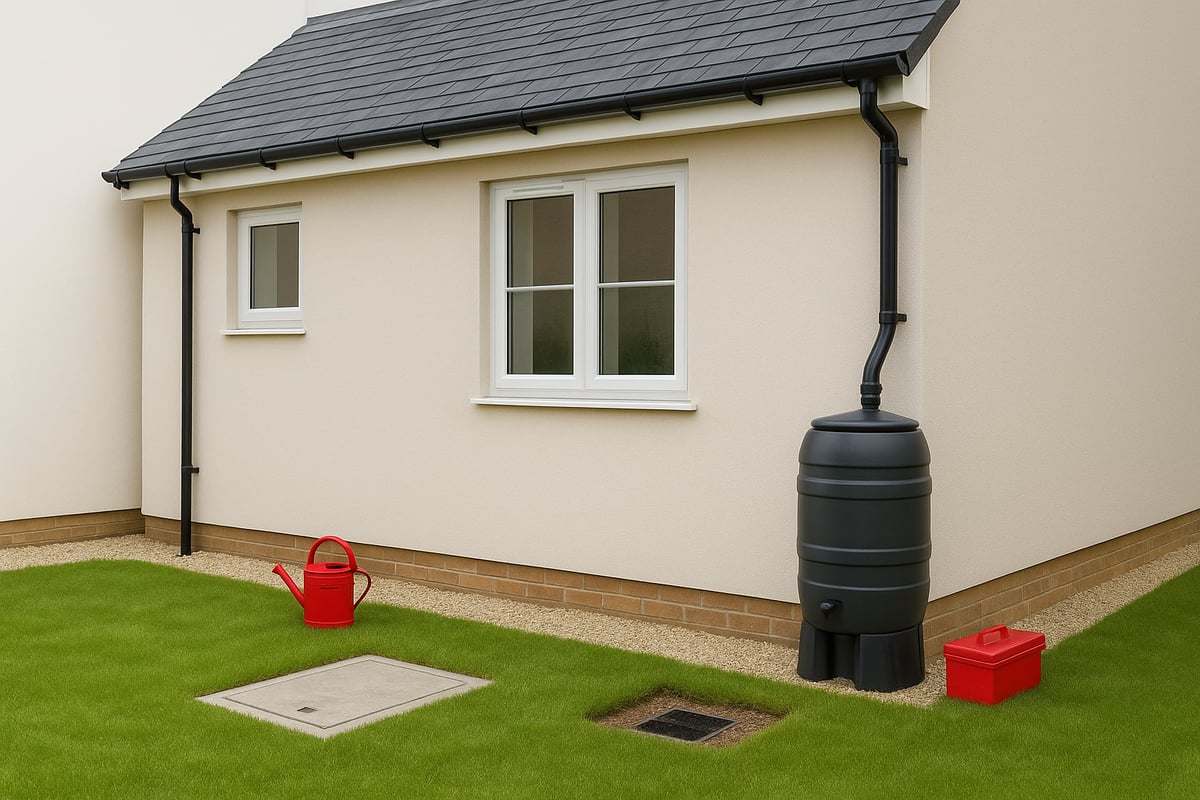
A well-designed drainage system shields buildings from waterlogging, damp, and costly structural damage. Without proper drainage, properties are at risk of internal leaks, mould growth, and even subsidence.
Flooding can lead to expensive insurance claims and lengthy repairs, disrupting lives and business operations. Healthy gardens and landscaped areas also depend on efficient drainage to prevent soil erosion and plant loss.
Longevity of buildings relies on moisture control, protecting both visible and hidden structures. Moreover, meeting local and national water management rules is vital for legal compliance and peace of mind.
Key Principles of Water Management
Drainage design starts with understanding water movement. Gravity flow systems are most common, using sloped pipes to direct water away naturally. Pumped drainage is sometimes needed for flat sites or basements.
Soil type plays a big role, as clay holds water while sandy soils drain quickly. Keeping surface water separate from foul water is not just best practice, but also a legal requirement. Sustainable drainage systems (SuDS) help manage runoff and improve water quality.
Catchment areas determine how much water must be handled, making accurate runoff calculation essential. For further detail on regulatory standards, refer to the national standards for sustainable drainage systems.
Common Drainage Problems and Causes
Many drainage issues arise from blockages, often caused by leaves, silt, or intrusive tree roots. Incorrect pipe gradients can leave water stagnant, leading to foul smells and slow drains.
Older or poorly designed systems may struggle with today’s heavier rainfall, especially in areas with impermeable clay soils. When heavy rain hits, these properties often experience surface flooding or overflowing gutters.
Outdated pipes, cracks, and misaligned joints add to the risk. Regular checks can catch early signs of trouble and help prevent long-term damage.
| Problem | Typical Cause | Example |
|---|---|---|
| Blockages | Debris, roots, silt | Surface pooling |
| Stagnant water | Incorrect gradients | Slow drains |
| Surface flooding | Heavy rain, clay soil | UK homes in Kent |
Essential Components of a Drainage System
Every drainage system is built from key components, each serving a specific role. Pipes, made from PVC, clay, or cast iron, carry water safely away from buildings. Inspection chambers and access points allow for easy maintenance and problem detection.
Guttering and downpipes collect rainwater from roofs, directing it to soakaways or drains. Channel drains manage runoff from driveways and patios, while traps and gullies block debris and prevent backflow.
Modern systems often include backflow prevention devices to stop water and pests from re-entering the property. Choosing the right combination ensures reliable, long-lasting drainage performance.
Types of Drainage Systems for Properties
Understanding the different drainage systems available is vital for effective water management in any property. The right approach ensures long-term resilience, compliance, and protection against water-related issues.
Surface Water Drainage Solutions
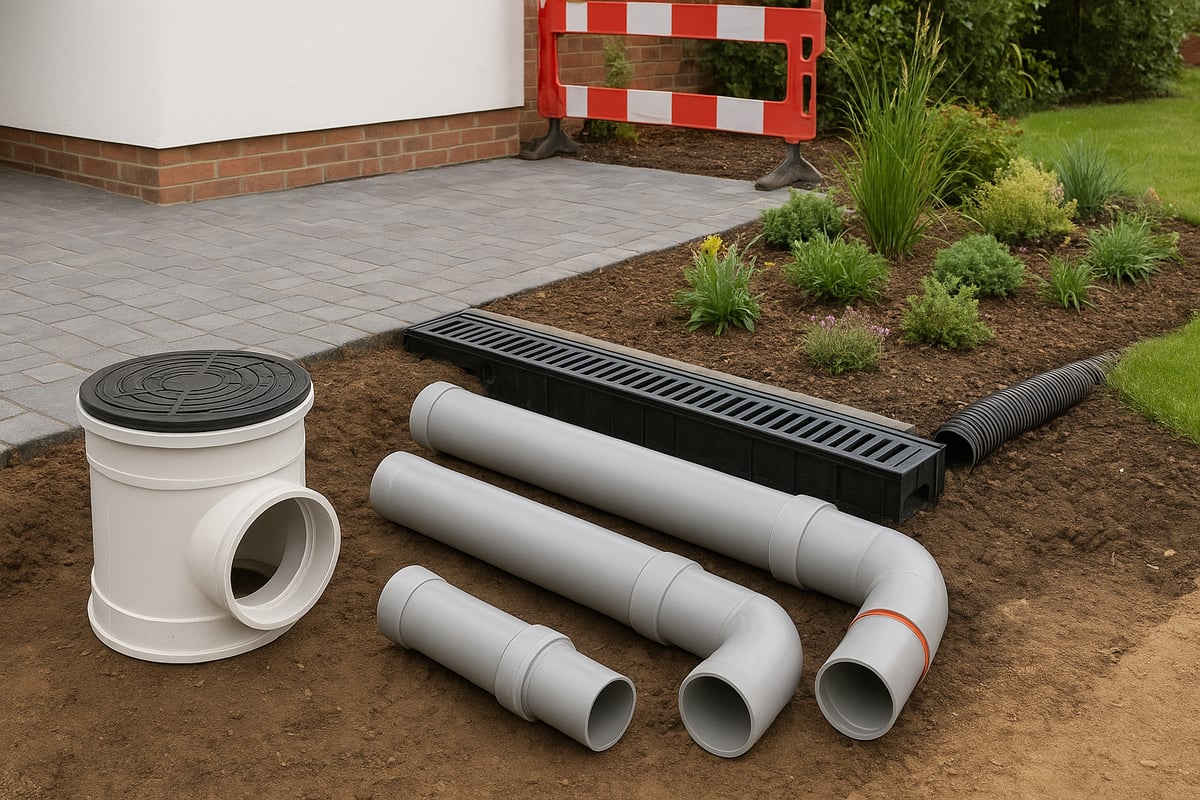
Surface water drainage plays a crucial role in managing rainwater from roofs, driveways, and patios. Guttering and downpipes direct water away from the property, reducing the risk of damp. Channel drains are ideal for hard surfaces, helping to prevent pooling by guiding water to soakaways or main drains.
Permeable paving allows rainfall to seep into the ground, reducing runoff. Rain gardens offer a natural drainage solution, filtering water through soil and plants. New builds often include attenuation tanks to temporarily store excess water and prevent localised flooding.
- Guttering and downpipes
- Channel drains for hard surfaces
- Permeable paving
- Rain gardens for filtration
Modern drainage solutions are essential for properties facing higher rainfall.
Foul Water and Wastewater Systems
Foul water drainage systems safely transport wastewater from toilets, sinks, and showers to public sewers or private treatment plants. UK Building Regulations require separation of foul and surface water to prevent contamination. Soil stacks and waste pipes carry wastewater vertically and horizontally, ensuring efficient flow.
In rural areas without mains sewage, properties rely on septic tanks or small treatment plants. Regular inspection and maintenance are vital to avoid blockages or leaks. Private systems must be managed carefully to remain compliant and environmentally friendly.
Case studies show rural homes benefit from tailored drainage solutions that match local conditions.
Underground Drainage Systems
Underground drainage is the backbone of property water management. Pipe materials such as PVC, clay, and concrete are chosen based on durability and cost. Correct pipe gradients ensure water flows efficiently and avoids stagnation.
Inspection chambers and manholes provide access for maintenance and repairs. Backflow prevention devices and rodent barriers are increasingly important in both new and upgraded systems. Upgrading old Victorian clay drains in Kent, for example, has significantly improved reliability and reduced flooding risk.
A well-designed underground drainage system is vital for every property.
Sustainable Drainage Systems (SuDS)
Sustainable drainage systems, or SuDS, focus on managing rainwater close to its source. Green roofs, swales, and infiltration basins slow down and filter runoff, supporting biodiversity. Attenuation crates store water temporarily, while rainwater harvesting systems reduce demand on mains supplies.
SuDS are not only beneficial for flood prevention but are also required for new developments under 2026 planning regulations. For more information on their benefits and implementation, see the Sustainable drainage systems overview.
SuDS can reduce surface runoff by up to 30 percent in modern developments.
Choosing the Right System for Your Property
Selecting the ideal drainage solution depends on property size, location, and soil type. Local authority regulations and restrictions must be considered before installation. Integrating different systems, such as combining SuDS with traditional pipework, supports holistic water management.
A simple cost versus long-term benefits analysis helps guide your decision. For complex properties or listed buildings, professional advice is highly recommended. The right drainage system will safeguard your investment and ensure future resilience.
Careful planning is the foundation of successful drainage management.
Planning and Designing an Effective Drainage System
Effective drainage planning is fundamental to safeguarding your property against water-related risks. Whether updating an old system or starting from scratch, a structured approach ensures reliable performance for years to come.
Site Assessment and Drainage Surveys
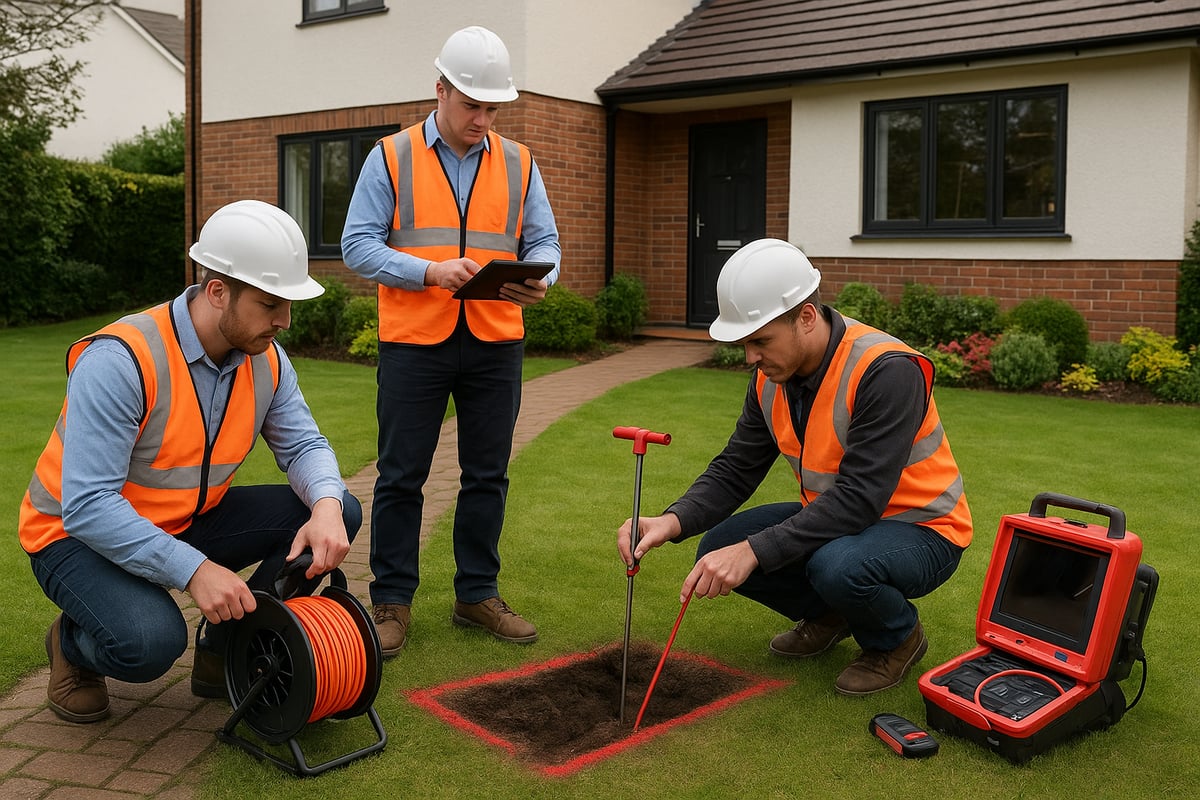
A site assessment is the cornerstone of any successful drainage project. Begin with a professional survey to determine the current state of your property’s drainage, especially if you suspect existing issues or are planning significant works.
Surveys involve mapping water flow patterns, identifying low spots, and locating underground services. Soil permeability and infiltration tests reveal how well your ground absorbs water, which is crucial for system selection. For older properties, using CCTV surveys helps pinpoint hidden blockages or collapsed pipework.
This thorough groundwork ensures your drainage design addresses every potential problem, supporting long-term performance and compliance with regulations.
Calculating Drainage Requirements
Accurate calculations are vital when designing a drainage system that can cope with both current and future demands. Start by assessing rainfall intensity using UK climate data and consider catchment areas, such as roofs and paved surfaces.
Pipes, gutters, and soakaways must be sized to handle peak flows, allowing for climate change projections and increased storm frequency by 2026. Over-specifying components can provide resilience against extreme weather events, but balance this with cost and practicality.
By tailoring drainage requirements to your specific property, you reduce flood risk and ensure system longevity, even as rainfall patterns evolve.
Drainage Layout and Pipework Design
A well-planned drainage layout is essential for optimal water flow and system reliability. Design pipe runs with gradual bends and minimal turns to prevent blockages and maintain steady movement. Ensure clear separation between foul and surface water pipes to avoid contamination.
Position inspection chambers at key junctions for easy access during maintenance. Follow recommended gradients, such as 1 in 40 for foul water, to encourage effective drainage. Layouts may differ for terraced versus detached homes, depending on site constraints and property shape.
Careful pipework design not only streamlines installation but also simplifies future repairs and upgrades.
Regulatory Compliance and Permissions
UK drainage regulations are strict, with Building Regulations Part H setting out minimum requirements. For new builds or significant changes, secure SuDS approval from your local planning authority. Connecting to public sewers often requires consent from providers like Thames Water.
Environmental Agency guidelines must be followed in flood-prone areas. Ignoring these rules can lead to fines or forced corrections after installation. Always check for new requirements, especially as planning laws evolve in response to climate change.
Ensuring your drainage project is fully compliant protects you from legal issues and future costs.
Budgeting and Cost Considerations
Budgeting for drainage involves more than just initial material and installation expenses. Factor in long-term maintenance, potential repairs, and the lifecycle costs of different system types. In 2026, sustainable options such as SuDS may attract grants or incentives from local authorities.
To save costs, compare DIY installation for simple tasks with the benefits of hiring professionals for complex jobs. When upgrading, weigh the expense of a full replacement against targeted repairs.
Smart planning ensures your drainage investment delivers value over time, minimising unexpected outlays and disruption.
Professional Support and Expert Advice
For complex drainage projects, engaging an accredited engineer or surveyor is highly recommended. Qualified contractors bring expertise, offer guarantees, and ensure your system meets all regulatory standards. Always request references, check insurance, and confirm professional memberships.
A comprehensive checklist can guide your selection process, helping you avoid costly mistakes. For Kent-based properties, consider professional drainage services in Kent to access trusted local expertise and tailored solutions.
With the right support, your drainage system will be robust, compliant, and future-proofed for years to come.
Step-by-Step Drainage Installation Guide
Proper drainage installation is vital for safeguarding your property against water damage, flooding, and costly repairs. This step-by-step guide outlines essential processes and best practices for effective drainage installation in 2026. Whether you are upgrading an existing setup or planning a new system, careful attention to detail at each stage ensures long-term performance and compliance.
Preparation and Safety Measures
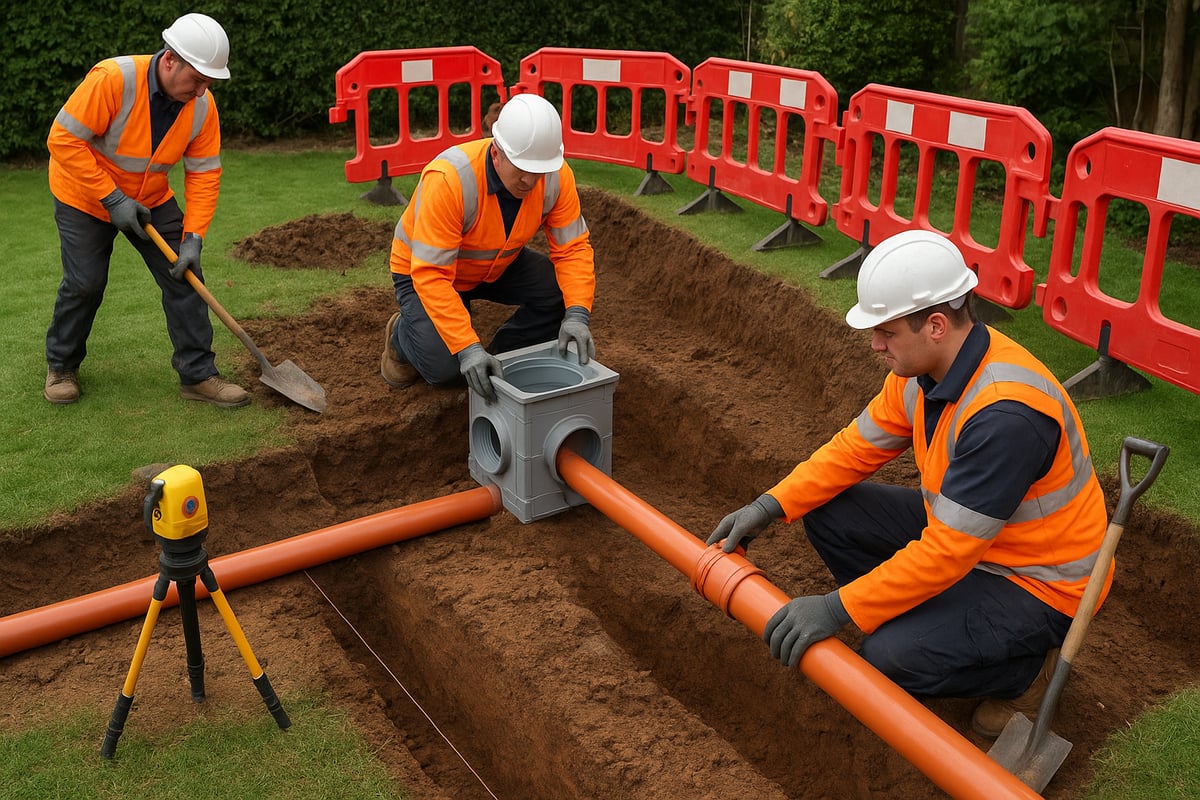
Before starting any drainage project, thorough preparation is essential. Begin by clearing the site of debris, plants, and any obstacles that could hinder work. Mark out the intended routes for pipes, chambers, and soakaways using spray paint or pegs.
Always identify and protect existing utilities, such as gas, water, and electrical lines, to avoid accidents. Wearing appropriate PPE, including gloves, boots, and high-visibility clothing, is mandatory for all team members. Adhere to UK health and safety regulations, ensuring trenches are adequately supported and access is safe for workers.
During installation, temporary water management may be needed, especially in rainy conditions. Use pumps or diversion channels to keep the workspace dry. For example, careful planning and protective barriers help prevent accidental damage to underground services and ensure the drainage installation proceeds smoothly.
Excavation and Pipe Laying
Excavation forms the foundation of any drainage system. Trenches should be dug to the correct depth and width, taking into account pipe diameter and ground conditions. The base of each trench must be level and free from sharp stones to avoid damaging the pipework.
Lay a suitable bedding material, such as granular aggregate, to cushion and support the pipes. Pipes must be installed at the correct gradient, typically 1:40 for foul water, to encourage efficient flow and prevent blockages. Use a laser level or string line to maintain accuracy throughout the process.
Jointing and sealing techniques are crucial for leak prevention. Always follow manufacturer guidelines for connecting sections. For example, using modern plastic pipes with push-fit seals can speed up installation and improve the longevity of your drainage system.
Installing Inspection Chambers and Access Points
Inspection chambers are critical for maintaining access to your drainage system and facilitating future inspections or repairs. Position chambers at key points, such as pipe junctions, changes in direction, and property boundaries.
Select chamber types that match the depth and size of your system, ensuring they are accessible from ground level. Secure all joints and seal the chamber bases to prevent leaks and groundwater ingress.
Backfill carefully around chambers, using suitable materials to avoid settlement or movement over time. Consider anti-flood and anti-rodent features, especially in areas prone to pests. For example, retrofitting modern access points in older properties can significantly improve system reliability and ease of maintenance.
Connecting to Existing Systems or Mains
Joining new drainage pipes to existing systems or public sewers requires precision and compliance with regulations. Use adaptors and flexible couplings to connect different pipe materials, such as PVC to clay or concrete. Test all joints for watertightness before backfilling.
When connecting to a public sewer, obtain necessary consents from your local water authority. Adhering to these requirements avoids penalties and future complications.
For complex installations or properties with intricate plumbing, consulting a professional is recommended. Explore the General plumbing solutions overview for guidance on integrating plumbing and drainage works, ensuring a seamless and compliant connection.
Surface Water Management Features
Effective surface water management is integral to a robust drainage system. Install soakaways and infiltration systems to disperse rainwater safely into the ground. Channel drains, gullies, and silt traps collect and direct water away from structures and hard surfaces.
Consider integrating rainwater harvesting tanks to reuse water for irrigation or non-potable uses. Landscaping should be designed to guide runoff towards designated collection points, minimising the risk of pooling or flooding.
For example, fitting driveway channel drains can prevent garage flooding and protect your property’s foundations. Regularly inspect these features to ensure they remain free from debris and function optimally throughout the year.
Testing and Commissioning the System
Once installation is complete, rigorous testing is essential. Perform water and air pressure tests on all pipework to identify leaks or weak joints. Use CCTV inspections to verify the internal condition and alignment of the drainage system.
Document the entire layout, including pipe runs, chamber locations, and connection points, for future reference. Provide comprehensive handover instructions to property owners or managers, covering maintenance schedules and troubleshooting tips.
Final checks should be completed before backfilling and landscaping. For instance, a thorough inspection and commissioning process helps ensure the drainage installation meets regulatory standards and delivers reliable performance for years to come.
Drainage Maintenance and Troubleshooting
Proper drainage maintenance is the foundation of a reliable water management system. Consistent upkeep will help homeowners, landlords, and managers avoid costly disruptions while safeguarding their properties from water damage.
Routine Maintenance Tasks
Regular drainage maintenance reduces the risk of blockages and system failures. Start with biannual gutter and downpipe cleaning, especially after autumn when leaves are most likely to cause clogs. Inspect chambers for silt, debris, or root intrusion, and flush or rod pipework to ensure unobstructed flow.
Monitor the ground for signs of subsidence or displacement, which could indicate hidden problems. Simple routine checks can prevent emergencies and extend the life of your drainage system. For enhanced performance, consider powerflushing and system cleaning, which removes stubborn build-up and restores optimal water flow.
Properties that follow a regular drainage maintenance schedule often see a 40 percent reduction in emergency callouts, making it a worthwhile investment for long-term property health.
Identifying and Resolving Common Issues
Spotting drainage problems early helps prevent severe damage. Watch for slow draining sinks, unpleasant odours, or pooling water around the property. These are classic signs of blockages, root intrusion, or pipe collapse.
Fatbergs and grease build-up in kitchen drains are increasingly common in UK homes. While minor clogs may be cleared with rods or biological cleaners, persistent issues require professional help. CCTV surveys can pinpoint stubborn or hidden faults quickly.
If you face recurring drainage issues or need expert help, consult affordable plumbers near you for cost-effective solutions. Acting promptly minimises disruption and prevents minor faults from escalating.
Preventative Measures for Long-Term Reliability
Preventative strategies are essential for maintaining effective drainage. Install drain guards and leaf traps to keep debris out. Encourage household members to avoid pouring fats or oils down kitchen sinks and use grease traps where possible.
Regularly treat pipework with biological cleaners to reduce organic build-up. Direct landscaping and surface water away from building foundations to minimise risk. When planting trees, select species with less invasive roots and keep them away from drainage lines.
These simple measures enhance reliability, reduce maintenance costs, and help your drainage system withstand extreme weather events.
Emergency Drainage Repairs
Flooding and major blockages demand swift action. In an emergency, use sandbags or temporary barriers to divert water and deploy portable pumps to remove standing water. Locate inspection chambers quickly to assess the source of the problem.
Contact emergency drainage services as soon as possible to prevent further damage. Document all incidents and repairs for insurance purposes. A rapid response can mean the difference between minor inconvenience and extensive property damage.
Well-prepared properties with up-to-date drainage maintenance plans recover faster and face fewer long-term issues after emergencies.
Upgrading and Futureproofing Your System
Modernising your drainage system ensures resilience against climate change and urbanisation. Retrofit sustainable drainage solutions like rain gardens, permeable paving, or attenuation crates to handle increased rainfall.
Consider smart water sensors for real-time monitoring and early leak detection. Pipe relining and no-dig repairs reduce disruption and extend system life. Look for grants or incentives supporting sustainable upgrades.
Flood-prone areas benefit significantly from these improvements, with permeable surfaces and advanced drainage features reducing surface water and protecting property investment for years to come.
Drainage Regulations, Planning, and Future Trends
Navigating modern drainage regulations and planning requirements is essential for property owners and managers in the UK. With evolving standards and new legislation, understanding these changes can help futureproof your property and avoid costly mistakes.
Key UK Drainage Regulations for 2026
Recent years have seen significant updates to UK drainage legislation. Building Regulations Part H now includes stricter standards for system design, installation, and maintenance. Compliance is mandatory for all new builds and major renovations.
The Water (Special Measures) Act 2025 introduces additional requirements for sustainable drainage and pollution control. Water companies and the Environment Agency enforce these standards, with penalties for illegal connections or contamination.
For example, new-build homes in Kent now undergo comprehensive drainage compliance checks before occupancy. Adhering to these updated regulations not only protects your property but also supports wider environmental goals.
Planning Permission and Local Authority Involvement
Planning permission is often required for new drainage systems, major alterations, or developments in flood-prone areas. Local authorities oversee the SuDS approval process, ensuring projects align with environmental and resilience targets.
Flood risk assessments and mitigation plans are typically part of the planning process, especially for extensions or new builds in vulnerable zones. Many councils now encourage community-wide drainage improvement schemes, helping neighbourhoods manage runoff collectively.
Early engagement with your local planning office can streamline approvals and ensure your drainage plans meet all legal obligations. This proactive approach reduces delays and helps secure long-term system reliability.
Innovations and Trends in Water Management
The UK is embracing innovative drainage solutions to meet future demands. Smart monitoring systems and IoT sensors now allow for real-time management of water flow and early detection of issues. Artificial intelligence is increasingly used for flood prediction and rapid response.
Large-scale projects, such as the Thames Tideway Tunnel project, demonstrate the shift towards robust, eco-friendly drainage infrastructure. Sustainable materials and recycled products are gaining popularity, while community rainwater harvesting initiatives help reduce pressure on mains systems.
These trends highlight the importance of integrating new technologies into property drainage systems, ensuring they remain effective and compliant.
Climate Change and Futureproofing Strategies
Climate change is intensifying rainfall and increasing the risk of extreme weather in the UK. Drainage design now prioritises resilience and adaptability, with green infrastructure such as swales and rain gardens playing a key role.
Policy trends are moving towards funding for climate adaptation, supporting homeowners and developers in reducing urban runoff. Government targets for 2030 focus on boosting biodiversity and minimising flood risk through innovative drainage solutions.
By planning for future conditions, you can ensure your drainage system withstands changing weather patterns and continues to protect your property for years to come.
Taking control of your property's drainage is essential for protecting your home from costly damage and future-proofing against the unpredictable UK climate. If you've found the tips and strategies in this guide helpful, remember that expert support can make all the difference, especially when it comes to complex systems or regulatory requirements. With over 20 years of experience and a team of Gas Safe registered engineers, we’re here to help you keep your home in Kent safe, dry, and running smoothly—no matter what the weather brings.
Keeping Homes in and around kent Warm, Dry & Flowing Book with castle heating kent

