
Gas Boiler Installation: Complete Guide for Kent Homes
Installing a new gas boiler represents a significant investment in your home's heating infrastructure, requiring careful planning and professional expertise. Whether you're replacing an ageing system or installing central heating for the first time, understanding the process, regulations, and considerations involved helps ensure a safe, efficient installation that delivers reliable warmth for years to come. For homeowners across Kent, including Rochester and Gravesend, choosing the right approach to gas boiler installation can mean the difference between optimal performance and costly complications down the line.
Understanding Modern Gas Boiler Systems
Today's gas boilers bear little resemblance to the bulky, inefficient systems of previous decades. Modern condensing boilers achieve efficiency ratings above 90%, converting nearly all the fuel they consume into usable heat. This efficiency not only reduces energy bills but also minimises environmental impact, making them an attractive option for homeowners seeking sustainable heating solutions.
The three main types of gas boilers each serve different household needs. Combi boilers heat water on demand without requiring a storage tank, making them ideal for smaller properties with limited space. System boilers work with a sealed hot water cylinder, providing consistent pressure to multiple taps simultaneously. Conventional boilers require both a cylinder and header tanks, typically found in larger homes with traditional heating systems.
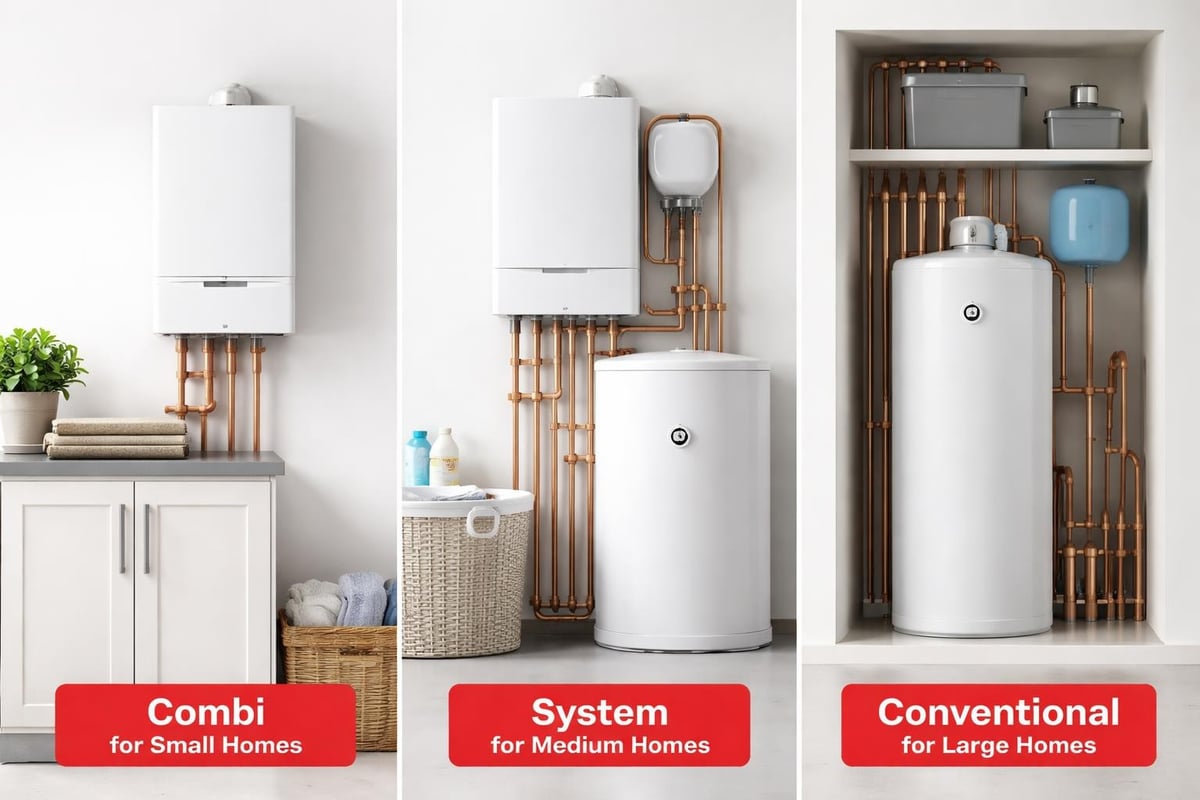
When selecting a boiler, output capacity measured in kilowatts becomes crucial. A heating engineer assesses your property's size, insulation quality, number of radiators, and hot water requirements to determine the appropriate capacity. Installing an oversized boiler wastes energy, whilst an undersized unit struggles to heat your home adequately.
Regulatory Requirements and Compliance
Gas boiler installation must comply with stringent safety regulations designed to protect homeowners. In the United Kingdom, the Gas Safety (Installation and Use) Regulations 1998 establish legal requirements for anyone working with gas appliances. Only Gas Safe registered engineers may legally carry out gas work, a non-negotiable requirement that protects both homeowners and installers.
Building Regulations Part L governs energy efficiency standards for heating systems. These regulations ensure new installations meet minimum efficiency requirements, typically mandating condensing boilers unless specific circumstances justify alternatives. Part J addresses combustion appliances and fuel storage systems, setting out ventilation and flue requirements.
Understanding boiler installation standards helps homeowners appreciate why professional installation proves essential. Standards cover everything from clearance distances around the boiler to flue positioning and condensate drainage. Compliance isn't optional; it's mandatory for safety and often required for warranty validity.
The current landscape for gas boiler installations continues to evolve. Whilst questions about future availability arise with environmental policy changes, gas boilers remain legal to install in existing properties throughout 2026, though homeowners should stay informed about upcoming regulations.
Planning Your Installation Project
Proper planning transforms a potentially disruptive installation into a smooth, efficient process. Begin by assessing your current heating system's performance and identifying specific problems or inefficiencies. Does your boiler struggle to heat certain rooms? Do you experience inconsistent hot water supply? These issues help determine whether a straightforward replacement or system upgrade serves you best.
Location selection significantly impacts installation complexity and ongoing performance. Modern boilers offer more flexibility than older models, but gas boiler location regulations still dictate placement requirements. Key considerations include:
- Ventilation requirements for safe combustion air supply
- Flue positioning to ensure proper exhaust gas dispersal
- Accessibility for maintenance and annual servicing
- Noise levels in relation to living spaces and neighbouring properties
- Frost protection for external components
Budget planning requires consideration beyond the boiler unit itself. Professional installation costs vary based on system complexity, existing pipework condition, and necessary upgrades. Finance options can make premium systems more accessible, spreading costs over manageable monthly payments whilst you immediately benefit from improved efficiency.
Timeline and Preparation
| Installation Phase | Typical Duration | Homeowner Actions Required |
|---|---|---|
| Initial assessment | 1-2 hours | Provide access, discuss requirements |
| System selection | 1-3 days | Review options, approve quotation |
| Installation day | 1-2 days | Clear workspace, arrange pet accommodation |
| Commissioning | 2-3 hours | Receive operational training |
| Post-installation | Ongoing | Register warranty, schedule annual service |
Most gas boiler installations complete within one to two days, depending on system complexity. A straightforward like-for-like combi replacement typically takes less time than converting from a conventional system to a combi boiler. Significant pipework modifications, radiator upgrades, or central heating installation from scratch extends the timeline accordingly.
The Professional Installation Process
Understanding what happens during professional installation helps set realistic expectations and appreciate the complexity involved. The process begins well before the engineer arrives, with system design and component procurement ensuring everything needed is available on installation day.
The actual installation follows a systematic approach. Engineers first isolate and drain the existing system if replacing an old boiler. This involves safely disconnecting gas, water, and electrical supplies whilst protecting your property from water damage. Removing the old boiler creates space for the new unit whilst allowing inspection of existing pipework and mounting surfaces.
Mounting the new boiler requires precise positioning and secure fixing. Engineers ensure the unit sits perfectly level, as even slight deviations can affect condensate drainage and long-term reliability. Gas and water connections follow exacting standards, with multiple pressure tests confirming leak-free joints before progressing.
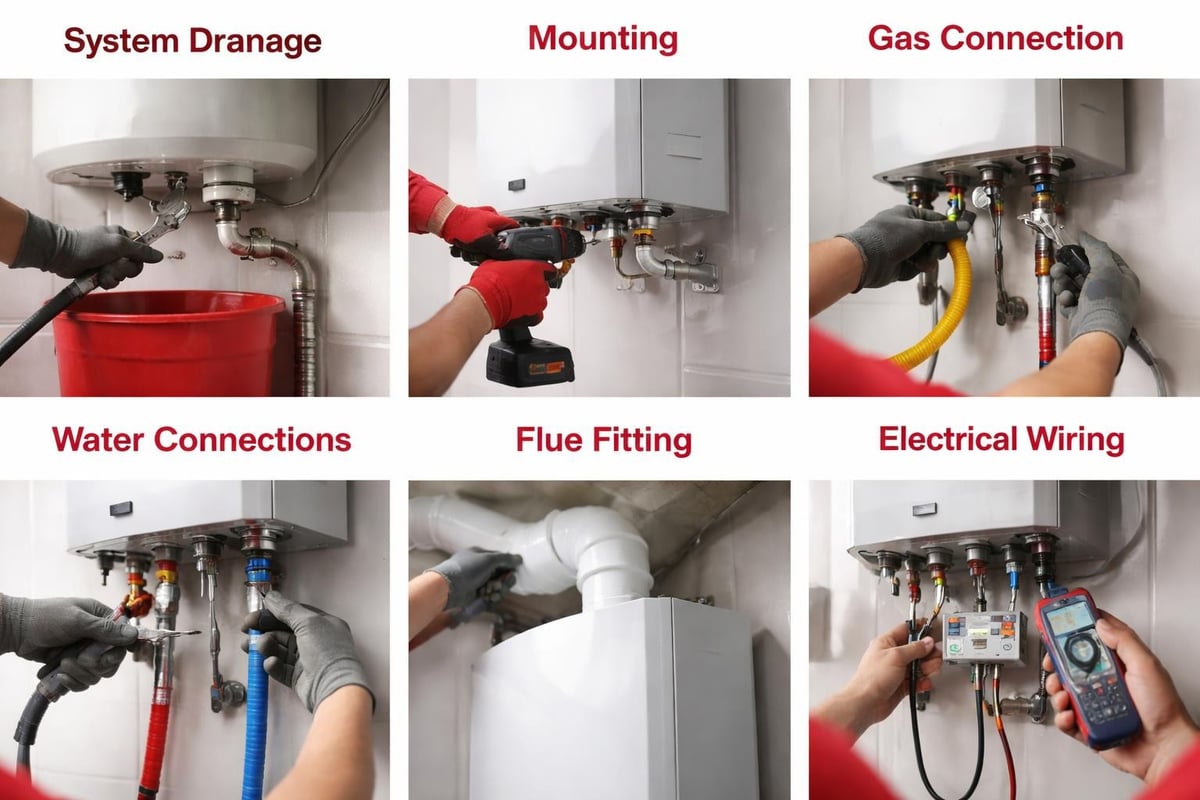
Flue installation demands particular attention. The flue safely removes combustion gases from your property, making its correct installation critical for safety. Engineers consider wind direction, proximity to windows and air vents, and clearance distances specified by manufacturers and building regulations. Horizontal flues require specific gradients for condensate drainage, whilst vertical flues need appropriate termination heights.
System Integration and Controls
Modern heating systems extend beyond the boiler itself. Integrating smart heating controls maximises efficiency and comfort, allowing precise temperature management in different zones. Programmable thermostats, TRVs (thermostatic radiator valves), and wireless controls transform how you interact with your heating system.
The engineer programs your boiler's parameters to match your specific system requirements. This includes setting maximum flow temperatures, adjusting pump speeds, and configuring frost protection features. Proper commissioning ensures every component communicates correctly and operates within design specifications.
Water treatment forms an often-overlooked but crucial element of installation. Chemical inhibitors protect against corrosion and limescale formation, extending system lifespan and maintaining efficiency. Some installations benefit from powerflushing existing pipework before connecting the new boiler, removing accumulated sludge and debris that could damage the new unit.
Safety Considerations and Testing
Safety testing represents the most critical phase of any gas boiler installation. Engineers perform multiple checks before signing off a system as safe for use, adhering to protocols that protect homeowners from potentially fatal hazards. Overlooking boiler installation safety considerations can lead to carbon monoxide exposure, gas leaks, or system failures with serious consequences.
Gas tightness testing verifies that all connections remain completely sealed. Engineers pressurise the gas pipework and monitor for any pressure drop indicating leaks. Only when the system maintains pressure for the required duration can work proceed to the next stage.
Combustion analysis ensures the boiler burns gas efficiently and safely. Using specialist equipment, engineers measure oxygen, carbon monoxide, and carbon dioxide levels in the flue gases. Results must fall within tight parameters specified by the manufacturer. Excess carbon monoxide indicates incomplete combustion, requiring immediate rectification before the boiler can be used.
Ventilation checks confirm adequate air supply for combustion and proper room ventilation to prevent carbon monoxide accumulation. This includes verifying that vents aren't blocked and meet size requirements for the boiler's output rating.
Documentation and Certification
Upon completion, your installer provides several important documents:
- Gas Safe installation certificate confirming work complies with regulations
- Manufacturer's warranty documentation requiring registration within specified timeframes
- Building Regulations compliance certificate demonstrating regulatory adherence
- Boiler manual and servicing schedule for ongoing maintenance planning
- Commissioning report detailing all settings and test results
These documents prove essential for future service work, warranty claims, and property sales. Store them safely and ensure warranty registration completes promptly to activate manufacturer protection.
Common Installation Challenges
Even straightforward installations occasionally encounter complications requiring problem-solving expertise. Older properties present particular challenges, from asbestos pipe insulation requiring specialist removal to obsolete pipework dimensions incompatible with modern fittings. Experienced engineers anticipate these issues and adapt accordingly.
Accessing installation locations sometimes proves difficult. Tight spaces, awkward staircases, or loft installations demand careful planning and sometimes specialist equipment. In some cases, alternative locations offer easier access whilst meeting all regulatory requirements.
System design mismatches occasionally emerge during installation. Perhaps the original assessment underestimated radiator requirements, or water pressure proves inadequate for the selected system type. Professional installers identify these issues early and propose effective solutions, whether additional radiators, pressure boosting equipment, or alternative boiler specifications.
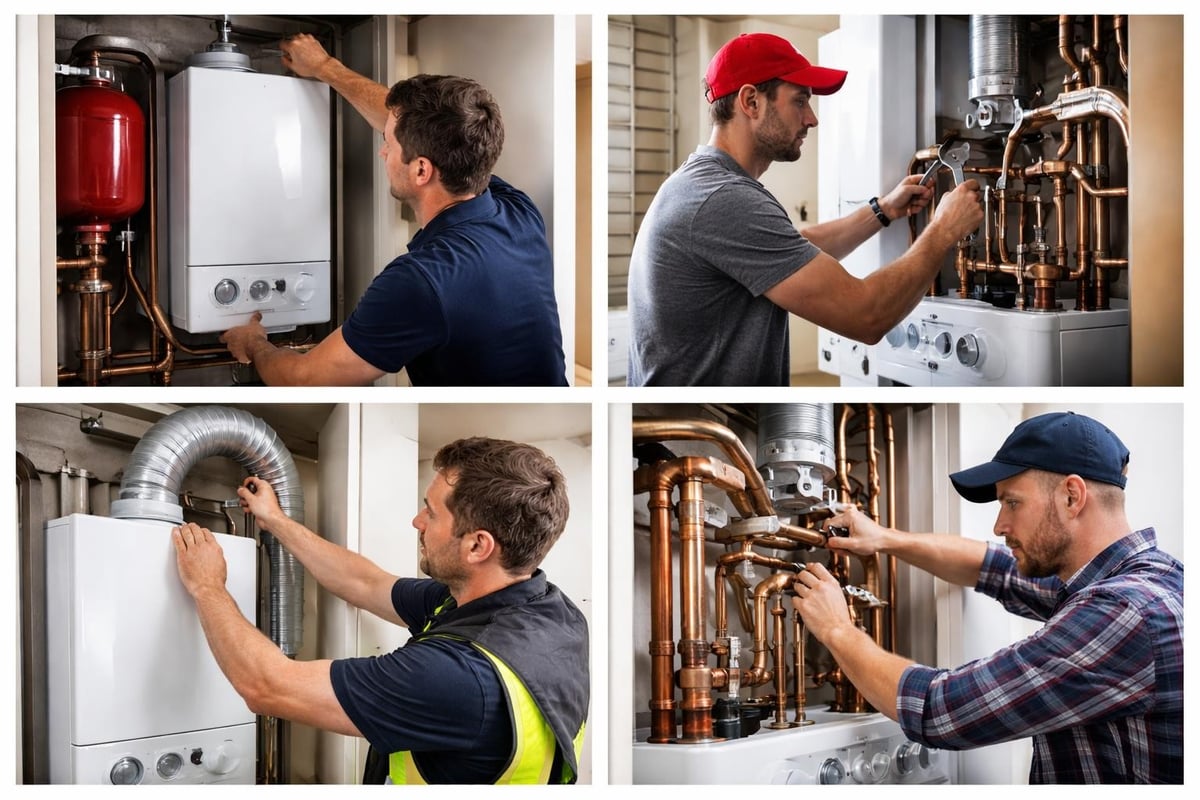
The importance of professional expertise becomes particularly apparent when complications arise. Understanding the risks of DIY boiler installation highlights why attempting this work without proper qualifications endangers both safety and legal compliance. Beyond the obvious gas safety concerns, incorrect installation voids warranties, violates building regulations, and creates insurance complications.
Costs and Investment Considerations
Gas boiler installation costs vary considerably based on multiple factors. The boiler itself represents the largest single expense, with prices ranging from around £700 for basic models to over £2,500 for premium systems with advanced features. Installation labour typically adds £500 to £1,500, depending on complexity and regional variations.
Additional components and upgrades affect total investment. New radiators, pipework modifications, upgraded controls, and system cleaning all incur extra costs but often prove worthwhile for optimal performance. A comprehensive boiler service plan following installation protects your investment through regular maintenance.
| Cost Component | Budget Range | Mid-Range | Premium |
|---|---|---|---|
| Boiler unit | £700-£1,000 | £1,000-£1,800 | £1,800-£2,500+ |
| Installation labour | £500-£800 | £800-£1,200 | £1,200-£1,500+ |
| Controls upgrade | £150-£250 | £250-£400 | £400-£600+ |
| System flush | £300-£400 | £400-£500 | £500-£700+ |
| Pipework modifications | £200-£400 | £400-£700 | £700-£1,000+ |
Energy efficiency improvements deliver long-term savings that offset initial investment. A modern condensing boiler typically reduces heating costs by 20-35% compared to older non-condensing models. Over a 10-15 year lifespan, these savings substantially offset installation costs whilst improving home comfort.
Warranty coverage varies significantly between manufacturers and models. Standard warranties range from one to ten years, with extended coverage often available through approved installers. Understanding warranty terms helps protect against unexpected repair costs, though regular servicing typically remains mandatory for maintaining coverage.
Selecting the Right Installer
Choosing your installer ranks among the most important decisions in the installation process. Whilst numerous companies offer heating services, quality, reliability, and professionalism vary considerably. Gas Safe registration provides baseline assurance of legal compliance, but further investigation reveals much about an installer's capabilities.
Experience with specific boiler brands matters significantly. Manufacturers often provide additional training and certification for installers, enabling them to offer extended warranties and specialised support. Companies with manufacturer partnerships typically access technical assistance and genuine parts more readily than generalist installers.
Customer reviews and testimonials offer valuable insights into real-world experiences. Look beyond star ratings to read detailed feedback about punctuality, cleanliness, problem-solving ability, and aftercare support. Verified customer reviews from local homeowners provide particularly relevant perspectives on service quality.
Comprehensive quotations demonstrate professionalism and transparency. Detailed quotes should specify exactly which boiler model is proposed, what work the installation includes, any additional components or upgrades, total costs broken down by element, and warranty terms. Vague or overly brief quotes often hide unexpected additional charges.
Questions to Ask Potential Installers
- How long have you been installing gas boilers?
- Which boiler brands do you recommend and why?
- What warranty do you provide on installation workmanship?
- How do you handle unexpected complications discovered during installation?
- What aftercare support do you offer following installation?
- Can you provide references from recent installations in my area?
Local knowledge provides distinct advantages. Installers familiar with Kent properties understand common system configurations, local supplier networks, and typical property characteristics in areas like Rochester and Gravesend. This familiarity often translates to more accurate assessments and smoother installations.
Post-Installation Care and Maintenance
Proper care following installation ensures your new boiler delivers reliable performance throughout its expected lifespan. Annual servicing by a qualified engineer remains essential, not merely for warranty compliance but for safety, efficiency, and early problem detection. Regular servicing typically costs £80-120 but prevents far more expensive breakdowns.
Understanding your new system's operation maximises comfort and efficiency. Take time during commissioning to ask questions about controls, understand different operating modes, and learn basic troubleshooting for minor issues. Most modern boilers include diagnostic displays providing helpful information when problems occur.
Optimal efficiency requires appropriate usage patterns. Modern condensing boilers perform best with consistent lower temperatures rather than intermittent high temperatures. Setting heating controls to maintain comfortable temperatures continuously often proves more efficient than repeatedly heating cold spaces to high temperatures.
Monitoring system performance helps identify emerging problems before they escalate. Watch for changes in heating effectiveness, unusual noises, pressure fluctuations, or increased energy consumption. Early intervention typically resolves issues more simply and affordably than waiting for complete failures.
Annual Maintenance Checklist
- Visual inspection for leaks, corrosion, or damage
- Combustion analysis to verify safe, efficient operation
- Pressure testing of gas connections
- Flue inspection and terminal clearance verification
- Heat exchanger cleaning if required
- Safety device testing
- System pressure check and adjustment
- Controls operation verification
System upgrades can enhance performance over time. Adding smart heating controls after initial installation often proves straightforward and delivers immediate comfort and efficiency improvements. Similarly, upgrading older radiators or adding thermostatic valves optimises heat distribution throughout your property.
Environmental and Future Considerations
Environmental awareness increasingly influences heating decisions. Whilst gas boilers remain more carbon-intensive than renewable alternatives, modern condensing technology significantly reduces emissions compared to older systems. Understanding the pros and cons of gas boilers helps contextualise these environmental considerations.
Government policy continues evolving regarding domestic heating. Current regulations permit gas boiler installation in existing properties, though new-build homes face stricter requirements. Staying informed about policy changes helps homeowners plan for long-term heating strategies whilst making appropriate decisions for current needs.
Hybrid systems combining gas boilers with renewable technology offer transitional solutions. Heat pumps can work alongside gas boilers, with smart controls automatically selecting the most efficient option based on outdoor temperature and energy prices. These systems provide pathways toward lower carbon heating whilst maintaining the reliability and power of gas.
System design flexibility facilitates future upgrades. Installing pipework and radiators capable of operating with alternative heat sources makes eventual transitions more straightforward. Discussing long-term plans with your installer during initial design ensures your system accommodates potential future changes.
Professional gas boiler installation combines technical expertise, regulatory compliance, and careful planning to deliver safe, efficient heating that enhances home comfort and value. Understanding the process, from initial system selection through post-installation care, empowers homeowners to make informed decisions and achieve optimal outcomes. For homeowners across Kent seeking reliable, professional installation services backed by Gas Safe certification and extensive experience, Castle Heating Kent provides the expertise and commitment to quality that ensures your heating investment delivers years of dependable performance.

