
8 Smart Heating Solutions for Efficient Homes in 2026
Rising energy prices are putting extra pressure on households, making efficient home heating more important than ever in 2026. As technology advances and environmental concerns take centre stage, more people are searching for smart, eco-friendly heating solutions that cut costs and carbon footprints.
This article reveals eight proven and innovative approaches that can transform your home into a model of energy efficiency and comfort. From intelligent thermostats and zonal systems to cutting-edge insulation and renewable options, discover how the right heating choices can help you save money, reduce emissions, and enjoy a warmer, more sustainable home.
The Future of Home Heating: Trends and Innovations for 2026
The landscape of home heating is undergoing rapid transformation as households across the UK respond to evolving technology, changing regulations, and the urgent need for energy efficiency. In 2026, the drive to create smarter, greener homes is stronger than ever, shaping a future where heating solutions are both innovative and practical.
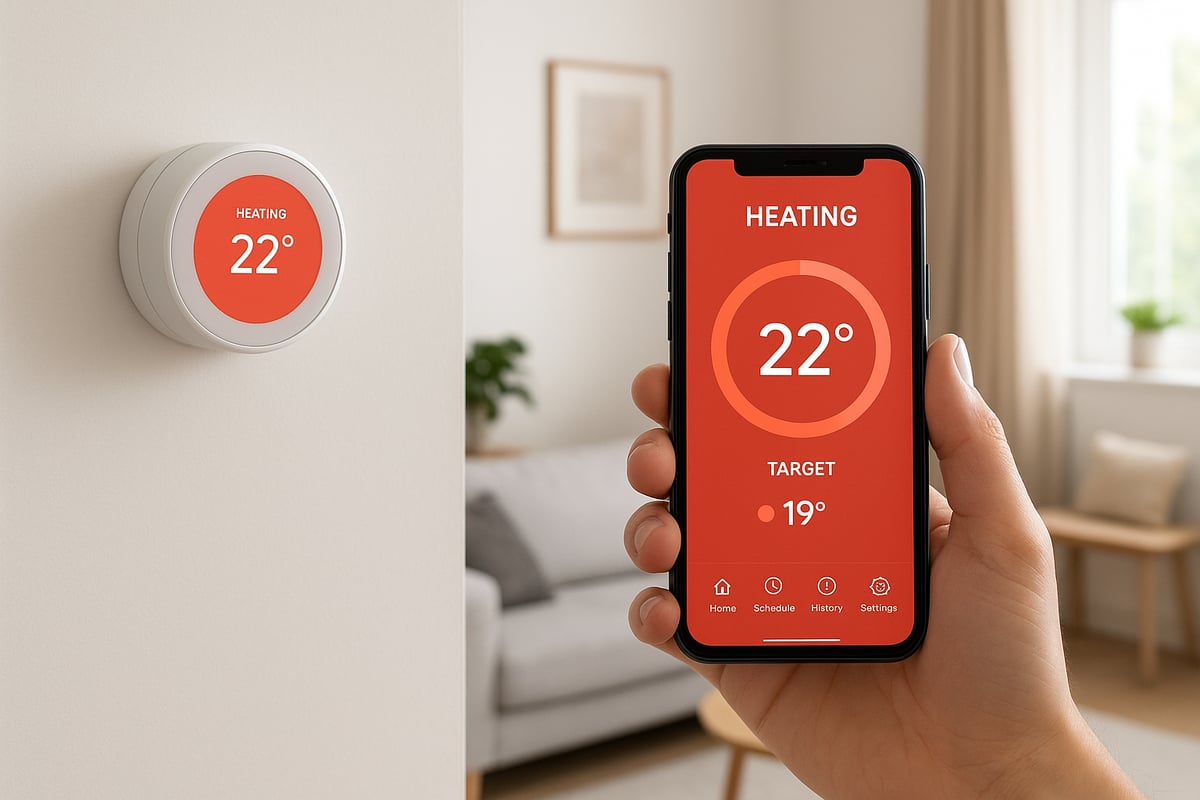
The Shift Towards Smart and Sustainable Heating
Across the country, homeowners are moving away from traditional systems and embracing smart, connected heating solutions. This shift is fuelled by rising awareness of energy consumption and a desire for greater control over comfort. According to Ideal Home, 74% of UK households now actively seek ways to reduce energy bills, and the adoption of smart thermostats and sensors is accelerating.
Government incentives and net-zero targets encourage the replacement of outdated systems, making smart heating mainstream. The surge in installations of intelligent thermostats and connected devices shows that heating is no longer just about warmth, but about efficiency and sustainability too.
The Impact of Rising Energy Costs
Since 2021, UK energy prices have increased by over 50%, according to Ofgem data. This sharp rise has made the cost of heating a primary concern for many households. Surveys reveal that managing energy bills is now at the forefront of homeowners' minds, prompting a surge in demand for efficient solutions.
Smart controls and advanced heating systems allow households to save up to £300 annually. These savings are not only attractive but essential for financial resilience. As heating expenses climb, efficient solutions are no longer a luxury, but a necessity for controlling household budgets.
Environmental Responsibility and Home Comfort
Awareness of environmental impact is influencing heating choices like never before. Homeowners are increasingly conscious of their carbon footprint, and government regulations are pushing for the adoption of low-carbon heating technologies, including the phase-out of gas boilers.
Options such as heat pumps and solar thermal systems are gaining popularity, offering a balance between comfort and sustainability. Households want to enjoy a warm home while contributing to a greener future. The right heating system delivers both, ensuring comfort is never sacrificed for eco-responsibility.
Technology Integration and User Experience
Advancements in technology have made heating systems smarter and more user-friendly. App-based controls, voice assistants, and automation are now standard features, allowing seamless integration with lighting, security, and other smart devices.
For those interested in learning more, this Guide to smart heating controls provides a comprehensive introduction to the possibilities. Smart zoning and learning thermostats adapt to your routines, delivering tailored comfort and efficiency. User-centric design is encouraging more homeowners to upgrade, with heating systems that are both powerful and intuitive.
Barriers and Opportunities in 2026
Despite the clear benefits, there are still challenges to widespread smart heating adoption. Upfront investment can be significant, especially for retrofitting older properties. Compatibility issues and the need for professional installation may deter some.
However, opportunities abound, with a growing market for expert installation and maintenance. Government grants and flexible finance options are making upgrades more accessible. By overcoming these barriers, homeowners unlock significant rewards, ensuring their heating systems are ready for the future.
8 Smart Heating Solutions for Efficient Homes in 2026
Adopting the right smart heating solutions can turn any home into a model of efficiency, comfort, and sustainability. In 2026, homeowners have more choices than ever before, from AI-powered thermostats to renewable technologies. Below, we explore eight intelligent options that can help you take full control of your heating, cut energy usage, and create a future-ready living space.
Smart Thermostats with AI Learning
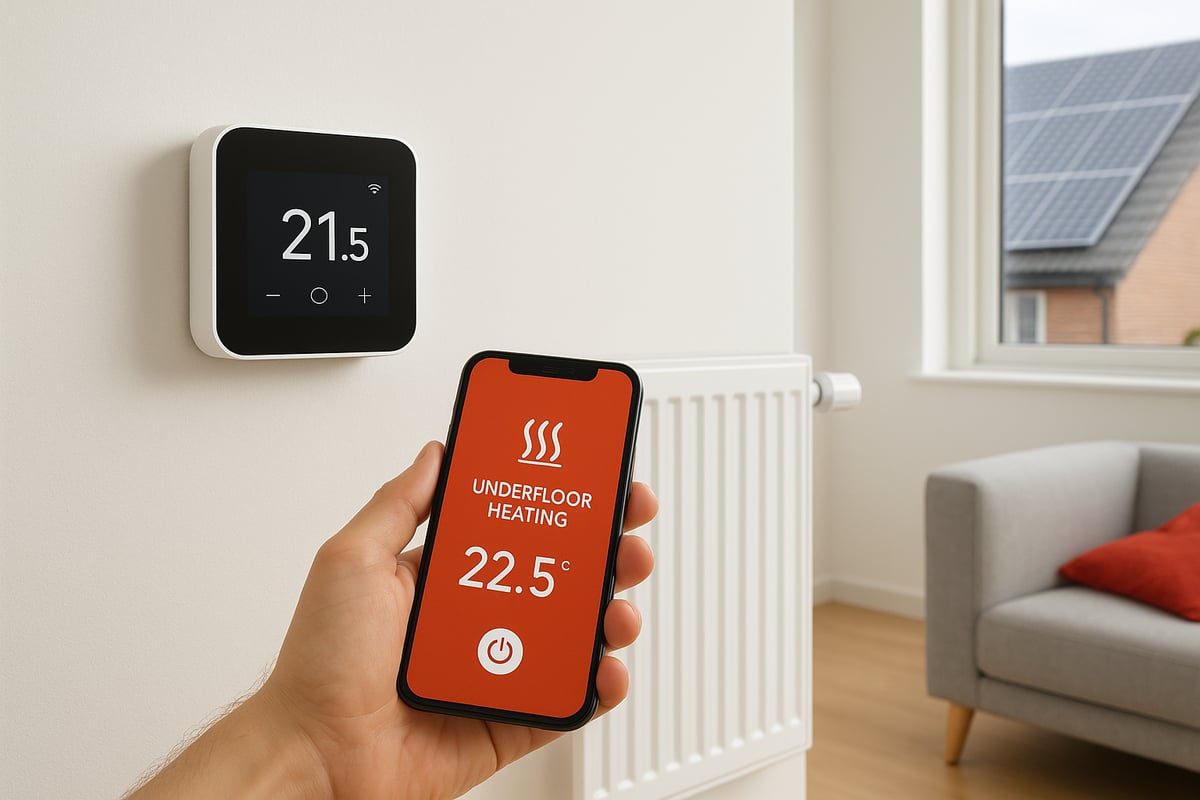
Smart thermostats with AI learning capabilities are revolutionising home heating. These devices, such as Nest, Tado, and Hive, use artificial intelligence to adapt to your daily patterns and preferences. Their advanced sensors and algorithms learn when you are home, asleep, or away, automatically adjusting the heating for maximum efficiency.
Key features include adaptive scheduling, geofencing, and detailed energy usage analytics. Geofencing uses your smartphone location to switch the heating on or off as you come and go, ensuring you never heat an empty house. Integration with popular voice assistants and mobile apps allows you to control heating from anywhere, adding an extra layer of convenience.
The benefits are significant. Studies show smart thermostats can reduce heating bills by up to 20%. For instance, consider a UK family who, after installing an AI-driven thermostat, saved £250 a year on their heating expenses. These systems are ideal for tech-savvy homeowners and busy families who value both comfort and savings.
Pros include ease of use, customisable settings, and remote access. On the downside, the upfront cost can be higher than traditional models, and a stable Wi-Fi connection is required. For a deeper understanding of how these devices can transform your home, see the Benefits of installing a smart thermostat.
Zonal Heating Systems
Zonal heating systems offer homeowners the ability to control the temperature in individual rooms or zones, rather than heating the entire property at once. This approach is particularly effective in larger homes or those with varied occupancy patterns.
Modern zonal heating uses wireless radiator valves and smart sensors to manage each area's climate independently. You can set different temperatures for bedrooms, living rooms, or unused spaces, ensuring you only use energy where it is needed most.
The main advantage is clear: avoiding unnecessary heating in empty rooms maximises comfort and energy efficiency. In practice, a three-bedroom house that implements zonal heating can reduce energy use by up to 30%. This translates to substantial financial and environmental savings.
Zonal heating is perfect for households with varying schedules, such as families with children or shared accommodation. The flexibility and greater control provided are unmatched. However, installation can be complex, and the initial investment is higher compared to basic systems. Still, the long-term gains in heating efficiency make it a smart choice for many homes.
Heat Pumps (Air Source and Ground Source)
Heat pumps are an increasingly popular low-carbon heating solution for UK homes. There are two main types: air source heat pumps, which extract heat from the air, and ground source heat pumps, which draw energy from the ground. Both provide a highly efficient way to heat your home, delivering up to 400% efficiency.
These systems work by transferring ambient heat into your property, even in cold weather. They are compatible with modern heating controls and can be integrated with smart thermostats for optimal performance. Government grants and incentives make heat pumps more accessible, helping offset the upfront cost.
For eco-conscious homeowners, the benefits are compelling. Heat pumps can cut household emissions by up to 50%. They are especially suitable for new builds or major renovations, but can also be retrofitted to existing properties with proper insulation.
Pros include low running costs, future-proof design, and eligibility for financial support. The primary drawbacks are the higher installation costs and the need for adequate insulation to realise full savings. When properly installed, heat pumps can significantly enhance heating efficiency and sustainability.
Underfloor Heating with Smart Controls
Underfloor heating with smart controls is transforming the way homes are heated, offering both comfort and efficiency. There are two main types: electric systems and water-based systems. Both provide even heat distribution across the floor, removing cold spots and freeing up wall space.
Smart controls allow you to programme heating schedules, set different temperatures for each room, and even control your system remotely. This leads to more precise heating and improved energy management. Underfloor heating operates efficiently at lower temperatures, making it a perfect partner for renewable sources like heat pumps.
The benefits are notable: energy savings of up to 15% compared to traditional radiators, enhanced comfort, and a clutter-free look. Open-plan spaces, bathrooms, and new renovations are ideal candidates for underfloor heating. For a detailed look at these advantages, see the Benefits of underfloor heating.
Pros include discreet installation, compatibility with modern heating systems, and increased property value. The main cons are the disruption during installation and the fact that it is best suited to new floors or major refurbishments. Still, underfloor heating remains a sought-after upgrade for efficient, modern homes.
High-Efficiency Boilers with Smart Integration
For homes not ready to transition fully to renewables, high-efficiency boilers with smart integration provide an excellent middle ground. Modern condensing boilers now offer up to 92% efficiency, thanks to features like weather compensation, load modulation, and advanced controls.
These boilers can be connected to smart thermostats and apps, allowing homeowners to monitor and adjust heating from anywhere. Weather compensation automatically adjusts boiler output based on outdoor conditions, ensuring the system only uses as much energy as needed.
Replacing an old, inefficient G-rated boiler with a modern condensing model can save up to £300 per year on heating bills. This option is particularly suitable for properties that are off-grid or not yet able to accommodate heat pumps.
Pros include reliability, familiarity, and relatively straightforward upgrades. However, these boilers still rely on fossil fuels and do not achieve zero-carbon status. Despite this, combining high-efficiency boilers with smart heating controls delivers substantial improvements in comfort and cost savings.
Advanced Insulation and Draught Proofing
No smart heating solution is truly complete without addressing insulation and draught proofing. Up to 35% of heat can be lost through poorly insulated walls, roofs, and floors. Upgrading insulation is one of the most effective ways to boost heating efficiency and comfort.
Options include cavity wall, loft, and floor insulation, as well as triple glazing and draught excluders. Even simple additions like thermal blinds and heavy curtains can make a noticeable difference. For example, a 110-year-old house became much warmer and more comfortable after installing thermal blinds and curtains.
Older homes or those with single glazing particularly benefit from insulation improvements. The immediate impact on heating efficiency is clear, with reduced heat loss, lower energy bills, and a more consistent indoor temperature.
While there can be upfront costs and some disruption during installation, the long-term benefits are substantial. Advanced insulation works hand in hand with any heating system, ensuring that your investment in smart heating pays off year after year.
Smart Radiator Valves and Sensors
Smart radiator valves and sensors offer an affordable entry point into intelligent heating. These devices automatically adjust radiator output based on occupancy and room temperature, fine-tuning heating to match real-time needs.
By installing wireless thermostatic radiator valves (TRVs) and pairing them with room sensors, homeowners gain granular control over every space. This prevents overheating and ensures energy is only used when and where it is needed.
Households with diverse room usage patterns see the greatest benefit. Wireless TRVs can reduce heating bills by up to 15%. The technology is retrofittable, meaning you can upgrade your current radiators without major changes.
Pros include affordability, compatibility with most existing systems, and the ability to start small and expand over time. The main downsides are the need for compatible radiators and regular battery replacement. Still, smart valves and sensors are a practical step towards more efficient heating.
Renewable Energy Integration (Solar Thermal, Hybrid Systems)
Integrating renewable energy sources with your heating system is a powerful way to cut emissions and reduce reliance on the grid. Solar thermal systems use roof-mounted panels to heat water for your home, while hybrid systems combine technologies, such as heat pumps and boilers, to maximise efficiency.
Solar thermal panels can meet up to 60% of annual hot water needs, especially in sunnier months. Hybrid systems automatically switch between renewable and conventional sources, ensuring the most efficient and cost-effective operation at all times.
These solutions are ideal for homeowners with suitable roof space and a strong commitment to sustainability. The long-term savings and environmental benefits are compelling, though the upfront investment can be higher and performance is somewhat weather-dependent.
Pros include significant reductions in heating costs and carbon footprint. Hybrid systems offer flexibility and resilience, adapting to changing energy prices and weather conditions. By combining renewables with smart heating controls, you can future-proof your home while enjoying consistent comfort.
Choosing the Right Smart Heating Solution for Your Home
Selecting the best smart heating solution for your home starts with a clear understanding of your property and lifestyle. Every home is unique, so a tailored approach ensures you gain the greatest efficiency and comfort from your heating investment.
Assessing Your Property’s Needs and Potential
Begin by evaluating your current heating system, insulation levels, and the age of your property. Older homes may need more extensive upgrades, while newer builds might already have efficient features. Consider household size, room usage, and daily routines. For example, open-plan layouts often benefit more from underfloor heating due to even heat distribution.
Take note of areas prone to heat loss, such as windows and doors. Identifying these factors helps you choose a heating solution that matches your home’s specific needs. A personalised approach ensures optimal energy savings and year-round comfort.
Budgeting and Financing Options
Weighing upfront costs against long-term savings is crucial when planning a smart heating upgrade. Many homeowners find that higher initial investments in efficient systems pay off through reduced bills over time. Explore available government grants, such as the Boiler Upgrade Scheme and ECO4, which can make advanced heating technologies more affordable. For more details on recent funding, see the government support for energy efficiency initiatives.
Many installers and energy suppliers now offer finance options, including 0% finance on boilers and low-interest plans for heat pumps. Careful budgeting and research help you maximise value and invest wisely in your heating future.
Professional Installation and Ongoing Maintenance
Choosing certified professionals is essential for a reliable and efficient heating system. Look for Gas Safe or MCS-accredited installers to ensure systems are fitted safely and correctly. Regular servicing sustains efficiency, extends system life, and preserves warranties. Poor installation or neglected maintenance can undermine all the benefits of smart heating.
If you are considering a major upgrade, reputable providers like central heating installation services ensure your new system is expertly installed and supported. Professional care guarantees your heating solution delivers lasting performance and peace of mind.
Maximising Efficiency: Tips for Smart Heating Success
Unlocking the full potential of your smart heating system is about more than technology alone. To truly maximise efficiency, it pays to fine-tune controls, combine solutions, and stay proactive all year round.
Optimising Smart Controls and Settings
Smart controls are at the heart of efficient heating. Start by setting up detailed schedules that reflect your daily routines, ensuring rooms are only heated when needed. Use zoning features to direct warmth precisely, and consider geofencing options that adjust heating automatically as you leave or return home.
Take advantage of learning algorithms that adapt to your patterns over time. Lower temperatures overnight and when the house is empty can make a noticeable difference. For example, geofencing can automatically reduce heating when nobody is home, cutting unnecessary energy use.
Embracing these intelligent features not only amplifies the comfort of your living spaces but also supports significant savings. According to research on smart electric heating reducing emissions and bills, households can achieve lower energy costs and reduced emissions with smart systems.
Combining Solutions for Best Results
The most effective heating strategies often involve layering multiple solutions. Pair advanced insulation with smart controls to minimise heat loss and manage energy use precisely. Integrating renewable sources, such as solar thermal or hybrid systems, can further enhance efficiency and sustainability.
Consider the synergy between underfloor heating and heat pumps, which work exceptionally well together in well-insulated properties. By combining these approaches, you not only improve comfort but also make your home more resilient to fluctuating energy prices.
Real-world examples, such as Corpus Christi College's 45% energy savings, demonstrate the substantial impact of integrated smart heating controls in reducing overall consumption.
Monitoring and Adapting Over Time
Continuous monitoring is key to maintaining optimal heating performance. Use smart apps and connected meters to track your energy consumption and identify areas for improvement. Review reports regularly, adjusting settings to reflect seasonal changes or shifts in household routines.
Scheduling an annual review of your heating patterns can reveal new opportunities for savings. If you notice a spike in usage, investigate potential draughts or consider upgrading insulation. These small adjustments, when made consistently, contribute to sustained efficiency.
Staying attentive and responsive ensures your heating system remains effective, cost-efficient, and aligned with both comfort and environmental goals.
With energy prices continuing to rise and smart technology shaping the way we heat our homes, now is the perfect time to consider which solutions could make your home warmer, greener, and more efficient. Whether you’re interested in smart thermostats, zonal heating, or integrating renewables, having expert guidance makes all the difference. If you’re in Kent and ready to take the next step towards a more comfortable and cost effective home, we’re here to help.
Keeping Homes in and around kent Warm, Dry & Flowing Book with castle heating kent

