
Hive Thermostatic Valve Guide: Smart Heating Tips 2026
Imagine a home where your heating system intelligently adapts to your lifestyle. The hive thermostatic valve brings this vision to life for UK households in 2026, offering a smarter way to manage comfort and energy use.
In this guide, you will discover how the hive thermostatic valve works, its unique benefits, and how it can help you save on heating bills. We’ll walk you through installation, integration with smart home devices, expert usage tips, troubleshooting advice, and emerging trends that will shape the future of home heating.
Ready to transform your home into a model of efficiency and comfort? Let’s explore how you can take control with practical, expert-backed guidance.
Understanding Hive Thermostatic Valves
Smart heating is transforming the way UK homes manage comfort and efficiency. At the heart of this evolution is the hive thermostatic valve, a device designed to put precise room-by-room temperature control directly into your hands. Understanding how these valves work, and their impact on modern heating, is essential for anyone considering a smarter home in 2026.
What Are Hive Thermostatic Valves?
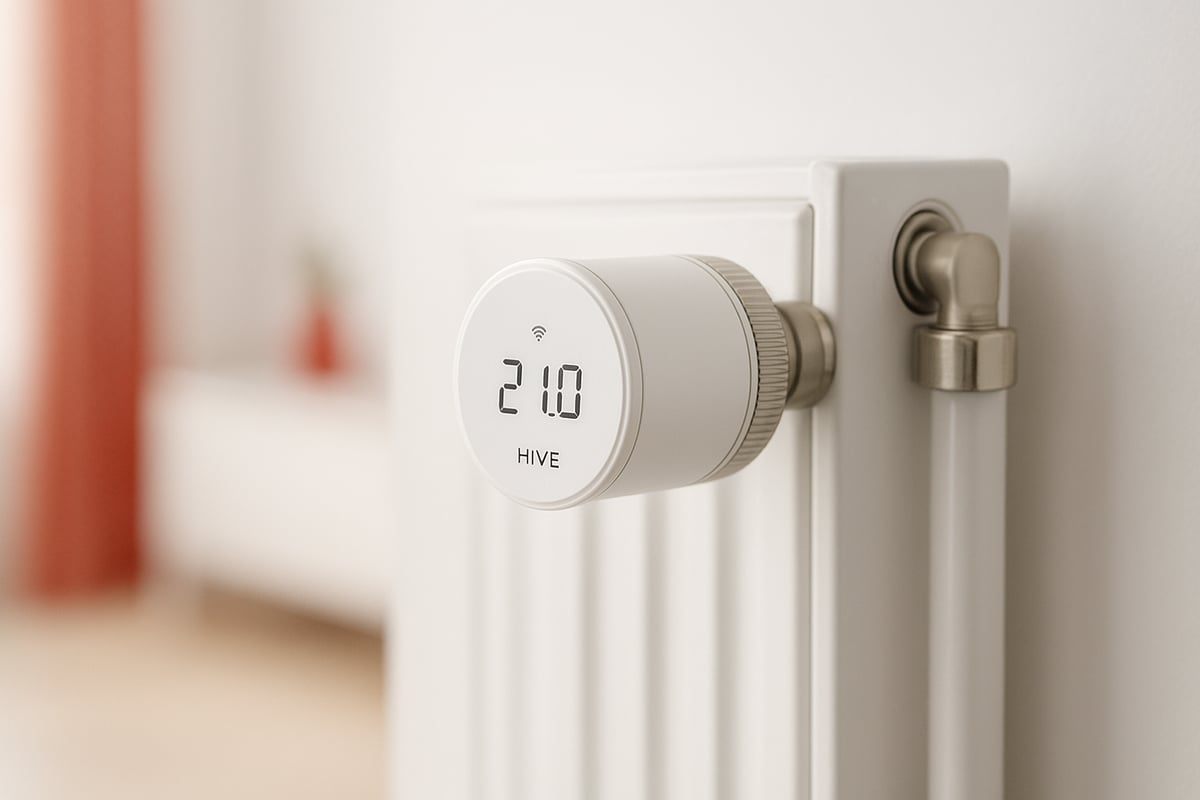
A hive thermostatic valve is a smart device that replaces traditional manual radiator valves, giving you advanced control over your home's heating. Unlike manual TRVs, which require you to twist a dial to adjust radiator output, a hive thermostatic valve lets you set specific temperatures for each room using your smartphone or tablet.
Key features include remote control, scheduling, and temperature precision. For example, the Hive 15mm Angled Smart TRV allows you to adjust heat settings on the go, whether you're at home or away. This level of control ensures that only the rooms you use are heated, reducing wasted energy and improving comfort.
Compatibility is straightforward. Most UK radiators with standard 15mm connections can accommodate a hive thermostatic valve, making it an accessible upgrade for a wide range of households. If you want a detailed comparison with other smart TRVs, the Smart thermostatic radiator valves guide offers an excellent overview.
How Hive Thermostatic Valves Work
A hive thermostatic valve communicates wirelessly with the Hive Hub, which acts as the central point for your smart heating system. This connection allows you to control each valve individually through the Hive app, providing true multi-zone temperature management.
With a hive thermostatic valve, you can set different temperatures in each room, tailoring heating to your lifestyle and preferences. The system integrates seamlessly with most existing UK heating setups, working alongside your boiler and any existing Hive thermostat. Data-driven adjustments help optimise performance, as the system learns your routines and makes energy-saving changes automatically.
For example, you might create zones for bedrooms, living areas, and home offices. Each zone can be managed independently, ensuring comfort throughout the house while avoiding unnecessary heating in empty rooms. This approach not only boosts efficiency but also supports a more sustainable way of living.
Benefits of Hive Thermostatic Valves
Installing a hive thermostatic valve can deliver significant energy savings, with some households reporting up to a 30 percent reduction in heating bills. Enhanced comfort is another key advantage, as you can personalise the temperature in each room to suit individual needs and schedules.
Customisation extends to creating heating profiles for specific rooms, such as keeping children's bedrooms warmer or maintaining a lower temperature in rarely used spaces. The environmental impact is also notable, as improved efficiency leads to a reduced carbon footprint.
Consider a family home where zoning is implemented using hive thermostatic valves. Parents can keep the nursery cosy overnight while reducing heat in unoccupied rooms, leading to both improved well-being and lower costs. This combination of savings, comfort, and sustainability makes the hive thermostatic valve a smart investment for the modern household.
Installation and Setup Guide
Setting up your hive thermostatic valve is an investment in comfort, convenience, and energy savings. Proper installation is essential for maximising performance and ensuring your smart heating system works seamlessly. This guide walks you through each step, from preparation to troubleshooting, so you can enjoy efficient heating with confidence.
Preparing for Installation
Before installing your hive thermostatic valve, check your radiator’s compatibility. Most UK radiators with a standard 15mm valve fitting are suitable, but always confirm with your manufacturer’s guidelines.
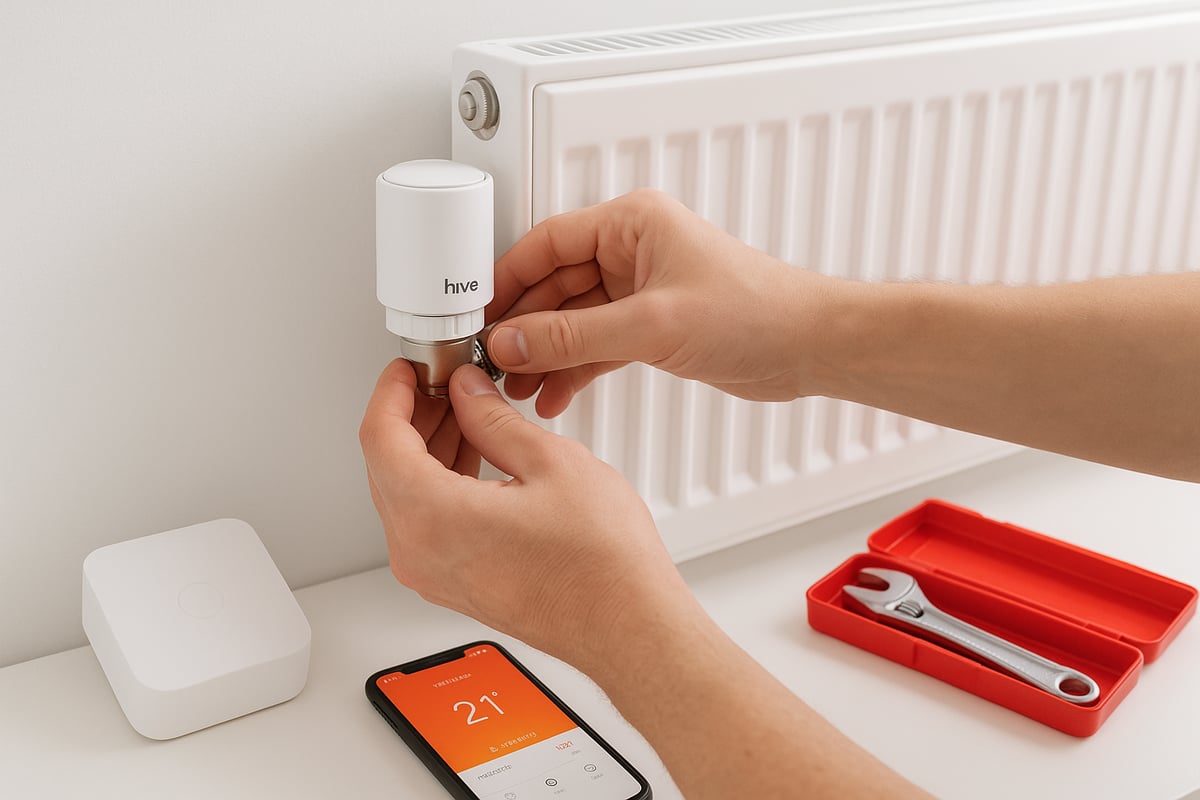
Gather the necessary tools and materials:
- Adjustable spanner
- Soft cloth or towel
- Bucket (for any water spillage)
- Batteries (as required by the hive thermostatic valve)
- Smartphone or tablet for app setup
Safety is paramount. Turn off your heating system and allow radiators to cool completely. If replacing an old valve, drain the radiator partially to avoid water leaks. Always protect floors and carpets with towels or dust sheets.
Decide whether to install the hive thermostatic valve yourself or hire a professional. Many homeowners find DIY installation straightforward, especially with clear instructions, but if you are unsure, professional help ensures optimal results and system safety. Assess your confidence and experience before proceeding.
Step-by-Step Installation Process
Fitting your hive thermostatic valve is typically quick and manageable. Most installations take under 30 minutes per valve. Here’s how to do it:
- Remove the old manual TRV by unscrewing it from the radiator. Use a cloth to catch any drips.
- Install the hive thermostatic valve by screwing it onto the radiator fitting. Ensure it is secure and properly aligned.
- Insert batteries into the valve, following the manufacturer's instructions.
- Connect the valve to your Hive Hub by opening the Hive app, navigating to device settings, and following the pairing prompts.
- Test the functionality by adjusting the temperature in the app and confirming the valve responds as expected.
For detailed visual guidance, refer to the Hive Radiator Valve Installation Manual, which covers each step in depth and includes troubleshooting tips.
Once installed, repeat the process for each radiator where you want smart control. Always check for leaks and ensure each hive thermostatic valve is firmly attached.
Common Installation Challenges and Solutions
Occasionally, you may encounter challenges during installation. Here are common issues and solutions:
- Incompatible fittings: Some older radiators may require an adapter. Check compatibility before starting.
- Wireless connection problems: Ensure your Hive Hub is within range and there are minimal obstructions between devices.
- Leaks or poor radiator performance: Double-check all connections for tightness. If a leak persists, turn off the system and seek professional assistance.
- Difficulty pairing the valve: Reset the hive thermostatic valve and try the pairing process again through the Hive app.
If you experience persistent issues, such as repeated leaks or connection failures, it is wise to consult a heating engineer. Professional installers can address complex integration challenges and ensure your hive thermostatic valve operates safely and efficiently.
Smart Heating Tips for 2026
Unlocking the full potential of your hive thermostatic valve goes beyond installation. By applying smart heating strategies, you can transform your home’s comfort, efficiency, and energy savings. In the ever-evolving world of smart homes, staying ahead with the latest tips ensures you make the most of your investment.
Optimising Temperature Schedules
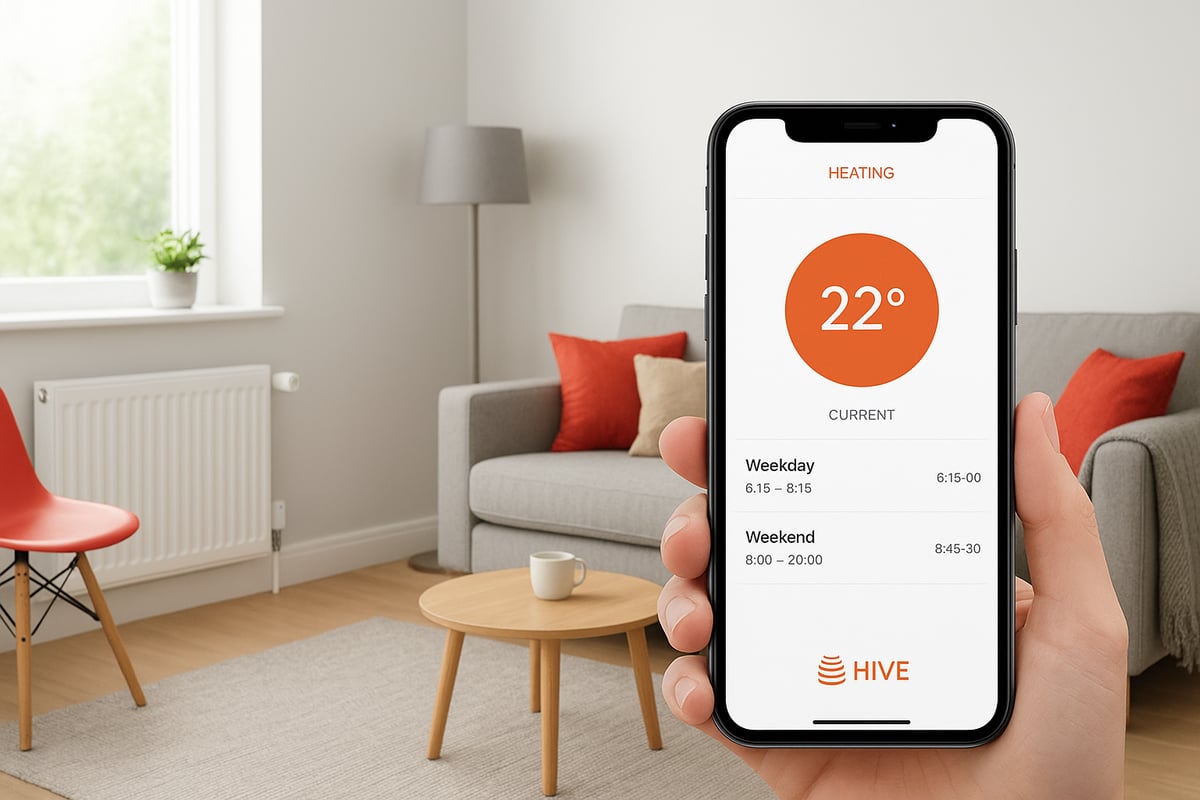
A hive thermostatic valve shines when you tailor heating to your lifestyle. Start by creating detailed schedules for each room, ensuring warmth where and when you need it. For example, set the living room to heat up before family evenings, while keeping bedrooms cooler during the day.
Use geolocation and occupancy sensors to automate temperature changes. When you leave for work, the hive thermostatic valve can automatically switch to eco mode, saving energy. On weekends, adjust the schedule for leisurely mornings or guests.
- Customise every room’s schedule individually.
- Leverage app-based controls to tweak settings remotely.
- Use occupancy data to avoid heating empty spaces.
A hive thermostatic valve empowers you to fine-tune comfort, giving you control over daily and weekly patterns.
Integrating with Other Smart Home Devices
The hive thermostatic valve works best as part of a connected smart home. Pair it with a Hive smart thermostat or link to voice assistants like Alexa and Google Home for hands-free temperature control. Imagine saying, “Alexa, turn up the heating in the study,” and watching your environment respond instantly.
Integrating with routines, such as a morning wake-up scene, means the hive thermostatic valve can coordinate with smart blinds or lighting. This synergy boosts both efficiency and comfort.
For a deeper dive into how these devices work together, the Smart heating controls explained page offers valuable insights into creating a truly connected heating system.
- Seamlessly integrate with major smart home platforms.
- Automate heating based on daily routines.
- Use voice commands for effortless adjustments.
Maximising Energy Savings
A hive thermostatic valve is designed to help you cut heating costs. Activate eco modes or set “away” settings for periods when the home is empty. Analysing usage data in the Hive app reveals patterns and opportunities to save even more.
Consider this: a typical UK household using a hive thermostatic valve for zoned heating can see annual savings of up to 30 percent on their energy bill. Case studies show that families who actively monitor and adjust their heating schedules consistently outperform those who don’t.
- Review app analytics to identify high-usage times.
- Set lower temperatures in rarely used rooms.
- Schedule heating only when necessary.
With a hive thermostatic valve, every small adjustment adds up to significant savings.
Comfort and Health Considerations
Comfort goes beyond temperature. The hive thermostatic valve helps prevent cold spots and overheating by allowing precise control in each room. For families with children or elderly relatives, this means safer, more consistent warmth where it matters most.
Maintaining optimal humidity and air quality is also essential. Use your hive thermostatic valve to avoid excessive dryness or stuffiness, especially during winter.
- Adjust settings for children’s rooms to maintain a steady, gentle warmth.
- Prevent overheating in spaces where elderly relatives spend time.
- Monitor for draughts or cold corners and adjust accordingly.
A hive thermostatic valve ensures your home is both cosy and healthy.
Future-Proofing Your Heating System
As smart home technology evolves, the hive thermostatic valve remains a wise investment. Stay prepared for upcoming Hive software updates, which may bring new features and improved automation.
Ensure your hive thermostatic valve is compatible with emerging smart home standards such as Matter. This future-proofs your heating system, allowing seamless integration with a wider range of devices in the years ahead.
- Regularly update firmware via the Hive app.
- Check for compatibility with new smart home platforms.
- Stay informed about upcoming features and best practices.
By leveraging the latest advancements, your hive thermostatic valve will continue to deliver comfort, efficiency, and reliability for years to come.
Troubleshooting and Maintenance
Keeping your hive thermostatic valve in top condition is crucial for reliable smart heating. Even the most advanced devices encounter occasional issues, but with the right troubleshooting and maintenance steps, you can ensure consistent comfort and efficiency throughout your home.
Common Issues and Quick Fixes
Despite their smart features, hive thermostatic valve units can sometimes face operational hiccups. Here are typical issues and how to resolve them:
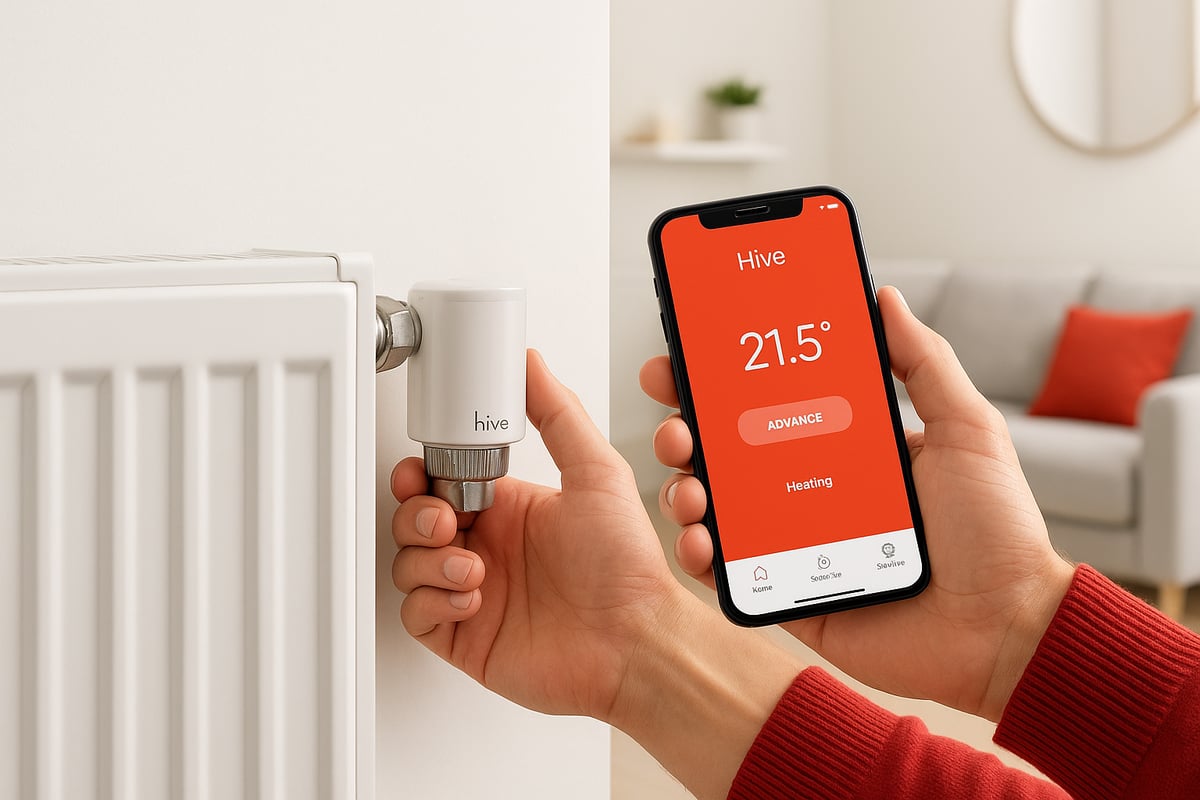
- Connectivity Problems: If your valve loses connection to the Hive Hub, check your Wi-Fi network and reboot the hub. Relocating the hub closer to the valve often helps.
- Valve Calibration Errors: Calibration errors can cause heating delays or inaccurate temperatures. Recalibrating via the Hive app usually resolves this.
- Low Battery Warnings: When the battery runs low, the valve displays alerts. Replace the batteries promptly to avoid disruption.
- Noisy Valves: Clicking or humming noises may indicate a need for recalibration or cleaning.
If you encounter persistent or unusual problems, consult the Hive Radiator Valve User Guide for step-by-step troubleshooting tailored to your hive thermostatic valve.
Routine Maintenance Best Practices
Regular maintenance extends the life and performance of your hive thermostatic valve. Here are practical tips to keep your system running smoothly:
- Cleaning and Inspection: Wipe the valve with a soft, dry cloth every few months. Inspect for dust or debris that could affect performance.
- Firmware Updates: Use the Hive app to check for and install firmware updates, ensuring your valve benefits from the latest features and security.
- Device Resetting: If your hive thermostatic valve stops responding, try resetting or re-pairing it through the app. This often restores normal function.
- Battery Management: Always use high-quality batteries and check them at the start and end of heating seasons.
Following these steps will prevent most minor issues and keep your hive thermostatic valve operating efficiently. For technical guidance, refer to official resources and user manuals.
When to Call a Professional
Some situations require expert intervention to protect your home and the hive thermostatic valve system:
- Persistent Leaks: Water leaks around the valve or radiator joints may indicate installation or hardware faults that need professional repair.
- Complex System Integrations: If you are integrating the hive thermostatic valve with advanced smart home systems, an experienced technician ensures compatibility and optimal setup.
- Safety and Compliance: For any issue involving gas boilers, electrical wiring, or regulatory compliance, always seek professional assistance.
If troubleshooting and maintenance steps do not resolve your issue, do not hesitate to contact a qualified engineer. Prompt action protects your investment and your comfort.
Hive Thermostatic Valves vs. Competitors
Choosing the right smart heating solution can be a challenge with so many brands available. The hive thermostatic valve stands out, but how does it really compare to leading competitors like Tado, Drayton, and Honeywell? Here, we break down the main differences so you can make a confident, informed decision.
Comparing Hive to Other Smart TRVs
Let us look at the hive thermostatic valve alongside its main rivals. The table below summarises key features at a glance:
| Feature | Hive | Tado | Drayton Wiser | Honeywell Evohome |
|---|---|---|---|---|
| Remote Control | Yes (App, Voice) | Yes (App, Voice) | Yes (App, Voice) | Yes (App, Voice) |
| Scheduling | Yes | Yes | Yes | Yes |
| Multi-room Zoning | Yes | Yes | Yes | Yes |
| App Usability | Intuitive | Advanced | Simple | Functional |
| Ecosystem Integration | Hive, Alexa, Google | Alexa, Google, Apple | Alexa, Google | Alexa, Google, Apple |
| Price (per valve, average) | £54 | £59 | £45 | £65 |
The hive thermostatic valve is known for its intuitive app and seamless integration with the Hive ecosystem. In comparison, Tado excels with advanced geofencing, while Drayton offers excellent value for money. Honeywell Evohome is praised for its flexibility, especially in larger homes.
For a deeper dive into official features and compatibility, see the Hive Heating Guides.
Choosing the Right Smart Valve for Your Home
Selecting a smart radiator valve depends on several factors. First, check compatibility with your current heating setup. The hive thermostatic valve is ideal for those already invested in the Hive ecosystem, making integration straightforward.
Budget matters, too. Drayton may be more affordable for flats or smaller spaces, while Honeywell offers advanced features suited for larger homes needing complex zoning. User reviews highlight the hive thermostatic valve for reliability and ease of use, especially when managing multiple rooms.
If you are new to smart heating, the Beginner's guide to smart heating controls is a helpful resource. It covers the basics and helps clarify which features matter most for comfort and savings.
Industry experts recommend considering future-proofing. The hive thermostatic valve supports ongoing updates and is designed to work with emerging smart home standards, ensuring your investment lasts.
The Future of Smart Heating: Trends for 2026 and Beyond
The smart heating landscape is evolving at an unprecedented rate. As we approach 2026, homeowners are discovering new ways to make heating systems more intelligent, efficient, and environmentally friendly. Understanding what lies ahead for the hive thermostatic valve is key to maximising both comfort and savings as technology continues to advance.
Emerging Technologies in Smart Heating
Smart heating is rapidly moving beyond simple scheduling. The hive thermostatic valve is now part of a new wave of automation powered by artificial intelligence. These systems can learn your routines, predict when rooms will be occupied, and adjust temperatures automatically for maximum efficiency.
Integration with renewable energy is also on the rise. Homeowners who install solar panels or heat pumps will soon be able to sync their hive thermostatic valve with these sources, ensuring heating is both sustainable and cost-effective. Predictive maintenance is another breakthrough. Advanced sensors and data analytics can detect issues early, alerting you before problems escalate.
Key trends to watch include:
- AI-driven heating schedules that adapt in real time
- Full integration with renewable energy platforms
- Proactive system health monitoring
These innovations are set to enhance comfort and reduce energy costs, making every hive thermostatic valve a smart investment for the future.
Regulatory Changes and Energy Efficiency Standards
Government policy is playing a crucial role in shaping the future of smart heating. In the UK, stricter energy efficiency standards are being introduced for residential properties. These regulations encourage the adoption of smart controls like the hive thermostatic valve to help lower carbon emissions and meet national climate targets.
There are several incentives available for homeowners considering smart heating upgrades:
- Grants or rebates for installing energy efficient devices
- Tax benefits linked to home improvements
- National campaigns promoting low carbon technologies
As these standards evolve, manufacturers are updating their products to ensure compliance. The hive thermostatic valve is designed to meet or exceed upcoming benchmarks, helping users stay ahead of regulatory changes and maximise their investment in home comfort.
What’s Next for Hive Thermostatic Valves?
Looking forward, the hive thermostatic valve will continue to see regular software updates and feature enhancements. Expect improved integration with emerging smart home standards, such as Matter, which will make devices from different brands work seamlessly together.
Hive’s roadmap includes:
- Enhanced app features for granular control
- Greater compatibility with third-party smart home ecosystems
- Advanced analytics for even smarter heating decisions
To stay prepared, homeowners should keep devices updated and explore new features as they are released. For a deeper understanding of product capabilities, consult the Hive Radiator Valve User Manual, which covers the latest installation and troubleshooting guidance.
By embracing these developments, users can ensure their hive thermostatic valve remains at the forefront of smart heating technology for years to come.
Now that you understand how Hive thermostatic valves can transform your home’s heating—offering smarter control, energy savings, and a more comfortable living environment—it’s a great time to take the next step. Whether you’re in Rochester, Gravesend, or anywhere across Kent, you deserve expert support to ensure your system is set up for maximum efficiency and peace of mind. If you’re ready to experience the benefits of smart heating or need help with installation and maintenance, let’s make your home warmer and more efficient together.
Keeping Homes in and around kent Warm, Dry & Flowing Book with castle heating kent

