
Honeywell Motorised Valve: Complete Guide for 2026
The honeywell motorised valve serves as a critical component in modern heating systems, controlling the flow of hot water between your boiler and different heating zones throughout your property. Whether you're managing a multi-zone heating system in Rochester or upgrading an older installation in Gravesend, understanding how these valves function can save you money on energy bills whilst improving comfort levels. This essential piece of equipment ensures that heat only goes where it's needed, when it's needed, making your central heating system far more efficient than older, non-zoned alternatives.
What Is a Honeywell Motorised Valve
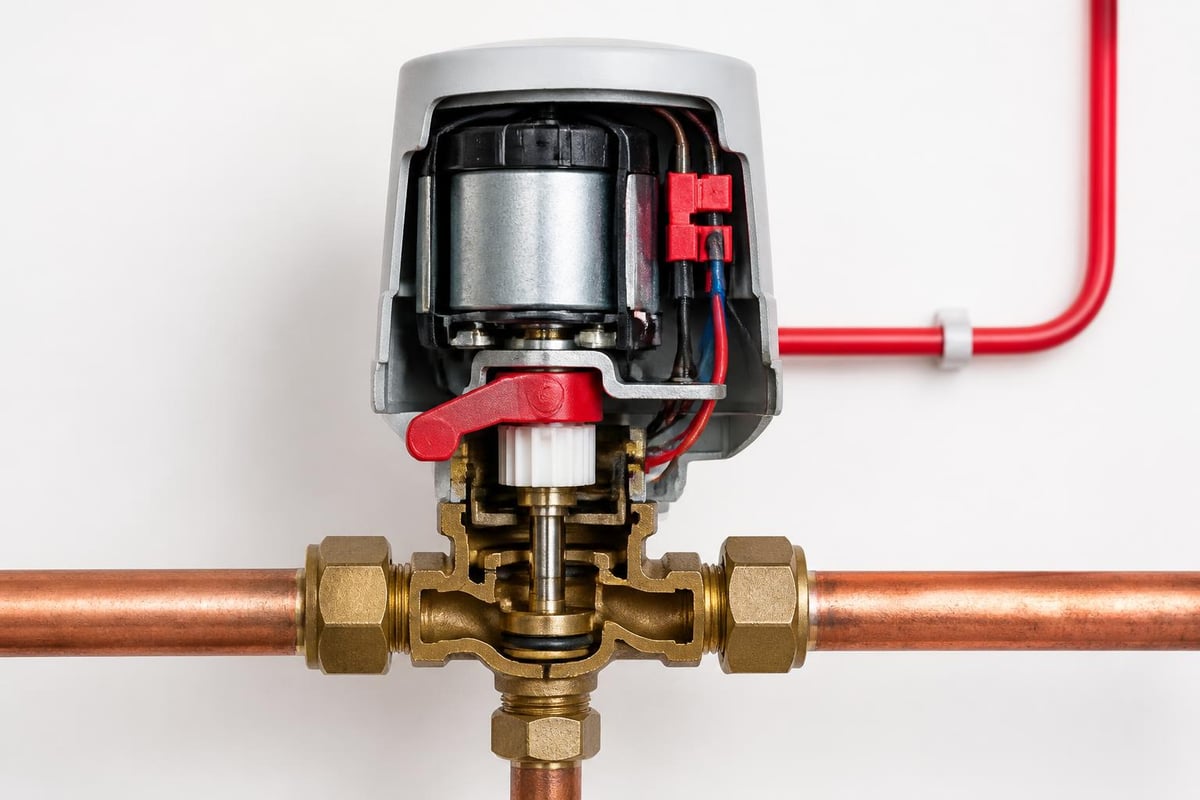
A honeywell motorised valve is an electrically operated component that opens and closes to control the flow of water in central heating and hot water systems. The device consists of a valve body through which water flows, coupled with an electric actuator that moves the valve mechanism between open, closed, and sometimes mid-position states.
The actuator receives signals from your heating controls, typically a programmer or thermostat, determining when different zones require heating. When a room thermostat calls for heat, the actuator powers up and physically moves the valve to allow hot water through the pipework serving that particular zone.
Key Components and Construction
The typical honeywell motorised valve assembly includes several crucial elements working together. The valve body connects directly into your heating pipework, whilst the removable actuator head sits on top, containing the motor and control electronics.
Main components include:
- Brass valve body with compression or threaded connections
- Electric actuator head with motor mechanism
- Manual lever for emergency operation
- Auxiliary switches for boiler interlock
- Terminal block for electrical connections
Most models feature a manual lever that allows you to override the motorised function, useful during servicing or in the event of actuator failure. The auxiliary switches signal to the boiler when any zone requires heat, preventing the boiler from firing when all zones are satisfied.
Types of Honeywell Motorised Valves
Different heating system configurations require specific valve types. Selecting the correct model ensures your system operates efficiently whilst preventing operational issues that can arise from incompatible installations.
Two-Port Zone Valves
Two-port valves feature an inlet and outlet, functioning as a simple on/off control for individual heating zones. When energised, the valve opens completely; when de-energised, it closes. These valves suit systems where you want independent control over separate heating circuits.
The V4043H represents Honeywell's most popular two-port model, available in 22mm and 28mm sizes to match common pipe diameters. The installation specifications for the V4043H detail the precise requirements for fitting these valves correctly.
| Feature | V4043H (22mm) | V4043H (28mm) |
|---|---|---|
| Pipe Size | 22mm | 28mm |
| Voltage | 230V AC | 230V AC |
| Power Consumption | 5W | 5W |
| Operating Time | 15 seconds | 15 seconds |
Three-Port Mid-Position Valves
Three-port valves offer more sophisticated control, managing both heating and hot water circuits from a single valve. The mid-position function allows simultaneous heating and hot water operation, or either circuit independently.
These valves feature three ports: one from the boiler (common port), one to radiators, and one to the cylinder. The internal mechanism can direct flow to either circuit or divide it between both, making them ideal for conventional boiler systems with separate heating and hot water requirements.
How the Honeywell Motorised Valve Functions
Understanding the operational sequence helps diagnose issues and appreciate the engineering behind zone control. The entire process typically completes within fifteen to twenty seconds from the initial call for heat.
When your thermostat or programmer signals a demand for heating, it sends a live feed to the valve actuator. This energises a small synchronous motor inside the actuator head, which drives a cam mechanism that physically pushes the valve open against spring pressure.
The Opening Sequence
Step-by-step operation:
- Room thermostat closes, sending live supply to valve
- Actuator motor energises and begins rotation
- Cam mechanism pushes valve spindle to open position
- Auxiliary switch closes, signalling boiler to fire
- Indicator shows valve position (often via LED or mechanical flag)
- Water flows through opened valve to heating zone
The auxiliary switch plays a vital role in system efficiency. It only closes when the valve reaches the fully open position, ensuring the boiler doesn't fire unnecessarily when zones aren't ready to receive hot water. This interlock function prevents short cycling and reduces wear on boiler components.
Closing and Safety Features
When the thermostat is satisfied, power cuts to the valve actuator. A spring mechanism inside returns the valve to its closed position, a fail-safe design ensuring valves default to closed during power failures or actuator malfunctions.
Modern Honeywell motorised valves incorporate end switches that prevent the motor from stalling at travel limits, extending actuator lifespan considerably. The manual override lever allows heating engineers to test valve operation without electrical power, essential during commissioning and fault-finding procedures.

Installation Considerations for Kent Properties
Installing a honeywell motorised valve requires both plumbing competence and electrical knowledge, as the work involves manipulating water systems and connecting to mains voltage supplies. Only Gas Safe registered engineers should undertake this work, particularly when integrating valves into boiler control circuits.
The detailed wiring procedures demonstrate the complexity of proper electrical installation, highlighting why professional fitting is essential. At Castle Heating Kent, our experienced engineers regularly install and replace motorised valves across Rochester, Gravesend, and surrounding areas.
Positioning and Pipework
Optimal installation practices include:
- Mounting valves with actuator head uppermost to prevent water ingress
- Ensuring adequate clearance around actuator for removal and servicing
- Installing isolation valves either side for future maintenance
- Maintaining correct flow direction (usually marked by arrow on body)
- Supporting pipework independently, not relying on valve body
Many Kent properties feature older heating systems where pipework runs don't accommodate modern zone valves easily. Professional installers assess existing layouts and may need to modify pipe runs, add drain points, or relocate components for optimal valve positioning.
Electrical Wiring Requirements
Wiring a honeywell motorised valve into your heating controls requires understanding of standard heating wiring conventions and Building Regulations Part P compliance. The actuator typically needs a permanent live, switched live from the programmer or thermostat, neutral, and earth connections.
The auxiliary switches wire into the boiler circuit, creating an interlock that prevents boiler operation when no zones require heat. Incorrect wiring can cause various issues, from valves that won't open to boilers that run constantly regardless of thermostat settings.
| Connection | Function | Wire Colour (Typical) |
|---|---|---|
| Permanent Live | Motor power supply | Brown/Red |
| Switched Live | Zone demand signal | Orange |
| Neutral | Circuit return | Blue/Black |
| Earth | Safety | Green/Yellow |
| Auxiliary | Boiler interlock | White/Grey |
Common Problems and Troubleshooting
Even reliable components like Honeywell motorised valves eventually develop faults after years of continuous operation. Recognising symptoms helps identify whether a valve requires replacement or just simple maintenance.
Valve Stuck Closed
When a zone fails to heat despite the thermostat calling for warmth, a stuck valve often proves the culprit. This issue typically results from limescale buildup on the valve spindle or seized actuator mechanisms, particularly common in hard water areas across Kent.
Testing involves checking the manual lever. If it moves freely and the zone heats when held open, the actuator has failed. If the lever won't budge or returns immediately, internal valve components have seized. Sometimes gentle manipulation of the lever with penetrating fluid can restore movement, though replacement often provides the more reliable long-term solution.
Actuator Motor Failure
A buzzing sound from the valve without corresponding movement indicates motor failure. The actuator receives power but cannot overcome mechanical resistance or has suffered internal motor burnout. These symptoms warrant actuator replacement, which fortunately doesn't require draining the entire system.
Diagnostic steps:
- Check power supply reaching actuator terminals
- Listen for motor operation when zone calls for heat
- Test manual lever movement with actuator removed
- Verify auxiliary switch operation with multimeter
- Inspect wiring connections for looseness or corrosion
Leaking Valve Bodies
Leaks around the valve body typically indicate worn compression fittings or degraded internal seals. Minor weeps from gland nuts often respond to gentle tightening, but persistent leaks require professional attention to prevent water damage.
Older valves may develop pinhole leaks in brass bodies due to dezincification, a corrosion process affecting certain brass alloys in aggressive water conditions. Such failures necessitate complete valve replacement rather than attempted repairs.
Integration with Modern Heating Controls
Contemporary heating systems increasingly incorporate smart controls and internet-connected thermostats. Honeywell motorised valves integrate seamlessly with these advanced systems, as they respond to simple on/off signals regardless of control sophistication.
Smart thermostats like those discussed in our guide to intelligent heating controls work perfectly with motorised valves. The thermostat handles scheduling, weather compensation, and remote access, whilst the valve provides the physical control over water flow.
Multi-Zone System Design
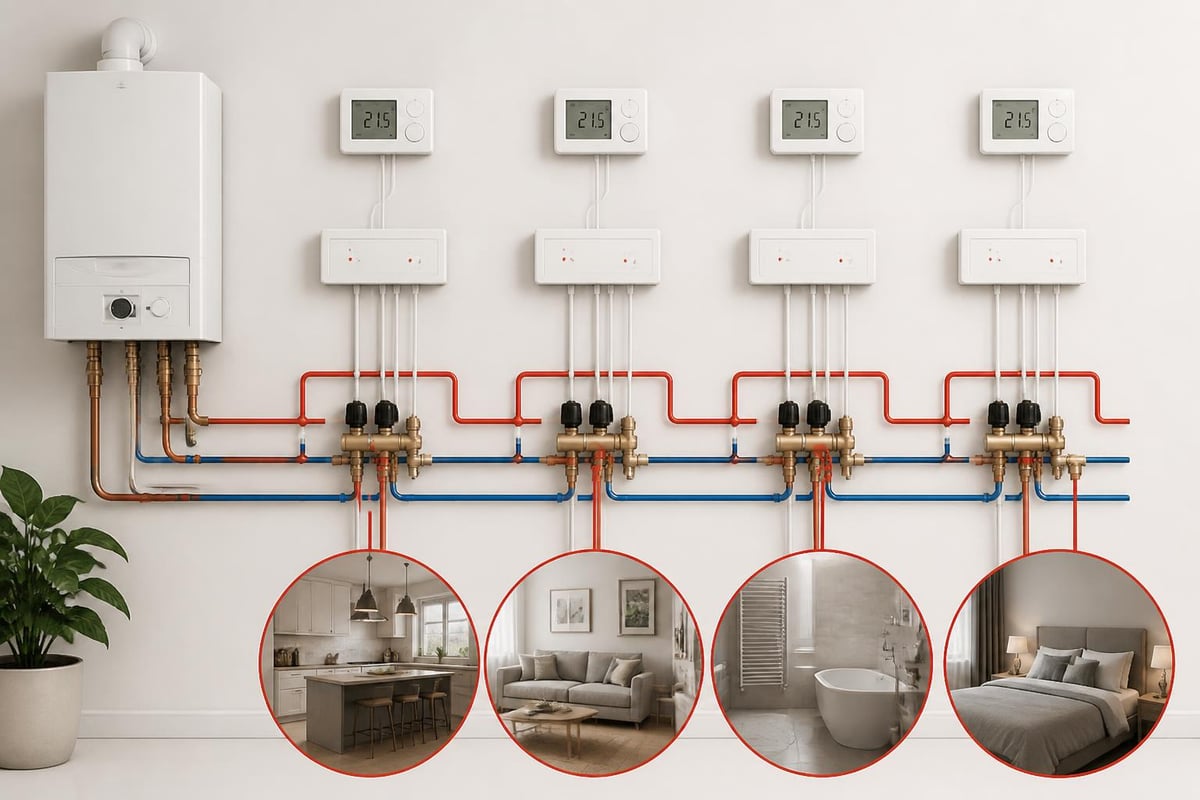
Larger Kent properties often benefit from multi-zone heating, dividing the building into areas controlled independently. Ground floor living spaces might operate on different schedules from upstairs bedrooms, whilst conservatories or home offices receive heat only when occupied.
Each zone requires its own honeywell motorised valve, thermostat, and wiring back to a central wiring centre or programmer. Proper system design ensures adequate boiler capacity for simultaneous zone operation whilst preventing excessive pump pressure when multiple valves close.
Maintenance and Longevity
Regular servicing extends the operational life of motorised valves considerably. During annual boiler service visits, engineers should exercise all valves manually to prevent seizure and verify correct electrical operation.
Preventative Maintenance Tasks
Annual checks should include:
- Operating manual lever through full range of movement
- Verifying actuator operates smoothly without stalling
- Testing auxiliary switches for proper contact operation
- Inspecting wiring connections for security and condition
- Checking for signs of weeping or corrosion on valve body
Properties with hard water may benefit from water treatment solutions to reduce limescale accumulation on internal components. Scale inhibitors added to the system during boiler installation or powerflushing procedures help protect valves alongside other system components.
Expected Service Life
A well-maintained honeywell motorised valve typically provides fifteen to twenty years of reliable service. Actuators may require replacement more frequently, perhaps every ten to twelve years, whilst valve bodies often outlast the heating systems they serve.
Replacement becomes necessary when repair costs approach the price of new valves, or when valve technology has advanced sufficiently to justify upgrading. Modern valves offer faster operation, quieter motors, and more reliable auxiliary switches compared to models from the 1990s or early 2000s.
Energy Efficiency Benefits
Installing motorised valves as part of a zoned heating system delivers measurable energy savings for Kent homeowners. By heating only occupied areas rather than the entire property continuously, households typically reduce gas consumption by fifteen to thirty percent depending on property layout and occupancy patterns.
The combination of zone valves with modern condensing boilers maximises efficiency gains. When fewer zones demand heat, reduced flow rates allow boiler return temperatures to drop lower, enabling the boiler to operate in high-efficiency condensing mode more frequently.
Return on Investment
The installation cost of zone valves, additional thermostats, and associated controls typically recovers through energy savings within three to five years. Larger properties with distinct living patterns see faster payback periods, particularly when combining zone control with programmable or smart thermostats.
For homeowners considering comprehensive heating upgrades, spreading costs through boiler finance options makes investing in zone control more accessible. Flexible payment terms help you implement energy-saving improvements without the upfront financial burden, whilst reduced running costs begin immediately upon installation.

Compatibility with Different Heating Systems
The honeywell motorised valve suits various heating system configurations, from traditional gravity hot water systems to modern sealed systems with combination boilers. Understanding compatibility ensures appropriate specification for your particular installation.
System Boilers and Regular Boilers
Properties with separate hot water cylinders typically use two-port zone valves for heating circuits and either a second zone valve or a cylinder thermostat for hot water. This arrangement allows independent control, so you can heat water without activating radiators during summer months.
Three-port mid-position valves offer an alternative approach, managing both heating and hot water from a single valve body. Whilst this reduces component count, it provides less flexibility than separate two-port valves for each circuit.
Underfloor Heating Applications
Motorised valves play important roles in underfloor heating systems, particularly where combining underfloor circuits with traditional radiators. The lower temperature requirements for underfloor heating necessitate blending valves or separate circuits, often controlled through motorised zone valves.
Multiple underfloor zones throughout a property each require individual control to prevent overheating and maximise efficiency. Manifold-based systems incorporate actuators that function similarly to motorised valves, opening and closing individual circuit loops in response to room thermostats.
Selecting the Right Valve Specification
Choosing the appropriate honeywell motorised valve involves considering pipe size, system pressure, flow rates, and electrical supply characteristics. Professional heating engineers assess these factors during system design or when specifying replacement components.
Pipe Sizing Considerations
The valve bore must match your system pipework to avoid flow restrictions. Common domestic installations use 22mm valves for most heating circuits, whilst larger properties or high-output systems may require 28mm variants. Undersized valves create excessive pressure drop, forcing pumps to work harder and potentially causing noise issues.
Oversizing valves doesn't typically create problems beyond increased component costs, though extremely oversized valves may not seal properly at the lower end of their flow range. Matching valve size to existing pipework diameter usually provides the optimal balance.
| Property Size | Typical Valve Size | Max Flow Rate |
|---|---|---|
| 1-2 Bedroom | 22mm | 25 litres/min |
| 3-4 Bedroom | 22mm or 28mm | 35 litres/min |
| 5+ Bedroom | 28mm | 50 litres/min |
Voltage and Power Requirements
Standard UK installations use 230V AC motorised valves powered from the heating system electrical supply. The modest power consumption (typically 5-8 watts) means multiple valves operate simultaneously without overloading circuits or requiring dedicated supplies.
Some commercial or specialist applications use low-voltage variants, though these remain rare in domestic settings. Always verify voltage requirements before purchasing replacement actuators, as connecting incorrect voltage components can cause immediate damage or create safety hazards.
Professional Installation vs DIY
Whilst competent DIY enthusiasts might manage the plumbing aspects of valve installation, the electrical connections require Part P compliance and understanding of heating control wiring. Incorrect installation can damage expensive boiler components, create safety hazards, or result in systems that fail to operate correctly.
Gas Safe registered engineers possess the training and insurance coverage to install motorised valves correctly, ensuring compliance with Building Regulations and manufacturer guidelines. Professional installation typically includes commissioning procedures that verify correct operation under all system conditions.
Why Professional Service Matters
Benefits of professional installation include:
- Correct valve sizing and specification for your system
- Compliance with Building Regulations Part P
- Proper system balancing following installation
- Warranty protection on parts and labour
- Insurance coverage against installation errors
Kent homeowners seeking reliable heating services benefit from choosing established local companies with proven track records. Checking customer reviews helps identify installers who consistently deliver quality workmanship and professional service.
Future Developments in Zone Control Technology
Heating control technology continues evolving, with motorised valves adapting to meet new requirements. Whilst the fundamental operating principle remains unchanged, modern valves incorporate features that earlier generations lacked.
Smart Valve Integration
Some manufacturers now produce valves with integrated wireless controls, eliminating running wires between thermostats and actuators. These systems use radio communication between components, simplifying retrofitting zone control into existing properties where running cables proves difficult.
Battery-powered actuators offer another installation advantage, removing the need for mains electrical connections entirely. Whilst requiring periodic battery replacement, they enable zone control installation in locations where electrical supply proves impractical.
Enhanced Diagnostics
Premium valve models increasingly feature diagnostic capabilities, communicating operational status and fault conditions to smart heating controllers. This functionality helps identify problems before they cause system failures, potentially alerting homeowners or heating engineers to developing issues requiring attention.
Progressive valve control represents another advancement, where actuators can hold partially open positions rather than simple on/off operation. This enables more sophisticated temperature control and potentially improves boiler modulation in condensing systems.
Understanding how the honeywell motorised valve operates and integrates into your heating system helps you make informed decisions about upgrades, maintenance, and troubleshooting. Whether you're experiencing zone control issues, planning a multi-zone installation, or simply maintaining an existing system, professional guidance ensures optimal performance and longevity. The experienced Gas Safe registered engineers at Castle Heating Kent provide expert installation, servicing, and repair of motorised valves throughout Rochester, Gravesend, and surrounding areas, backed by over twenty years of industry experience and excellent customer feedback.

