
Plumbing Guide: Expert Tips and Solutions for 2026
Plumbing problems can quickly disrupt your daily routine, leaving you frustrated and facing unexpected expenses. Staying on top of essential plumbing knowledge is key to preventing costly repairs and keeping your home running smoothly in 2026.
This comprehensive guide delivers expert advice, clear step-by-step solutions, and the latest trends tailored for homeowners and property managers. Whether you are handling minor issues or planning major upgrades, you will find practical guidance here.
Discover the fundamentals of plumbing, troubleshooting tips, preventative maintenance, sustainable upgrades, and advice on when to call in a professional. Take control of your home’s plumbing and enjoy peace of mind all year round.
Understanding Modern Plumbing Systems
Modern plumbing systems are the backbone of every comfortable home, ensuring safe water delivery and efficient waste removal. In 2026, a blend of traditional know-how and new technology helps homeowners manage plumbing more effectively than ever.
Key Components of Residential Plumbing
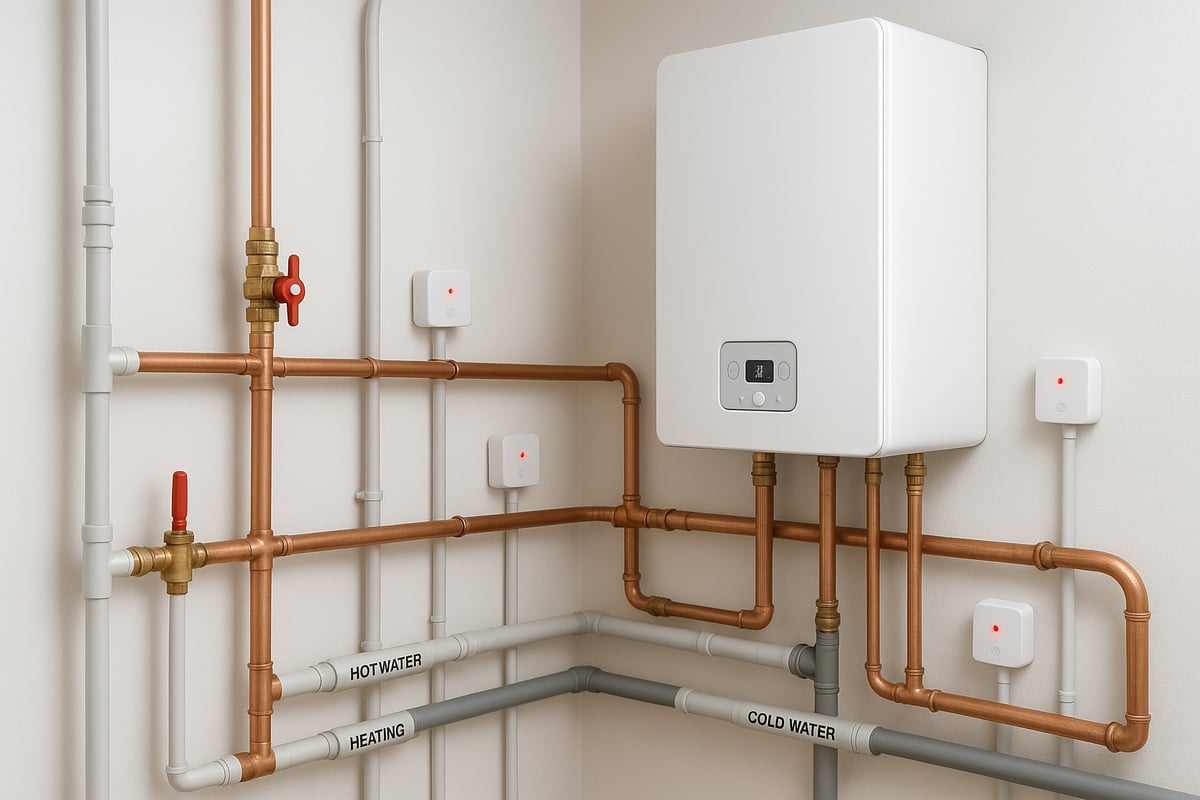
A typical residential plumbing system consists of two main parts: supply and drainage. The supply system brings fresh water in, while drainage removes waste and used water safely.
Pipes are the arteries of any plumbing network. Copper pipes are durable and long-lasting but are being replaced by PEX and PVC, which are easier to install and resistant to corrosion. In fact, over 60% of new UK homes now use PEX or plastic piping.
Fixtures such as taps, toilets, showers, and appliances connect to these pipes. Water pressure is managed through stopcocks, isolation valves, and thermostatic devices, ensuring consistent flow and safety.
For example, PEX piping is becoming the standard in new builds due to its flexibility and reliability. Understanding these components is essential for anyone maintaining or upgrading their plumbing.
The Role of Heating in Plumbing
Heating plays a vital part in modern plumbing, integrating closely with the hot water supply. Most UK homes rely on boilers, either traditional systems with hot water cylinders or combi boilers that heat water on demand.
Combi boilers are especially popular, offering both central heating and instant hot water through a single, pressurised system. Underfloor heating is also gaining ground, requiring specific plumbing layouts and careful pressure balancing for peak efficiency.
A typical UK property might feature a combi boiler linked to radiators and underfloor heating, all managed by thermostatic controls. Proper integration ensures even heating and reliable hot water, highlighting the importance of well-designed plumbing systems.
Smart Plumbing: Technology Trends for 2026
Smart technology is transforming plumbing in 2026. Homeowners are adopting leak detectors and automatic shut-off valves that can prevent costly damage. Connected water meters and consumption trackers help monitor usage in real time.
App-controlled showers and taps offer convenience and customisation, while smart thermostatic mixing valves improve safety and efficiency. According to recent studies, smart leak sensors have reduced insurance claims by 25%, demonstrating their value in modern plumbing.
For a deeper look at how technology is shaping the industry, explore Smart Plumbing & Water Management Trends for 2025, which covers innovative solutions like IoT-based leak detection and greywater recycling.
Water Quality and Treatment
Water quality is a crucial consideration for plumbing longevity. Hard water, which contains high mineral content, affects around 13 million UK homes and can cause limescale build-up in pipes and appliances.
Filtration and softening systems are available to combat this issue, protecting the plumbing infrastructure and extending the life of washing machines, dishwashers, and boilers. In areas like Kent, limescale build-up is particularly problematic, making water treatment a priority.
Regular maintenance and the installation of appropriate filtration devices ensure that plumbing systems remain clean and efficient, safeguarding both health and property.
Common Plumbing Regulations and Safety Standards
Compliance with plumbing regulations is essential for safety and legal reasons. The UK requires adherence to Building Regulations and the Water Supply (Water Fittings) Regulations 1999 when installing or upgrading systems.
If plumbing overlaps with gas work, such as with boilers, only Gas Safe registered engineers are authorised to carry out the work. DIY enthusiasts must also follow health and safety guidelines, including isolating supplies and wearing proper protective equipment.
For example, using a Gas Safe registered engineer is not just best practice but a legal requirement for certain tasks, ensuring the plumbing meets strict standards and keeps homes safe.
Essential Plumbing Tools and Materials for 2026
Having the right tools and materials makes every plumbing job smoother and more reliable. Whether you are tackling a minor repair or planning a full upgrade, modern equipment ensures efficiency and safety. Understanding what to keep in your toolkit is the first step toward successful plumbing maintenance and improvements.
Must-Have Plumbing Tools
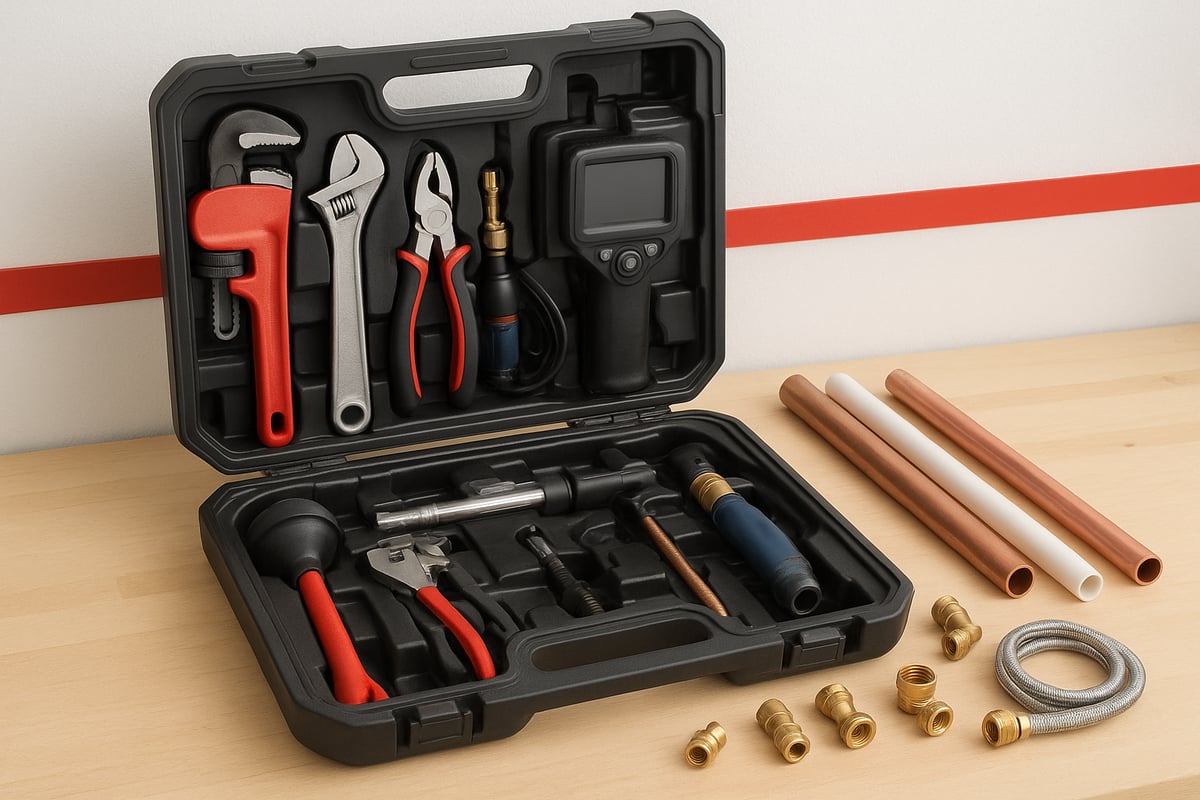
Every homeowner should keep a selection of essential plumbing tools ready for routine fixes. Common items include pipe wrenches for tightening and loosening fittings, adjustable spanners for versatile use, and pliers for gripping. Pipe cutters are vital for both copper and plastic pipes, ensuring clean, accurate cuts. A plumber’s torch is used for soldering copper joints, while plungers and drain snakes quickly clear blockages. Inspection cameras are now a staple, revealing hidden leaks and saving time on diagnosis.
If you are unsure about which tools are needed for specific tasks, exploring General Plumbing Services Explained can help clarify what professionals use and why. The right plumbing tools ensure safe, efficient repairs and help prevent recurring issues.
Key Plumbing Materials and Consumables
Selecting the correct plumbing materials is crucial for lasting results. Copper, PEX, PVC, and MDPE pipes each have unique benefits for supply and drainage. Fittings come in various types, including compression, push-fit, and soldered joints, which suit different installation needs. Sealants, tapes, and jointing compounds protect against leaks, while flexible hoses connect appliances securely.
Push-fit connectors are a game-changer, allowing quick and reliable repairs without specialist skills. Keeping a stock of these consumables ensures your plumbing system remains robust and adaptable.
Choosing the Right Fixtures and Fittings
Modern plumbing fixtures combine style, efficiency, and sustainability. Taps range from classic mixer designs to advanced boiling water taps. Toilets include close coupled, back-to-wall, and wall-hung options, each offering distinct space and cleaning benefits. Basins and sinks come in ceramic, composite, and stainless steel, tailored to your needs.
Water-saving fixtures are increasingly popular, with dual flush toilets cutting household water use by up to 30 percent. Choosing quality plumbing fittings results in a more efficient, attractive home.
Safety Equipment and Best Practices
Safety is paramount in any plumbing project. Essential personal protective equipment includes gloves, goggles, and knee pads. Always isolate water and gas supplies before starting work to avoid accidents. When using power tools or soldering equipment, follow manufacturer guidelines for safe operation.
A common best practice is to double-check isolation procedures before any plumbing repair. This simple step significantly reduces the risk of injury or property damage, ensuring a safer environment for every task.
DIY Plumbing: Step-by-Step Solutions for Common Issues
Tackling simple plumbing issues yourself can prevent damage, save money, and keep your home comfortable. With the right approach and understanding of plumbing basics, many common problems can be solved efficiently before they escalate.
Fixing Leaky Taps and Pipes
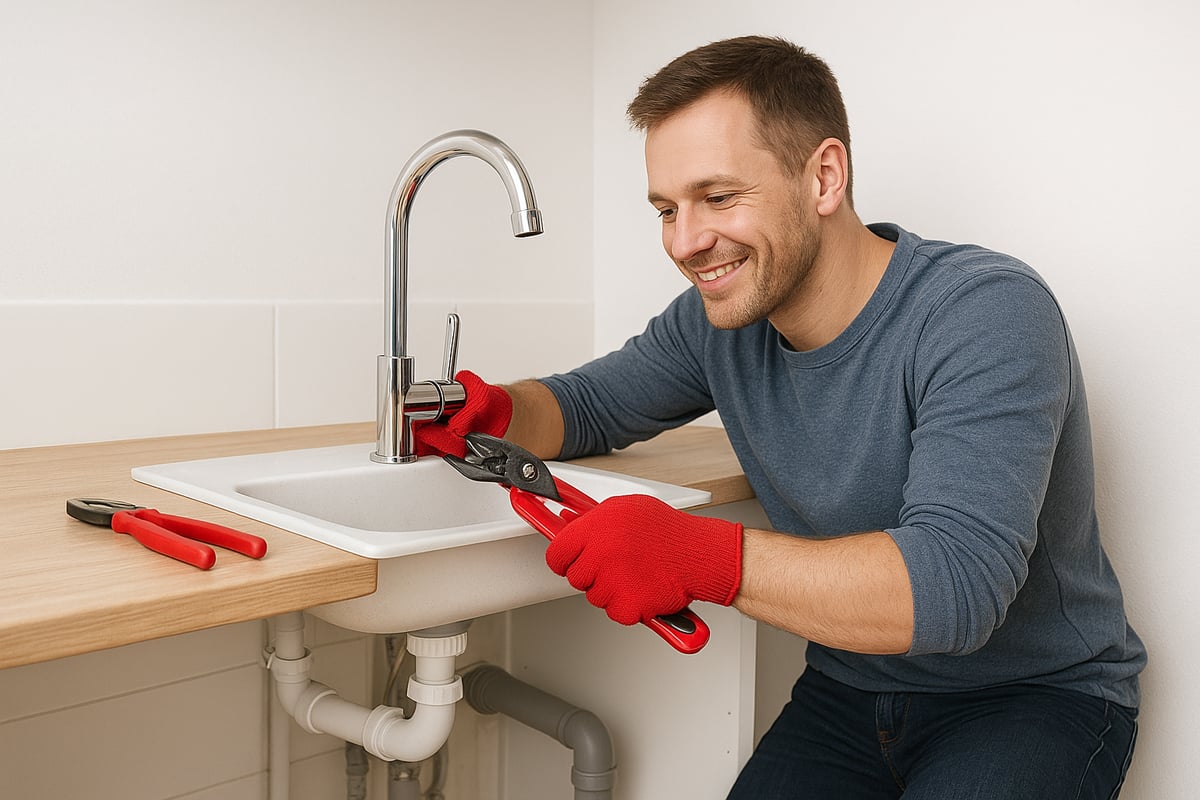
Leaky taps and pipes are a frequent plumbing headache. Identify the leak by drying the area and watching for drips. For taps, shut off the water, then replace worn washers or cartridges. If a pipe joint is leaking, tighten the fitting or swap out damaged sections using the correct tools.
- Use PTFE tape for threaded joints to prevent future leaks.
- Always test the repair by slowly turning the water back on.
- Remember, even a minor drip can waste up to 14 litres of water per day in an average UK household.
Regular inspection and quick action keep your plumbing system efficient and your water bills in check.
Unblocking Drains and Toilets
Blockages in drains and toilets are among the most disruptive plumbing issues. Recognise slow drainage or rising water as early warning signs. Start with a plunger to dislodge the blockage, or use a drain snake for tougher clogs.
- Avoid using excessive force, which can damage pipes.
- Chemical cleaners can help but should be used sparingly and with caution.
- Most UK blockages are caused by wipes and fats, so prevention is key.
If you're dealing with a stubborn toilet blockage, see this How to Unblock a Toilet guide for step-by-step instructions. Consistent maintenance reduces the risk of recurring plumbing problems.
Dealing with Low Water Pressure
Low water pressure can make everyday tasks like showering and washing up frustrating. Start by checking if the issue is isolated or throughout your plumbing system. Clean aerators on taps and showerheads to remove limescale.
- Inspect for hidden leaks around the property.
- Ensure all valves are fully open.
- Consider a booster pump if pressure remains low.
If pressure drops after installing a new appliance, review the manufacturer's plumbing requirements to ensure compatibility.
Bleeding Radiators and Managing Heating Issues
Air trapped in radiators can cause cold spots and noisy pipes, affecting your heating and plumbing efficiency. To bleed a radiator, turn off the heating, place a cloth under the valve, and use a bleed key to release trapped air.
- Listen for a hissing sound as air escapes.
- Tighten the valve once water appears.
- Check boiler pressure after bleeding.
If radiators stay cold or problems persist, consult a professional as it may indicate deeper plumbing or heating issues.
Replacing or Installing New Fixtures
Upgrading taps, basins, or toilets is a straightforward way to improve your home's plumbing. Shut off water supplies before starting. Remove old fixtures carefully, clean the area, and align the new fixture correctly.
- Apply sealant around joints to prevent leaks.
- Use water-efficient fixtures for sustainability.
- Test each new installation for proper function.
Proper installation ensures your plumbing operates smoothly and reduces the chance of future issues.
Emergency Plumbing Repairs: What to Do First
In a plumbing emergency, quick action is vital. Immediately shut off the main water and gas supplies to prevent further damage. Temporary fixes, such as pipe clamps or waterproof tape, can control leaks until a permanent repair is possible.
- Contain overflows with towels or buckets.
- Move valuables away from the affected area.
- If unsure, contact emergency services promptly.
Preparation and a calm approach make all the difference during plumbing emergencies.
When to Call a Professional Plumber
Some plumbing issues require expert intervention for safety and compliance. Tasks involving gas, major leaks, or complex systems are best left to professionals. Using Gas Safe registered and accredited plumbers ensures repairs meet all regulations.
- DIY attempts can lead to higher costs if problems worsen.
- Data shows 40% of DIY plumbing fixes need later professional correction.
- For peace of mind, know your limits and seek help when needed.
Timely professional support protects your property and keeps your plumbing system reliable.
Preventative Maintenance for a Healthy Plumbing System
Keeping your plumbing system in top condition is crucial for avoiding unexpected disruptions and costly repairs. By making preventative maintenance a regular part of your household routine, you can extend the lifespan of your pipes, fixtures, and appliances while ensuring your home remains safe and comfortable.
Routine Checks and Cleaning
Regular inspection is the backbone of effective plumbing maintenance. Examine all visible pipes and joints for any signs of moisture, corrosion, or leaks. Pay close attention to areas under sinks, around toilets, and near appliances.
Clean traps and strainers each month to prevent debris build-up. Check for limescale or rust, especially in hard water areas. These small tasks can help you spot minor problems before they become major issues. In fact, monthly checks have been shown to reduce emergency plumbing repairs by 20 percent.
Protecting Pipes Against Freezing and Bursts
Cold weather is a major threat to plumbing systems in the UK. Insulate exposed pipes in lofts, garages, and external walls to prevent freezing. Use foam lagging or pipe sleeves, and ensure all outdoor taps are drained and isolated before winter arrives.
Consider installing frost protection devices for vulnerable areas. These simple measures can prevent inconvenient and expensive bursts. Each year, about 30,000 burst pipes in the UK are linked to freezing conditions, highlighting the importance of proactive plumbing protection.
Managing Water Pressure and Flow
Maintaining the correct water pressure is essential for a healthy plumbing system. If you notice sudden changes in flow or pressure, investigate immediately. Install pressure-reducing valves if your system is prone to high pressure.
Monitor appliances for signs of imbalanced hot and cold supply. High pressure can lead to leaks, while low pressure may signal a hidden problem. Consistent management ensures your plumbing delivers reliable performance and avoids unnecessary strain on pipes and fittings.
Maintaining Boilers and Heating Systems
A well-maintained boiler is at the heart of efficient plumbing and heating. Schedule annual servicing with a qualified engineer, including safety checks, cleaning, and pressure adjustments.
Powerflushing your system every few years can remove sludge and improve efficiency. Check regularly for leaks and drops in boiler pressure. Proper attention to your heating setup can extend boiler lifespan by at least five years, saving you money and maintaining comfort.
Preventing Blockages and Odours
Blockages are a common cause of plumbing headaches. Avoid pouring fats, oils, and food scraps down sinks. Use strainers in plugholes and clean them frequently.
Flush drains with hot water and vinegar to break down minor build-up. Enzyme-based cleaners offer an eco-friendly solution for persistent problems. With the UK spending around £100 million annually on clearing blockages, adopting these habits will keep your plumbing fresh and free-flowing.
Sustainable and Future-Ready Plumbing Upgrades
Modern plumbing is evolving rapidly, with sustainability and future-readiness at the forefront. Upgrading your plumbing not only saves resources but also prepares your home for years to come. Let us explore how innovative solutions can make your property more efficient and environmentally friendly.
Water-Saving Technologies and Fixtures
Water conservation is now a central focus in plumbing. Fitting low-flow taps and showers can cut daily water use without sacrificing comfort. Dual-flush toilets, for example, use up to 30 percent less water than traditional models, making them a smart investment for any home.
Greywater recycling systems are gaining traction, especially in new builds. These systems allow you to reuse water from showers and basins for flushing toilets or watering gardens. Water-efficient homes can save up to £150 per year, offering both environmental and financial benefits.
By choosing these plumbing upgrades, you make your property more sustainable and help preserve precious resources.
Eco-Friendly Heating Solutions
Heating accounts for a significant part of a home's energy use. Modern plumbing is integrating eco-friendly options like heat pumps and solar water heating. Heat pumps extract warmth from the air or ground, reducing heating emissions by 40 percent compared to standard boilers.
Smart thermostats and zoning systems allow precise control over heating, increasing comfort while lowering costs. Energy-efficient boilers and advanced controls are now standard in many UK homes, helping households meet new efficiency targets.
When considering new plumbing installations, opt for technologies that support both environmental and economic goals.
Smart Home Integration and Leak Prevention
Smart technology is revolutionising plumbing. Automated leak detection and shut-off systems can prevent major water damage by responding instantly to leaks. Integration with home assistants and monitoring apps provides real-time alerts, so you stay informed wherever you are.
Smart sensors have been shown to cut insurance claims by 25 percent, highlighting their value in protecting your investment. For those upgrading their plumbing, these devices offer peace of mind and long-term savings.
If you are unsure about installing advanced devices, consider seeking professional help. The Affordable Plumbers Near Me Guide can help you find reputable experts for your next plumbing project.
Upgrading Materials for Longevity and Safety
Old lead pipes are a risk to water quality and health. Today, plumbing upgrades focus on replacing lead with corrosion-resistant and recyclable materials like PEX and stainless steel. These materials are not only safer but also last longer, reducing the need for future repairs.
Current UK regulations encourage homeowners to replace outdated fittings, ensuring compliance and improving safety. For example, replacing lead pipes significantly boosts water quality for families.
By choosing robust, modern materials, you ensure your plumbing is ready for the future, delivering reliability and peace of mind.
Professional Plumbing Services and When to Seek Help
Finding a reliable plumbing professional is crucial for maintaining your property’s water systems. Whether you are facing an emergency or planning routine maintenance, choosing the right expert ensures long-term peace of mind. Understanding what to look for in a reputable service provider helps you protect your investment and avoid costly mistakes.
Choosing the Right Plumbing Professional
Selecting a qualified plumbing expert starts with checking for recognised accreditations such as Gas Safe registration, proof of insurance, and positive local reviews. Local knowledge is invaluable, as plumbers familiar with regional systems can resolve issues more efficiently. Transparent pricing and clear guarantees are also key indicators of a trustworthy service.
When comparing plumbing firms in your area, look for companies with Which? Trusted Trader recognition, as this signals reliability and high standards. Always request a detailed estimate before any work begins. Prioritising these factors helps you choose a plumbing provider that matches your needs and budget.
The Value of Preventative Service Contracts
Preventative service contracts offer homeowners regular inspections and maintenance, which can dramatically reduce the risk of unexpected plumbing failures. These agreements typically include annual checks, priority callouts, and discounted repairs, making them a smart investment for anyone wanting to avoid emergency expenses.
By scheduling routine maintenance, you ensure that potential issues are identified and addressed early. Service contracts also provide peace of mind, knowing your plumbing system is being cared for by professionals. Over time, these plans often lead to lower overall costs, as regular upkeep prevents major faults from developing.
Emergency Plumbing: What to Expect
When a plumbing emergency strikes, such as a burst pipe or boiler failure, quick access to professional help is essential. Most reputable services offer 24/7 coverage with rapid response times, especially in densely populated areas. When calling for assistance, be prepared to describe the issue clearly and provide your address, contact details, and any previous repair history.
Common emergencies include significant leaks, blocked drains, and heating breakdowns. Knowing what to expect during a crisis helps you stay calm and act effectively. Immediate action by a skilled plumbing professional minimises property damage and restores normality as soon as possible.
Castle Heating Kent: Trusted Local Plumbing Experts
Castle Heating Kent offers comprehensive domestic plumbing and heating services across Kent, Rochester, Gravesend, Maidstone, and Gillingham. Their Gas Safe registered engineers, recognised as Which? Trusted Traders, deliver reliable repairs, maintenance, and installations with upfront pricing. Customers benefit from 0% finance options and 24/7 emergency callouts, ensuring support is always available.
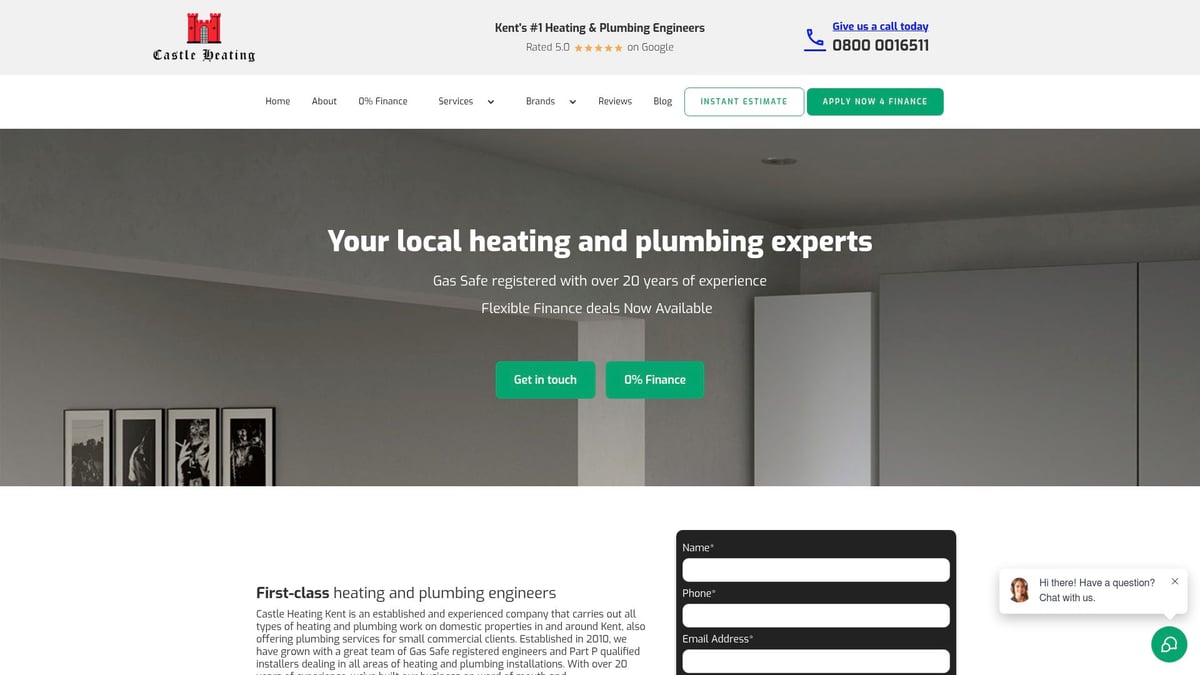
With a reputation built on 5-star reviews and transparent service, Castle Heating Kent stands out for reliability and expertise. Whether you need estimates, urgent repairs, or routine maintenance, their team is ready to help. Contact them today to keep your plumbing system in top condition.
Plumbing Regulations, Compliance, and Future Trends
Navigating the evolving landscape of plumbing requires not only technical skill but also a thorough understanding of regulations, safety standards, and industry trends. As we look toward 2026, staying compliant and future-ready ensures your property remains safe, efficient, and valuable.
Key UK Plumbing Regulations for 2026
Compliance with current plumbing regulations is essential for every homeowner and property manager. The Water Fittings Regulations and Building Regulations set the standards for safe installation, water efficiency, and system design. For heating systems, Gas Safe certification is mandatory when plumbing work involves boilers or gas appliances.
Major projects, such as boiler replacements or new system installations, often require approval from your local authority. The introduction of the Product Regulation and Metrology Act 2025 brings updated requirements for plumbing products, ensuring durability and environmental responsibility. Always check that your installer adheres to these rules to avoid costly future issues.
Health and Safety Best Practices
Prioritising health and safety is non-negotiable in plumbing, whether you are a professional or an experienced DIY enthusiast. Safe handling of tools and chemicals, along with proper ventilation, reduces risk. Working in confined spaces or at height requires extra care and strict adherence to safety protocols.
Personal protective equipment such as gloves, goggles, and knee pads is essential for every plumbing job. Conducting thorough risk assessments and using the right equipment for each task helps prevent accidents. Regular training and awareness of new safety standards ensure that you and your property stay protected at all times.
Anticipated Trends in Plumbing for 2026 and Beyond
The plumbing industry is advancing rapidly, with smart technology and sustainability at the forefront. Expect a surge in smart leak detectors, app-controlled fixtures, and remote diagnostics that allow professionals to identify issues before they escalate. Water conservation measures, such as efficient fixtures and recycling systems, are becoming the norm.
The World Plumbing Conference 2026 will showcase innovations in eco-friendly heating and smart home integration, highlighting the sector’s commitment to efficiency and environmental stewardship. Adopting these trends ensures your plumbing system remains relevant and cost-effective in the years ahead.
Preparing Your Property for Future Plumbing Needs
Future-proofing your property starts with strategic planning and adaptability. When considering plumbing upgrades, choose materials and layouts that accommodate emerging technologies. Installing adaptable manifolds and modular systems allows for easier expansion or modification as needs change.
Stay informed about regulatory updates and industry developments to keep your property compliant and competitive. Proactive investment in modern plumbing systems not only safeguards your home but also enhances its long-term value and appeal.
Having explored the essentials of modern plumbing, practical DIY solutions, and the importance of preventative maintenance, you’re now equipped to keep your home’s systems running smoothly in 2026 and beyond. Whether you’re planning proactive upgrades or need professional support for a complex issue, it’s reassuring to know you have trusted experts nearby. With over two decades of experience and a reputation for reliability across Kent, Castle Heating Kent is ready to help you stay one step ahead of plumbing challenges.
Keeping Homes in and around kent Warm, Dry & Flowing Book with castle heating kent
Take the next step towards a more efficient, comfortable home today.

