
Shower Blockage: Causes, Solutions & Prevention Guide
A shower blockage represents one of the most common yet frustrating plumbing issues faced by homeowners throughout Kent and beyond. Standing water pooling around your feet whilst showering not only creates an unpleasant bathing experience but can also indicate underlying drainage problems that require immediate attention. Understanding the causes, prevention methods, and effective solutions for blocked shower drains enables homeowners to maintain functional bathroom facilities and avoid costly emergency repairs.
Understanding the Common Causes of Shower Blockage
The primary culprit behind most shower blockages is the accumulation of hair combined with soap residue. Every time someone showers, loose strands of hair wash down the drain and become entangled, creating a net-like structure that catches additional debris. Soap scum and mineral deposits compound this problem by binding the hair together into a solid mass that restricts water flow.
Common blockage contributors include:
- Human and pet hair
- Soap scum and body oils
- Mineral deposits from hard water
- Small objects accidentally dropped down the drain
- Product residue from shampoos and conditioners
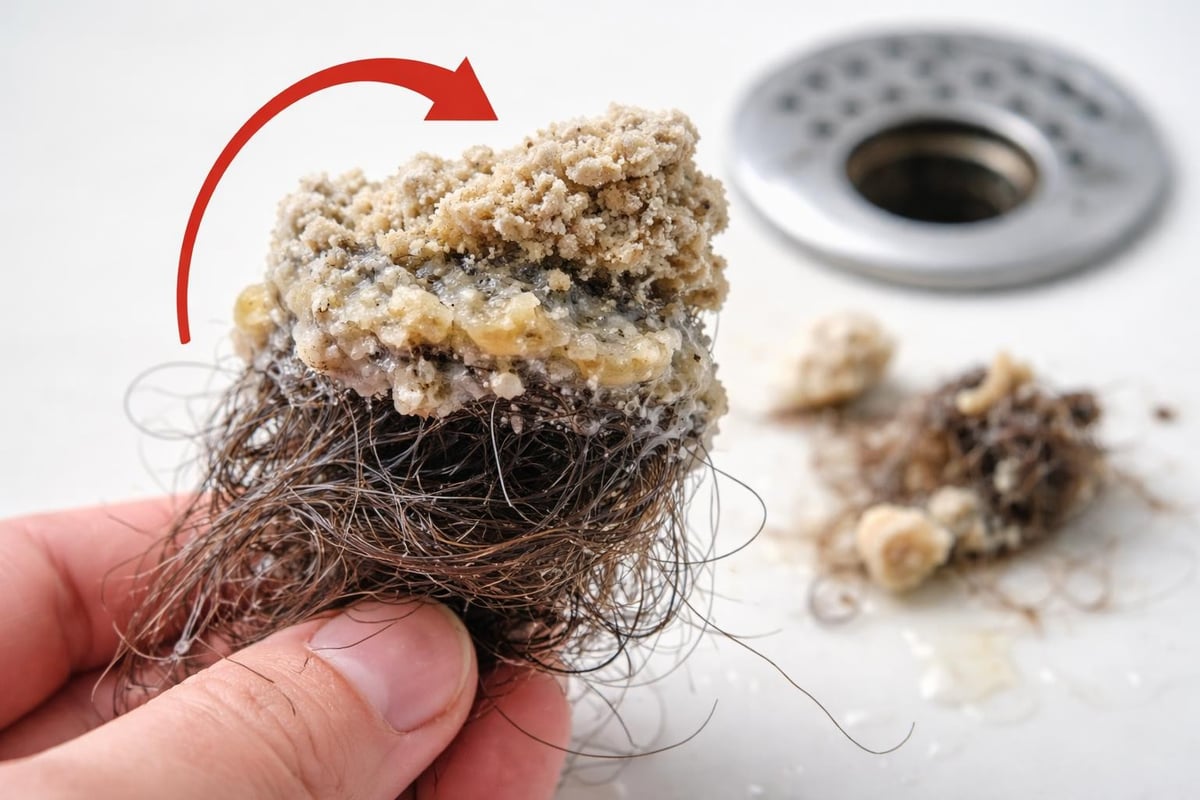
Hard water is particularly prevalent across Kent, especially in areas like Rochester and Gravesend. The mineral content in hard water creates limescale deposits that gradually narrow the internal diameter of drainage pipes, making them more susceptible to complete blockage. This slow build-up often goes unnoticed until a significant shower blockage occurs.
Signs Your Shower Drain Requires Attention
Recognising early warning signs helps prevent minor drainage issues from escalating into major problems. Slow drainage is typically the first indicator, with water taking progressively longer to clear after each shower. A gurgling sound emanating from the drain when water flows suggests air trapped by partial blockages.
Unpleasant odours represent another telltale sign of developing drainage problems. Decomposing organic matter trapped within the shower blockage produces distinctive musty or sewage-like smells that permeate the bathroom. Standing water that persists for several minutes after showering indicates a significant obstruction requiring immediate intervention.
DIY Methods for Clearing Shower Blockages
Homeowners can often resolve minor shower blockages using readily available household items and basic tools. Starting with the simplest approach prevents unnecessary damage to plumbing fixtures whilst addressing the immediate problem.
Boiling Water Treatment
Pouring boiling water down the drain represents the most straightforward solution for dissolving soap-based blockages. Heat breaks down fatty deposits and soap scum, allowing them to flow through the drainage system. This cheap household hack proves particularly effective for recent blockages that haven't solidified completely.
Step-by-step process:
- Remove visible debris from the drain cover
- Boil a full kettle of water
- Pour the water slowly down the drain in two or three stages
- Wait five minutes between each pour
- Test drainage with cold water
This method works best as a preventative measure or for mild blockages. However, caution is essential with older plastic piping, as excessive heat may cause damage. Properties throughout Kent often feature modern PVC drainage systems that withstand boiling water, but Victorian-era homes might require gentler approaches.
Baking Soda and Vinegar Solution
The chemical reaction between baking soda and vinegar creates a natural cleaning action that dislodges debris and neutralizes odours. This eco-friendly method avoids harsh chemicals whilst delivering effective results for moderate shower blockages.
| Ingredient | Quantity | Purpose |
|---|---|---|
| Baking soda | 200g (1 cup) | Abrasive cleaning, odour neutralization |
| White vinegar | 240ml (1 cup) | Acidic reaction, dissolves deposits |
| Boiling water | 2 litres | Flush loosened debris |
Pour the baking soda directly into the drain, followed immediately by the vinegar. The mixture will fizz vigorously for several minutes. Cover the drain with a plug or cloth to direct the reaction downwards rather than allowing it to bubble upwards. After 30 minutes, flush thoroughly with boiling water to clear the dislodged material.
Manual Removal Techniques
Physical removal of blockage-causing debris often proves necessary when chemical methods fail. A simple wire coat hanger can be straightened and bent into a hook shape to fish out hair clogs near the drain opening. Proper drain maintenance includes regular manual checks to prevent accumulation.
Drain snakes or augers provide more extensive reach for deeper blockages. These flexible tools navigate the curves in drainage pipes, breaking up or retrieving obstructions that sit beyond arm's reach. Castle Heating Kent's general plumbing services include professional drain clearing for persistent problems that resist DIY solutions.
Professional Solutions for Persistent Problems
Recurring shower blockages despite regular maintenance often indicate more serious underlying issues that require professional assessment. Ventilation problems within the drainage system can create negative pressure that impedes proper water flow. Incorrect drain sizes or improper installation may cause chronic drainage issues that no amount of clearing can permanently resolve.
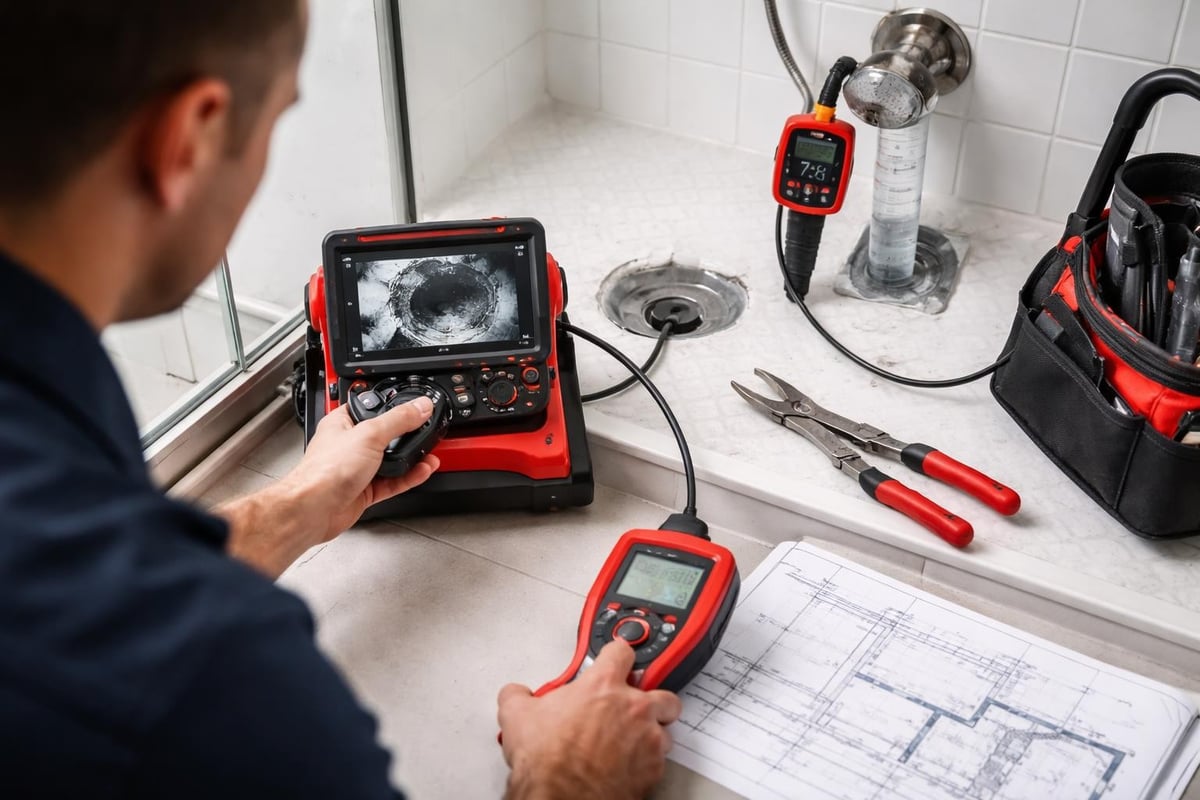
Professional plumbers utilise specialized equipment that homeowners cannot access. High-pressure water jetting blasts away stubborn deposits and thoroughly cleans pipe interiors. Camera inspection technology allows technicians to visually assess pipe condition, identifying cracks, collapses, or root intrusions that contribute to repeated blockages.
When to Contact Professional Plumbers
Certain situations demand immediate professional intervention rather than continued DIY attempts. Multiple blocked drains throughout the property suggest main sewer line problems affecting the entire system. Sewage backup through shower drains poses serious health risks requiring emergency response from qualified professionals.
Properties in areas like Rochester and Gravesend built before 1970 may have deteriorating cast iron pipes prone to corrosion and collapse. Professional assessment identifies whether the shower blockage stems from pipe degradation requiring replacement rather than simple clearing. The experienced team at Castle Heating Kent provides comprehensive drainage services addressing both immediate blockages and long-term solutions.
Professional intervention indicators:
- Blockages recurring within days of clearing
- Multiple fixtures draining slowly simultaneously
- Sewage odours throughout the property
- Visible water damage around fixtures
- Gurgling sounds from toilets when shower runs
Prevention Strategies for Long-Term Drainage Health
Preventing shower blockages proves far more cost-effective than repeatedly clearing them. Simple habit changes and inexpensive preventative devices significantly reduce the frequency and severity of drainage problems.
Physical Barriers and Drain Guards
Installing a quality drain guard or hair catcher represents the single most effective preventative measure. These inexpensive devices sit over or just inside the drain opening, capturing hair and debris before they enter the drainage system. Regular cleaning and maintenance of these guards takes mere seconds but prevents hours of future drain clearing work.
Different guard styles suit various drain configurations. Mesh screens work well for flat shower trays, whilst dome-shaped catchers suit recessed drains. Silicone models offer flexibility and easy cleaning, whereas stainless steel versions provide durability in high-traffic bathrooms.
Routine Maintenance Schedule
Establishing a regular maintenance routine prevents gradual accumulation that leads to shower blockage. Weekly hot water flushes help dissolve soap residue before it solidifies. Monthly baking soda and vinegar treatments maintain clear pipes and fresh-smelling drains.
| Frequency | Task | Duration |
|---|---|---|
| Daily | Remove visible hair from drain guard | 30 seconds |
| Weekly | Hot water flush (2 litres boiling water) | 2 minutes |
| Monthly | Baking soda and vinegar treatment | 35 minutes |
| Quarterly | Professional inspection (recommended) | 30-60 minutes |
Quarterly professional inspections catch developing problems before they escalate into emergencies. Castle Heating Kent's drainage specialists provide thorough assessments during routine service visits, identifying potential issues and recommending preventative measures specific to your property.
Water Softener Benefits
For Kent homeowners battling hard water, installing a water softener addresses the root cause of mineral-based blockages. Softened water prevents limescale accumulation in shower drains and throughout the entire plumbing system. This investment protects not only drainage but also extends the lifespan of heating systems and household appliances.
Properties served by Castle Heating Kent often benefit from comprehensive plumbing solutions that address multiple water quality issues simultaneously. Water softeners complement boiler installations and heating systems, creating an integrated approach to home comfort and maintenance.
Chemical Drain Cleaners: Risks and Considerations
Commercial drain cleaning products promise quick solutions to shower blockages, but their use requires careful consideration. These powerful chemicals dissolve organic matter through aggressive chemical reactions that can damage pipes, particularly older or plastic systems common in Kent properties.
Safer Alternatives to Harsh Chemicals
Enzymatic drain cleaners offer a gentler approach that breaks down organic blockages over time without damaging pipes. These biological products use bacteria and enzymes that consume hair, soap, and organic debris. Whilst slower than caustic chemicals, enzymatic cleaners provide safer long-term maintenance for regular use.
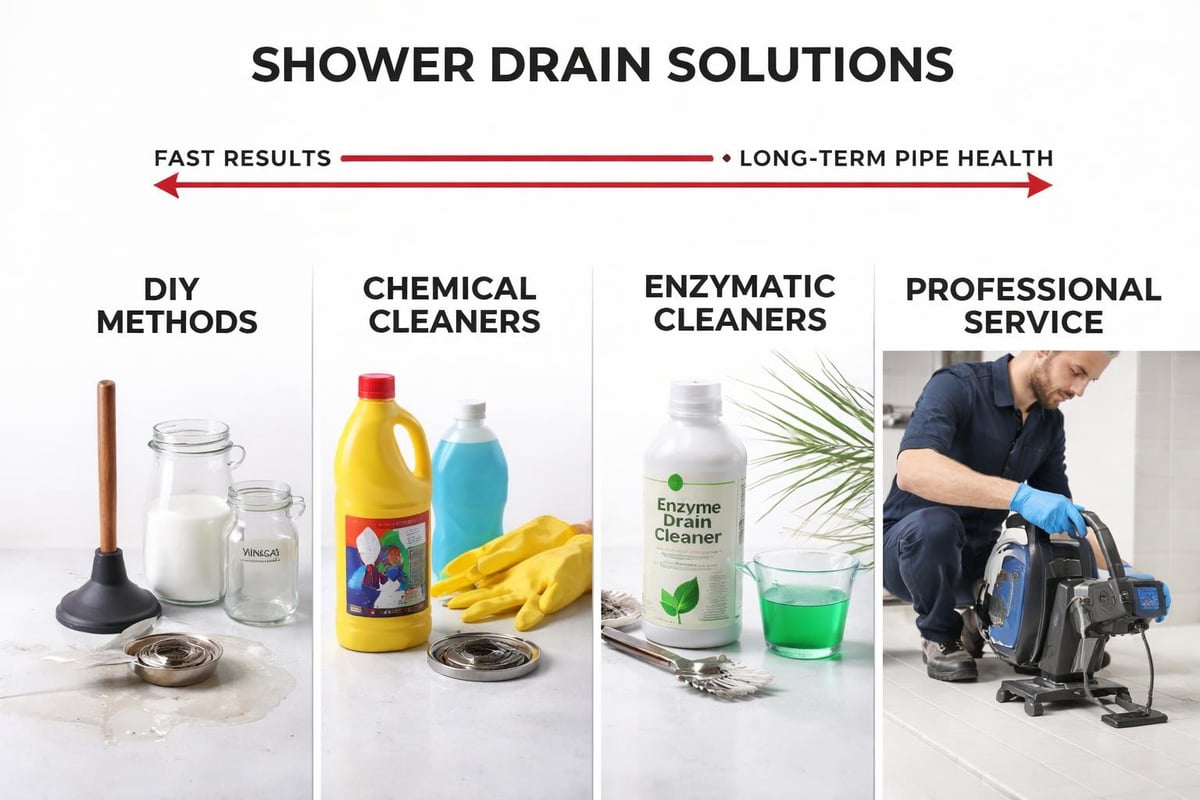
Comparison of drain clearing methods:
- Boiling water: Immediate, free, safe for most pipes, effective for soap blockages
- Baking soda/vinegar: Natural, deodorizing, mild effectiveness, requires waiting time
- Chemical cleaners: Fast-acting, potentially damaging, environmental concerns, safety hazards
- Enzymatic treatments: Safe, slow-acting, ongoing maintenance, requires regular application
- Professional service: Most effective, addresses underlying causes, prevents future issues
Understanding how to unclog shower drains properly helps homeowners make informed decisions about which methods suit their specific situations. Properties with septic systems should avoid chemical drain cleaners entirely, as they disrupt the bacterial balance essential for proper septic function.
Understanding Your Property's Drainage System
Modern homes typically feature plastic PVC drainage pipes that resist corrosion and handle most clearing methods safely. However, many properties throughout Rochester, Gravesend, and surrounding Kent areas contain older systems with different characteristics requiring specialized approaches.
Age-Related Drainage Considerations
Victorian and Edwardian properties often feature cast iron or clay drainage pipes that deteriorate over time. These materials become brittle with age, making aggressive clearing methods potentially destructive. Tree root intrusion affects older systems more severely, as roots exploit joints and cracks in aging pipes.
Post-war properties might contain a mixture of materials as extensions and renovations incorporated modern piping alongside original infrastructure. This complexity makes DIY diagnosis challenging, highlighting the value of professional assessment from experienced plumbers familiar with diverse property types throughout Kent.
Shower Tray Design Impact
The design and installation quality of shower trays significantly influences drainage efficiency and blockage susceptibility. Modern low-profile trays with minimal fall require perfectly clear pipes for adequate drainage. Traditional raised trays with steeper gradients tolerate minor blockages better but still require regular maintenance.
Poorly installed shower trays often exhibit inherent drainage deficiencies that no amount of clearing can permanently resolve. Water pooling consistently in specific areas suggests incorrect levelling or inadequate waste trap sizing. Professional assessment identifies whether persistent shower blockage issues stem from installation defects rather than simple debris accumulation.
Impact of Shower Products on Drainage
The personal care products used during showering directly affect drainage health. Thick, creamy body washes and conditioning treatments contain oils and emulsifiers that coat pipe interiors, creating sticky surfaces that trap hair and debris more effectively.
Product Selection for Drainage Health
Drainage-friendly product characteristics:
- Thin, liquid consistency rather than thick creams
- Minimal oil content
- Good rinsability without residue
- Natural ingredient formulations
- Minimal exfoliating particles
Bar soaps generally cause fewer drainage problems than liquid alternatives, as they contain less binding agents and moisturizers. However, all soap products contribute to some degree of residue accumulation requiring regular maintenance attention.
Households with multiple occupants experience accelerated blockage development due to increased hair loss and product usage. Properties housing long-haired individuals face particular challenges, as longer strands create more substantial obstructions than short hair. Awareness of these factors helps homeowners adjust their maintenance schedules appropriately.
Emergency Response to Complete Blockages
A completely blocked shower drain causing water to overflow the tray requires immediate action to prevent property damage. Standing water can seep through grout lines and silicone seals, causing structural damage to floors and ceilings below.
Immediate steps for shower overflow:
- Stop using the shower immediately
- Bail out standing water with containers
- Mop and dry the surrounding area thoroughly
- Attempt gentle plunging with a cup plunger
- Contact professional plumbers if blockage persists
Never force excessive pressure through blocked drains, as this can rupture seals or crack pipes, creating far more expensive repair scenarios. Gentle, sustained pressure proves more effective than aggressive force when attempting to clear stubborn shower blockages.
Properties without ground-floor bathrooms face additional risks from upstairs shower blockages, as overflowing water damages multiple levels. These situations justify emergency plumbing calls to minimize property damage and restoration costs.
Seasonal Considerations for Kent Properties
Kent's climate creates seasonal variations in drainage behaviour that affect shower blockage frequency. Cold winter temperatures cause grease and oils to solidify more readily within pipes, increasing blockage likelihood during heating season.
Hard water effects intensify during periods of low rainfall when reservoir water contains higher mineral concentrations. Homeowners may notice increased limescale formation and more frequent drainage issues during summer months when water hardness peaks.
Understanding these seasonal patterns allows proactive maintenance scheduling. Increasing cleaning frequency during high-risk periods prevents blockages from developing rather than responding reactively after they occur. This approach aligns with the preventative philosophy that Castle Heating Kent's experienced team applies across all plumbing and heating services.
Long-Term Solutions and System Upgrades
Properties experiencing chronic shower blockage despite diligent maintenance may benefit from drainage system upgrades. Modern trap designs incorporate accessible cleaning points that simplify maintenance. Larger diameter waste pipes accommodate higher flow rates and resist blockage more effectively than undersized original installations.
Integrated Smart Home Solutions
Contemporary properties increasingly feature smart water monitoring systems that detect abnormal drainage patterns before complete blockages develop. These systems alert homeowners to gradual flow reductions, enabling early intervention that prevents emergencies.
Integration with whole-house plumbing systems creates comprehensive protection. Smart heating controls work alongside water monitoring to provide complete home system oversight, maximizing efficiency whilst minimizing maintenance emergencies.
Upgrading bathroom fixtures during renovation projects provides opportunity to address historical drainage deficiencies. Properly specified and professionally installed systems deliver decades of trouble-free service with minimal maintenance requirements. Investment in quality installation prevents the recurring costs and inconvenience associated with persistent shower blockages.
Understanding shower blockage causes, implementing preventative measures, and knowing when to attempt DIY solutions versus calling professionals helps Kent homeowners maintain functional bathroom facilities year-round. For persistent drainage issues, complex blockages, or properties with recurring problems, professional assessment identifies underlying causes and delivers lasting solutions. Castle Heating Kent's experienced plumbers provide comprehensive drainage services throughout Rochester, Gravesend, and surrounding areas, combining over 20 years of expertise with modern diagnostic equipment to resolve even the most challenging plumbing issues. Contact Castle Heating Kent today to schedule an assessment and experience the reliability that has earned positive recommendations from satisfied customers across Kent since 2010.

