
Vaillant Boiler F28: Causes, Fixes & Prevention Guide
When your Vaillant boiler displays an F28 error code, it signals an ignition failure that prevents your heating system from operating properly. This fault code appears when the boiler attempts to ignite but fails to detect a flame within the designated time period. For homeowners across Kent, particularly in Rochester and Gravesend, understanding this common boiler fault can help you determine whether you need immediate professional assistance or can resolve the issue yourself. The vaillant boiler f28 error is one of the most frequently encountered fault codes, but fortunately, many of the underlying causes can be diagnosed and rectified with the right knowledge and approach.
Understanding the Vaillant Boiler F28 Error Code
The F28 fault code indicates that your Vaillant boiler has attempted to ignite the gas supply but failed to establish a flame. This safety mechanism prevents gas from flowing without proper combustion, protecting your home from potentially dangerous gas leaks.
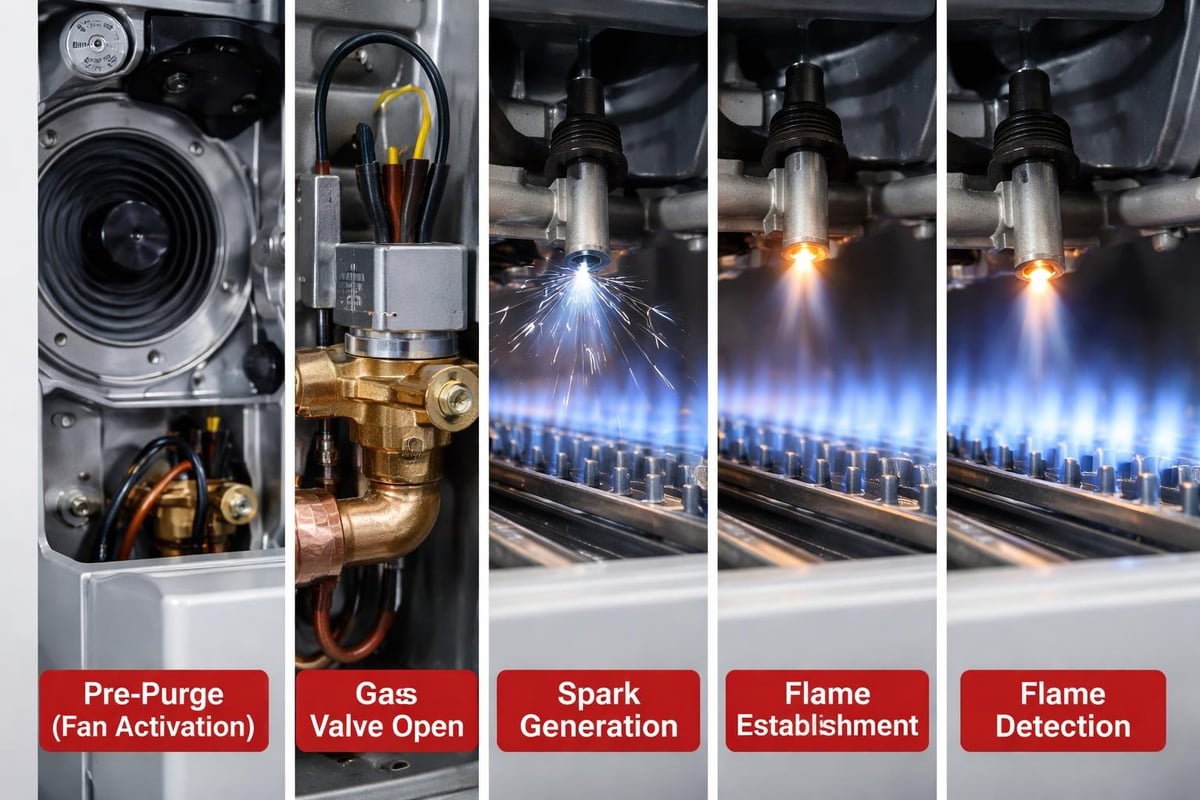
When this error occurs, your boiler will typically attempt ignition several times before locking out completely and displaying the F28 code. The boiler's control board monitors the flame detection electrode, which should sense the presence of a flame once ignition occurs. If no flame is detected within approximately three seconds, the gas valve closes and the error code appears.
How Ignition Systems Function
Vaillant boilers use a sophisticated ignition sequence that involves multiple components working in harmony. The process begins when the boiler calls for heat, prompting the control board to open the gas valve whilst simultaneously activating the ignition electrode.
This electrode generates a spark to ignite the gas-air mixture within the combustion chamber. Once ignition succeeds, the flame detection electrode confirms the presence of a flame, allowing the boiler to continue its heating cycle. Any interruption in this sequence triggers the F28 fault code.
Common Causes of the F28 Fault Code
Several factors can prevent your Vaillant boiler from igniting successfully. Identifying the root cause requires systematic investigation of each potential issue.
Gas Supply Problems
The most straightforward cause of a vaillant boiler f28 error involves interruptions to the gas supply. Your boiler cannot ignite without adequate gas reaching the combustion chamber.
Check these gas supply issues:
- Gas meter turned off or in credit (for prepayment meters)
- Gas isolation valve closed near the boiler
- Gas supply issues affecting your area
- Frozen or blocked gas pipe (rare but possible in extreme weather)
- Faulty gas valve within the boiler itself
Before investigating internal boiler components, verify that other gas appliances in your home are functioning correctly. If your gas hob or cooker works normally, the problem likely lies within the boiler rather than the external gas supply. For residents experiencing persistent issues, professional boiler repairs can identify gas valve faults that require replacement.
Frozen Condensate Pipe
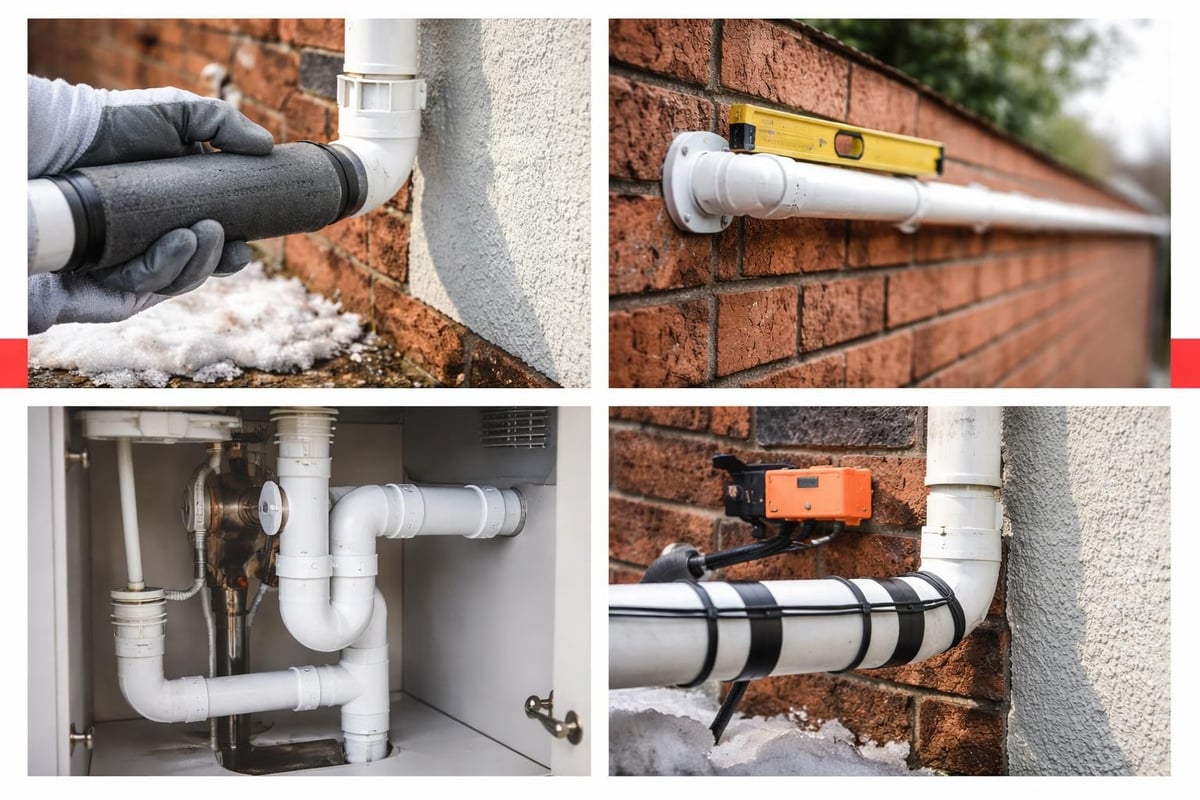
During winter months across Kent, the frozen condensate pipe represents one of the most common triggers for the F28 error code. Modern condensing boilers produce acidic condensate as a by-product of combustion, which drains away through a dedicated pipe.
When temperatures drop below freezing, this pipe can freeze solid, particularly if it runs externally or through an unheated space. The blockage prevents condensate from draining, causing the boiler to shut down and display various fault codes, including F28.
| Condensate Pipe Issue | Symptom | Solution |
|---|---|---|
| External pipe frozen | Gurgling sounds, F28 error | Pour warm (not boiling) water over pipe |
| Internal blockage | Intermittent errors | Check internal condensate trap |
| Poor installation angle | Recurring freezing | Reposition pipe with correct fall |
| Insufficient insulation | Frequent winter problems | Add proper pipe insulation |
According to Vaillant's official guidance on understanding F28 fault codes, thawing a frozen condensate pipe safely can restore boiler operation within minutes.
Ignition Electrode Faults
The ignition electrode creates the spark needed to light the gas-air mixture. Over time, this component can become dirty, corroded, or misaligned, preventing effective spark generation.
Common electrode problems include carbon deposits from combustion residue, physical damage from component wear, or incorrect positioning that places the electrode too far from the burner. Even minor misalignment can prevent successful ignition, triggering the vaillant boiler f28 fault code repeatedly.
Flame Detection Issues
Even when ignition occurs successfully, the boiler may still display an F28 error if the flame detection electrode cannot sense the flame presence. This electrode sits in a different position from the ignition electrode and requires a clear path to detect the ionisation current created by the flame.
Dirty or corroded flame detection electrodes fail to register the flame signal, causing the control board to assume ignition has failed. The boiler then shuts down the gas supply as a safety precaution. Expert guidance on fixing F28 errors emphasises the importance of maintaining clean electrodes for reliable operation.
DIY Troubleshooting Steps for F28 Errors
Before contacting a heating engineer, several safe checks can potentially resolve the vaillant boiler f28 error without professional intervention.
Resetting Your Vaillant Boiler
Sometimes, temporary glitches cause false F28 errors that clear after a simple reset. Press and hold the reset button (typically marked with a flame symbol) for three seconds. The display should clear and the boiler will attempt to ignite again.
If the error returns immediately or after several successful cycles, a deeper issue requires investigation. Avoid repeatedly resetting the boiler, as this can mask serious problems and potentially cause damage.
Checking Gas Supply and Meter
- Verify that your gas meter shows credit available (for prepayment meters)
- Ensure the gas isolation valve near the boiler sits in the 'on' position (in line with the pipe)
- Test other gas appliances to confirm gas supply reaches your property
- Contact your gas supplier if you suspect a broader supply issue
- Check for any gas supply interruption notices in your area
Thawing a Frozen Condensate Pipe
Follow these steps safely:
- Locate the condensate pipe (usually white plastic, 21-32mm diameter)
- Identify the frozen section (often near the external discharge point)
- Pour warm water from a watering can along the length of the pipe
- Never use boiling water, which can crack the plastic
- Reset the boiler once water flows freely from the pipe end
- Consider adding pipe insulation to prevent recurrence
For persistent freezing problems, heating engineers in Kent can relocate or better insulate condensate pipes to prevent future incidents.
Inspecting Accessible Components
Whilst internal boiler work requires Gas Safe registered engineers, you can safely inspect certain external elements. Check that the flue terminal isn't blocked by debris, leaves, or bird nests. Ensure adequate ventilation reaches the boiler cupboard if your unit sits in an enclosed space.
Look for any obvious signs of water leaks around the boiler, which might indicate component failures affecting ignition. However, never remove the boiler casing or attempt repairs to gas-carrying components yourself.
When to Call a Gas Safe Engineer
Certain vaillant boiler f28 causes require professional diagnosis and repair. Understanding when to contact an engineer prevents dangerous DIY attempts and potential carbon monoxide risks.
Gas Valve Replacements
Faulty gas valves prevent adequate gas flow to the burner, making successful ignition impossible. Testing gas valve operation requires specialist equipment and Gas Safe certification. Comprehensive F28 troubleshooting guides explain how engineers diagnose valve failures through pressure testing and electrical continuity checks.
Signs indicating gas valve problems:
- Multiple ignition attempts with no gas smell
- Clicking sounds but no whoosh of igniting gas
- Recent changes in gas pressure or flow
- Error codes alternating between F28 and F29
Gas valve replacements typically cost between £150-£300 including labour, depending on your boiler model and location across Kent.
Electrode Cleaning and Adjustment
Whilst Gas Safe engineers handle electrode maintenance, understanding the process helps you appreciate the technical expertise required. Engineers dismantle the burner assembly, clean electrodes using fine wire brushes or abrasive pads, and precisely measure electrode gaps with specialist gauges.
The ignition electrode gap must typically sit between 3-5mm from the burner, whilst the flame detection electrode requires different positioning specifications. Even minor deviations prevent reliable operation, making professional adjustment essential for lasting repairs.
Control Board Diagnostics
Modern Vaillant boilers contain sophisticated printed circuit boards (PCBs) that manage all boiler functions. When control boards develop faults, they may incorrectly report F28 errors despite all physical components functioning correctly.
| Control Board Issue | Diagnostic Method | Typical Cost |
|---|---|---|
| False flame detection | Voltage testing | £250-£400 |
| Ignition timing faults | Sequence monitoring | £250-£400 |
| Component communication failure | Circuit testing | £250-£400 |
| Water damage corrosion | Visual inspection | £250-£400 |
Engineers use diagnostic software connecting directly to the boiler's PCB, revealing error histories and component performance data invisible through the standard display. For properties requiring boiler service appointments, these diagnostic checks often identify developing F28 issues before complete failure occurs.
Preventative Maintenance for F28 Prevention
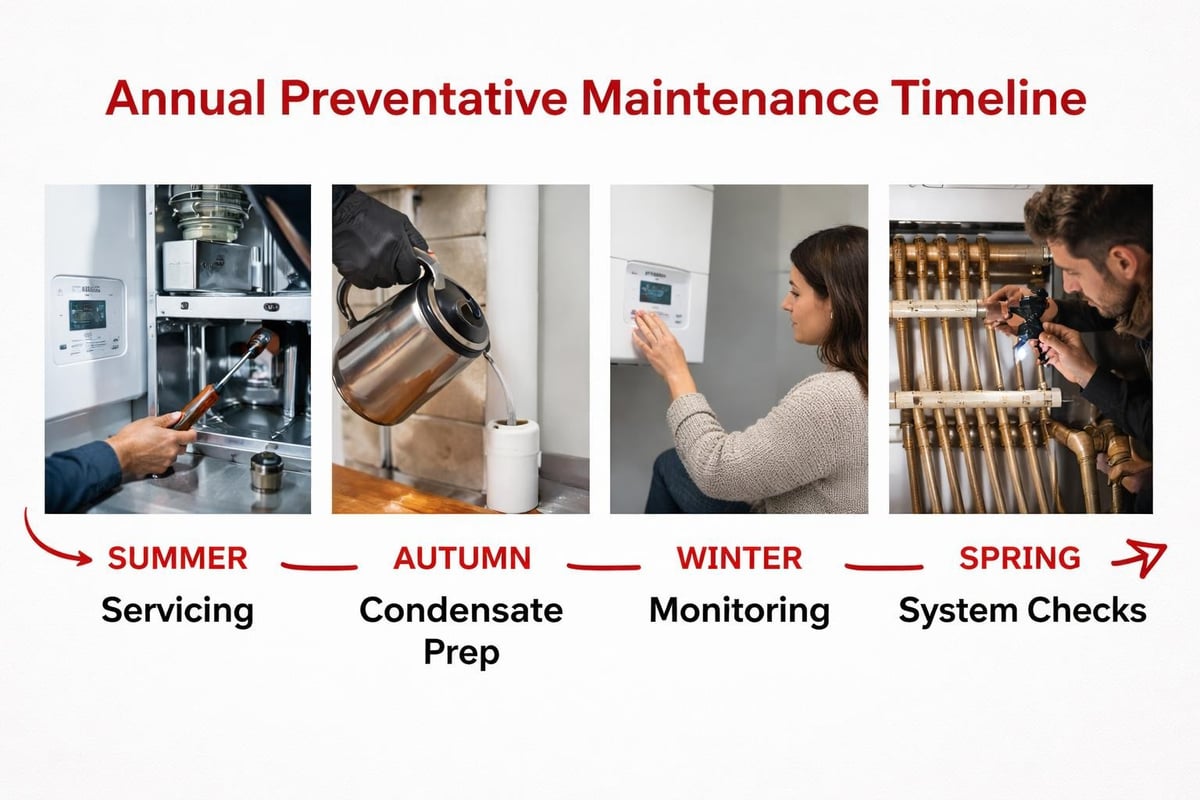
Regular servicing significantly reduces the likelihood of experiencing vaillant boiler f28 errors. Annual maintenance catches developing problems before they cause complete breakdowns, particularly during the coldest months when heating becomes essential.
Annual Boiler Servicing Benefits
Professional boiler servicing includes comprehensive checks of all ignition components. Engineers clean electrodes, test gas valve operation, inspect burner condition, and verify proper combustion efficiency.
During servicing, technicians measure gas pressure at the meter and at the boiler inlet, ensuring adequate supply for reliable ignition. They also check condensate drainage systems, preventing winter blockages that trigger F28 faults.
Properties with service contracts typically experience 60% fewer emergency breakdowns compared to unserviced boilers. The relatively modest annual service cost proves far more economical than emergency callouts during cold weather when demand peaks and availability decreases.
Condensate Pipe Winterisation
Before winter arrives, proactive homeowners protect condensate pipes against freezing. Adding foam pipe insulation to external condensate runs provides significant protection, though severe prolonged frosts may still cause problems.
Winterisation checklist:
- Insulate all external condensate pipe sections
- Check pipe fall angle ensures proper drainage
- Consider trace heating cable for vulnerable sections
- Verify condensate trap contains adequate water seal
- Clear any debris from condensate discharge point
For boilers installed before current regulations, condensate pipes sometimes run externally for excessive distances. Heating system upgrades can include condensate pipe relocation to prevent recurring winter problems.
System Cleanliness and Water Quality
Whilst not directly causing F28 errors, poor system water quality affects overall boiler reliability. Sludge and magnetite deposits can damage pumps, heat exchangers, and other components, leading to secondary failures that trigger various fault codes.
Regular powerflushing treatments remove accumulated debris from radiators and pipework, improving system efficiency and component longevity. Chemical inhibitors added during servicing protect against future corrosion, maintaining optimal operating conditions.
Cost Considerations for F28 Repairs
Understanding typical repair costs helps homeowners budget appropriately and evaluate whether repair or replacement makes better financial sense for older boilers.
Typical Repair Expenses
Simple fixes like thawing frozen condensate pipes cost nothing if completed by homeowners, whilst emergency engineer callouts for the same issue typically range from £80-£150 depending on time and day. Component replacements involve parts and labour costs that vary by complexity.
For detailed repair cost breakdowns, specialist resources on F28 fault expenses provide comprehensive pricing guidance across different failure scenarios.
Electrode cleaning during a standard service adds no extra cost, whilst dedicated callouts for electrode issues typically cost £100-£180. Gas valve replacements represent more significant expenses, ranging from £200-£350 depending on boiler model and valve type.
Repair Versus Replacement Decisions
When boilers exceed 10-12 years old, multiple component failures often signal approaching end-of-life. Investing £300-£400 in repairs for a boiler likely to fail again within months rarely proves economical.
Modern condensing boilers offer substantially improved efficiency compared to models over a decade old. Annual fuel savings of £200-£400 can offset new boiler costs within 5-7 years, particularly when combined with reduced repair expenses.
Consider replacement when:
- Boiler age exceeds 12 years
- Repair costs exceed 50% of replacement cost
- Multiple faults occur within 12 months
- Replacement parts become difficult to source
- Energy bills have increased significantly
For homeowners exploring replacement options, new boiler installations provide energy-efficient solutions with manufacturer warranties covering parts and labour for extended periods.
F28 Errors During Cold Weather
Winter months see dramatic increases in vaillant boiler f28 callouts across Kent, primarily due to temperature-related issues affecting multiple components simultaneously.
Cold Start Problems
When outdoor temperatures drop significantly, boilers struggle with cold start sequences. Gas flowing through cold pipes reaches the burner at lower temperatures, requiring longer ignition attempts. Combined with thickened lubricants affecting moving parts, these factors increase ignition failure risk.
Maintaining consistent low-level heating rather than allowing properties to cool completely reduces cold start demands on boilers. Setting thermostats to maintain minimum temperatures of 15-16°C prevents extreme cold starts whilst minimising fuel consumption.
Multiple Component Stress
Freezing conditions simultaneously affect several systems. Condensate pipes freeze, gas pressure fluctuates with high demand across supply networks, and electrical components operate outside optimal temperature ranges.
This combination explains why F28 errors cluster during prolonged cold spells. Engineers report callout volumes increasing three-fold during sustained freezing weather compared to mild periods. Booking annual servicing before winter ensures boilers enter the challenging season in optimal condition.
Understanding Related Vaillant Fault Codes
The F28 fault code sometimes appears alongside or alternates with other error codes, indicating related issues affecting boiler operation.
F29 Code Relationship
The F29 error indicates ignition failure during operation rather than startup. Whilst F28 appears when initial ignition attempts fail, F29 suggests the flame extinguished unexpectedly during a heating cycle.
Both codes often share common causes: gas supply interruptions, electrode problems, or flame detection faults. However, F29 specifically indicates issues that develop after successful initial ignition, potentially pointing toward gas pressure fluctuations or intermittent electrode faults.
F22 and Water Pressure
Low water pressure triggering the F22 fault code can indirectly contribute to F28 errors. Insufficient system pressure affects heat exchanger performance, potentially causing the boiler to shut down during ignition attempts.
Maintaining correct system pressure between 1.0-1.5 bar when cold prevents these combined faults. For detailed guidance on pressure-related issues, resources explaining Vaillant boiler F22 errors provide comprehensive troubleshooting steps.
Regional Considerations for Kent Homeowners
Local factors specific to Kent affect how vaillant boiler f28 errors present and should be resolved across Rochester, Gravesend, and surrounding areas.
Water Hardness Impact
Kent's notably hard water accelerates limescale accumulation within boilers and heating systems. Whilst limescale primarily affects heat exchangers rather than ignition components, heavy deposits can restrict water flow, causing secondary problems that trigger various fault codes.
Installing scale reducers or magnetic filters protects boiler internals from accelerated wear. Combined with regular system flushing, these measures extend component life and reduce fault frequency.
Local Gas Infrastructure
Gas pressure varies across Kent's distribution network, with rural areas occasionally experiencing lower pressures than urban centres. Properties at the extremes of supply networks may encounter pressure-related ignition issues during peak demand periods.
If F28 errors correlate with early morning or evening times when neighbours' heating activates simultaneously, gas pressure might be the underlying cause. Gas Safe engineers in Rochester can measure inlet pressures and liaise with gas suppliers regarding network issues.
Weather Patterns and Condensate Freezing
Coastal areas around Gravesend experience different winter conditions than inland Kent locations. Sea proximity moderates temperature extremes but increases humidity, affecting condensate pipe freezing patterns.
Understanding local weather helps predict when preventative measures like pipe insulation become critical. Marine environments also accelerate corrosion of external components, making regular servicing particularly important for coastal properties.
Addressing a vaillant boiler f28 error requires systematic diagnosis to identify whether simple fixes like thawing frozen pipes will suffice or if professional repairs become necessary. Regular maintenance, proper winterisation, and prompt attention to developing issues prevent many F28 occurrences before they disrupt your heating. When you need expert assistance with F28 faults or any boiler concerns across Kent, the experienced Gas Safe registered engineers at Castle Heating Kent provide reliable diagnostics, quality repairs, and comprehensive servicing to keep your heating system operating efficiently throughout the year.

