
Vaillant ecoTEC Expansion Vessel: Complete Guide 2026
The Vaillant ecoTEC range has established itself as one of the most reliable and efficient boiler series available to homeowners across Kent and throughout the UK. At the heart of these systems lies a critical component that often goes unnoticed until problems arise: the expansion vessel. Understanding how this component functions, recognising when it requires attention, and knowing the proper maintenance procedures can save property owners significant expense and inconvenience. For those living in Rochester, Gravesend, and surrounding areas, having access to qualified heating engineers who understand the specific requirements of these systems proves invaluable when issues develop.
Understanding the Vaillant ecoTEC Expansion Vessel Function
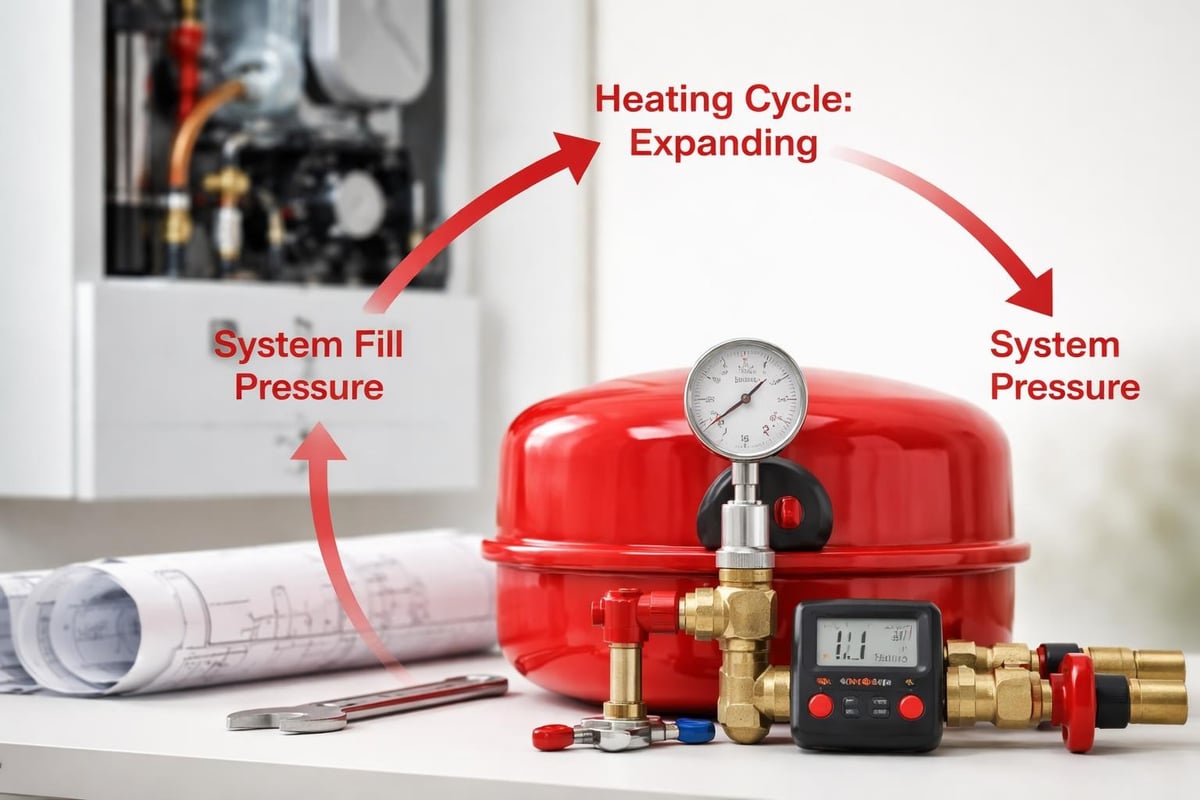
The vaillant ecotec expansion vessel serves as a crucial safety component within your heating system. As water heats up, it expands, and without a mechanism to accommodate this increase in volume, pressure within the system would rise to dangerous levels. The expansion vessel addresses this challenge through a simple yet effective design: a sealed container divided by a flexible diaphragm into two chambers.
One chamber contains compressed air or nitrogen, whilst the other connects to the heating system's water circuit. When water heats and expands, it pushes against the diaphragm, compressing the gas on the opposite side. This process absorbs the additional volume without allowing pressure to escalate beyond safe parameters.
Technical Specifications and Capacity
Most Vaillant ecoTEC models utilise a standard 10-litre expansion vessel, though capacity requirements vary depending on the specific boiler model and overall system volume. The Vaillant ecoTEC Expansion Vessel 181051 represents the most common replacement part for these systems, designed specifically to meet the technical requirements of the ecoTEC range.
| Specification | Details |
|---|---|
| Typical Capacity | 10 litres |
| Pre-charge Pressure | 0.75-1.0 bar |
| Maximum Operating Pressure | 3 bar |
| Operating Temperature Range | -10°C to 100°C |
| Connection Type | 3/4" BSP thread |
The pre-charge pressure must be set correctly during installation to ensure optimal performance. This pressure should typically sit just below the system's cold fill pressure, allowing the vessel to function effectively throughout the heating cycle.
Recognising Signs of Expansion Vessel Failure
Several symptoms indicate that the vaillant ecotec expansion vessel may have developed faults or failed completely. Property owners should remain vigilant for these warning signs, as early detection prevents more serious system damage.
Common failure indicators include:
- Pressure gauge readings that fluctuate dramatically between cold and hot operation
- Frequent need to repressurise the system through the filling loop
- Pressure relief valve discharging water regularly
- Boiler displaying low pressure error codes repeatedly
- Hearing water dripping from the external discharge pipe
- System pressure rising above 3 bar when heating operates
The most prevalent cause of expansion vessel failure involves the loss of pre-charge pressure from the air side of the diaphragm. Over time, the gas can permeate through the flexible membrane or escape through the Schrader valve, leaving the vessel unable to accommodate water expansion properly.
Diaphragm Rupture and Its Consequences
When the internal diaphragm ruptures, the separation between water and gas chambers disappears entirely. Water fills the entire vessel, eliminating its ability to absorb expansion. This condition typically presents as immediate and severe pressure fluctuations, with the system losing pressure rapidly after each heating cycle.
Professional diagnosis becomes essential at this stage. Whilst some homeowners attempt DIY repairs, working on sealed heating systems requires specific qualifications. Castle Heating Kent's Gas Safe registered engineers possess the expertise to properly diagnose expansion vessel issues and determine whether recharging or replacement represents the most appropriate solution.
Maintenance Procedures and System Checks
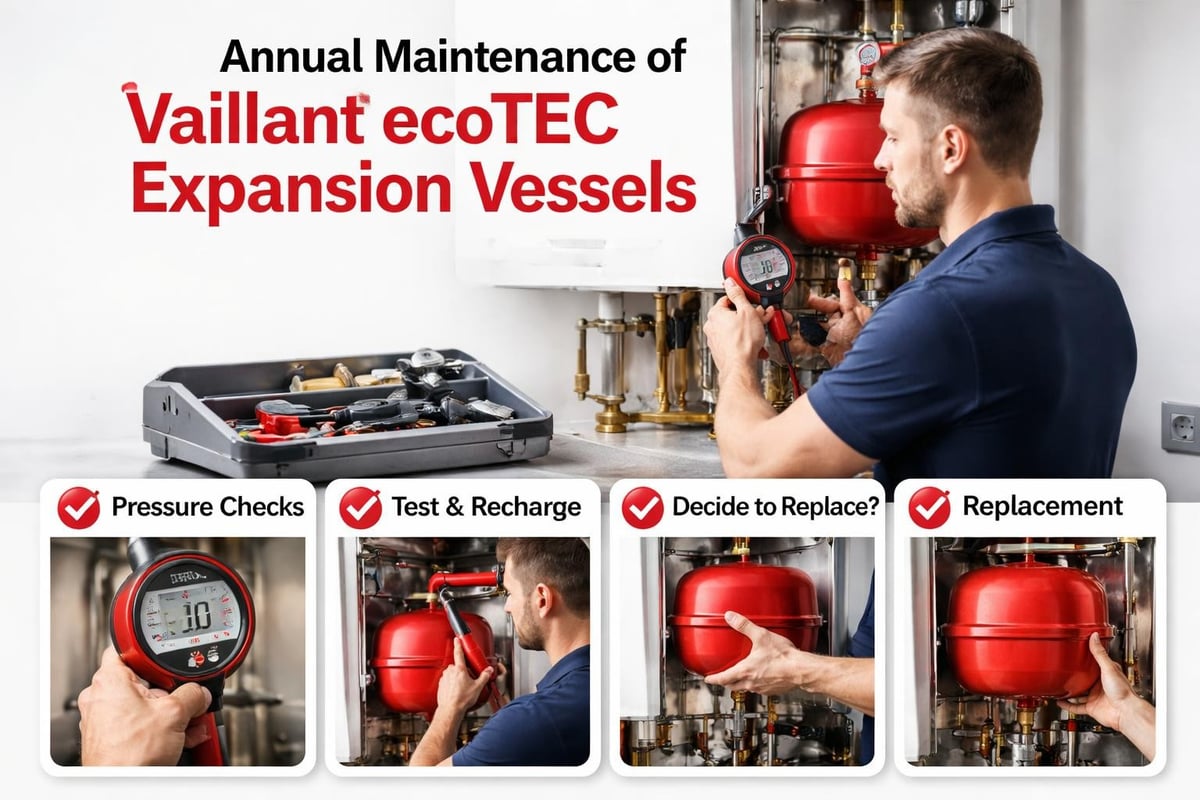
Regular maintenance of the vaillant ecotec expansion vessel extends its operational lifespan and maintains system efficiency. Annual boiler servicing should always include checks of this component, though homeowners can perform basic monitoring between professional visits.
Checking Pre-charge Pressure
Engineers verify expansion vessel pressure using a standard tyre pressure gauge attached to the Schrader valve, located on the vessel body. This check must occur with the system completely drained and isolated, ensuring no water pressure influences the reading.
The procedure follows these steps:
- Isolate the boiler from the electrical supply
- Close isolation valves on flow and return pipework
- Drain the system using the drain valve
- Remove the protective cap from the Schrader valve
- Attach the pressure gauge and record the reading
- Compare against manufacturer specifications
- Adjust pressure using a suitable pump if required
The Vaillant ecoTEC installation and servicing manual provides detailed specifications for each model variant, ensuring technicians apply the correct pre-charge pressure for optimal performance.
Maintaining proper system water pressure also contributes to expansion vessel longevity. The cold fill pressure should typically sit between 1.0 and 1.5 bar for most domestic installations. Excessive fill pressure forces the expansion vessel to work harder, potentially shortening its service life.
Replacement Considerations and Compatible Parts
When recharging proves insufficient or the diaphragm has failed, replacing the vaillant ecotec expansion vessel becomes necessary. Selecting the correct replacement part ensures compatibility and maintains system warranty coverage.
The Vaillant part number 181051 represents the standard expansion vessel for most ecoTEC models, including:
- ecoTEC Plus 824, 831, 837, 838
- ecoTEC Pro 24, 28
- ecoTEC Exclusive 832, 838, 843
However, verification against the specific boiler model remains essential, as some variants utilise different capacity vessels or mounting configurations. Detailed compatibility information helps ensure proper part selection before commencing replacement work.
Installation Requirements
Replacing an expansion vessel requires competence in sealed heating system work. The process involves isolating the boiler, draining the system, disconnecting the existing vessel, and installing the replacement with proper sealing and pressure settings.
| Task | Requirement | Notes |
|---|---|---|
| Electrical isolation | Essential | Lock-off procedure recommended |
| System drainage | Complete | Including radiators if necessary |
| Thread sealant | PTFE tape or paste | Ensure water-tight connections |
| Pre-charge verification | Mandatory | Set before refilling system |
| System refilling | Gradual | Vent air from radiators |
| Pressure testing | 3 bar minimum | Check for leaks before operation |
Professional installation ensures compliance with Building Regulations and maintains manufacturer warranties. Boiler installation services from qualified engineers include proper component fitting and system commissioning.
The replacement process demonstration provides visual guidance, though viewers should note that such work legally requires Gas Safe registration when performed on gas-fired appliances.
Cost Implications and Service Options
Understanding the financial aspects of expansion vessel maintenance and replacement helps property owners budget appropriately for heating system upkeep. Costs vary depending on whether simple recharging suffices or complete replacement becomes necessary.
Typical cost ranges in 2026 include:
- Expansion vessel recharging during service: £40-£80
- Standalone expansion vessel replacement: £150-£250
- Replacement including full system service: £200-£350
- Emergency call-out with replacement: £300-£450
These figures reflect average pricing across Kent, though individual circumstances affect final costs. Properties with difficult boiler access or additional system complications may incur higher charges. The 181051 expansion vessel component itself typically costs between £60 and £90, with labour comprising the remainder of replacement expenses.
Preventative Maintenance Value
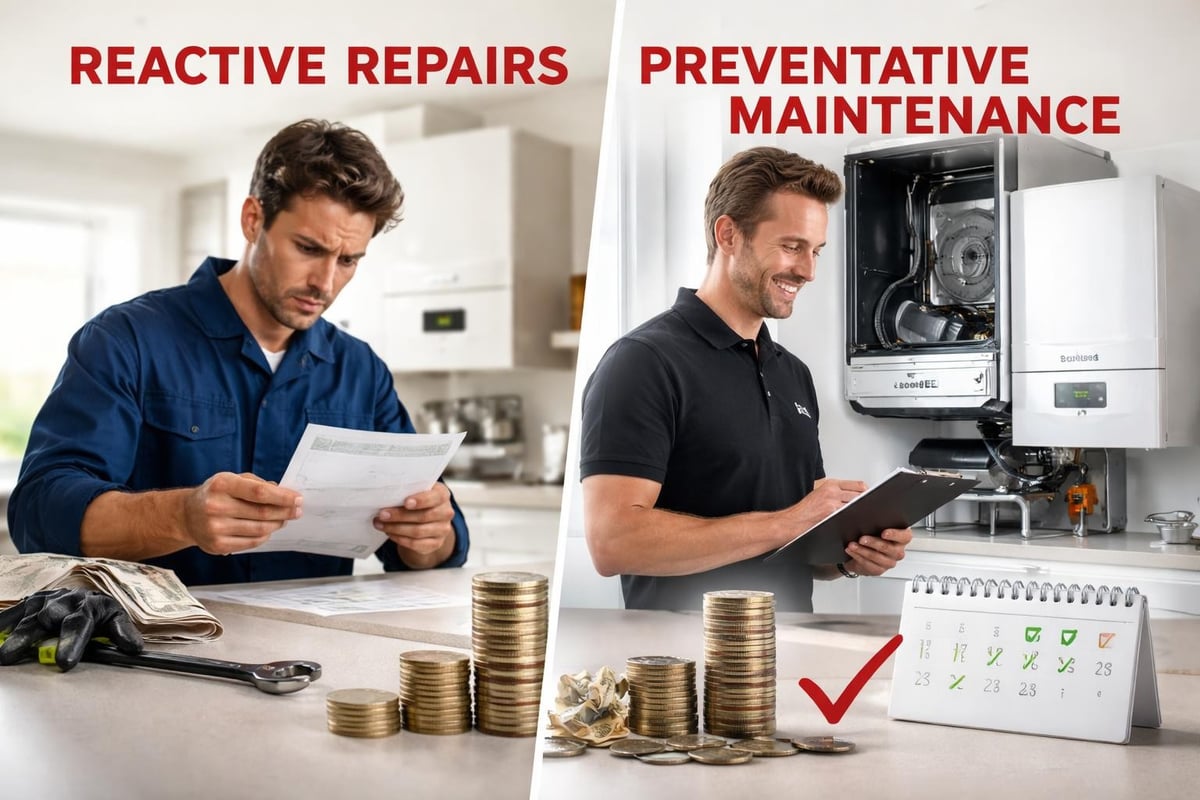
Regular servicing proves more economical than reactive repairs. Annual boiler service appointments identify expansion vessel issues before they escalate into emergency situations, avoiding costly breakdowns and potential secondary damage to other system components.
Insurance considerations also merit attention. Many home insurance policies require annual boiler servicing to maintain heating system cover. Documentation from qualified engineers demonstrates compliance with these requirements, potentially affecting claims validity should major failures occur.
System Integration and Performance Optimisation
The vaillant ecotec expansion vessel operates as part of an interconnected system where multiple components influence overall performance. Understanding these relationships helps property owners maintain optimal efficiency and reliability.
Interaction with Pressure Relief Valves
Pressure relief valves (PRVs) work alongside expansion vessels as secondary safety mechanisms. When system pressure exceeds safe limits, typically around 3 bar, the PRV opens to discharge water externally. Frequent PRV operation often indicates expansion vessel problems, as the vessel should prevent pressure from reaching discharge thresholds under normal conditions.
The expansion vessel and PRV combination provides dual-layer protection, ensuring system integrity even if one component develops faults. However, relying on PRV discharge as normal operation indicates underlying issues requiring professional attention.
Impact on Circulating Pumps and Heat Exchangers
Incorrect expansion vessel function affects other boiler components. Excessive pressure variations stress circulating pump seals, potentially leading to premature failure. Heat exchangers also suffer from repeated pressure cycling, with thermal stress causing gradual degradation of welds and joints.
Maintaining proper expansion vessel operation therefore protects the entire heating system investment. The modest cost of vessel maintenance or replacement pales against expenses associated with heat exchanger or pump failures, which can reach £500-£1,500 depending on the component and labour requirements.
Professional Servicing in Kent
Property owners in Rochester, Gravesend, and surrounding areas benefit from choosing local specialists familiar with Vaillant systems and their specific requirements. Established heating companies maintain stocks of common replacement parts, reducing downtime when repairs become necessary.
Castle Heating Kent has serviced Vaillant ecoTEC systems throughout the region since 2010, developing comprehensive expertise in all aspects of these boilers. Their Gas Safe registered engineers carry diagnostic equipment specifically calibrated for Vaillant products, ensuring accurate fault identification and efficient repairs.
The repressurisation process for Vaillant ecoTEC Pro models requires understanding of the specific filling loop configuration and pressure requirements. Professional engineers complete this procedure efficiently whilst checking for underlying causes of pressure loss, addressing root problems rather than merely treating symptoms.
Emergency Response and Planned Maintenance
Heating emergencies rarely occur at convenient times. Choosing service providers with comprehensive coverage ensures assistance when needed most. Emergency call-outs for expansion vessel failures typically receive same-day or next-day response during winter months, minimising disruption to household comfort.
Planned maintenance programmes offer advantages over reactive servicing. Annual service contracts typically include priority response times, discounted repair rates, and systematic monitoring of component condition. These arrangements prove particularly valuable for elderly residents or families with young children, where heating reliability carries greater importance.
System Pressure Management Best Practices
Whilst expansion vessels handle pressure variations automatically, homeowners can adopt practices that reduce stress on these components and extend their operational life. Understanding proper system pressure management contributes to overall heating efficiency and reliability.
Cold system pressure should remain stable over extended periods. Gradual pressure loss indicates small leaks somewhere within the pipework, radiators, or boiler components. Addressing these leaks promptly prevents expansion vessels from compensating for water loss, which accelerates wear on the diaphragm.
Recommended pressure monitoring includes:
- Weekly checks during heating season
- Monthly checks during summer months
- Recording readings to identify trends
- Investigating any pressure drop exceeding 0.2 bar monthly
- Avoiding frequent system repressurisation without identifying causes
The filling loop should only open briefly to restore pressure. Extended filling or frequent additions suggest underlying problems requiring professional diagnosis. Systems requiring weekly repressurisation almost certainly have developed faults beyond simple expansion vessel issues.
Seasonal Considerations
Heating systems typically experience pressure increases of 0.3-0.5 bar when transitioning from cold to hot operation. Larger increases suggest insufficient expansion capacity, either from vessel faults or incorrect pre-charge pressure. Summer shutdown periods provide ideal opportunities for expansion vessel servicing, allowing work to proceed without affecting home heating.
Properties with combination boiler installations face additional pressure management considerations, as these systems supply both heating and hot water from a single unit. Expansion vessels in combi boilers work harder than those in system or regular boilers, potentially requiring more frequent attention.
Long-term System Planning
Expansion vessels typically provide 5-10 years of reliable service under normal operating conditions. However, this lifespan varies considerably based on water quality, system pressure management, and maintenance frequency. Properties with hard water or poor system water treatment may experience shorter vessel life due to internal corrosion or scale accumulation.
When planning heating system upgrades or considering boiler replacement, evaluating expansion vessel condition makes economic sense. Installing a new vessel during major system work costs less than arranging separate replacement later, particularly when scaffolding or significant access work proves necessary.
Modern water treatment products help protect expansion vessels and other system components from scale and corrosion. Powerflushing services remove accumulated debris and introduce inhibitors that extend component life, representing worthwhile investments for systems over five years old.
Properties converting from conventional to combination boilers require particular attention to expansion vessel sizing and specification. The increased demand from instantaneous hot water production necessitates careful calculation of expansion requirements, ensuring adequate capacity for the modified system configuration.
Understanding the function, maintenance requirements, and failure indicators of the vaillant ecotec expansion vessel empowers property owners to maintain efficient, reliable heating systems throughout Kent's often demanding winters. Regular professional servicing, prompt attention to pressure anomalies, and appropriate maintenance intervals protect substantial investments in home comfort systems. For comprehensive heating system care from Gas Safe registered professionals with extensive Vaillant experience, Castle Heating Kent provides expert service across Rochester, Gravesend, and surrounding areas, ensuring your heating system operates safely and efficiently year-round.

