
Evohome Controller Guide: Smart Heating Solutions for 2026
Smart heating is rapidly becoming a must-have for UK homes, especially as we look ahead to 2026. The evohome controller is at the forefront of this transformation, offering unmatched flexibility and intelligent control for modern living spaces.
This guide is designed to help homeowners and property managers fully understand what makes the evohome controller a standout choice. You will discover its key features, step-by-step setup, integration with other smart devices, energy-saving benefits, troubleshooting advice, and a look at future trends.
If you are aiming to lower your energy bills and take smarter control of your home’s comfort, this is your starting point. Get ready to explore how smart heating can make your life easier and your property more efficient.
Understanding Evohome Controller: An Overview
The Evohome Controller is rapidly becoming a cornerstone of modern home heating in the UK. Designed to bring intelligence, flexibility, and precision to temperature management, the evohome controller transforms how households approach comfort and energy efficiency.
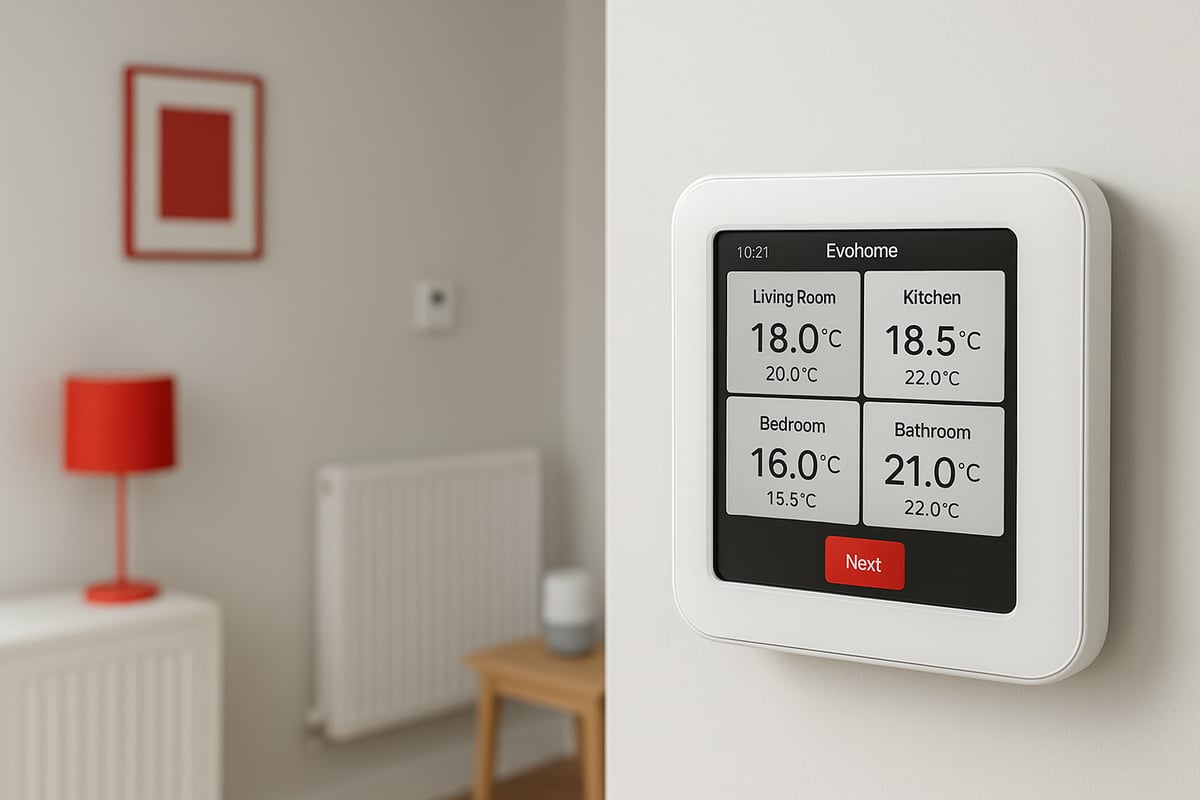
The evohome controller serves as the central hub for smart heating, allowing users to manage up to 12 different zones within a property. This means you can set precise temperatures for each room or area, optimising comfort and reducing waste. Featuring an intuitive touchscreen, built-in WiFi, and seamless app integration, the evohome controller enables remote adjustments and real-time monitoring from anywhere.
Key Features of the Evohome Controller:
- Multi-zone control (up to 12 zones)
- Touchscreen interface for easy navigation
- WiFi connectivity for remote access via smartphone or tablet
- Enhanced app features for 2026, including advanced scheduling and analytics
- Compatibility with renewable energy sources and new heating technologies
The latest 2026 updates have expanded the evohome controller's capabilities. Now, it offers integration with renewable energy systems like heat pumps and solar panels, supports more sophisticated learning algorithms, and boasts improved compatibility with a wider range of boilers and underfloor heating systems. These enhancements ensure that the evohome controller remains a future-ready solution for evolving UK home standards.
To illustrate its versatility, the evohome controller can manage both your central heating and domestic hot water supply. For example, you can schedule your hot water to heat up before you wake, while keeping bedroom temperatures lower overnight for better sleep quality.
How does the evohome controller compare to traditional thermostats or other smart heating controls? The difference is striking. While conventional thermostats control the whole house as a single zone, the evohome controller empowers you to tailor heating room by room. This granular control, combined with up to six time and temperature settings per day, seven days a week, supports significant energy savings and enhanced comfort.
| Feature | Traditional Thermostat | Standard Smart Thermostat | Evohome Controller |
|---|---|---|---|
| Multi-zone control | No | Limited (1-2 zones) | Up to 12 zones |
| Touchscreen interface | No | Sometimes | Yes |
| WiFi/app connectivity | Rare | Yes | Yes |
| Hot water control | No | Sometimes | Yes |
| Renewable compatibility | No | Sometimes | Yes |
Adoption of the evohome controller is accelerating as UK households seek smarter, more sustainable solutions. Homeowners, landlords, and property managers are drawn to its flexibility and future-proofing. In fact, the UK Smart Thermostat Market Growth is projected at a CAGR of 17.4% from 2025 to 2030, with devices like the evohome controller leading this trend.
With its robust feature set, ongoing updates, and proven ability to deliver comfort and savings, the evohome controller is quickly establishing itself as the smart heating solution of choice for a wide range of UK properties.
Setting Up Your Evohome Controller: Step-by-Step Guide
Getting started with your evohome controller is a straightforward process, but careful planning ensures the best results. Begin by assessing your current heating system. Check if your boiler type, radiators, and hot water cylinder are compatible. Most modern UK homes can support evohome, but it is wise to confirm before you invest. If you are unsure, consult with a qualified installer or review the Smart heating control installations page for professional guidance.
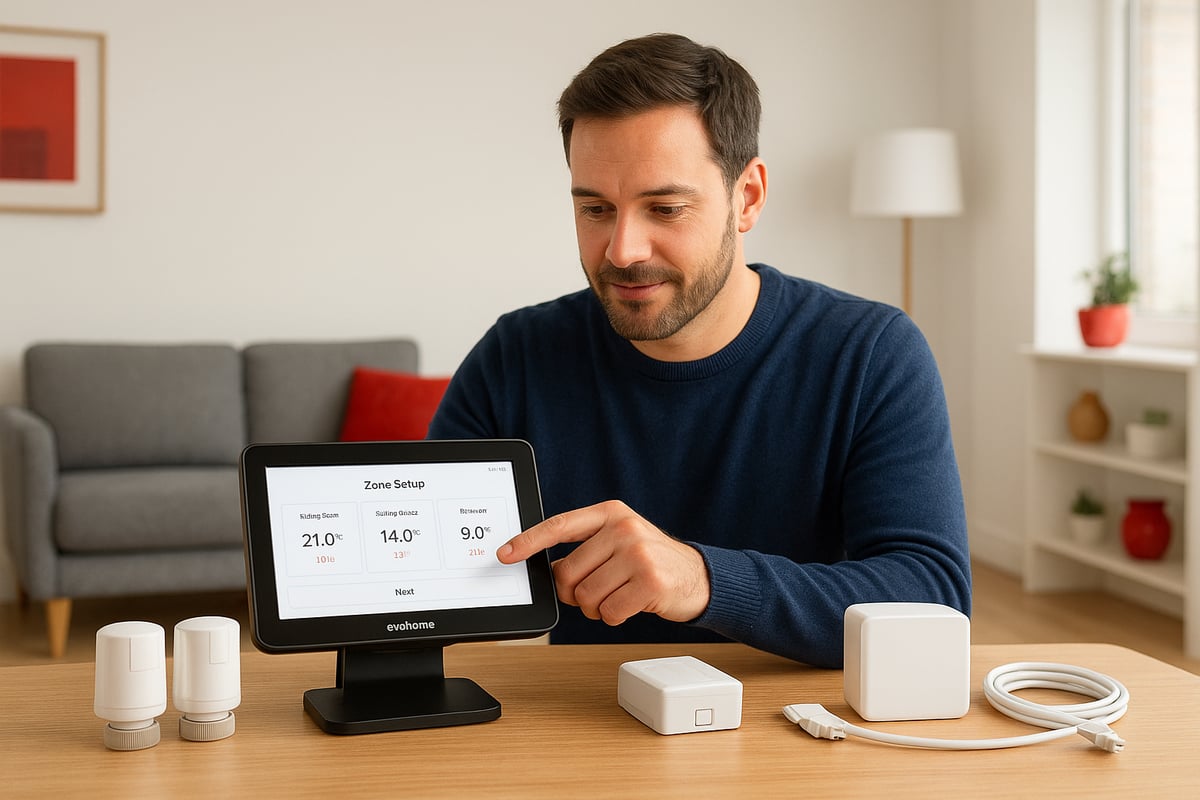
Next, unbox your evohome controller and lay out all components. You should find the main controller, wireless relay box, thermostatic radiator valves (TRVs), power lead, and table stand. Take a moment to familiarise yourself with each part. The controller is the central hub, while the relay box links with your boiler. TRVs will allow precise control in each room.
Now, follow these chronological steps for a smooth installation:
- Install the Controller: Connect the power lead to the evohome controller and place it on the table stand in a central location. Plug it in and power it on.
- Set Up the Wireless Relay Box: Link the relay box to your boiler according to the manufacturer’s instructions. This may involve wiring, so turn off your boiler and follow safety protocols. For complex systems, professional installation is recommended.
- Fit TRVs to Radiators: Replace existing radiator valves with the supplied TRVs. This step enables zone control, letting you set individual temperatures for up to 12 rooms or areas.
- Connect to WiFi and Download the App: Use the controller’s touchscreen to connect to your home WiFi. Download the Honeywell Home or Total Connect Comfort app on your smartphone for remote access.
- Configure Zones and Schedules: Using the touchscreen or app, assign each TRV to a zone. Set heating schedules for each area, with up to six time and temperature changes per day, seven days a week.
- Test the System and Troubleshoot: Power everything on and test each zone. Check that the evohome controller responds to changes and that the app communicates with the system. If a zone is unresponsive, check the TRV batteries or re-pair devices.
To integrate domestic hot water control, add the hot water kit if your system supports it. This allows you to schedule and monitor your hot water cylinder from the evohome controller, further enhancing efficiency.
For advanced features, enable geo-fencing within the app. This lets the evohome controller automatically adjust heating based on your location, ensuring comfort when you arrive and savings when you are away. Remote access provides control wherever you are, making it simple to adapt settings on the go.
Safety is paramount throughout setup. If you are dealing with wiring, gas appliances, or unfamiliar systems, always consult a Gas Safe registered professional. DIY is possible for many steps, but professional support ensures compliance and protects your warranty.
With your evohome controller installed and configured, you are ready to enjoy efficient, flexible, and future-ready heating. Regularly update firmware and use app analytics to optimise performance.
Smart Features and Integrations for 2026 Homes
The smart home landscape is evolving rapidly, and by 2026, homeowners expect seamless, intelligent control over every aspect of their environment. The evohome controller rises to this challenge, offering a suite of advanced features that place it firmly at the forefront of modern heating technology.
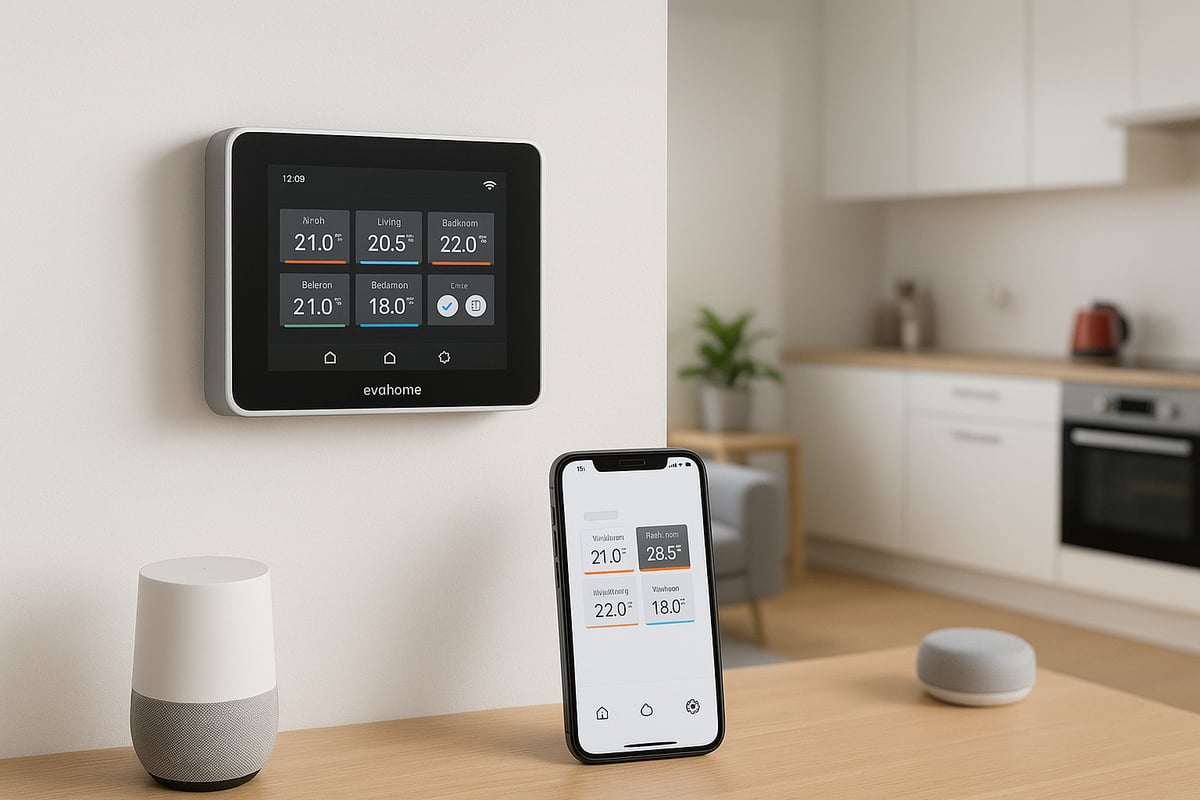
At the core of the evohome controller experience is app-based control. Homeowners and property managers can adjust heating schedules, set temperatures for individual rooms, and monitor performance from anywhere. The intuitive touchscreen interface, paired with robust WiFi connectivity, ensures that remote access is reliable and user-friendly.
Compatibility with voice assistants is now a standard expectation. The evohome controller integrates smoothly with Amazon Alexa and Google Assistant, enabling hands-free temperature adjustments using simple voice commands. For those seeking even greater automation, geo-fencing features allow the system to detect when residents are leaving or arriving, automatically adjusting heating settings based on occupancy.
Learning algorithms further enhance comfort and efficiency. The evohome controller analyses usage patterns, weather forecasts, and user preferences, gradually optimising schedules to reduce energy waste while maintaining ideal temperatures. This level of intelligence ensures that heating is always aligned with daily routines, whether for busy families or rental properties that require flexible management.
Integration with wider smart home ecosystems is another strength. The evohome controller is compatible with platforms such as IFTTT and Apple HomeKit, allowing users to create custom automations. For example, the heating can be programmed to respond to weather changes or sync with lighting and security systems for a fully connected experience. For a deeper dive into these functionalities, the Features of smart thermostats article provides valuable context on what to expect from a modern smart heating system.
The 2026 evohome controller also supports integration with renewable energy sources. Homeowners using solar panels or heat pumps benefit from enhanced compatibility, enabling the system to coordinate heating with available green energy. This not only lowers energy bills but also aligns with the UK's push towards sustainability.
A key advantage is that the latest WiFi-enabled controllers eliminate the need for separate mobile access kits. This streamlines installation and reduces ongoing maintenance. Security remains a top priority, with encrypted connections and user authentication protecting personal data and system controls.
To illustrate the breadth of smart features, consider the following table:
| Feature | Evohome Controller | Traditional Thermostat |
|---|---|---|
| Multi-zone control | Yes | No |
| App and remote access | Yes | No |
| Voice assistant integration | Yes | No |
| Geo-fencing | Yes | No |
| Learning algorithms | Yes | No |
| Renewable energy compatibility | Yes | Limited |
| Automated notifications | Yes | No |
Custom notifications and real-time energy reports are easily configured via the app. Users receive alerts if temperatures drop unexpectedly or if a schedule change is recommended for efficiency.
Looking ahead, the evohome controller is designed to adapt to future smart home standards. Firmware updates and expanding integrations ensure that the system remains compatible with new devices and technologies as they emerge. This future-proofing provides peace of mind, making the evohome controller a wise investment for households and property managers planning for the years ahead.
Maximising Energy Efficiency and Savings with Evohome
Smart heating is not just about convenience—it is about making tangible savings and improving comfort. The evohome controller delivers real results for households aiming to cut costs and reduce their environmental impact. By dividing your home into individual heating zones, you can target warmth where it is needed and dial back in spaces that are unused.
Multi-Zone Control: The Heart of Energy Savings
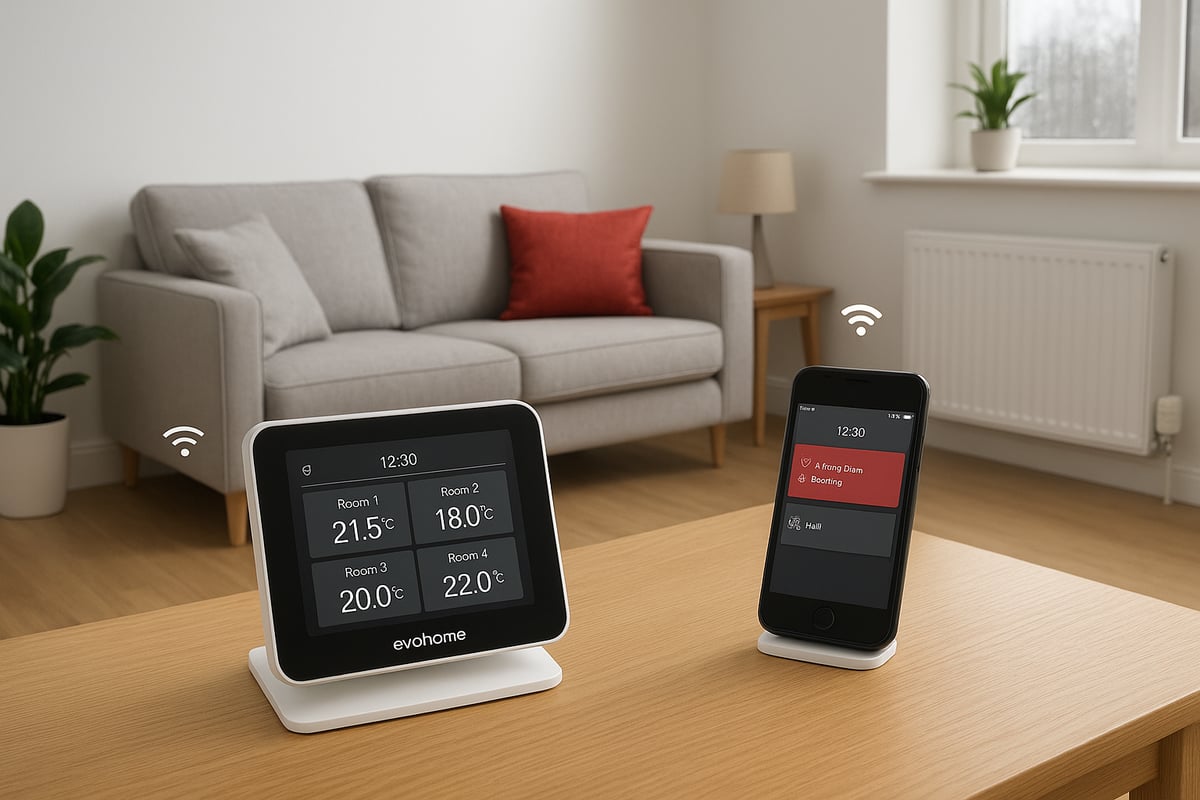
The evohome controller stands out for its multi-zone capability. You can manage up to 12 separate zones, each with its own temperature and schedule. This means you only heat the rooms you use, when you use them.
Imagine setting the living room to a cosy 21°C for the evening while keeping bedrooms cooler until bedtime. This granular control prevents heating empty spaces, directly translating into lower bills. The evohome controller makes it simple to adjust each zone, ensuring comfort and savings with minimal effort.
Data-Driven Efficiency: How Evohome Reduces Waste
Industry studies show that zoning can cut heating bills by up to 40 percent, especially in larger homes. With the evohome controller, you can schedule different temperatures for each zone up to six times a day, seven days a week.
For example, you might lower the temperature in spare bedrooms during the day and boost it only when guests arrive. By tailoring heat delivery, the evohome controller ensures energy is never wasted on unoccupied areas. This approach is far more effective than traditional single thermostat setups.
Flexible Scheduling for Every Lifestyle
One of the evohome controller’s greatest strengths is its scheduling flexibility. Each zone can be programmed with up to six distinct time and temperature periods daily. This means your heating automatically adapts to your family’s routine, whether that is early mornings, late nights, or variable work-from-home days.
Schedules can be quickly adjusted through the intuitive touchscreen or the mobile app. The evohome controller ensures your home is always comfortable when you need it, and energy efficient when you do not.
Maximising Savings through App Insights
The evohome controller offers powerful app-based analytics to help you optimise energy use. The app delivers clear reports on your heating patterns and energy consumption, highlighting opportunities for further savings.
By reviewing these insights, you can spot rooms that are consistently overheated and tweak their settings. The evohome controller also enables remote adjustments, so you can turn down the heating if your plans change. This combination of data and control puts homeowners in the driver’s seat for energy efficiency.
Comparing Evohome to Traditional Heating Systems
Traditional heating systems often heat the entire home to a single temperature, leading to wasted energy in unused spaces. Single-zone smart thermostats improve on this, but still lack the precision of zoning. The evohome controller bridges this gap by offering room-by-room control and deep scheduling.
Adoption rates for smart heating are climbing, with projections showing smart home penetration in the UK reaching over 50 percent by 2027, as highlighted in Smart Home Adoption Statistics. This trend reflects growing recognition of the evohome controller’s superior efficiency and flexibility.
Reducing Carbon Footprint and Real-World Results
The evohome controller not only saves money, it also helps reduce your home’s carbon footprint. By aligning heating output with actual usage, it supports the UK’s 2026 energy efficiency targets and decarbonisation goals.
Many users report significant savings within the first year of switching to the evohome controller. Case studies highlight reductions in both gas usage and energy bills, especially in homes with variable occupancy. To maximise results, adjust schedules seasonally and tailor settings to your household’s changing needs.
Troubleshooting and Support: Keeping Your Evohome Running Smoothly
Smart heating brings convenience, but even advanced systems like the evohome controller may face occasional hitches. Knowing how to handle common issues ensures your comfort and keeps your home running efficiently. Timely support and effective troubleshooting can minimise downtime and protect your investment in smart technology.
Common Issues and How to Troubleshoot
The most frequent problems with the evohome controller include connectivity drops, unresponsive zones, and app-related errors. When your system is not responding as expected, start with these steps:
- Check power and connections: Ensure the controller and relay box are both powered and securely connected.
- WiFi issues: If remote access fails, verify your WiFi network is stable. Reconnect the controller through the settings menu if needed.
- Unresponsive zones: Sometimes, individual TRVs (thermostatic radiator valves) or the relay box may lose pairing. Re-pair these devices by following the setup instructions in your manual.
- App errors: Restart the app, clear the cache, and check for updates. Rebooting your smartphone can also resolve minor glitches.
If problems persist, a factory reset of the evohome controller can restore default settings. Before resetting, back up your schedules and zone configurations to avoid data loss. For step-by-step guidance, consult the official Honeywell Home support site or relevant Common smart thermostat mistakes articles, which outline frequent user pitfalls and solutions.
Maintenance, Support, and Warranty
Regular maintenance helps prevent issues with the evohome controller. Replace batteries in wireless TRVs annually or when prompted. Clean the controller touchscreen gently and ensure all firmware and app updates are installed promptly for improved performance and security.
If you experience ongoing faults, Honeywell’s customer support offers troubleshooting resources, live chat, and FAQs. Many users find online forums and video tutorials helpful for more complex issues. Always keep your purchase and installation records, as the evohome controller typically comes with a two-year warranty covering hardware faults and manufacturing defects.
For professional assistance, especially with system expansions or persistent problems, reach out to a certified installer. They can diagnose advanced issues and ensure your evohome controller continues to deliver efficient, reliable smart heating for years to come.
The Future of Smart Heating: Trends Beyond 2026
Smart heating is set to transform UK homes as we look beyond 2026. With rapid advancements in connected technology, the evohome controller is positioned at the forefront of this change. Homeowners are increasingly seeking solutions that not only deliver comfort but also support energy efficiency and environmental goals.
The evohome controller is evolving to support more intelligent automation. Artificial intelligence and machine learning are already shaping how heating systems respond to daily routines, occupancy, and weather patterns. In the next wave, expect the evohome controller to integrate even deeper with smart grid technology, allowing automated adjustments based on real-time energy prices or grid demand. This shift will help households optimise their consumption and reduce costs without sacrificing comfort.
Another major trend is the move towards renewable heating solutions. The evohome controller’s compatibility with heat pumps, solar, and hybrid systems is a key advantage. Government policy is accelerating this transition, with the UK targeting the installation of at least 300,000 heat pumps annually by 2028. For more information on the national strategy and how systems like evohome controller fit into the bigger picture, see the Heat Pump Investment Roadmap. Market research further highlights factors that will shape adoption, such as electricity prices and home insulation, as detailed in the Factors Influencing Heat Pump Adoption.
Interoperability is also a growing focus for the evohome controller. As new smart home standards emerge, future-ready systems must integrate smoothly with other devices and platforms. Homeowners should prioritise solutions that are scalable and support regular firmware updates, ensuring ongoing compatibility and access to the latest features.
Looking ahead, the evohome controller will continue to adapt to evolving energy regulations and consumer preferences. Staying up-to-date with technology trends, government incentives, and industry best practices will help you maximise your investment. Choosing a flexible and upgradable system like the evohome controller ensures your home remains efficient, comfortable, and ready for the future.
If you’re ready to take control of your home’s comfort and energy efficiency with the Evohome Controller, having an experienced team by your side makes all the difference. At Castle Heating Kent, we understand how important it is to get smart heating right for your property—whether you’re in Rochester, Gravesend, or anywhere across Kent. Our Gas Safe registered engineers have helped countless homeowners upgrade to future-ready solutions, ensuring everything runs smoothly from installation to long-term support. Let’s make your home warmer, smarter, and more efficient together—Keeping Homes in and around kent Warm, Dry & Flowing Book with castle heating kent.

