
Hive Smart Thermostat: Features, Installation & Benefits
The evolution of home heating control has transformed dramatically over the past decade, with smart thermostats leading the charge towards more efficient and convenient temperature management. Among the frontrunners in this technology revolution, the hive smart thermostat has established itself as a popular choice for homeowners seeking to modernize their heating systems whilst reducing energy consumption. This comprehensive guide explores everything Kent homeowners need to know about this innovative device, from its core features and installation requirements to the practical benefits it delivers in everyday use.
Understanding the Hive Smart Thermostat System
The hive smart thermostat represents British Gas's flagship entry into the smart home heating market, designed specifically to work with UK heating systems. Unlike traditional thermostats that require manual adjustment, this intelligent device allows homeowners to control their heating remotely through a smartphone application, creating unprecedented flexibility in temperature management.
Core Components and Technology
At its heart, the system comprises three main elements: the thermostat display unit, a receiver hub that communicates with your boiler, and the cloud-based software that connects everything together. The thermostat itself features a clear digital display showing current and target temperatures, whilst the receiver unit integrates directly with your existing heating system.
The technology relies on wireless communication protocols that ensure reliable connectivity between components. This means the thermostat can be positioned anywhere in your home without the constraints of wiring, though proximity to your primary living areas typically yields the best temperature readings. According to TechRadar's comprehensive review, the second generation of Hive devices offers improved responsiveness and a more refined user interface compared to earlier versions.
Key technical specifications include:
- Wireless range of up to 30 meters
- Battery-powered thermostat with typical lifespan of 2 years
- Compatibility with most UK combi, system, and conventional boilers
- Integration with Amazon Alexa, Google Assistant, and Apple HomeKit
- Temperature accuracy within 0.5 degrees Celsius
Installation Requirements and Process
Professional installation remains the recommended approach for the hive smart thermostat, particularly for homeowners without experience in heating system modifications. The installation process involves connecting the receiver to your boiler's existing controls and positioning the thermostat in an optimal location.
Pre-Installation Considerations
Before proceeding with installation, several factors require assessment. Your existing boiler must be compatible with smart thermostat technology, which encompasses most modern systems installed within the past 15 years. Gas Safe registered engineers can verify compatibility during a standard boiler service appointment, ensuring your system meets the necessary requirements.
| Installation Method | Typical Cost | Duration | Warranty Impact |
|---|---|---|---|
| Professional Installation | £150-£250 | 1-2 hours | Full manufacturer warranty |
| Self-Installation | £0 | 2-4 hours | May void warranty if incorrect |
| Installation with New Boiler | Often included | 3-5 hours total | Comprehensive coverage |
The physical installation location significantly influences performance. Thermostats positioned in hallways or frequently used rooms provide more accurate temperature readings than those placed near external doors, windows, or heat sources. Many professional heating engineers in Kent recommend central locations that reflect the average temperature of your living spaces.
Professional vs DIY Installation
Whilst Hive markets its thermostat as suitable for DIY installation, professional fitting offers distinct advantages. Gas Safe registered engineers understand the nuances of different boiler types and can identify potential compatibility issues before they become problems. They also ensure all electrical connections meet current regulations, protecting both your warranty and home insurance coverage.
For homeowners considering boiler installation alongside their smart thermostat upgrade, bundled installation packages often provide better value. This approach streamlines the process and ensures perfect integration between your new heating equipment and control system.
Features That Enhance Daily Living
The hive smart thermostat delivers functionality that extends far beyond basic temperature adjustment. Its feature set addresses common heating challenges whilst introducing conveniences that quickly become indispensable to users.
Remote Control and Scheduling
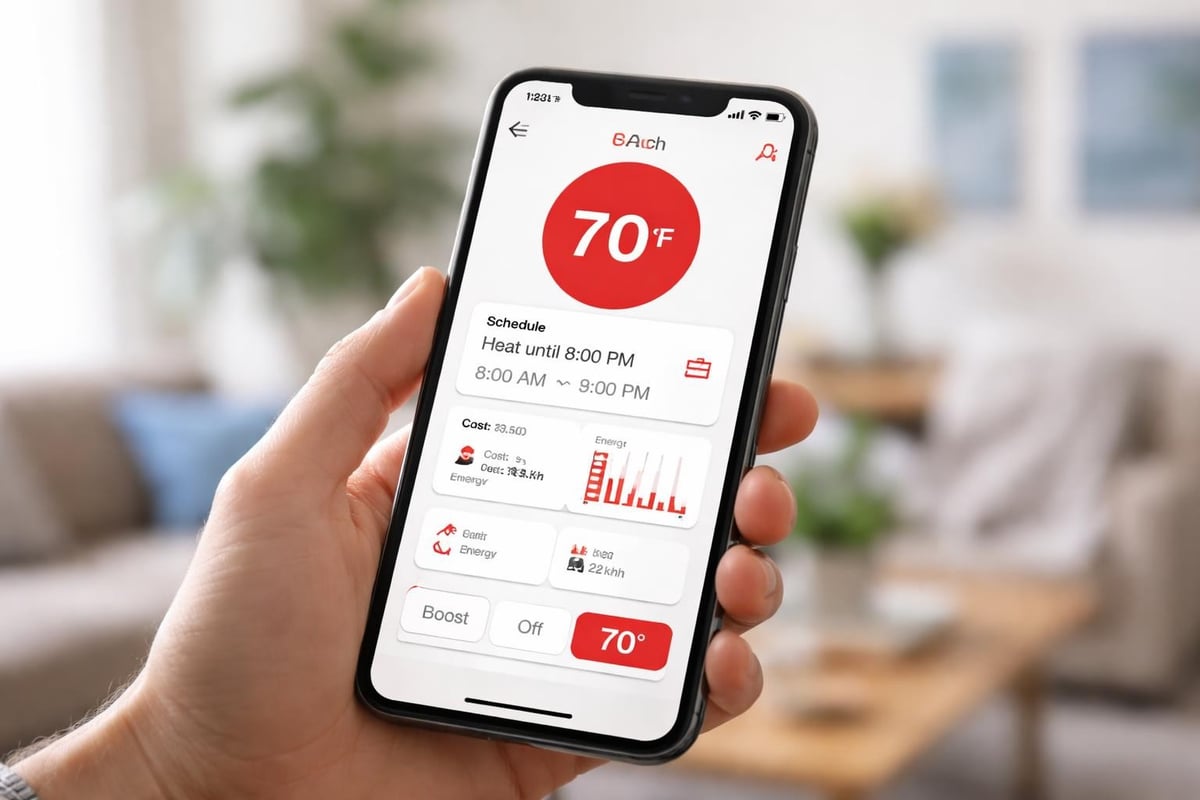
The ability to adjust heating from anywhere with internet connectivity stands as perhaps the most immediately appreciable benefit. Whether you're delayed at work, returning early from holiday, or simply comfortable on the sofa, temperature changes require only a few taps on your smartphone. This remote accessibility proves particularly valuable during unpredictable British weather when heating needs can change rapidly.
Advanced scheduling capabilities include:
- Seven-day programming with different settings for each day
- Multiple time blocks per day for refined control
- Holiday mode to maintain minimal temperatures when away
- Boost function for quick temperature increases
- Frost protection to prevent pipe damage
According to insights shared in this T3 article, understanding the full scheduling capabilities before installation helps homeowners maximize efficiency from day one. Many users initially underutilize the sophisticated programming options, missing opportunities for energy savings.
Energy Monitoring and Reports
The Hive application provides detailed insights into heating usage patterns through comprehensive reports and statistics. These analytics help homeowners understand when and how their heating operates, identifying opportunities for optimization. Monthly summaries show heating duration, typical temperature settings, and comparative data against previous periods.
This transparency proves invaluable when assessing heating system efficiency and identifying unusual consumption patterns that might indicate underlying issues. Sudden increases in heating duration could signal problems requiring professional attention, from radiator imbalances to deteriorating boiler performance.

Compatibility and Integration Options
Modern smart homes increasingly rely on interconnected devices working in harmony, and the hive smart thermostat excels in this environment. Its compatibility with major smart home platforms enables sophisticated automation and voice control capabilities.
Voice Assistant Integration
Integration with Amazon Alexa and Google Assistant allows hands-free temperature adjustment through simple voice commands. This accessibility benefits elderly or mobility-impaired household members whilst adding convenience for everyone. Commands like "set the heating to 21 degrees" or "turn off the heating" become natural parts of daily routines.
Apple HomeKit support extends control to Siri and the Home app on iOS devices, though this functionality arrived later in the product's lifecycle. Users invested in the Apple ecosystem can include heating control within broader automation scenes, such as "Good Morning" routines that adjust temperature alongside lights and music.
Smart Home Ecosystem Expansion
Beyond voice assistants, Hive offers its own range of complementary products including smart plugs, lights, cameras, and sensors. Whilst not essential for thermostat operation, these devices integrate seamlessly through the same application, creating a unified smart home experience.
For those serious about home automation, IFTTT (If This Then That) compatibility unlocks creative possibilities. Homeowners can create custom triggers like automatically adjusting heating when their smartphone's GPS indicates they're traveling home, or reducing temperature when motion sensors detect everyone has left for the day.
When considering smart heating controls as part of a broader home improvement project, compatibility with existing or planned smart devices influences long-term satisfaction. Comparing options against alternatives like Tado boiler control systems helps identify the best fit for specific requirements.
Cost Considerations and Value Analysis
Understanding the complete financial picture requires examining both upfront investment and ongoing operational costs. The hive smart thermostat typically retails between £180 and £250 depending on current promotions, positioning it competitively within the smart thermostat market.
Initial Investment Breakdown
| Cost Component | Typical Range | Notes |
|---|---|---|
| Thermostat Hardware | £180-£250 | Regular promotional pricing available |
| Professional Installation | £150-£250 | Varies by region and complexity |
| Optional Hive Hub | £80-£100 | Required only for multi-zone control |
| Monthly Subscription | £0 | No ongoing fees for standard features |
One significant advantage over some competitors involves the absence of mandatory subscription fees. All core functionality operates without ongoing costs, though British Gas occasionally offers premium features or extended warranties through paid packages. This contrasts with certain alternatives that gate essential features behind monthly payments.
Energy Savings Potential
Manufacturers claim smart thermostats can reduce heating costs by 10-30% annually, though actual savings depend heavily on previous heating habits and home characteristics. Households previously running heating continuously or maintaining unnecessarily high temperatures typically achieve the upper end of this range, whilst already-efficient homes see more modest improvements.
For average Kent properties spending £800-£1200 annually on heating, realistic savings might reach £80-£240 per year. At these rates, the combined cost of hardware and professional installation could pay for itself within 2-4 years. Properties with modern efficient boilers often see faster returns as the heating system responds more quickly to smart controls.
Beyond direct cost savings, improved comfort and convenience carry value that financial calculations cannot fully capture. The ability to wake to warm homes without leaving heating running overnight, or ensuring elderly relatives maintain safe temperatures, provides benefits exceeding simple monetary analysis.
Practical Benefits for Kent Homeowners
The hive smart thermostat offers specific advantages particularly relevant to residents throughout Kent, from Rochester and Gravesend to surrounding areas. Local climate patterns, housing stock characteristics, and lifestyle factors all influence how homeowners experience these benefits.
Addressing Variable UK Weather
British weather's unpredictable nature means heating requirements can fluctuate dramatically even within single days. Spring and autumn present particular challenges when mornings might be cold but afternoons warm. Smart scheduling allows homeowners to program heating that responds to these daily temperature swings without manual intervention.
Seasonal optimization strategies include:
- Morning boost during colder months for comfortable wake-up periods
- Reduced daytime temperatures when properties stand empty
- Evening comfort settings timed to typical arrival home
- Weekend schedules differing from weekday patterns
- Gradual temperature ramping rather than sudden changes
The geolocation features prove especially valuable for households with irregular schedules. Rather than maintaining set heating times that might waste energy when plans change, the system can detect when residents approach home and begin warming the property accordingly.
Supporting Aging Housing Stock
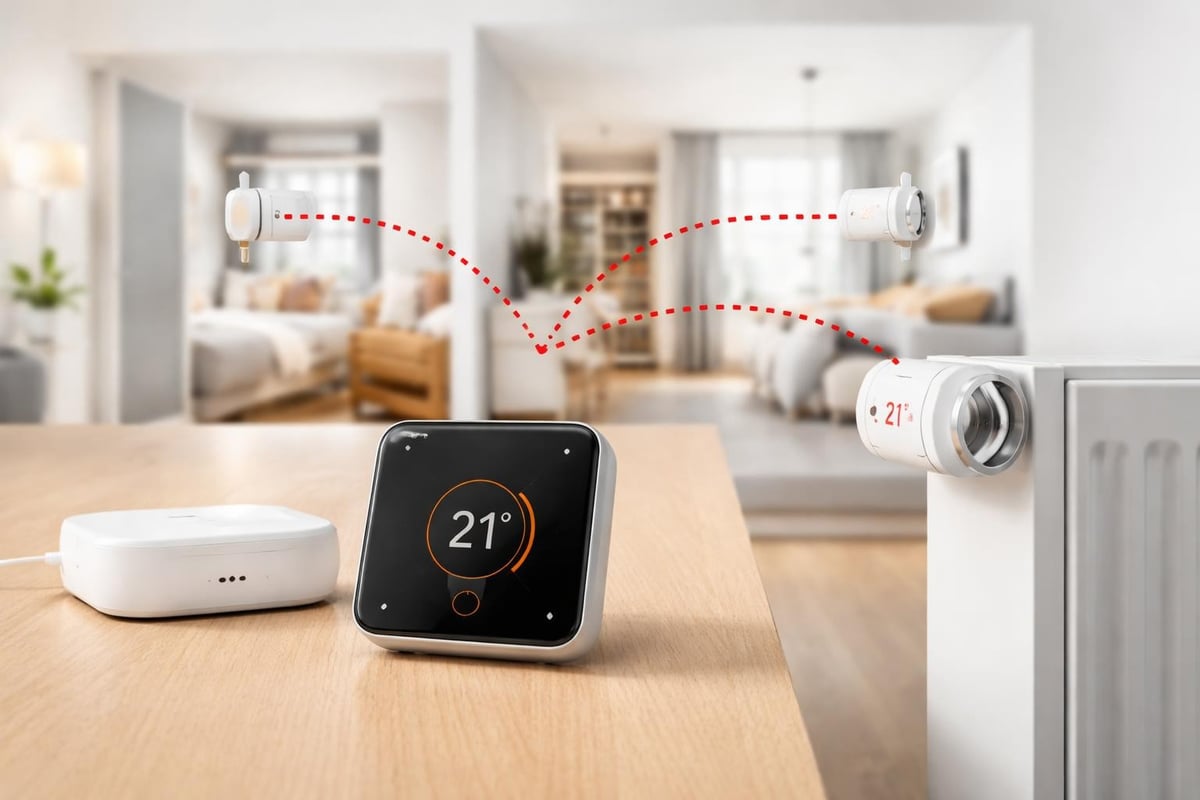
Many Kent properties feature Victorian or Edwardian construction with characteristics that challenge efficient heating. Solid walls, high ceilings, and original windows can create temperature variations between rooms and floors. Whilst the standard hive smart thermostat controls whole-house temperature, adding smart TRV valves to individual radiators enables room-by-room control that addresses these challenges.
This zoned approach prevents overheating well-insulated modern extensions whilst ensuring adequate warmth reaches colder original sections. It also allows reducing temperatures in rarely-used rooms without affecting primary living spaces, maximizing efficiency without compromising comfort.
Comparing Against Alternative Systems
The smart thermostat market offers numerous options, each with distinct strengths and limitations. Understanding how the hive smart thermostat compares helps homeowners make informed decisions aligned with their specific needs and circumstances.
Market Position and Competitors
Within the UK market, Hive competes primarily against systems like Nest, Tado, and Honeywell. According to comparative reviews, Hive distinguishes itself through its British design heritage, extensive UK customer support, and integration with British Gas services for those who value that ecosystem.
Nest thermostats offer learning algorithms that automatically adapt to household patterns, whilst Tado provides more sophisticated geofencing and weather adaptation features. Honeywell systems, such as the X2S model, often appeal to those prioritizing traditional thermostat aesthetics with smart capabilities.
| Feature | Hive | Nest | Tado | Honeywell |
|---|---|---|---|---|
| UK Customer Support | Excellent | Good | Good | Excellent |
| Learning Capability | Manual | Automatic | Hybrid | Manual |
| Weather Adaptation | Basic | Good | Excellent | Basic |
| Multi-zone Control | Via add-ons | Limited | Native | Via add-ons |
| Typical Cost | £180-£250 | £200-£220 | £180-£200 | £150-£250 |
The Tech Advisor review of the Hive Thermostat Mini highlights the compact variant's advantages for smaller properties or those preferring understated design. This version maintains full functionality whilst occupying less wall space, though some users find the smaller display less readable from distance.
Decision Factors for Kent Properties
Local considerations influence which system best serves specific households. Properties already equipped with British Gas services might benefit from Hive's seamless integration, particularly if combining thermostat installation with boiler replacement in Rochester or surrounding areas.
Households valuing local professional support for both installation and ongoing maintenance find advantages in choosing systems well-supported by regional heating engineers. Established Kent-based companies with Gas Safe registered engineers typically maintain expertise across popular platforms, though familiarity with specific systems varies.
Troubleshooting Common Issues
Like any connected technology, the hive smart thermostat occasionally experiences problems requiring troubleshooting. Understanding common issues and their solutions helps homeowners maintain reliable operation and minimize disruption to comfort.
Connectivity and Communication Problems
The most frequent complaints involve connectivity between components or with the cloud service. These issues typically stem from WiFi network problems rather than device faults. Ensuring the receiver hub maintains strong router connection proves essential for reliable operation.
Common connectivity solutions include:
- Repositioning the receiver closer to your WiFi router
- Updating router firmware to latest versions
- Checking for interference from other wireless devices
- Verifying home internet connection remains stable
- Rebooting both the hub and thermostat display
When connectivity problems persist despite these measures, contacting Hive customer support often identifies account or service-level issues. Their technical team can remotely diagnose many problems and push firmware updates that resolve bugs affecting specific device batches.
Heating Control Malfunctions
Occasionally homeowners report heating not responding to thermostat commands, either failing to activate when temperature drops below set points or continuing to run beyond target temperatures. These situations require systematic investigation to identify whether problems originate with the Hive system, the boiler itself, or the connection between them.
First steps involve verifying the receiver's LED indicators show proper boiler communication and checking that the boiler displays no error codes. If the Hive system appears functional but heating behavior remains incorrect, the issue likely lies within the boiler or existing controls. This scenario requires professional diagnosis from heating engineers familiar with both smart heating controls and conventional boiler systems.
Detailed installation guides provide technical troubleshooting steps for more complex scenarios, though homeowners should exercise caution with any procedures involving boiler wiring or gas connections. Gas Safe regulations require qualified engineers to perform work on gas appliances, making professional assistance essential for significant problems.
Maximizing Long-Term Performance
Achieving optimal results from the hive smart thermostat requires more than simple installation. Strategic use of its features, combined with broader heating system maintenance, ensures sustained efficiency and comfort throughout its operational life.
Optimizing Schedules and Settings
Initial setup typically involves creating basic schedules that match obvious patterns like work departures and returns. However, refined scheduling that accounts for nuanced household rhythms yields superior results. Analyzing the energy reports Hive provides reveals opportunities for adjustment that might not be immediately obvious.
For example, many homeowners discover they can reduce overnight temperatures more than initially comfortable attempting, as modern duvets and insulation maintain bedroom warmth effectively. Similarly, morning heating might start later than expected if analyzing reports shows the property retains heat well overnight.
Temperature setpoints themselves warrant consideration beyond simple comfort preferences. Each degree reduction in target temperature typically saves 8-10% on heating costs, making even modest adjustments financially significant. Finding the balance between comfort and economy becomes easier with Hive's fine-grained control and instant adjustment capability.
Integration With System Maintenance
Smart thermostats operate most effectively when paired with well-maintained heating systems. Annual boiler servicing ensures efficient fuel combustion and reliable response to control signals. Similarly, addressing issues like radiator cold spots through powerflushing improves heat distribution and system responsiveness.
The Hive system's detailed operation logs can assist engineers during service visits by providing data about heating patterns, cycle frequencies, and unusual behavior. This information helps identify developing problems before they cause breakdowns, supporting preventative maintenance approaches that extend equipment lifespan.
For properties with specific requirements like underfloor heating systems or unvented cylinders, ensuring the thermostat configuration matches these specialized installations proves essential. Professional heating engineers can verify settings align with manufacturer recommendations for optimal performance and safety.
The hive smart thermostat represents a practical investment for Kent homeowners seeking improved heating control, enhanced comfort, and reduced energy costs through intelligent automation and remote access capabilities. Whether you're planning a complete heating system upgrade or simply modernizing your existing setup, professional installation by experienced Gas Safe registered engineers ensures optimal performance and full warranty protection. The team at Castle Heating Kent brings over 20 years of experience installing and maintaining smart heating controls across Rochester, Gravesend, and surrounding areas, helping homeowners select and implement the perfect solution for their specific property requirements.

