
Smart TRV Valves Guide: Your 2026 Home Heating Companion
Efficient home heating is more crucial than ever as we head into 2026, with rising energy prices and growing environmental concerns shaping how we warm our homes. Smart TRV valves are transforming the way UK homeowners control their heating, offering precise, room-by-room comfort and impressive energy savings.
This guide will walk you through everything you need to know about smart TRV valves, from how they work to their benefits, installation tips, integration with your smart home, future trends, and expert buying advice. Discover how cutting-edge technology can boost your comfort, reduce your bills, and put you in complete control.
If you are ready to upgrade your heating and make your home smarter, this is the essential guide for you.
What Are Smart TRV Valves?
Efficient home heating is evolving rapidly, and at the heart of this transformation are smart TRV valves. These devices offer homeowners unprecedented control and efficiency. But what makes them different from traditional radiator valves, and how do they work within a modern smart home?

Understanding TRVs: Traditional vs Smart
Thermostatic Radiator Valves (TRVs) are essential components of radiator-based heating systems. They regulate the flow of hot water into individual radiators, allowing users to set different temperatures in each room. Traditionally, TRVs are either manual or standard thermostatic. Manual valves require users to adjust the temperature by hand, while standard thermostatic valves use a built-in sensor to maintain a set temperature.
The latest generation, smart TRV valves, builds on this foundation with advanced technology. Unlike their predecessors, smart TRV valves feature sensors and wireless connectivity. These enhancements enable precise temperature control in every room, often through an app or central hub. Homeowners can schedule heating, monitor usage, and even control their radiators remotely.
A key difference is the integration with smart home systems. For example, Kasa Smart TRVs connect seamlessly to home Wi-Fi, offering control from anywhere via a smartphone app. This kind of connectivity is a major reason for the growing adoption of smart TRV valves in UK homes.
In recent years, the evolution of heating controls has accelerated. From simple dials to intelligent, app-driven interfaces, the journey reflects a shift towards comfort, efficiency, and convenience. For a deeper dive into these innovations and how they fit into modern living, the Smart thermostatic radiator valves guide provides an excellent overview.
Data from industry reports show that more UK households are turning to smart heating controls, with adoption rates increasing annually. This trend is expected to continue as more people seek energy savings and personalised comfort.
To summarise, smart TRV valves bridge the gap between traditional heating and the smart home, offering a blend of convenience, efficiency, and future-proof technology.
Core Components and How They Work
At the heart of smart TRV valves are several key components working together to deliver intelligent heating. The main elements include the valve itself, integrated temperature sensors, and a wireless communication module. Together, these allow the device to monitor room temperature and adjust the radiator flow accordingly.
Smart TRV valves communicate either directly with a central smart hub or via Wi-Fi to a dedicated app. This means homeowners can control heating settings from their phone, tablet, or even through voice assistants. The process is seamless and designed for user convenience.
Most smart TRV valves are battery-operated, which makes installation straightforward. Battery life typically lasts from several months up to two years, depending on usage and model. Simple maintenance, such as battery replacement, ensures continuous performance without professional help.
Integration is a standout feature. Many smart TRV valves, such as the Matter-certified TP-Link KE100, work alongside smart thermostats and other connected devices. This integration allows for coordinated heating, energy optimisation, and advanced routines.
Security and privacy are also prioritised in modern smart TRV valves. Manufacturers include encrypted communication protocols and regular firmware updates to protect user data.
Industry data highlights the benefits of smart TRV valves, with potential energy savings of up to 30 percent on heating bills. This makes them an attractive choice for anyone seeking both comfort and cost efficiency.
In essence, smart TRV valves combine sophisticated components and intelligent connectivity, transforming ordinary radiators into dynamic, responsive elements of the smart home.
Benefits of Smart TRV Valves for Homeowners
Upgrading to smart TRV valves delivers a range of advantages for modern households. These innovative devices offer tailored comfort, tangible energy savings, and a positive environmental impact. Below, we explore the key benefits that make smart TRV valves a valuable investment for homeowners.

Enhanced Comfort and Zonal Heating
Smart TRV valves transform the way you experience warmth at home. By allowing precise, room-by-room temperature control, each family member can set their preferred environment. No more disagreements over the thermostat—every space becomes truly personalised.
Scheduling heating for different zones ensures rooms are warm only when needed. For instance, bedrooms can be cooler during the day and cosy at night. Living areas can maintain comfort during evenings, while unused rooms remain unheated. This flexibility suits changing routines and maximises comfort.
Consider a case study: a busy family reduces heating in unused guest rooms, resulting in a noticeable drop in energy use without sacrificing comfort elsewhere. With app and voice controls, adjusting settings is effortless, even from your sofa. Surveys of smart TRV valve users consistently report higher satisfaction and comfort levels compared to traditional systems.
Energy Efficiency and Cost Savings
One of the standout benefits of smart TRV valves is their ability to cut energy waste. By heating only occupied rooms, you avoid unnecessary consumption, leading to lower energy bills. Real-time monitoring and data-driven optimisation help identify further savings opportunities.
Many smart TRV valves integrate with weather forecasts and detect open windows, automatically adjusting output to prevent waste. For example, the Kasa app provides detailed energy usage reports, helping homeowners track efficiency over time. According to industry data, installing smart TRV valves can reduce heating bills by up to 30 percent. For more detailed information on these savings, see the Energy savings from smart TRVs.
The average UK household sees substantial returns within a few heating seasons. The combination of advanced features and practical controls makes smart TRV valves a cost-effective upgrade for any home.
Environmental Impact and Sustainability
Smart TRV valves contribute directly to a greener planet. By optimising heating and reducing waste, these devices lower your household’s carbon footprint. Energy is used only where and when needed, supporting the UK’s Net Zero 2050 targets.
Many models offer eco-modes and adaptive learning, further minimising unnecessary emissions. In eco-friendly new builds, smart TRV valves are often standard, helping to set the benchmark for sustainable living. Choosing this technology is a practical step towards a more environmentally responsible lifestyle.
The impact is measurable: lower energy use, reduced emissions, and a more efficient home. Smart TRV valves are not just a comfort upgrade—they are an investment in a sustainable future.
Choosing the Right Smart TRV Valves in 2026
Selecting the best smart trv valves for your home in 2026 requires careful consideration. With new technologies and more models on the market, understanding which features matter can make a real difference to your comfort and energy savings.
This section will walk you through the essential features, leading brands, and installation considerations for smart trv valves. Whether you are upgrading an existing system or fitting out a new build, making the right choice now ensures long-term value and efficiency.
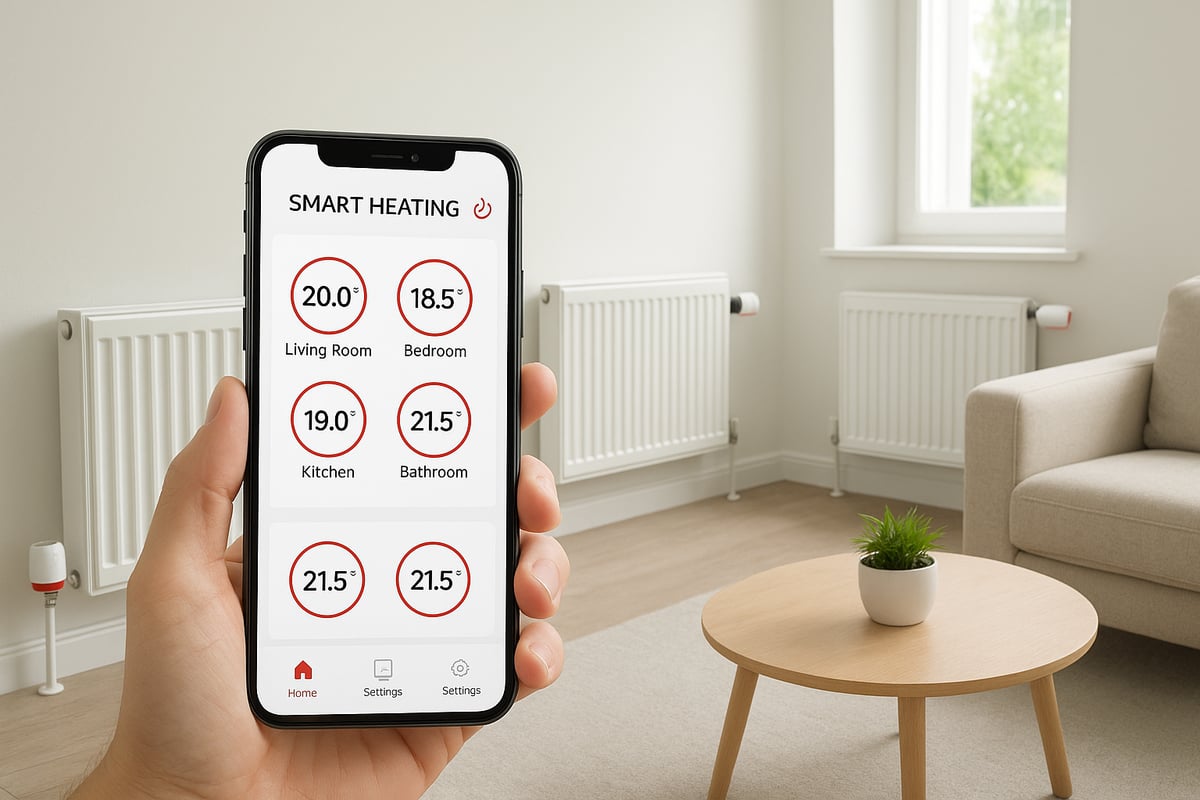
Key Features to Look For
When assessing smart trv valves, start by checking compatibility with your current heating system and radiator types. Most modern smart trv valves are designed to fit standard UK radiators, but it is wise to confirm before purchasing.
Wireless connectivity is crucial for remote management. Look for models supporting Wi-Fi, Zigbee, or the new Matter protocol for seamless integration with your existing smart home devices. Reliable wireless performance means you can adjust heating from anywhere using your phone.
App functionality is another deciding factor. The best smart trv valves offer intuitive apps that let you set schedules, monitor temperatures, and receive notifications. Integration with voice assistants such as Alexa and Google Home adds extra convenience.
Battery life should not be overlooked. Opt for smart trv valves with long-lasting batteries and simple replacement mechanisms. Some models feature low-battery alerts to prevent downtime.
A clear display and manual override allow for on-the-spot adjustments if your Wi-Fi is down or guests are visiting. For example, the Kasa KE100 offers both a digital display and easy manual controls, positioning it as a leader among smart trv valves.
Create a checklist to compare your options:
- Compatibility with heating system
- Wireless protocol (Wi-Fi, Zigbee, Matter)
- App features and voice control
- Battery life and alerts
- Display and manual override
By focusing on these essentials, you will narrow down the smart trv valves that best suit your lifestyle.
Popular Brands and Models
The smart trv valves market in the UK is dominated by a handful of trusted brands, each offering unique benefits. TP-Link Kasa, Tado, Honeywell, and Drayton are among the top choices in 2026.
TP-Link Kasa’s KE100 stands out for its robust app and easy integration with smart home platforms. Tado is praised for its advanced geofencing and weather-adaptive features. Honeywell offers reliable performance and compatibility with a wide range of heating systems, while Drayton’s Wiser range is known for affordability and straightforward installation.
Here is a quick comparison of leading models:
| Brand | Model | Wireless Protocol | App Integration | Notable Feature |
|---|---|---|---|---|
| TP-Link | Kasa KE100 | Wi-Fi, Matter | Alexa, Google Home | Digital display |
| Tado | Smart TRV | Wi-Fi | Apple HomeKit, Alexa | Geofencing |
| Honeywell | Evohome TRV | Zigbee, Wi-Fi | Evohome App | Multi-zone support |
| Drayton | Wiser TRV | Zigbee | Wiser App | Value bundles |
Starter kits and multipacks are widely available, making it cost-effective to upgrade several radiators at once.
Customer ratings in 2026 show TP-Link and Tado leading in satisfaction, while Drayton appeals to budget-conscious buyers. For more on how the market is evolving and which brands are gaining ground, see this Market trends in smart TRVs report.
By comparing features and user feedback, you can find smart trv valves that deliver both innovation and reliability.
Installation Requirements and Considerations
Installing smart trv valves can be a straightforward DIY task or a job for a professional, depending on your confidence and experience. Most models come with detailed guides and video tutorials, making self-installation more accessible than ever.
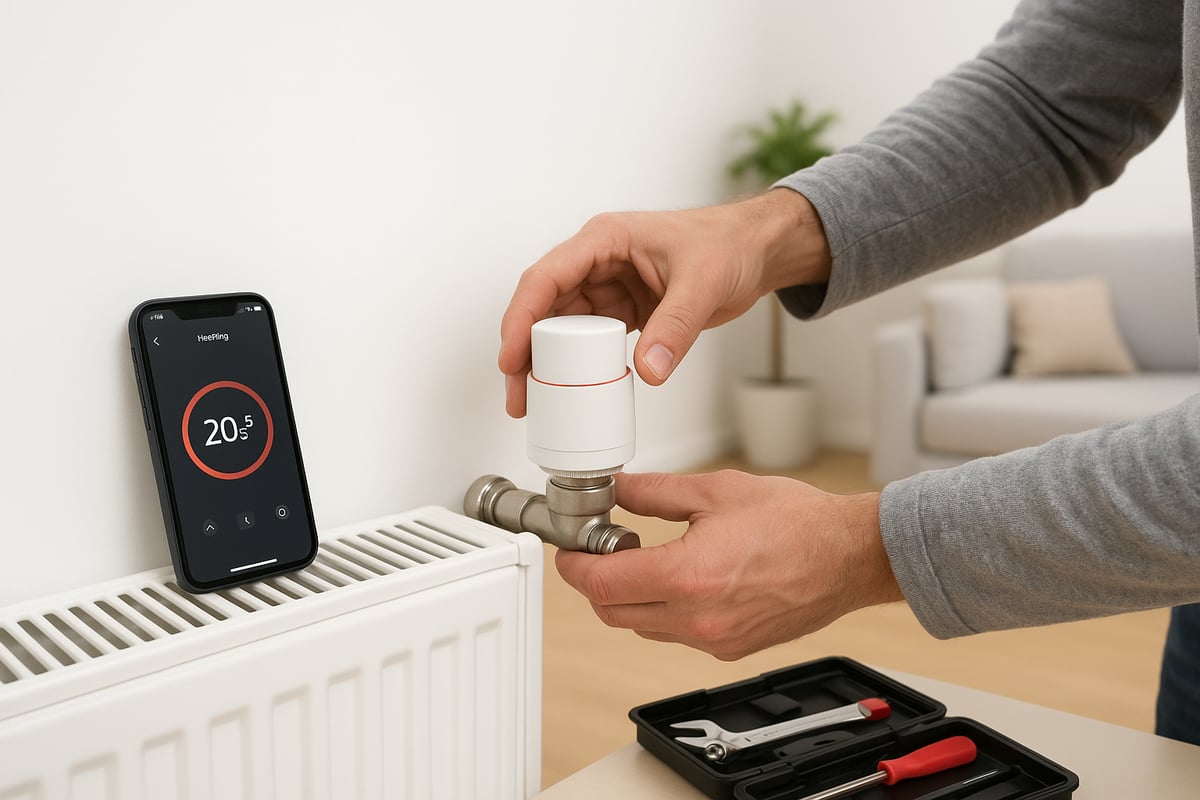
Before starting, gather the necessary tools, such as an adjustable spanner and a cloth for catching drips. Always check the manufacturer’s instructions for your specific smart trv valves.
A typical installation involves unscrewing the old valve, fitting the new smart trv valve, and ensuring a snug seal. Most smart trv valves can be installed in about 10–15 minutes per radiator.
Manual calibration may be needed to ensure accurate temperature readings. Once fitted, connect the smart trv valves to your home Wi-Fi or hub using the app, then assign each to its room or zone.
Recent surveys show that around 60% of UK homeowners opt for DIY installation, while the remainder prefer professional support for peace of mind. If you are unsure, consider starting with one radiator to test the process before committing to a full home upgrade.
By planning ahead and following best practices, you can enjoy the benefits of smart trv valves with minimal hassle.
Step-by-Step Guide: Installing and Setting Up Smart TRV Valves
Upgrading to smart trv valves is a practical way to modernise your home heating system. Proper installation ensures you get the most from your investment, improving comfort, efficiency, and control. This guide walks you through every step, from planning to optimisation, so you can confidently set up your smart trv valves for peak performance.
Preparation and Planning
Before installing smart trv valves, assess your current radiators for compatibility. Most modern radiators will accept smart trv valves, but always check manufacturer guidelines for your model. Gather essential tools like an adjustable spanner, PTFE tape, and a small towel for any water drips.
Familiarise yourself with the installation steps by reviewing the instructions provided with your smart trv valves. Plan your heating zones and decide which rooms will benefit most from individual temperature control. For a comprehensive overview of smart heating controls, read Smart heating controls explained.
Removing Old Valves and Fitting Smart TRVs
Turn off your heating and allow all radiators to cool before starting. Carefully remove the existing manual or standard TRV by loosening the securing nut with an adjustable spanner. Protect the area with a towel in case a small amount of water escapes.
Next, fit the smart trv valves by screwing them onto the radiator body, ensuring a snug and leak-free connection. Use PTFE tape for a secure seal if recommended. Align the display or control interface for easy access, and follow the manufacturer’s guidance for initial calibration.
Connecting to Hubs and Apps
Once all smart trv valves are installed, power them up with fresh batteries. Most models will enter pairing mode automatically. Follow the app instructions to connect each valve to your central hub or Wi-Fi network.
Download the relevant app, such as the Kasa Smart app, and create an account if required. Assign each smart trv valve to its respective room or zone within the app. This allows you to control temperatures individually and set up personalised heating profiles with ease.
Calibration, Testing, and Troubleshooting
Initiate the calibration cycle for each smart trv valve using the app or the device’s onboard controls. This process ensures accurate temperature readings and smooth valve operation.
Test each valve by adjusting the setpoint and confirming the radiator responds as expected. Check for leaks at the connection points. If you encounter issues with connectivity or battery errors, consult the troubleshooting section of your manual or seek support from the manufacturer’s website.
Scheduling and Optimisation
With your smart trv valves fully installed and calibrated, set up heating schedules tailored to your daily routine. Use the app to assign different temperatures to specific times of day, reducing heating when rooms are unoccupied.
Many smart trv valves offer advanced features such as open window detection, geofencing, and integration with weather data. Experiment with automation settings to maximise comfort and energy savings. Review usage reports in the app to monitor performance and identify further optimisation opportunities.
Integrating Smart TRVs with Your Smart Home Ecosystem
Smart trv valves have rapidly evolved to become a core component of the modern connected home. Seamless integration with other smart devices not only boosts efficiency but also elevates comfort and control. In this section, we explore how to connect, automate, and protect your smart heating setup.
Compatibility and Connectivity
Smart trv valves are designed to work alongside a range of smart home technologies. Most models communicate via Wi-Fi, Zigbee, or the new Matter protocol, making them compatible with leading hubs and platforms.
Integration with smart thermostats and sensors allows for intelligent, automated heating. For instance, when paired with a compatible thermostat, smart trv valves can adjust each radiator based on real-time room data. Voice assistants such as Alexa, Google Assistant, and Apple HomeKit add another layer of convenience, enabling hands-free temperature changes.
Consider a routine where leaving the house triggers your smart trv valves to lower heating across all rooms. This level of connectivity not only saves energy but also fits effortlessly into daily life. For a deeper dive into how smart trv valves enhance energy management through home automation, see Smart TRVs and home automation.
Automation and Advanced Features
With smart trv valves, custom automations become simple to set up. Geofencing uses your phone’s location to activate heating only when someone is home, while open window detection pauses heating if a window is detected as open, preventing wasted energy.
Platforms like IFTTT allow you to build tailored routines. For example, you can create an automation that lowers heating in home offices during holidays or intensifies warmth in bedrooms during cold snaps. These advanced features provide flexibility, ensuring your heating always matches your lifestyle.
The result is smarter energy use, less manual adjustment, and a tailored environment for every member of the household. Smart trv valves make it easy to embrace this level of automation.
Security and Privacy Considerations
As with any connected device, security is paramount for smart trv valves. Look for models that offer encrypted communication, secure pairing, and robust privacy controls. Regular firmware updates from reputable manufacturers will keep your devices protected against emerging threats.
Consumers have voiced concerns about data privacy and unauthorised access. To address this, always use strong passwords, enable two-factor authentication if available, and register your devices with the manufacturer for prompt support.
Best practices include keeping your smart trv valves on a secure Wi-Fi network and monitoring access permissions. By following these steps, you can enjoy the benefits of a connected home while keeping your data and system safe.
Future Trends: The Evolution of Smart TRV Valves by 2026 and Beyond
The landscape of home heating is changing rapidly as smart trv valves become more advanced and accessible. In 2026 and beyond, homeowners can expect significant improvements in intelligence, integration, sustainability, and usability. Let us explore the most important trends shaping the future of smart trv valves and what they mean for your home comfort and energy efficiency.
Advancements in AI and Machine Learning
Artificial intelligence is becoming central to the next generation of smart trv valves. These devices are now using machine learning to analyse household routines, predict occupancy, and adjust heating schedules automatically. Imagine your radiators pre-warming rooms just before you arrive home, or lowering temperatures when you leave, all without manual input.
Self-learning algorithms can adapt to changes in your lifestyle, holidays, or even remote working patterns. Over time, smart trv valves improve their accuracy, offering both enhanced comfort and energy savings. Some systems integrate weather forecasts, adjusting heating in anticipation of colder spells or sunny afternoons. This level of automation means your system works efficiently in the background, creating a seamless experience for every household member.
Integration with Renewable Energy and Smart Grids
A major trend for smart trv valves is their ability to work alongside renewable energy sources and participate in smart grid programmes. By connecting with solar panels or heat pumps, these valves help optimise when and how your home is heated, using cleaner, locally generated power where possible.
Smart trv valves are also starting to respond to real-time electricity pricing and demand response signals. This means your heating can be automatically reduced during peak demand periods or increased when energy is cheaper and greener. For example, if your utility offers dynamic tariffs, your smart trv valves can help you save money by heating rooms when rates are low. This integration is a key driver for the future of sustainable home heating.
Sustainability and Regulatory Changes
Sustainability is at the heart of future heating strategies. New regulations in the UK are pushing for higher energy efficiency standards in residential buildings. Smart trv valves contribute directly to these goals by reducing energy waste and supporting the nation’s Net Zero 2050 ambitions.
Industry studies suggest that smart trv valves can cut heating bills by up to 30 percent. You can read more in this EU study on TRV energy savings, which highlights the impact of advanced heating controls. As building codes evolve, it is likely that smart trv valves will become a standard feature in both new builds and retrofits. This shift will accelerate market growth and make energy-efficient heating accessible to more homeowners.
Enhanced User Experience and Accessibility
The user experience of smart trv valves is becoming more intuitive and inclusive. Modern apps offer clearer interfaces, voice control, and personalised recommendations. These improvements make it easier for everyone to manage their heating, from tech-savvy users to the elderly or those with disabilities.
Accessibility features, such as large text, high-contrast displays, and voice-guided setup, are becoming standard. Leading brands are investing in user research to ensure that smart trv valves can fit seamlessly into any household. This focus on usability means that the benefits of smart heating technology will reach a wider audience, supporting comfort and independence for all.
Looking ahead, smart trv valves are set to play a pivotal role in the connected, sustainable homes of the future. Their evolution is driven by innovation, regulation, and the growing demand for both comfort and efficiency.
Buying Advice: Getting the Best Value from Smart TRV Valves
Selecting the right smart trv valves for your home requires careful consideration. Start by assessing how many radiators you have, the number of heating zones you want to control, and your typical usage patterns. This helps determine the quantity and type of smart trv valves you’ll need.
When comparing options, it’s wise to weigh the initial investment against potential long-term savings. Smart trv valves can deliver significant reductions on energy bills, especially when used alongside smart thermostats. For a deeper dive into feature compatibility, see the features available on smart thermostats.
Look out for:
- Starter kits or multi-pack bundles for cost savings.
- Compatibility with your existing heating system and smart home devices.
- User-friendly apps and regular software updates.
Warranty and ongoing support are also vital. Choose brands that offer clear warranties, responsive customer service, and reliable update policies to keep your system secure and efficient.
Here’s a quick comparison table to help guide your decision:
| Criteria | What to Check | Why It Matters |
|---|---|---|
| Compatibility | Works with your radiators | Avoids costly returns |
| Connectivity | Wi-Fi, Zigbee, or Matter | Ensures smart home integration |
| Battery Life | Replaceable/long-lasting | Reduces maintenance hassle |
| App Features | Scheduling, remote control | Maximises energy savings |
To future-proof your investment, look for models supporting emerging standards and regular firmware updates. This ensures your smart trv valves will remain compatible with new devices and evolving smart home platforms.
Finally, customer satisfaction surveys suggest households that research and compare features before buying report higher comfort and savings. Avoid common pitfalls by reading user reviews and only purchasing from trusted suppliers.
Upgrading your home heating with smart TRV valves is a fantastic way to boost comfort, cut energy bills, and future proof your property for years to come. If you’re ready to enjoy tailored warmth in every room and want expert guidance from a trusted local team, you don’t have to go it alone. Castle Heating Kent has been helping homeowners across Kent, from Rochester to Gravesend, stay warm and energy efficient with professional heating solutions since 2010. For reliable advice, seamless installation, and ongoing support, why not take the next step and Keeping Homes in and around kent Warm, Dry & Flowing Book with castle heating kent?

