
Hive TRV: Smart Radiator Control for Kent Homes
Smart home technology has revolutionised how homeowners manage their heating systems, and the hive trv (thermostatic radiator valve) sits at the forefront of this innovation. These intelligent devices allow you to control the temperature of individual rooms remotely, reducing energy waste whilst maintaining optimal comfort throughout your home. For Kent homeowners looking to modernise their heating systems without replacing their entire boiler setup, Hive TRVs offer an accessible entry point into smart heating control that integrates seamlessly with existing central heating installations.
Understanding Hive TRV Technology
The hive trv transforms traditional radiator control by replacing standard manual valves with intelligent, app-controlled alternatives. Unlike conventional thermostatic radiator valves that rely solely on mechanical temperature sensing, these smart devices connect to your home's Wi-Fi network and communicate with the Hive ecosystem.
Each valve contains precision sensors that monitor room temperature continuously, adjusting water flow through the radiator to maintain your desired setting. The technology enables you to set different temperatures for different rooms, creating heating zones that reflect how you actually use your home.
How Smart Radiator Valves Work
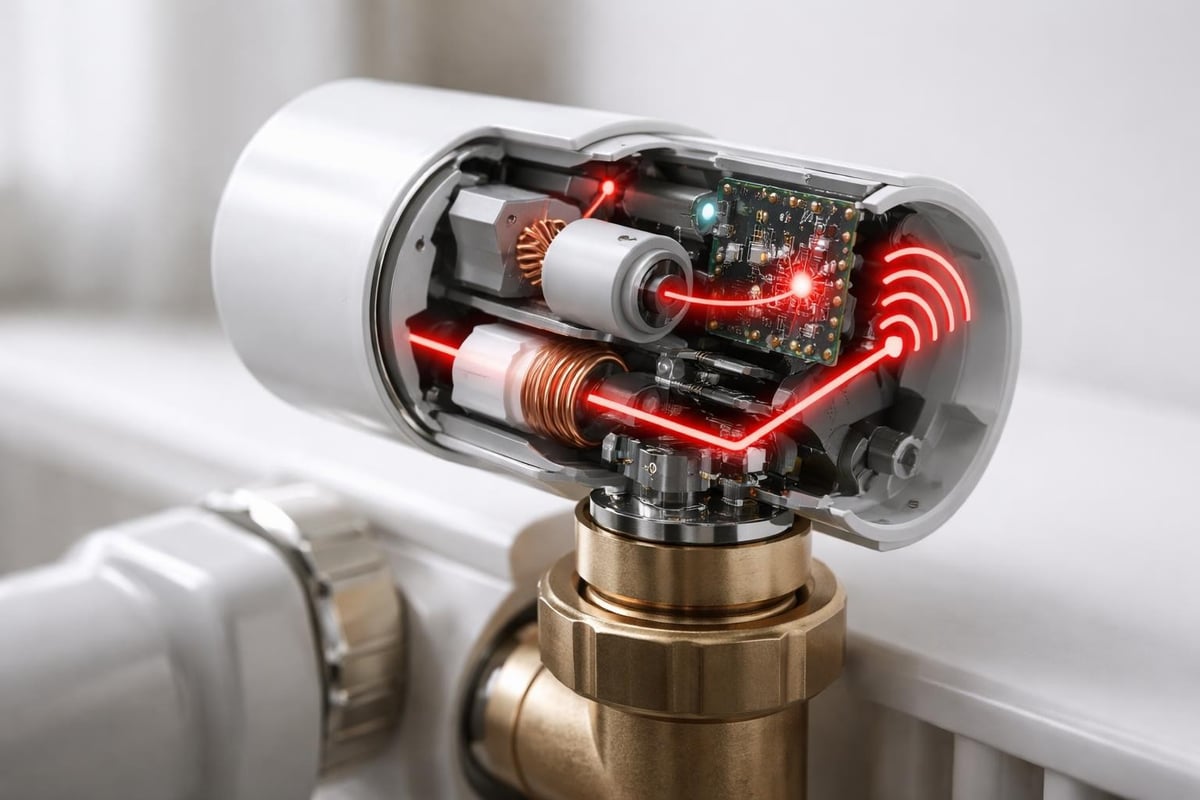
Smart TRVs operate on a straightforward principle that combines traditional thermostatic valve mechanics with digital control. The valve head contains a motorised actuator that extends or retracts a pin, controlling the flow of hot water from your heating system into the radiator.
When you set a target temperature through the Hive app, the valve continuously compares the actual room temperature against your preference. If the room becomes too warm, the actuator closes the valve partially or completely. When temperatures drop, it opens to allow more hot water through.
Key components include:
- Temperature sensor for accurate room monitoring
- Motorised actuator for precise valve control
- Wireless radio for communication with the Hive Hub
- Battery compartment (typically requiring AA batteries)
- Manual override capability for emergency adjustments
The Hive TRV installation manual provides comprehensive guidance on setting up these components correctly.
Benefits of Installing Hive TRVs in Your Kent Home
Implementing smart radiator control delivers tangible advantages for homeowners across Rochester, Gravesend, and surrounding areas. These benefits extend beyond simple convenience to encompass energy efficiency, cost savings, and enhanced comfort.
Energy Efficiency and Cost Reduction
The primary appeal of the hive trv lies in its ability to eliminate heating waste. Traditional heating systems heat every radiator to the same level, regardless of whether rooms are occupied or require warmth. Smart valves address this inefficiency directly.
By setting lower temperatures in guest bedrooms, hallways, and storage areas whilst maintaining comfort in living spaces, households typically reduce heating consumption by 15-30%. This translates to meaningful savings on energy bills, particularly during Kent's cold winter months.
| Room Type | Traditional Setting | Smart TRV Setting | Potential Savings |
|---|---|---|---|
| Living Room | 20°C (all day) | 21°C (6pm-11pm), 16°C (other times) | 25% |
| Bedroom | 20°C (all day) | 18°C (10pm-7am), 16°C (other times) | 30% |
| Bathroom | 20°C (all day) | 22°C (6am-9am, 6pm-10pm), 16°C (other times) | 35% |
| Hallway | 20°C (all day) | 16°C (constant) | 40% |
Professional heating engineers who offer smart heating controls can help optimise your system for maximum efficiency.
Enhanced Comfort and Convenience
Beyond financial benefits, Hive TRVs deliver exceptional comfort control. Each family member can set their preferred bedroom temperature, whilst communal spaces adjust automatically based on occupancy patterns and time of day.
The smartphone app allows you to make adjustments from anywhere. Returning home early? Increase temperatures remotely before you arrive. Unexpectedly staying late at work? Reduce heating to save energy without leaving your home uncomfortably cold.
Convenience features include:
- Schedule creation for weekday and weekend patterns
- Geofencing to detect when you leave or return home
- Voice control through Amazon Alexa and Google Assistant
- Holiday mode for extended absences
- Multi-user access for family members
Installation and Compatibility Considerations
Before purchasing Hive TRVs, homeowners must verify compatibility with their existing radiator valves and heating systems. Most standard radiators in UK properties accept these smart valves, but exceptions exist.
Checking Your Radiator Compatibility
The hive trv fits radiators with M30 x 1.5mm valve threads, which represents the overwhelming majority of UK radiator installations. However, some older radiators or specialist systems may use different connection types.
Hive TRV compatibility guidance helps homeowners determine whether their radiators are suitable before making a purchase. The assessment involves checking the existing valve head size, thread type, and radiator positioning.
Properties with underfloor heating zones or electric radiators cannot use standard Hive TRVs, as these systems operate on different principles. For comprehensive heating solutions, consider consulting specialists in central heating installation who can recommend appropriate smart controls for your specific setup.
Professional vs DIY Installation
Whilst the hive trv is designed for homeowner installation, the process requires careful attention to avoid damage. The installation doesn't involve draining the heating system or working with water pipes, making it less risky than many plumbing tasks.
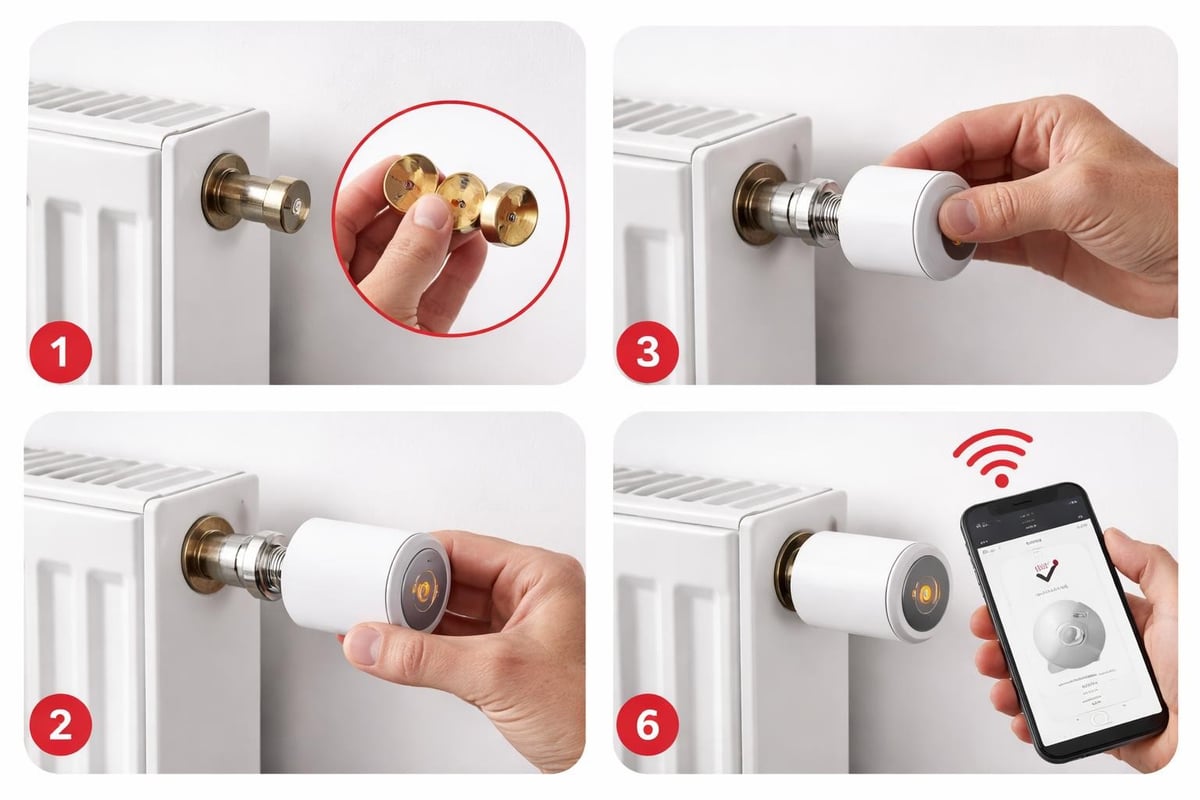
Installation steps overview:
- Remove the existing thermostatic valve head
- Clean the valve thread thoroughly
- Attach the appropriate Hive adapter for your valve type
- Secure the Hive TRV head onto the adapter
- Insert batteries and follow the in-app pairing process
- Configure temperature settings and schedules
Gas Safe registered engineers who provide boiler installation services often offer smart control fitting as an additional service, ensuring correct setup and optimal system integration.
Integrating Hive TRVs with Your Heating System
The hive trv operates most effectively when integrated with a broader Hive heating ecosystem, though it can function as a standalone device. Understanding how these components work together helps homeowners maximise their investment.
System Architecture and Communication
Each Hive TRV communicates wirelessly with the Hive Hub, which connects to your home's internet router. The Hub serves as the central communication point, relaying commands from your smartphone to the valves and receiving temperature data in return.
When you adjust settings through the app, the command travels via the internet to Hive's cloud servers, then back to your Hub, which transmits the instruction to the specific TRV. This process typically completes in seconds, though network issues can occasionally cause delays.
Working Alongside Your Boiler Thermostat
A common question concerns how the hive trv interacts with the main boiler thermostat. These devices work in harmony rather than conflict, with the boiler thermostat controlling whether the heating system operates whilst individual TRVs determine which rooms receive heat.
For optimal performance, set your main thermostat (whether traditional or smart) to a temperature slightly higher than your warmest room's target. This ensures the boiler fires when any room requires heating. The Hive Active Heating thermostat offers particularly seamless integration, as explored in this TechRadar review.
Properties with traditional boilers may benefit from boiler service to ensure compatibility with smart controls and optimal system efficiency.
Real-World Performance and User Experience
Long-term user experiences reveal both the strengths and limitations of the hive trv system. Understanding these practical considerations helps set realistic expectations.
Temperature Accuracy and Response Times
Independent testing and user reports, including this detailed 18-month Hive TRV review, indicate that these valves typically maintain room temperatures within 0.5°C of target settings. However, several factors influence accuracy:
The physical placement of the valve affects readings. TRVs mounted on radiators beneath windows or near external walls may show different temperatures than the room's centre. Large rooms or those with poor air circulation can experience temperature variations that single-point sensing cannot address.
Response times vary based on radiator size and room characteristics. Small radiators in compact rooms respond quickly, often reaching target temperatures within 15-20 minutes. Larger spaces with substantial radiator requirements may take 45 minutes or longer, particularly when heating from cold.
Battery Life and Maintenance
Each hive trv operates on two AA batteries, with typical lifespan ranging from 12-24 months depending on usage patterns. Frequent temperature adjustments drain batteries faster than stable settings.
The Hive app provides battery level notifications, giving adequate warning before replacement becomes urgent. Some users report prematurely exhausted batteries, often traced to poor wireless signal requiring increased transmission power.
Maintenance considerations:
- Annual battery replacement recommended
- Periodic valve cleaning to prevent limescale buildup
- Seasonal valve exercising (full open and close cycles)
- Wireless signal strength monitoring
- Firmware updates through the Hive app
Troubleshooting Common Hive TRV Issues
Despite generally reliable operation, users occasionally encounter problems requiring diagnosis and resolution. Understanding common issues helps maintain consistent performance.
Connectivity and Offline Status
The most frequent complaint involves Hive TRVs going offline, losing connection with the Hub. This Hive Support troubleshooting guide outlines systematic diagnostic steps.
Wireless interference from other devices, thick walls between the TRV and Hub, or Hub placement issues typically cause connectivity problems. Moving the Hub to a more central location or adding a signal booster often resolves these challenges.
Power cycling both the affected TRV (removing and reinserting batteries) and the Hub resolves temporary communication glitches in many cases.
Valve Mechanical Issues
Occasionally, the motorised actuator fails to fully close or open the valve, resulting in rooms that remain too hot or cold regardless of settings. This can stem from limescale buildup on the valve pin, mechanical wear, or incorrect installation.
Removing the Hive head and manually operating the valve pin helps identify mechanical resistance. If the pin moves stiffly or sticks, the radiator valve itself requires attention rather than the smart head.
Professional heating engineers providing boiler repairs often encounter and resolve such mechanical valve issues alongside smart control problems.

Cost Analysis and Return on Investment
Evaluating whether the hive trv represents worthwhile investment requires examining upfront costs, ongoing expenses, and potential savings.
Initial Investment Requirements
Individual Hive TRVs typically retail for £45-60 per valve, with multipack bundles offering modest discounts. A typical three-bedroom home requires 8-10 valves for comprehensive control, representing an investment of £400-600.
Properties without existing Hive systems also need the Hive Hub (approximately £80-100) and potentially the Hive Active Heating thermostat (£180-220) for optimal integration. Total system costs thus range from £480-920 depending on property size and existing equipment.
| Component | Typical Cost | Notes |
|---|---|---|
| Single Hive TRV | £50 | Individual purchase |
| Hive TRV 4-pack | £180 | Better value per unit |
| Hive Hub | £90 | Required for system operation |
| Hive Active Heating | £200 | Optional but recommended |
| Professional fitting (per valve) | £20-40 | If not DIY installing |
Homeowners considering comprehensive heating system upgrades might explore finance options to spread costs alongside boiler replacements or other improvements.
Calculating Payback Period
Energy savings depend heavily on existing heating habits and property characteristics. Households that previously heated all rooms equally see the greatest benefits, potentially saving £200-350 annually on heating bills.
Well-insulated modern properties with efficient boilers achieve shorter payback periods (2-3 years) than poorly insulated older homes (4-6 years). However, even modest savings compound over the typical 10-15 year lifespan of smart TRVs.
Beyond direct financial returns, improved comfort and convenience hold value that pure cost analysis overlooks. The ability to wake to a warm bathroom whilst maintaining a cool bedroom overnight, for instance, represents quality-of-life enhancement beyond simple pounds saved.
Comparing Hive TRVs to Alternative Smart Heating Solutions
The smart heating market offers numerous alternatives, each with distinct advantages and limitations. Understanding how the hive trv compares helps homeowners make informed decisions.
Hive vs Competitors
Major alternatives include Tado smart radiator thermostats, Drayton Wiser valves, and Honeywell Evohome systems. Each employs similar fundamental technology but differs in ecosystem integration, features, and pricing.
Hive TRVs integrate seamlessly with British Gas services and benefit from extensive UK customer support infrastructure. This comparison of smart TRV valves explores various options suitable for Kent properties.
Tado offers marginally more sophisticated algorithms and geofencing capabilities, whilst Honeywell Evohome provides superior multi-zone control for larger properties. However, Hive typically costs less whilst delivering core functionality that satisfies most domestic requirements.
Standalone vs Whole-System Approaches
Some homeowners question whether smart TRVs alone suffice or whether complete smart heating system replacement delivers better value. The answer depends on existing equipment age and efficiency.
Properties with boilers approaching 15 years old might benefit from comprehensive upgrades combining new condensing boilers with integrated smart controls. Modern boilers installed within the past decade typically operate more efficiently with smart valve retrofits.
Specialists in heating conversions can assess whether your current system warrants complete replacement or strategic smart control additions.
Maximising Hive TRV Effectiveness
Proper configuration and usage patterns significantly impact the benefits delivered by your hive trv installation. Following best practices ensures optimal performance and maximum returns.
Optimal Temperature Scheduling
Creating effective schedules requires balancing comfort with efficiency. Research suggests most people sleep best in rooms between 16-18°C, whilst living spaces feel comfortable at 20-21°C during occupied periods.
Recommended temperature patterns:
- Bedrooms: 18°C from 10pm-7am, 16°C during day when unoccupied
- Living areas: 21°C during evening occupation (typically 5pm-11pm), 16°C overnight and when empty
- Bathrooms: 22°C during morning and evening routines, 16°C at other times
- Kitchen: 19°C during meal preparation times, 16°C overnight
- Home office: 20°C during working hours, 16°C evenings and weekends
Adjust these baselines according to personal preference, property insulation levels, and individual room characteristics. Regular review and refinement of schedules typically yields 5-10% additional savings over initial configurations.
Integration with Other Smart Home Devices
The hive trv works particularly effectively when integrated with other smart home technologies. Motion sensors can trigger heating activation when rooms become occupied, whilst door/window sensors automatically reduce heating when windows open for ventilation.
Voice assistants enable convenient temperature adjustments without accessing the app. Simple commands like "Alexa, set the bedroom to 18 degrees" provide hands-free control, particularly valuable for elderly users or those with mobility limitations.
Smart meter integration allows real-time energy consumption monitoring, helping homeowners understand the direct relationship between temperature settings and energy costs. This visibility often encourages more conservative heating habits that compound savings.
Future Developments in Smart Radiator Control
The technology underpinning the hive trv continues evolving, with manufacturers developing increasingly sophisticated features and capabilities for upcoming product generations.
Artificial Intelligence and Learning Algorithms
Next-generation smart valves will likely incorporate machine learning algorithms that automatically optimise schedules based on observed occupancy patterns, weather forecasts, and user preferences. Rather than manually creating schedules, systems will learn when you typically use each room and pre-emptively adjust temperatures.
Predictive heating reduces the delay between arriving home and achieving comfortable temperatures. By monitoring your location and historical patterns, future systems will begin warming specific rooms just before your expected arrival.
Enhanced Energy Monitoring
Improved sensors and analytics will provide room-by-room energy consumption data, identifying which spaces consume disproportionate heating and warranting insulation improvements or radiator upgrades. This granular information helps prioritise home efficiency investments for maximum impact.
Integration with dynamic electricity pricing (particularly relevant as time-of-use tariffs become more common) will enable systems to preferentially heat during lower-cost periods whilst maintaining comfort throughout the day.
Properties with modern heating systems may benefit from powerflushing to ensure clean systems operate efficiently with smart controls.
Hive TRV User Feedback and Customer Satisfaction
Real-world experiences from homeowners who have installed these smart valves provide valuable insights into long-term satisfaction and practical performance.
Positive User Experiences
Most users report high satisfaction with their hive trv installations, particularly praising the convenience of remote control and scheduling flexibility. The ability to adjust individual room temperatures without walking to physical thermostats represents meaningful quality-of-life improvement.
Energy bill reductions, whilst varying considerably between properties, consistently meet or exceed expectations for households that actively engage with schedule optimisation and zone control. Customer reviews frequently highlight these financial benefits alongside comfort improvements.
The Hive app receives particular praise for its intuitive interface and reliable operation, making smart heating accessible even to less technically-inclined users.
Common Criticisms and Limitations
Recurring complaints centre on battery life falling short of manufacturer claims, particularly in homes with poor wireless coverage requiring increased transmission power. Some users report replacing batteries every 6-8 months rather than the suggested 2-year interval.
Connectivity issues frustrate users, especially when valves unexpectedly go offline during cold weather. Whilst usually resolvable through troubleshooting, these interruptions undermine the "set and forget" simplicity that smart home devices promise.
The relatively high upfront cost deters some potential adopters, particularly in rented properties where tenants cannot recoup investment through property value increases.
System Expansion and Scalability
Starting with a small hive trv installation and expanding over time offers a practical approach for budget-conscious homeowners seeking smart heating benefits without major upfront investment.
Phased Implementation Strategy
Begin by installing smart valves in the rooms you use most frequently and where temperature control delivers greatest benefit. Living rooms, master bedrooms, and home offices typically warrant priority over guest rooms, hallways, and storage areas.
This approach allows you to evaluate performance and refine usage patterns before committing to whole-house coverage. As you become comfortable with the system and realise savings, gradually add valves to remaining radiators.
Recommended phased approach:
- Phase 1: Main living area and master bedroom (2-3 valves)
- Phase 2: Bathrooms and children's bedrooms (3-4 valves)
- Phase 3: Guest rooms, offices, and secondary spaces (2-4 valves)
- Phase 4: Hallways and less-used areas (1-2 valves)
Each phase allows budget spreading whilst delivering incremental benefits that build towards comprehensive zoned heating control.
Multi-Property Management
Landlords and property portfolio owners can manage multiple properties through a single Hive account, enabling remote monitoring and control across different locations. This capability proves particularly valuable for holiday lets or student accommodation requiring frequent schedule adjustments between occupancies.
Setting standard temperature schedules across similar properties streamlines management whilst allowing customisation for properties with different characteristics or tenant preferences.
For professional property management, engaging heating specialists who understand both smart heating controls and property maintenance ensures reliable operation and tenant satisfaction.
Technical Specifications and Requirements
Understanding the technical parameters of the hive trv helps ensure compatibility with your property's infrastructure and identifies any preparatory work required before installation.
Connectivity Requirements
Each Hive TRV requires a functioning Hive Hub connected to a broadband internet router with consistent connectivity. The Hub uses Zigbee wireless protocol (operating on the 2.4GHz frequency band) to communicate with valves, with theoretical range up to 30 metres.
Practical range in typical homes with walls and obstacles averages 10-15 metres. Properties with thick stone walls, metal-framed construction, or significant wireless interference may require multiple Hive signal boosters for reliable coverage.
Minimum system requirements:
- Broadband internet connection with router
- Hive Hub (included with Hive Active Heating or purchased separately)
- iOS 12.0/Android 6.0 or later for smartphone control
- 2.4GHz Wi-Fi network (5GHz not supported)
- UK standard M30 x 1.5mm radiator valve threads
Power and Battery Specifications
Each valve operates on two AA batteries (alkaline recommended) with typical service life of 18-24 months under normal conditions. Rechargeable batteries generally provide shorter life and are not recommended by the manufacturer.
The system provides low battery warnings through the app approximately 2-4 weeks before exhaustion, allowing convenient replacement without service interruption. Maintaining spare batteries ensures you can replace them immediately when notifications appear.
Cold environments and frequent temperature adjustments reduce battery life, whilst stable settings in temperate rooms extend duration beyond average expectations.
Smart radiator valves like the hive trv offer Kent homeowners an accessible path to improved heating efficiency, enhanced comfort, and meaningful energy savings without requiring complete system replacement. By enabling room-by-room temperature control, these devices eliminate heating waste whilst maintaining optimal conditions throughout your property. Whether you're considering a complete smart heating upgrade or simply want to modernise your existing system, Castle Heating Kent provides expert guidance on smart heating solutions, professional installation services, and ongoing support to ensure your system delivers maximum performance and efficiency for years to come.

