
Smart Controls for Heating: A Complete Guide for 2026
Modern heating technology has transformed how homeowners in Kent manage their domestic comfort and energy consumption. Smart controls for heating represent a significant advancement beyond traditional thermostats, offering intelligent automation, remote access, and detailed energy insights that help reduce bills whilst maintaining optimal comfort levels. For properties across Rochester, Gravesend, and surrounding areas, upgrading to intelligent heating management systems has become an increasingly practical investment, particularly as energy costs continue to rise and homeowners seek greater control over their consumption patterns.
Understanding Smart Heating Control Technology
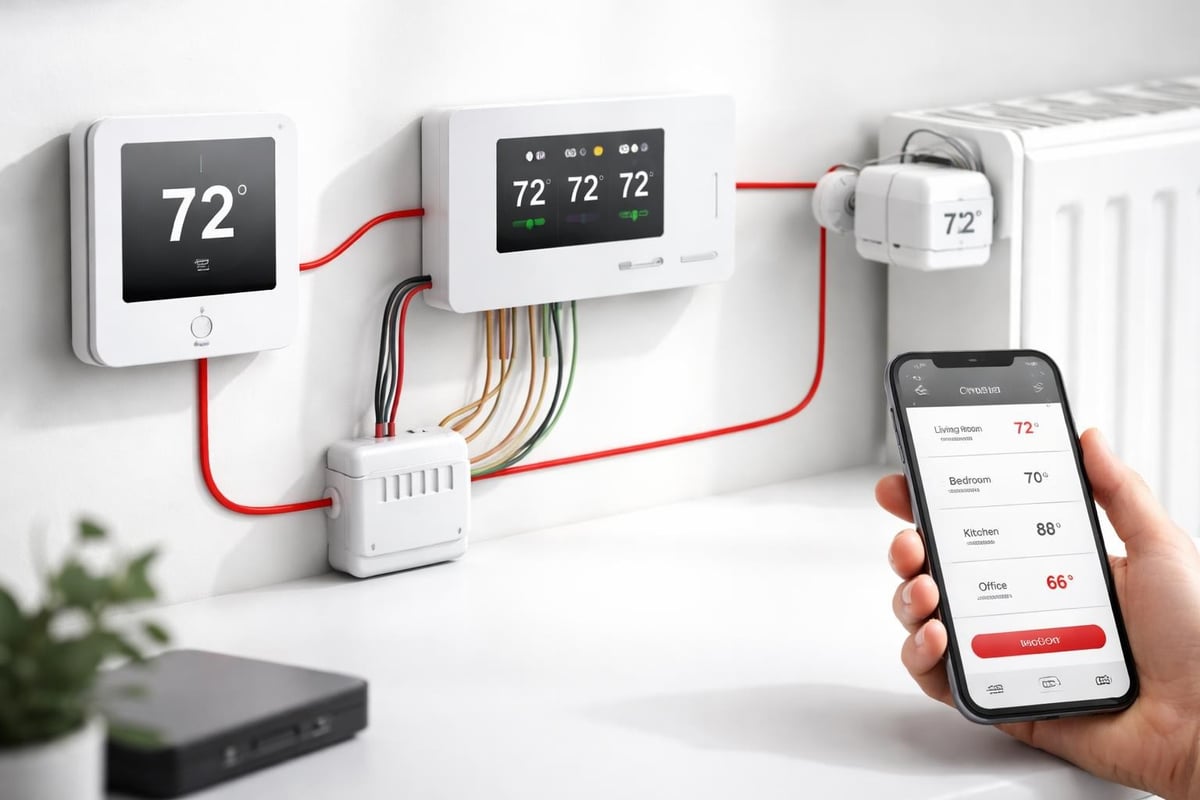
Smart controls for heating encompass a range of devices and systems that use internet connectivity, sensors, and learning algorithms to manage domestic heating more efficiently than conventional controls. These systems typically consist of a smart thermostat, wireless connectivity to your heating system, and smartphone applications that provide remote access and monitoring capabilities.
The fundamental difference between traditional and intelligent systems lies in their ability to adapt and learn. Whilst a conventional programmer simply turns heating on and off at preset times, smart heating controls analyse occupancy patterns, weather forecasts, and user preferences to optimise heating schedules automatically. This adaptive behaviour ensures comfort when needed whilst minimising energy waste during unoccupied periods.
Core Components and Functionality
Modern smart heating systems integrate several key technologies working in harmony:
- Intelligent thermostats that learn household routines and adjust temperatures accordingly
- Geolocation services that detect when residents leave or approach home
- Weather compensation algorithms that adjust heating based on external temperatures
- Zone control capabilities allowing different temperatures in separate rooms
- Energy monitoring dashboards providing detailed consumption insights
Research into residential smart thermostat usage demonstrates that households adopting these technologies typically achieve energy savings between 8% and 23%, depending on previous heating habits and property characteristics. The software-driven approach to heating management represents a fundamental shift in how domestic properties consume energy, as explored in studies examining how smart controls are reshaping home energy management.
Installation and Compatibility Considerations
Installing smart controls for heating requires careful assessment of your existing system to ensure compatibility and optimal performance. Most modern boilers installed after 2010 support smart control integration, though specific requirements vary depending on the heating system type and chosen smart control brand.
System Requirements for Different Boiler Types
| Boiler Type | Compatibility Considerations | Additional Requirements |
|---|---|---|
| Combi Boilers | Most compatible with standard controls | Single-zone wiring typically sufficient |
| System Boilers | Require hot water control capability | May need additional relay for cylinder |
| Heat Pumps | Need compatible OpenTherm protocol | Specialist controls recommended |
| Oil/LPG Boilers | Voltage compatibility essential | May require voltage adapter |
For homeowners considering boiler installation alongside smart controls, coordinating both upgrades simultaneously ensures optimal compatibility. Gas Safe registered engineers can assess your current system and recommend appropriate smart control solutions that integrate seamlessly with your heating infrastructure.
The physical installation process typically takes between two and four hours, depending on system complexity and whether zone controls are being added. Professional installation ensures correct wiring, proper configuration, and full system testing to guarantee reliable operation. Many insurance policies and manufacturer warranties specifically require professional installation to maintain coverage validity.
Popular Smart Heating Control Systems
The UK market offers numerous smart heating control options, each with distinct features, pricing structures, and compatibility requirements. Selecting the appropriate system depends on your specific needs, existing heating infrastructure, and desired functionality level.
Leading Smart Control Platforms
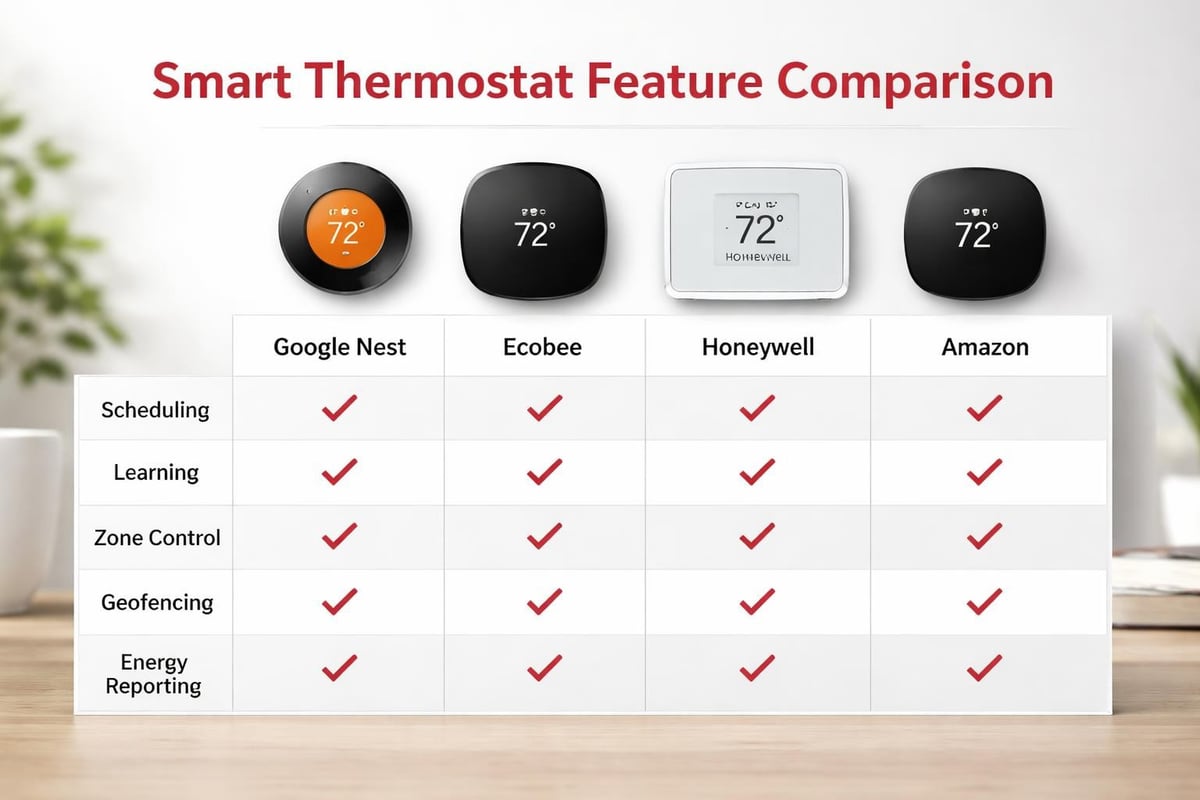
Nest Learning Thermostat remains one of the most recognised systems, featuring self-learning algorithms that adapt to household routines over approximately two weeks. Its minimalist design and intuitive interface appeal to homeowners seeking straightforward operation without extensive manual programming.
Hive Active Heating provides comprehensive control through an ecosystem of products including thermostats, smart TRV valves, and additional smart home devices. The system's strength lies in its zone control capabilities, allowing room-by-room temperature management for enhanced comfort and efficiency.
Tado Smart Thermostat excels in geofencing technology, automatically adjusting heating based on smartphone location data. The system's weather adaptation algorithms continuously optimise heating schedules, whilst detailed energy reports help users understand consumption patterns. Information about Tado boiler control demonstrates how this system integrates with various boiler types.
- Honeywell Home T6 offers reliable performance with strong OpenThumb compatibility
- Drayton Wiser provides excellent multi-zone capabilities with individual room control
- Worcester Bosch Wave integrates seamlessly with Worcester heating systems
- EPH Ember delivers budget-friendly smart control without subscription fees
Comparative analysis from reviews of top smart heating controls highlights that whilst premium systems offer advanced features, mid-range options frequently provide sufficient functionality for typical domestic properties.
Energy Savings and Efficiency Benefits
The primary motivation for installing smart controls for heating centres on reducing energy consumption and lowering heating bills. Government research into smarter heating controls indicates substantial potential savings, though actual results vary based on property characteristics and previous heating management practices.
Properties previously using basic on/off timers typically achieve greater savings than those already employing programmable thermostats. The enhanced savings stem from several intelligent features that traditional controls cannot provide.
Key Energy-Saving Mechanisms
Adaptive learning algorithms observe when residents require heating and gradually refine schedules to eliminate unnecessary operation periods. Rather than heating empty homes, these systems ensure warmth arrives precisely when needed, reducing wasted energy during unoccupied hours.
Weather compensation continuously monitors external temperatures and adjusts heating output accordingly. On milder days, the system reduces boiler firing whilst maintaining comfortable internal temperatures, optimising fuel consumption without manual intervention.
Zone control implementation prevents heating unused rooms, directing thermal energy only where required. Households with multiple zones frequently report savings exceeding 15% compared to whole-house heating approaches. Studies examining smart thermostats and HVAC integration confirm that zone control represents one of the most effective efficiency improvements available.
Market analysis suggests smart heating controls impact on domestic energy consumption will continue growing as adoption increases. For Kent homeowners concerned about rising energy costs, intelligent heating management provides measurable financial benefits alongside improved comfort control.
Advanced Features and Integration Capabilities
Beyond basic temperature scheduling, modern smart controls for heating incorporate sophisticated features that enhance both convenience and efficiency. Understanding these advanced capabilities helps homeowners maximise their investment whilst enjoying improved heating management.
Voice Control and Smart Home Integration
Contemporary smart heating systems integrate with popular voice assistants including Amazon Alexa, Google Assistant, and Apple HomeKit. This integration enables hands-free temperature adjustments through simple voice commands, eliminating the need to locate smartphones or physically adjust thermostats.
Integration with broader smart home ecosystems creates powerful automation possibilities:
- Window sensors can automatically reduce heating when windows open
- Smart lighting coordinates with heating schedules for occupied rooms
- Security systems can activate frost protection mode when properties are unoccupied
- Energy monitoring platforms aggregate heating data with other consumption metrics
Research into deep reinforcement learning algorithms for heating control demonstrates how artificial intelligence continues advancing smart heating capabilities, promising even greater efficiency improvements in future systems.
Multi-Zone Control and TRV Integration
Implementing room-by-room temperature management represents a significant advancement over single-zone systems. Smart thermostatic radiator valves (TRVs) attach to individual radiators, communicating wirelessly with the main controller to maintain different temperatures across various rooms simultaneously.
| Zone Type | Typical Temperature | Heating Schedule | Energy Impact |
|---|---|---|---|
| Bedrooms | 16-18°C | Evening/night only | 15-20% reduction |
| Living Areas | 19-21°C | Morning/evening | Standard consumption |
| Bathrooms | 20-22°C | Morning/evening peaks | Targeted heating |
| Home Office | 18-20°C | Working hours | Daytime only |
Multi-zone configurations particularly benefit larger properties and homes with varied occupancy patterns throughout the day. The ability to maintain comfortable temperatures only in occupied spaces whilst reducing heating elsewhere delivers substantial energy savings without compromising comfort.
Installation Process and Professional Requirements
Whilst some smart controls for heating advertise DIY installation, professional fitting ensures optimal performance, maintains safety standards, and preserves manufacturer warranties. The installation complexity varies depending on existing heating system configuration and the chosen smart control type.
Pre-Installation Assessment
Before installing any smart heating control, qualified heating engineers conduct comprehensive system evaluations examining:
- Current thermostat wiring and control configuration
- Boiler compatibility with chosen smart control system
- Wireless connectivity strength throughout the property
- Electrical supply adequacy for smart control requirements
- Multi-zone implementation feasibility and additional component needs
Properties with older heating systems may require additional components such as wireless receivers or control relays to enable smart control integration. Professional assessment identifies these requirements before installation begins, preventing unexpected complications or additional costs.
Professional Installation Steps
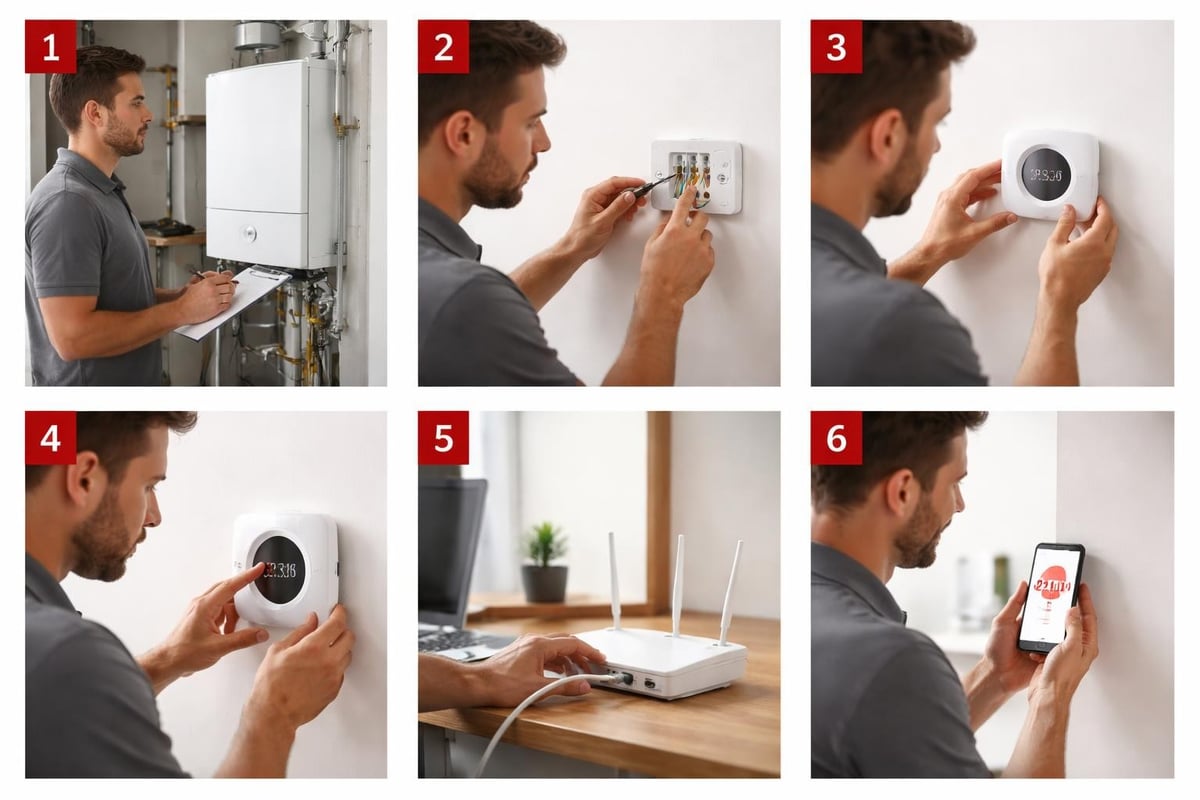
Qualified Gas Safe registered engineers follow systematic installation procedures:
- System isolation - safely disconnecting existing controls and power supplies
- Wiring installation - connecting smart controls according to manufacturer specifications
- Component mounting - positioning thermostats, receivers, and zone controllers
- System configuration - programming boiler compatibility settings and parameters
- Network connection - establishing wireless connectivity and smartphone application setup
- Testing and commissioning - verifying all functions operate correctly across all zones
The importance of professional installation extends beyond technical competency. Gas Safe registration ensures engineers possess current knowledge of heating system safety requirements, regulatory compliance, and manufacturer-specific installation protocols. For those considering smart thermostat installations, professional fitting provides peace of mind alongside guaranteed functionality.
Maintenance and Ongoing Optimisation
Smart controls for heating require minimal maintenance compared to traditional heating systems, though periodic attention ensures continued optimal performance. Understanding basic maintenance requirements and optimisation opportunities helps homeowners maximise long-term benefits from their intelligent heating systems.
Regular System Checks
Software updates represent the most critical maintenance activity for smart heating controls. Manufacturers regularly release firmware updates containing performance improvements, security patches, and new features. Most systems automatically download and install updates, though users should periodically verify their system runs current software versions.
Battery replacement applies to wireless thermostats and TRVs not connected to mains power. Most devices provide low battery warnings through smartphone applications several weeks before depletion, allowing timely replacement without service interruption.
Connectivity monitoring ensures consistent communication between smart controls and heating systems. Occasional wireless interference or router changes can disrupt connectivity, requiring simple reconnection procedures through smartphone applications.
Annual boiler servicing provides opportunities for heating engineers to inspect smart control integration, verify correct operation, and update settings if household requirements have changed. Regular professional inspections identify potential issues before they affect heating performance or efficiency.
Usage Optimisation Strategies
Maximising savings from smart controls for heating involves understanding and adjusting system settings based on actual household patterns and seasonal variations. Most systems provide detailed energy reports highlighting consumption trends and suggesting optimisation opportunities.
Seasonal adjustments modify base temperatures and heating schedules as outdoor temperatures change. Spring and autumn periods often require less aggressive heating schedules than winter months, whilst summer typically needs only frost protection settings.
Occupancy pattern updates ensure heating schedules reflect current household routines. Life changes such as employment pattern shifts, school holidays, or working from home necessitate schedule adjustments to maintain optimal efficiency.
Temperature setback strategies involve reducing temperatures during sleeping hours or extended absences. Research indicates reducing nighttime temperatures by 2-3°C can decrease heating consumption by 8-12% without significantly impacting comfort.
Cost Considerations and Return on Investment
Understanding the financial implications of smart controls for heating helps homeowners make informed decisions about system selection and implementation. Initial investment costs vary considerably depending on chosen systems, installation complexity, and desired feature sets.
Investment Breakdown
| Component | Budget Range | Mid-Range | Premium |
|---|---|---|---|
| Smart Thermostat | £80-120 | £150-200 | £220-280 |
| Installation (Single Zone) | £150-200 | £200-250 | £250-350 |
| Smart TRVs (per radiator) | £40-60 | £60-80 | £80-120 |
| Multi-Zone Hub | £100-150 | £150-200 | £200-300 |
| Total Single Zone | £230-320 | £350-450 | £470-630 |
| Total Multi-Zone (5 rooms) | £530-770 | £750-950 | £970-1,380 |
Professional installation costs vary based on system complexity and property accessibility. Single-zone installations typically complete within two hours, whilst comprehensive multi-zone systems may require four to six hours for complete setup and configuration.
Calculating Payback Periods
Average UK households spending £800-1,200 annually on heating can expect savings between 15-25% from properly configured smart controls. Based on these figures, typical payback periods range from two to four years depending on initial investment and achieved savings.
Properties with poor existing heating control, irregular occupancy patterns, or multiple zones typically achieve faster payback through enhanced efficiency gains. Conversely, homes already employing effective manual control may experience longer payback periods, though convenience and comfort benefits remain valuable.
Government initiatives and energy supplier programmes occasionally offer subsidies or incentives for smart heating control installation, reducing initial investment costs. Homeowners should investigate available support schemes before purchasing systems, as these programmes periodically change based on energy policy priorities.
Future Developments and Emerging Technologies
The smart controls for heating sector continues evolving rapidly, with manufacturers developing increasingly sophisticated features that promise enhanced efficiency and user experience. Understanding emerging trends helps homeowners anticipate future capabilities whilst making informed decisions about current investments.
Artificial intelligence integration represents the next frontier in heating control technology. Advanced machine learning algorithms will predict heating requirements with greater accuracy by analysing broader data sets including historical consumption, weather patterns, energy pricing, and household behaviour trends. These systems will autonomously optimise heating schedules to balance comfort, efficiency, and cost considerations without requiring user intervention.
Hydrogen-ready controls are emerging as the UK heating sector prepares for potential hydrogen fuel transitions. Smart controls compatible with both natural gas and hydrogen heating systems ensure homeowners' investments remain viable regardless of future energy infrastructure changes. Resources explaining how smart controls optimise heat pumps indicate similar adaptability requirements across alternative heating technologies.
Grid integration capabilities enable smart heating systems to respond to electricity supply conditions, reducing consumption during peak demand periods whilst increasing usage when renewable generation creates surplus capacity. Time-of-use tariff compatibility allows systems to prioritise heating during cheaper rate periods, further reducing operational costs.
Practical Considerations for Kent Homeowners
Properties throughout Kent present unique characteristics that influence smart heating control effectiveness and implementation approaches. Victorian and Edwardian homes common in Rochester and Gravesend often feature larger rooms and higher ceilings, requiring thoughtful zone configuration to maximise efficiency benefits.
Property-specific factors affecting smart control performance include:
- Insulation quality and heat retention characteristics
- Boiler age and efficiency ratings
- Existing radiator sizing and placement
- Wireless signal coverage throughout the property
- Household occupancy patterns and heating preferences
Homeowners experiencing common boiler problems should address underlying heating system issues before investing in smart controls. Whilst intelligent controls optimise system operation, they cannot compensate for inadequate heating capacity or poorly maintained equipment.
For properties requiring comprehensive heating system upgrades, coordinating boiler replacement with smart control installation ensures optimal compatibility and performance whilst potentially reducing overall installation costs through combined project efficiency.
Selecting the Right System for Your Property
Choosing appropriate smart controls for heating requires careful consideration of household requirements, existing heating infrastructure, and budget constraints. No single system suits all properties, making personalised assessment essential for optimal outcomes.
Decision Framework
Household size and occupancy patterns significantly influence which features deliver greatest value. Large families with varied schedules benefit most from multi-zone systems and geofencing capabilities, whilst smaller households or those with regular routines may find simpler systems perfectly adequate.
Technical comfort levels affect ongoing system management and optimisation effectiveness. Technologically confident users can maximise advanced features including detailed scheduling, zone programming, and integration with broader smart home ecosystems. Less technically inclined homeowners might prefer simpler interfaces with automated learning capabilities requiring minimal manual configuration.
Budget allocation should consider both initial investment and long-term value. Whilst premium systems offer extensive features, mid-range options frequently provide sufficient functionality for typical domestic properties. Understanding which features genuinely benefit your specific circumstances prevents overspending on unnecessary capabilities.
Expert guidance from experienced heating professionals helps navigate the complex smart heating control landscape. Qualified engineers assess property characteristics, explain available options, and recommend systems matching your specific requirements and budget. This personalised approach ensures investment in appropriate technology delivering tangible benefits rather than impressive but unused features.
Comprehensive information about smart heating systems and their benefits provides additional context for homeowners researching available options, whilst detailed analysis of whether smart heating systems reduce costs helps establish realistic expectations about potential savings and efficiency improvements.
Smart controls for heating deliver measurable efficiency improvements, enhanced comfort, and convenient management capabilities that justify their investment for most UK households. The combination of energy savings, improved control, and future-proofing benefits makes intelligent heating management an increasingly practical upgrade for domestic properties. Castle Heating Kent provides expert assessment, professional installation, and ongoing support for homeowners throughout Kent seeking to modernise their heating systems with smart control technology, ensuring optimal performance and maximum returns from your investment.

